Cervical Spondylosis: Causes, Symptoms & Treatment Canada

Share
Cervical spondylosis is a common degenerative condition that causes wear and tear on the bones, discs, and joints in your neck. It is one of the most frequently diagnosed spine conditions in Canada, particularly among adults over the age of 60. Understanding its causes, recognizing its symptoms early, and knowing your treatment options can help you manage this condition effectively.
Understanding Cervical Spondylosis: Causes and Risk Factors
Also known as cervical osteoarthritis, this condition develops gradually as the cushioning discs between your seven neck vertebrae dry out, shrink, and break down over time. As the discs lose height, your body compensates by forming bone spurs that can press on nearby nerves or the spinal cord. While many Canadians show signs of cervical spondylosis on imaging without experiencing pain, others develop significant neck stiffness, discomfort, and neurological symptoms that require medical attention.
What Is Cervical Spondylosis?
| Treatment Option | How It Helps | Key Benefits | Important Considerations |
|---|---|---|---|
| Physiotherapy | Strengthens neck muscles, improves posture, and increases range of motion through targeted exercises | Non-invasive, long-term symptom management, widely available across Canada | Requires consistent commitment; may take several weeks to show improvement |
| NSAIDs (e.g., Ibuprofen, Naproxen) | Reduces inflammation and pain around affected cervical vertebrae and nerves | Fast-acting relief, available over-the-counter at Canadian pharmacies | Not recommended for long-term use; risk of gastrointestinal side effects in older adults |
| Corticosteroid Injections | Delivers anti-inflammatory medication directly to the affected cervical nerve root or joint | Targeted relief for moderate-to-severe pain; can improve function within days | Limited to a few injections per year; administered by a specialist, often with wait times in Canada |
| Chiropractic Care | Manual manipulation and mobilization of the cervical spine to relieve stiffness and nerve pressure | May provide quick relief; covered by some provincial extended health plans | Not suitable for advanced cases with spinal cord compression; require assessment before treatment |
| Surgical Intervention (e.g., ACDF) | Removes bone spurs or herniated discs pressing on the spinal cord or nerve roots in the cervical spine | Offers lasting relief for severe or progressive neurological symptoms | Reserved for cases unresponsive to conservative treatment; involves recovery time and surgical risks |
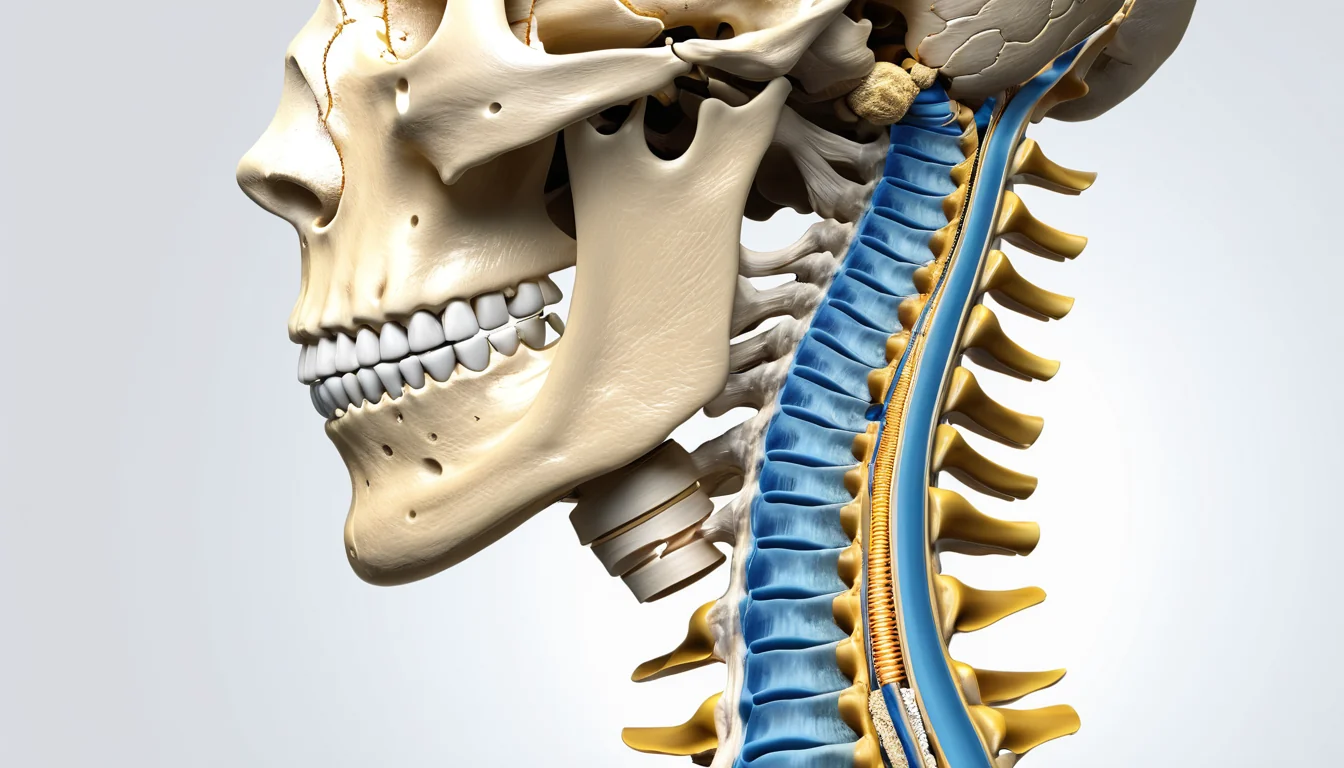
Cervical spondylosis — also called cervical osteoarthritis — is the gradual wear and tear of the bones, discs, and joints in your neck. The neck is made up of seven vertebrae, and between each one sits a cushioning disc. Over time, these discs can dry out, shrink, and break down.
As the discs lose height, the bones begin to rub against each other. The body responds by forming extra bone growths called bone spurs (or osteophytes). These spurs can press on nearby nerves or even the spinal cord, causing pain and other symptoms.
According to the Mayo Clinic, more than 85% of people over age 60 show signs of cervical spondylosis on an X-ray — even if they have no symptoms at all.
Causes of Cervical Spondylosis
The main cause of cervical spondylosis is simply getting older. As we age, the discs in our neck naturally lose water content and become less flexible. However, several other factors can speed up this process or increase your risk.
Disc Degeneration and Bone Spurs
In younger people, spinal discs are soft and filled with fluid. With age, they gradually dry out and flatten. This puts more pressure on the joints and cartilage surrounding the vertebrae. The cartilage wears down, and in some cases, bone rubs directly against bone.
To try to repair the damage, the body produces new bone tissue. Unfortunately, these bone spurs can grow into the spinal canal and press on nerves or the spinal cord, causing pain and weakness.
Other Risk Factors
In addition to age, the following factors can raise your risk of developing cervical spondylosis:
- Previous neck injuries — a car accident or sports injury can accelerate disc breakdown
- Family history — genetics can play a role in how quickly your spine ages
- Excess weight and physical inactivity — extra body weight puts more strain on your spine
- Herniated or slipped discs — these can worsen joint stress in nearby areas
- Previous spinal surgery — this can change how weight is distributed along the spine
- Severe arthritis — inflammatory joint conditions can speed up degeneration
- Osteoporosis — small compression fractures in the spine can alter alignment and put pressure on discs
Therefore, managing your weight, staying active, and protecting your neck from injury are all important steps in reducing your long-term risk.
Symptoms of Cervical Spondylosis
Many people with cervical spondylosis have no symptoms at all. When symptoms do appear, they can range from mild to severe. The most common symptoms include neck pain and stiffness, but others may develop depending on how much pressure is placed on nearby nerves.
Common Symptoms
- Neck pain — pain may spread to the shoulders or the base of the skull. Moving your neck may make it worse.
- Morning stiffness — the neck may feel stiff after sleeping, loosening up throughout the day
- Headaches — often starting at the back of the head and moving forward
- Arm pain or tingling — pain can travel down one arm or into the fingers, caused by a compressed nerve
- Numbness or weakness — you may feel these sensations in part or all of one arm
When Nerves Are Compressed: Cervical Radiculopathy
When a nerve root in the neck is pinched, the condition is called cervical radiculopathy. This can cause shooting pain, tingling, or numbness that travels from the neck down into the arm and hand. It is important to tell your doctor if you notice weakness or numbness in your arm, as this may need prompt attention.
When the Spinal Cord Is Involved: Cervical Myelopathy
In more serious cases, the spinal cord itself can become compressed. This is called cervical myelopathy and can cause:
- Tingling, numbness, or weakness in the arms and legs
- Loss of coordination or difficulty walking
- Trouble with fine motor tasks, like buttoning a shirt
- Loss of bladder or bowel control
These symptoms are less common but require urgent medical evaluation. Furthermore, cervical myelopathy can worsen over time if left untreated.
How Is Cervical Spondylosis Diagnosed?
Your doctor will start with a physical exam. They will check how well you can move your neck, test your reflexes, and assess muscle strength. They may also watch you walk to see if your balance or coordination is affected.
Imaging Tests
Several imaging tests can help confirm a diagnosis of cervical spondylosis:
- X-ray — can reveal bone spurs and narrowing between vertebrae
- CT scan — provides detailed cross-sectional images of the bones in your neck
- MRI scan — uses magnetic fields and radio waves to show soft tissues, including discs and nerves. This is the most useful test for identifying nerve compression.
- Myelogram — a special dye is injected into the spinal canal before X-rays or a CT scan, helping to highlight areas of pressure
Nerve Function Tests
In some cases, your doctor may order nerve function tests to check how well electrical signals travel through your nerves and muscles. These include:
- Electromyography (EMG) — measures electrical activity in muscles at rest and during contraction, helping to assess nerve and muscle health
- Nerve conduction study — small electrodes are placed on the skin to measure the speed and strength of nerve signals
As a result of these combined tests, your healthcare provider can build a clear picture of the severity of your condition and the best path forward.
Treatment Options for Cervical Spondylosis
The goal of treatment for cervical spondylosis is to relieve pain, maintain your daily activities, and prevent permanent nerve damage. Treatment depends on how severe your symptoms are. Most people manage well without surgery.
Medications
If over-the-counter pain relievers like acetaminophen or ibuprofen are not enough, your doctor may recommend:
- Muscle relaxants — to ease muscle spasms in the neck
- Anti-inflammatory medications — to reduce swelling around irritated nerves
- Anticonvulsant medications — certain nerve pain medicines can help reduce tingling and shooting pain
- Steroid injections — injected near the affected nerves to reduce inflammation and provide short-term relief
Always take medications as directed by your healthcare provider. Some of these require a prescription in Canada.
Physiotherapy
A registered physiotherapist can teach you specific exercises to strengthen the muscles that support your neck and improve your posture. Stretching routines can also help reduce stiffness and pain over time. Physiotherapy is often the most effective long-term treatment for mild to moderate cervical spondylosis.
Most provincial health plans in Canada offer some coverage for physiotherapy. Check with your plan or speak to your family doctor about a referral.
Lifestyle Changes
Simple daily habits can make a big difference. Maintaining a healthy weight reduces stress on your spine. Staying physically active keeps the muscles around your neck strong. In addition, paying attention to your posture — especially when working at a desk or using a phone — can help slow the progression of cervical spondylosis.
For more information on spine health and physical activity, visit Health Canada.
Surgery
Surgery is rarely needed for cervical spondylosis. However, it may be considered when nerve or spinal cord compression is severe and does not respond to other treatments. Your specialist will discuss whether surgery is appropriate for your specific situation.
When to See a Doctor
You should speak with your family doctor if you have persistent neck pain or stiffness that lasts more than a few weeks. Do not ignore numbness, tingling, or weakness in your arms or hands — these can be signs of nerve compression that needs attention.
If your family doctor is not immediately available, a walk-in clinic can assess your symptoms and refer you for imaging or specialist care if needed. However, if you suddenly lose control of your bladder or bowels, or experience sudden severe weakness in your limbs, go to your nearest emergency department right away.
Early assessment and treatment give you the best chance of managing cervical spondylosis effectively. For further reading on neck and spine conditions, the Healthline guide to cervical spondylosis is a helpful resource.
Frequently Asked Questions About Cervical Spondylosis
Is cervical spondylosis a serious condition?
Cervical spondylosis is very common and often causes no serious problems. However, if it leads to nerve or spinal cord compression, it can cause significant pain, weakness, or loss of coordination. Seeing your doctor early helps prevent complications.
Can cervical spondylosis be cured?
There is no cure for cervical spondylosis, as it is a natural part of ageing. However, most people manage their symptoms well with physiotherapy, medication, and lifestyle changes. The goal of treatment is to reduce pain and maintain a good quality of life.
What are the most common symptoms of cervical spondylosis?
The most common symptoms of cervical spondylosis include neck pain, morning stiffness, and headaches. Some people also experience tingling or numbness that travels down one arm. Many people, however, have no symptoms at all.
How is cervical spondylosis different from a herniated disc?
Cervical spondylosis refers to the general wear and tear of the entire cervical spine, including bones, discs, and joints. A herniated disc is one specific problem — when the soft inner part of a disc pushes through its outer layer. A herniated disc can be one part of cervical spondylosis.
Can exercise help with cervical spondylosis?
Yes, gentle exercise is one of the best ways to manage cervical spondylosis. Strengthening and stretching the neck and shoulder muscles helps support the spine and reduce pain. A physiotherapist can design a safe exercise programme suited to your needs.
Does cervical spondylosis always require surgery?
No, the vast majority of people with cervical spondylosis do not need surgery. Most cases are managed successfully with physiotherapy, medication, and lifestyle adjustments. Surgery is only considered when nerve or spinal cord compression is severe and does not improve with other treatments.
Key Takeaways
- Cervical spondylosis is a common, age-related condition affecting the neck’s bones, discs, and joints
- It affects most Canadians over age 60, though many have no symptoms
- Common symptoms include neck pain, stiffness, headaches, and arm tingling or numbness
- Nerve compression (cervical radiculopathy) and spinal cord compression (cervical myelopathy) are more serious complications
- Diagnosis involves a physical exam and imaging tests such as X-rays or MRI
- Most cases are treated without surgery, using physiotherapy, medication, and lifestyle changes
- Speak with your family doctor or visit a walk-in clinic if your symptoms persist or worsen
According to Mayo Clinic’s overview of cervical spondylosis, this information is supported by current medical research.
For more information, read our guide on learn about low back surgery options and spinal procedures in Canada.
This article is for informational purposes only and does not replace professional medical advice. Always consult your family doctor or a qualified healthcare provider for diagnosis and treatment of any health condition.
Frequently Asked Questions
What is cervical spondylosis?
Cervical spondylosis is age-related wear and tear affecting the discs, joints, and bones in the neck. It develops as spinal discs dry out and shrink, and bone spurs form over time. It is extremely common, affecting more than 85% of people over age 60, though many experience no symptoms.
What are the symptoms of cervical spondylosis?
Common symptoms include chronic neck pain and stiffness, headaches originating at the base of the skull, grinding sensations when turning the head, and muscle weakness. Some people experience numbness or tingling in the arms and hands. In severe cases, difficulty walking and loss of bladder control may occur.
How is cervical spondylosis treated in Canada?
Treatment typically begins conservatively with physiotherapy, pain medications like NSAIDs, and lifestyle modifications. Canadian doctors may also recommend chiropractic care, corticosteroid injections, or massage therapy covered under provincial plans. Surgery is reserved for severe cases involving nerve compression causing significant weakness or loss of function.
Can cervical spondylosis be prevented?
While age-related changes cannot be fully prevented, you can reduce risk by maintaining good posture, taking regular breaks from screens, exercising regularly to strengthen neck muscles, avoiding smoking, and using ergonomic workstations. Staying active and maintaining a healthy weight also helps reduce stress on cervical spine structures.
When should you see a doctor for neck pain?
See a doctor promptly if your neck pain is severe, persistent beyond a few weeks, or accompanied by numbness, tingling, or weakness in your arms or hands. Seek emergency care immediately if you experience sudden loss of bladder or bowel control, difficulty walking, or neck pain following a traumatic injury.

About the Author
Dr. James Okafor, MD, PhDDr. James Okafor holds an MD and PhD in Neurological Sciences from McGill University. With 12 years of experience in clinical neurology and mental health research, he has contributed to landmark studies on depression, anxiety, and cognitive health. Dr. Okafor is a Fellow of the Royal College of Physicians and Surgeons of Canada and serves on the editorial board of two peer-reviewed journals.
View all articles →