Cervical Polyps: Causes, Symptoms & Treatment in Canada

Share
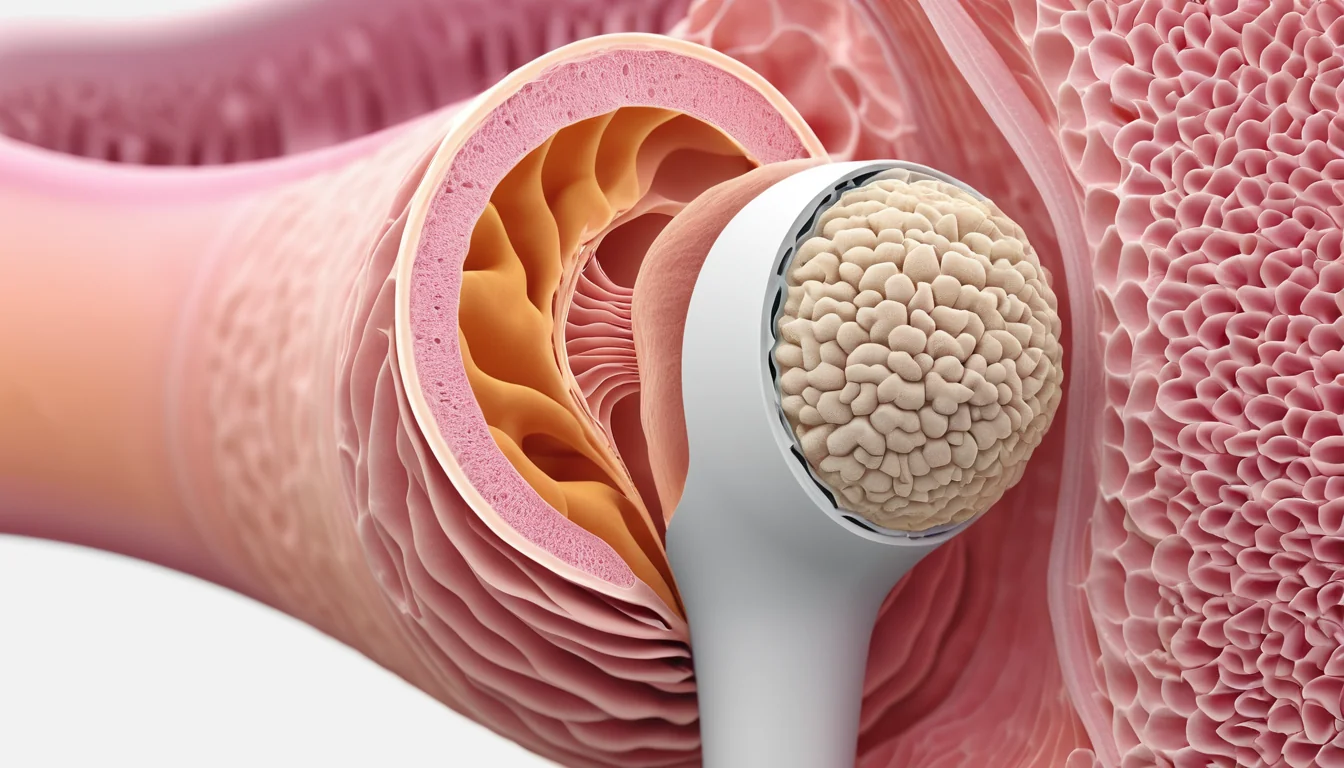
Cervical polyps are small, soft growths that develop on the cervix — the narrow passage connecting the uterus to the vagina. They are among the most common benign (non-cancerous) growths found in women of reproductive age, and while most cause no serious harm, they can lead to irregular bleeding and other concerns that should not be ignored.
Understanding Cervical Polyps: What Canadian Women Should Know
For Canadian women, understanding the causes and recognising cervical polyp symptoms early is a key part of maintaining good reproductive health. Whether discovered during a routine Pap test or investigated after unexpected spotting, knowing when to seek medical care can make all the difference. This guide covers everything you need to know about diagnosis, treatment, and follow-up options available across Canada.
What Are Cervical Polyps?
| Treatment Option | How It Works | Benefits | Considerations |
|---|---|---|---|
| Watchful Waiting | Regular monitoring without immediate intervention; polyp observed over time | Non-invasive; appropriate for small, asymptomatic cervical polyps | Requires follow-up appointments; not suitable if symptoms are present |
| Polypectomy (Surgical Removal) | Polyp is twisted off or removed using forceps during an in-office procedure | Quick, highly effective; usually performed without general anaesthesia | Minor bleeding or cramping may occur; biopsy of removed tissue is recommended |
| Electrosurgical Excision | Electrical current used to cut and remove larger or broader-based polyps | Precise removal; reduces risk of recurrence for larger growths | May require local anaesthesia; performed in a clinic or hospital setting in Canada |
| Laser Ablation | Laser energy destroys polyp tissue with minimal surrounding damage | Minimally invasive; low risk of infection or scarring | Less widely available across Canadian provinces; higher associated cost |
| Hormonal Therapy | Addresses underlying hormonal imbalances that may contribute to polyp formation | May reduce recurrence risk; targets root hormonal causes | Not a standalone removal method; used alongside other treatments |
Cervical polyps look like small finger-shaped tags of tissue. They grow inside the cervical canal, which is the passageway between the uterus and vagina. They are usually red or purple in colour and can range from a few millimetres to a few centimetres in length.
Most polyps are attached to the cervix by a thin stalk. However, some have a broader base. They are almost always benign, though a small number — about 1% — can develop into cancer. This is why proper medical follow-up is so important.
What Causes Cervical Polyps?
The exact cause of cervical polyps is not fully understood. However, researchers have identified several factors that may contribute to their development.
Common causes and contributing factors include:
- Chronic inflammation or infection of the cervix
- An abnormal response to rising oestrogen levels
- Congestion of blood vessels in the cervical canal
- Repeated pregnancies, which may affect cervical tissue over time
In many cases, cervical polyps are discovered during a routine pelvic exam, even when a woman has no symptoms at all. This is one reason why regular check-ups with your family doctor or gynaecologist matter so much.
Recognising the Symptoms of Cervical Polyps
Many women with cervical polyps never notice any symptoms. In fact, polyps are often found by chance during a routine Pap test or pelvic exam. However, when symptoms do appear, abnormal bleeding is the most common sign.
Common Symptoms to Watch For
You may experience bleeding in situations where it is not expected. This can include:
- Spotting or bleeding between periods
- Bleeding after sexual intercourse
- Bleeding after a shower or physical activity
- Unusual bleeding after menopause
In some cases, an inflamed or infected polyp can cause a vaginal discharge. This discharge may be yellow or white and may have a mucus-like texture. If you notice any of these symptoms, it is a good idea to speak with your family doctor or visit a walk-in clinic as soon as possible.
When Cervical Polyps Cause No Symptoms
It is completely possible to have cervical polyps and feel nothing unusual. This is why routine gynecological exams are such a valuable tool. Many polyps are identified this way, long before any complications develop.
How Are Cervical Polyps Diagnosed?
Diagnosing cervical polyps is usually straightforward. Your doctor can often see or feel them during a standard pelvic examination. A speculum — a medical tool that gently opens the vaginal canal — is used to get a clear view of the cervix.
What the Examination Involves
During the exam, your doctor looks for any visible growths on the cervix. Polyps that extend through the opening of the cervix are easy to identify. They appear as elongated, reddish growths with a narrow stalk or, sometimes, a wider base.
Polyps located higher up inside the cervical canal can be harder to spot. In these cases, additional tests may be used. These can include:
- Hysteroscopy: A thin, lighted tube is inserted into the uterus to view the cervical canal directly. This allows the doctor to spot polyps that are not visible from outside.
- Hysterosalpingography (HSG): This is an X-ray procedure used mainly to investigate infertility. It can reveal an abnormal filling pattern that may indicate a polyp higher up in the cervical canal.
Your doctor may also perform a pelvic bimanual exam — using both hands to feel for any abnormalities. This helps distinguish polyps from other growths, such as uterine fibroids. For more information on diagnostic procedures, visit Mayo Clinic’s guide on cervical polyp diagnosis and treatment.
Risk Factors for Cervical Polyps
Cervical polyps can affect women of any age, but some women are more likely to develop them than others. Knowing your risk factors can help you stay proactive about your health.
The most common risk factors include:
- Being over the age of 20
- Having had multiple pregnancies
- Being in your 40s or approaching menopause, when oestrogen levels fluctuate
- A history of chronic cervical inflammation or infection
In most cases, only one polyp forms at a time. However, it is possible to find two or three polyps during a single examination. Finding more than one polyp does not necessarily increase your risk of cancer, but it does reinforce the importance of having each one properly evaluated.
Treatment Options for Cervical Polyps
The good news is that treating cervical polyps is usually quick, simple, and effective. In most cases, removal can be done right in your doctor’s office or at a women’s health centre, without the need for general anaesthesia.
How Polyps Are Removed
The most common method is polypectomy — the removal of the polyp during a pelvic exam. Your doctor may gently twist the polyp at its base until it detaches. Alternatively, a medical instrument called a forceps is used to carefully remove it.
The procedure is typically brief and involves minimal discomfort. Most women return to their normal activities the same day. After removal, you may experience some light spotting, which usually resolves quickly.
Why Pathology Testing Matters
After removal, every cervical polyp should be sent to a laboratory for pathology testing. This is a non-negotiable step in proper care. Even though the vast majority of polyps are benign, approximately 1% can show cancerous or pre-cancerous changes. Early detection through pathology testing allows for timely and effective treatment if needed. You can learn more about cervical health from Health Canada’s cervical cancer information page.
Possible Complications of Cervical Polyps
Most cervical polyps do not lead to serious complications. However, because they sit in the cervical canal, they are constantly exposed to vaginal bacteria. As a result, infection is a real concern.
Possible complications can include:
- Cervicitis: Inflammation of the cervix
- Endometritis: Inflammation of the lining of the uterus
- Adnexitis (salpingo-oophoritis): Inflammation of the fallopian tubes and ovaries
In some cases, the tip of the polyp can undergo tissue breakdown (necrosis) due to ongoing inflammation. Furthermore, while rare, a polyp can undergo malignant transformation. This underscores the importance of having any cervical polyp properly removed and tested. For a broader overview of cervical health conditions, Healthline’s article on cervical polyps offers helpful additional context.
When to See a Doctor
You should speak with your family doctor or visit a walk-in clinic if you notice any unusual vaginal bleeding, especially after sex, between periods, or after menopause. These symptoms do not always mean something serious, but they should always be checked out.
If you are experiencing an unusual discharge — particularly one that is yellow, white, or has an unpleasant odour — that is also a reason to seek care promptly. In Canada, your provincial health plan covers routine gynecological exams, so there is no barrier to getting checked.
Even if you have no symptoms at all, keeping up with your regular Pap tests and pelvic exams is one of the best things you can do for your cervical health. Most cervical polyps are discovered this way. Early detection always leads to better outcomes. As always, speak with a qualified healthcare provider before making any decisions about your health — this article is for informational purposes only and does not replace professional medical advice.
Frequently Asked Questions About Cervical Polyps
Are cervical polyps dangerous?
Most cervical polyps are benign, meaning they are not cancerous. However, about 1% of cervical polyps can show cancerous changes, so every polyp that is removed should be sent to a lab for testing. Prompt removal and proper follow-up are the best ways to protect your health.
Can cervical polyps go away on their own?
Cervical polyps do not typically go away on their own. In most cases, your doctor will recommend removing them to prevent complications such as infection or irregular bleeding. Removal is a simple, quick procedure that can usually be done in a doctor’s office.
What does bleeding from cervical polyps feel like?
Bleeding caused by cervical polyps is usually light spotting rather than heavy bleeding. It most commonly occurs after sexual intercourse, between menstrual periods, or after menopause. If you notice unexpected vaginal bleeding, it is important to see your family doctor or visit a walk-in clinic.
Do cervical polyps affect fertility?
In some cases, cervical polyps located high in the cervical canal may interfere with fertility by blocking sperm from reaching the uterus. If you are having difficulty conceiving, your doctor may investigate whether cervical polyps are a contributing factor. Removing the polyp often resolves the issue.
How are cervical polyps removed in Canada?
Cervical polyp removal is typically performed in a doctor’s office or a women’s health centre during a routine pelvic exam. The procedure is quick and usually does not require anaesthesia. In Canada, this type of care is generally covered under provincial health plans.
Can cervical polyps come back after removal?
According to Mayo Clinic’s overview of cervical polyps, this information is supported by current medical research.
For more information, read our guide on learn about other common conditions affecting women’s health in Canada.
Yes, cervical polyps can recur after removal, although this is not extremely common. Ongoing follow-up with your gynaecologist and regular Pap tests help monitor for any new growths. If polyps return repeatedly, your doctor may investigate underlying causes such as hormonal changes or chronic inflammation.
Key Takeaways
- Cervical polyps are small, usually benign growths found on the cervix.
- They are often discovered during routine pelvic exams, even without symptoms.
- The most common symptom is abnormal vaginal bleeding — between periods, after sex, or after menopause.
- Causes may include chronic inflammation, hormonal changes, and increased blood flow to the cervical canal.
- Treatment involves simple removal, followed by laboratory testing of the polyp tissue.
- About 1% of cervical polyps can be cancerous, making pathology testing essential.
- If you notice unexpected bleeding or unusual discharge, speak with your family doctor or visit a walk-in clinic.
- Regular gynecological check-ups, covered under most provincial health plans, are the best way to catch cervical polyps early.
Frequently Asked Questions
What are cervical polyps?
Cervical polyps are small, finger-like growths that develop on the cervix, the lower part of the uterus that connects to the vagina. They are almost always benign (non-cancerous) and range from a few millimetres to several centimetres in size. They are most common in women over 40 who have had children.
What are the symptoms of cervical polyps?
Many cervical polyps cause no symptoms and are discovered during routine Pap tests. When symptoms do occur, they include abnormal vaginal bleeding between periods, after sex, or after menopause, as well as unusually heavy periods and abnormal vaginal discharge that may be white or yellow.
How are cervical polyps treated in Canada?
Cervical polyps are typically removed during a simple outpatient procedure performed by a gynecologist. The doctor twists or clips the polyp off at its base using forceps. The procedure requires no anesthesia in most cases and takes only minutes. Removed tissue is sent to a lab to rule out cancerous cells.
Can cervical polyps come back after removal?
Yes, cervical polyps can recur after removal, though this is not common. Women with a history of polyps should maintain regular gynecological checkups and Pap screenings to monitor for regrowth. There are currently no proven prevention strategies, but managing hormonal imbalances may help reduce recurrence risk.
When should you see a doctor about cervical polyps?
See your doctor promptly if you experience abnormal vaginal bleeding, such as spotting between periods, bleeding after intercourse, or any postmenopausal bleeding. These symptoms can indicate cervical polyps but may also signal more serious conditions. Early evaluation by a Canadian healthcare provider ensures accurate diagnosis and timely treatment.

About the Author
Dr. Sarah Mitchell, MDDr. Sarah Mitchell is a board-certified family physician with over 15 years of clinical experience. She completed her MD at the University of Toronto and her residency at Toronto General Hospital. Dr. Mitchell specializes in preventive medicine and chronic disease management. She is a member of the College of Family Physicians of Canada (CFPC) and has published over 30 peer-reviewed articles on preventive health care.
View all articles →