Hip Fracture: Causes, Symptoms & Treatment in Canada

Share
A hip fracture is one of the most serious bone injuries Canadians can face, involving a break in the upper part of the femur — the long bone connecting your hip to your knee. Most hip fractures require emergency surgery and a lengthy recovery period, making it critical to understand the causes, symptoms, and treatment options available across Canada.
What Is a Hip Fracture and Why Is It So Serious?
Hip fractures are especially common among older Canadians, and the consequences can be life-changing. Research shows that nearly 30% of elderly patients who suffer a broken hip in elderly populations pass away within one year of the injury. Early diagnosis, prompt treatment, and effective prevention strategies can dramatically improve outcomes for you or a loved one.
What Is a Hip Fracture?
| Treatment Option | Best Suited For | Key Benefits | Important Considerations |
|---|---|---|---|
| Internal Fixation (Screws/Rods) | Stable fractures; younger patients with good bone density | Preserves natural hip joint; shorter surgery time; lower implant cost | Risk of hardware failure; may require revision surgery if bone heals poorly |
| Partial Hip Replacement (Hemiarthroplasty) | Displaced femoral neck fractures in older adults | Reliable pain relief; faster mobilization post-surgery; lower dislocation risk than total replacement | Does not address arthritis; may require conversion to total replacement later |
| Total Hip Replacement (Arthroplasty) | Active older patients with pre-existing hip arthritis | Addresses both fracture and arthritis; long-term functional outcomes; improved quality of life | Longer surgery; higher short-term complication risk; requires robust rehabilitation program |
| Non-Surgical Management | Patients unfit for surgery due to serious medical conditions | Avoids surgical and anesthetic risks; suitable for palliative care goals | Prolonged bed rest; high risk of complications including blood clots, pressure injuries, and pneumonia |
| Rehabilitation & Physiotherapy | All hip fracture patients post-treatment; often provided through Canadian public health programs | Restores mobility and strength; reduces fall risk; improves long-term independence | Requires patient motivation and consistency; access may vary by province and facility availability |
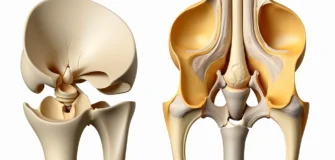
The femur is the strongest bone in the human body. However, a hip fracture most often occurs at the femoral neck or the area just below it, called the trochanteric region. These two spots are the weakest parts of the upper femur.
Hip fractures are surprisingly common. They affect older adults far more often than younger people. In fact, studies show that about 25% of older adults who suffer a hip fracture outside of a hospital or care home will need long-term special care for up to one year afterward.
Furthermore, nearly 30% of older adults who break their hip pass away within the first year following the injury. This makes early treatment and prevention extremely important.
Common Causes of a Hip Fracture
The cause of a hip fracture depends largely on your age and overall bone health. However, there are two main groups to consider: younger people and older adults.
Causes in Children and Younger Adults
In younger people, a hip fracture almost always results from a high-impact event. Common causes include:
- Car or bicycle accidents
- Sports injuries
- Falls from a significant height
Young bones are generally dense and strong. Therefore, it takes a great deal of force to break them.
Causes in Older Adults
In older adults, even a simple fall from standing height can cause a hip fracture. This is because bones naturally become thinner and more brittle with age. Starting around age 30, the body begins to absorb bone tissue faster than it replaces it. Over time, this leads to lower bone density.
When bone density drops to a certain level, doctors call this osteoporosis, a condition Health Canada recognizes as a major public health concern. Osteoporosis greatly increases the risk of a hip fracture.
Women are at higher risk than men for several reasons. They start with lower bone density, experience greater bone loss after menopause due to falling estrogen levels, and tend to live longer. As a result, more than 75% of all hip fractures occur in women. However, men are not immune — low testosterone levels can also speed up bone loss in older men.
Other Risk Factors
In addition to age and osteoporosis, other factors can raise your risk of a hip fracture:
- Certain health conditions: Such as Meniere’s disease or arthritis, which affect balance or mobility
- Family history: A tall, slim frame or relatives who had fractures later in life can increase your risk
- Poor nutrition: Low calcium and vitamin D intake weakens bones over time
- Smoking: Tobacco use reduces bone density
- Sedentary lifestyle: Lack of weight-bearing exercise, such as walking or dancing, weakens bones and muscles
Recognising the Symptoms of a Hip Fracture
The most obvious symptom of a hip fracture is sudden, severe pain in the hip or groin area. This pain typically follows a fall or injury. However, in some cases — especially with osteoporosis — a fracture can happen without a clear traumatic event.
Other common symptoms include:
- The injured leg turning outward at an unusual angle
- The injured leg appearing shorter than the other leg
- Inability to walk or put weight on the affected leg
- Pain in the thigh or knee
In stress fractures — where the bone cracks gradually rather than breaks all at once — walking may still be possible, though very painful. If you or a loved one has any of these symptoms after a fall, seek medical attention right away.
How Is a Hip Fracture Diagnosed?
A doctor diagnoses a hip fracture through a physical examination and imaging tests. The physical exam looks for key signs: severe pain, a shortened leg, and outward rotation of the foot.
Imaging Tests
An X-ray is usually the first step. However, some fractures — called occult fractures — do not show up on a standard X-ray. In these cases, your doctor may order additional tests:
- MRI (Magnetic Resonance Imaging): Provides the most detailed images of bone and soft tissue
- CT scan (Computed Tomography): Offers clearer images than a standard X-ray
- Bone scan: Uses a small amount of contrast material injected into the body to detect fractures not visible on X-rays
Bone Density Testing
For women going through menopause who have a hip fracture, doctors will often check for osteoporosis. A bone density scan — called a DEXA scan or osteodensitometry — measures how strong your bones are. Catching osteoporosis early allows doctors to treat it before another fracture occurs.
In addition, blood levels of a substance called homocysteine may be tested. High homocysteine levels have been linked to an increased risk of fractures related to osteoporosis. The good news is that folic acid supplementation can help lower homocysteine levels.
Fall Risk Assessment
Doctors should ask older patients at least once a year whether they have had any falls. If the answer is yes, a simple physical test can help assess fall risk. The doctor will check whether the patient can rise from a chair without using their hands, walk a few steps, and turn around safely.
If the patient shows difficulty with balance or movement, a more thorough assessment follows. This may include a review of current medications, an eye examination, a balance test, and a measurement of muscle strength.
Treatment Options for a Hip Fracture
The goal of hip fracture treatment is to restore as much movement and function as possible — ideally returning to the level of activity the patient had before the injury.
Surgery
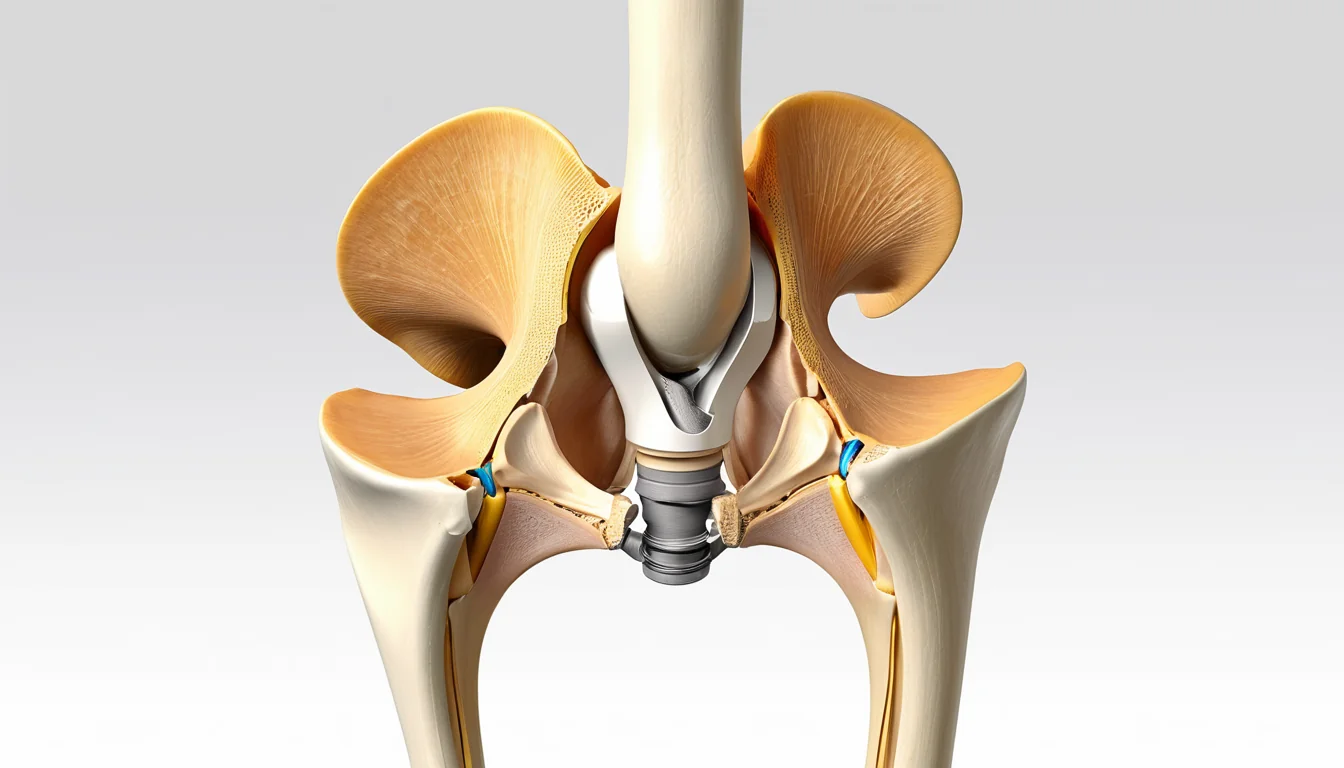
Surgery is almost always the recommended treatment. It provides the best chance of restoring function and reducing pain. The type of surgery depends on the location and severity of the fracture, as well as the patient’s overall health. Common surgical options include internal fixation with screws or rods, and partial or total hip replacement.
Most patients are encouraged to begin moving and bearing weight as soon as possible after surgery. Early movement helps prevent serious complications such as deep vein thrombosis (blood clots in the legs), as explained by Mayo Clinic, pulmonary embolism (blood clots in the lungs), pneumonia, and pressure injuries from prolonged bed rest.
Rehabilitation
After surgery, rehabilitation is essential. Physiotherapy helps patients rebuild strength, improve balance, and regain their independence. Depending on the patient’s condition, rehab may take place in a hospital, a rehabilitation centre, or at home with community support.
Many provincial health plans in Canada cover physiotherapy following hip fracture surgery. Ask your family doctor or surgeon about the rehabilitation services available in your province.
Non-Surgical Management
In rare cases where surgery is not possible — for example, if a patient is too frail to safely undergo anaesthesia — doctors may manage the fracture with pain control, bed rest, and careful rehabilitation. However, this approach carries higher risks and is not suitable for most patients.
Preventing a Hip Fracture
Many hip fractures are preventable. The following steps can significantly reduce your risk, especially as you age:
- Get enough calcium and vitamin D: These nutrients are essential for strong bones. Talk to your family doctor about whether you need supplements.
- Exercise regularly: Weight-bearing activities like walking, dancing, and light strength training help maintain bone density and improve balance.
- Quit smoking: Smoking accelerates bone loss at any age.
- Reduce fall hazards at home: Remove loose rugs, install grab bars in the bathroom, and make sure your home is well lit.
- Review your medications: Some medications cause dizziness or affect balance. Ask your pharmacist or doctor to review your medications regularly.
- Treat osteoporosis: If you have been diagnosed with osteoporosis, follow your treatment plan. The World Health Organization recognises osteoporosis as a leading cause of fractures worldwide, and effective treatments are available.
When to See a Doctor
If you or someone you know has fallen and is experiencing severe hip or groin pain, call 911 or go to the nearest emergency department immediately. Do not attempt to move the person unless they are in immediate danger.
For ongoing concerns about bone health, fall risk, or osteoporosis, book an appointment with your family doctor. If you do not have a family doctor, a walk-in clinic can provide an initial assessment and refer you to the appropriate specialist.
Older adults should speak with their doctor at least once a year about their fall risk. Early action can prevent a serious hip fracture before it happens. Always consult a qualified healthcare provider before making any changes to your health routine or treatment plan.
How long does it take to recover from a hip fracture?
Recovery from a hip fracture typically takes several months and varies by age and overall health. Most people require physiotherapy and may need assistive devices like a walker for weeks or months after surgery. Some older adults need ongoing support or home care during their recovery period.
Can a hip fracture heal without surgery?
In most cases, a hip fracture requires surgery to heal properly and restore function. Non-surgical treatment is only considered when a patient cannot safely undergo an operation. Without surgery, the risks of complications such as blood clots and prolonged immobility are significantly higher.
What are the warning signs of a hip fracture?
The main warning signs of a hip fracture include sudden severe pain in the hip or groin, an inability to walk or bear weight, and one leg appearing shorter or rotated outward. These symptoms usually appear after a fall but can sometimes occur without an obvious injury, especially in people with osteoporosis.
Who is most at risk for a hip fracture in Canada?
Older women are at the highest risk for a hip fracture, largely due to lower bone density and bone loss after menopause. However, older men, people with osteoporosis, and those with poor balance or a history of falls are also at significant risk. Maintaining an active lifestyle and adequate calcium intake can help reduce this risk.
Is a hip fracture life-threatening?
A hip fracture can be life-threatening, particularly in older adults. Studies show that nearly 30% of elderly patients who experience a hip fracture pass away within the first year, often due to complications such as blood clots, pneumonia, or infections. Prompt treatment and rehabilitation are critical to improving outcomes.
How can I prevent a hip fracture as I get older?
According to Mayo Clinic’s guide to hip fracture diagnosis and treatment, this information is supported by current medical research.
For more information, read our guide on sacroiliac joint pain causes and treatment in Canada.
You can lower your risk of a hip fracture by staying physically active, eating a diet rich in calcium and vitamin D, quitting smoking, and making your home safer to prevent falls. If you have osteoporosis, following your prescribed treatment plan is essential. Talk to your family doctor about a personalised bone health strategy.
Key Takeaways
- A hip fracture is a break in the upper femur and is one of the most serious injuries, especially for older Canadians.
- Older adults are most at risk, with falls and osteoporosis being the leading causes.
- Women face a higher risk than men due to lower bone density and the effects of menopause.
- Key symptoms include severe hip or groin pain, a shortened leg, and inability to walk.
- Diagnosis involves physical examination, X-rays, and sometimes MRI or CT scans.
- Surgery is almost always required, followed by physiotherapy and rehabilitation.
- Prevention focuses on calcium and vitamin D intake, regular exercise, fall prevention, and treating osteoporosis early.
- Speak with your family doctor or visit a walk-in clinic if you are concerned about your bone health or fall risk.
Frequently Asked Questions
What is a hip fracture?
A hip fracture is a break in the upper portion of the femur (thigh bone) near the hip joint. It most commonly affects older adults due to weakened bones from osteoporosis. Hip fractures are serious injuries that almost always require surgery and can significantly impact mobility and independence.
What are the symptoms of a hip fracture?
Common symptoms include sudden, severe pain in the hip or groin, inability to bear weight on the affected leg, swelling and bruising around the hip, and the injured leg appearing shorter or rotated outward. Some people with stress fractures may experience only a dull, aching pain that worsens with activity.
How is a hip fracture treated in Canada?
Hip fracture treatment in Canada typically involves surgery within 24–48 hours of injury, either through internal fixation using screws or plates, or hip replacement. Post-surgery care includes physiotherapy, pain management, and fall prevention strategies. Canadian health guidelines prioritize rapid surgical intervention to reduce complications and improve recovery outcomes.
How can you prevent a hip fracture?
Prevention involves building and maintaining bone density through calcium and vitamin D intake, regular weight-bearing exercise, and avoiding smoking and excess alcohol. Reducing fall risks at home — such as removing tripping hazards and installing grab bars — is equally important, especially for Canadians over age 65.
When should you see a doctor for hip pain after a fall?
Seek emergency medical care immediately if you experience severe hip or groin pain after a fall, cannot stand or walk, or notice the leg appears deformed or rotated. Hip fractures are medical emergencies. Even if you can walk, persistent hip pain following a fall warrants prompt evaluation to rule out a fracture.

About the Author
Dr. James Okafor, MD, PhDDr. James Okafor holds an MD and PhD in Neurological Sciences from McGill University. With 12 years of experience in clinical neurology and mental health research, he has contributed to landmark studies on depression, anxiety, and cognitive health. Dr. Okafor is a Fellow of the Royal College of Physicians and Surgeons of Canada and serves on the editorial board of two peer-reviewed journals.
View all articles →