Torn Meniscus: Causes, Symptoms & Treatment in Canada

Share
A torn meniscus is one of the most common knee injuries affecting Canadians of all ages, from young hockey players to older adults dealing with everyday wear and tear. Whether the tear happens during a sudden twist on the ice or while simply crouching to pick something up, the pain and limited mobility can significantly impact your daily life.
How Is a Torn Meniscus Diagnosed in Canada?
Understanding meniscus tear symptoms early is key to getting the right care through Canada’s healthcare system. This article explains what causes a torn meniscus, how doctors diagnose it, and what treatment options are available — from conservative approaches like rest and physiotherapy to surgical repair. If you are experiencing knee pain, swelling, or locking, speak with your family doctor or visit a walk-in clinic for a proper assessment.
What Is a Torn Meniscus?
| Treatment Option | Best Suited For | Benefits | Considerations |
|---|---|---|---|
| Conservative (RICE + Physiotherapy) | Minor or partial tears; stable knees; older adults | No surgery required; low risk; covered under provincial health plans | Recovery may take 4–8 weeks; may not fully heal larger tears |
| Arthroscopic Meniscus Repair | Young, active patients with tears in the outer (vascular) zone | Preserves meniscus tissue; reduces long-term arthritis risk | Longer recovery (3–6 months); not suitable for all tear types |
| Partial Meniscectomy | Tears in the inner (avascular) zone; complex or bucket-handle tears | Faster recovery (4–6 weeks); high success rate for pain relief | Removes tissue permanently; may increase arthritis risk over time |
| Corticosteroid Injections | Patients with significant swelling and inflammation | Quick pain and swelling relief; minimally invasive | Temporary relief only; does not repair the torn meniscus |
| Platelet-Rich Plasma (PRP) Therapy | Mild to moderate tears; patients seeking non-surgical options | Uses the body’s own healing factors; emerging supportive evidence | Not widely covered by provincial insurance; evidence still developing |
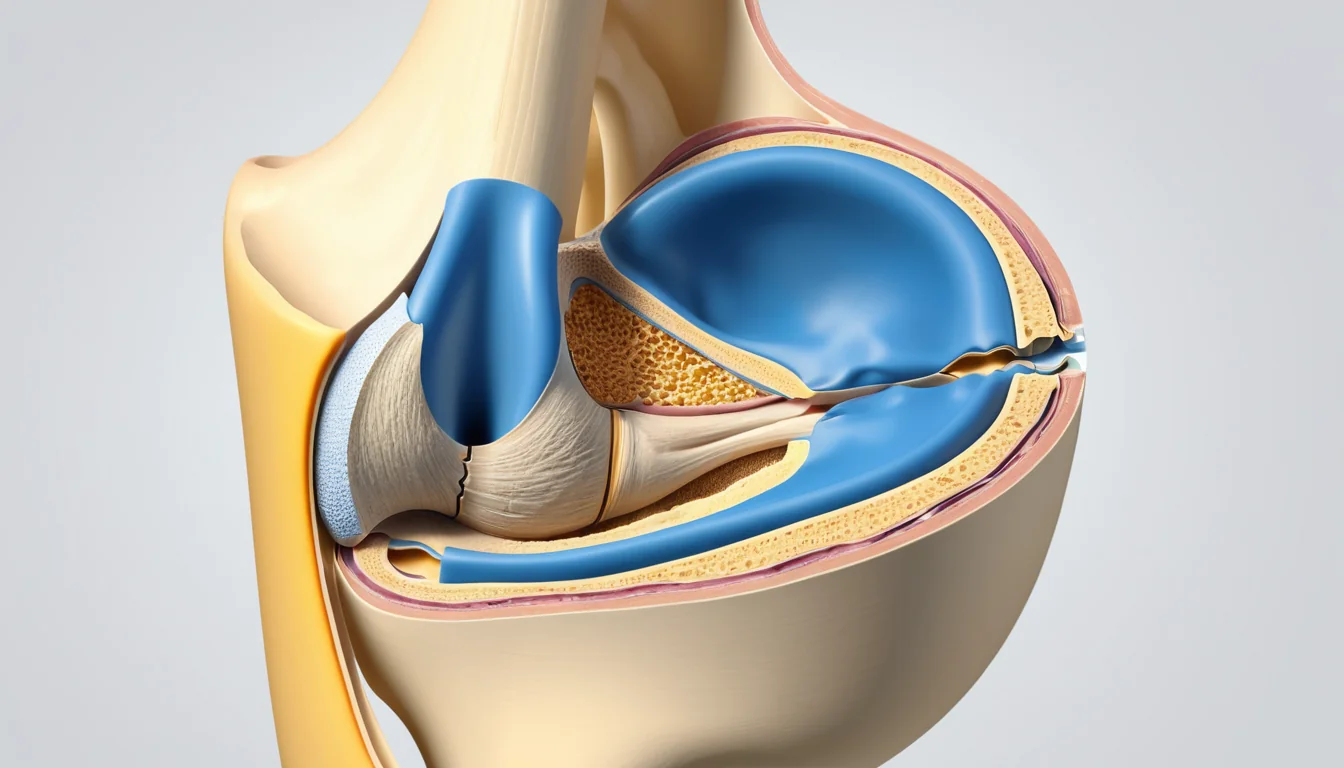
Your knee has two C-shaped pieces of rubbery cartilage called menisci (singular: meniscus). One sits on the outer side of the knee (lateral meniscus) and one sits on the inner side (medial meniscus). Together, they act like shock absorbers between the bones of your upper and lower leg.
The meniscus also helps stabilise the knee joint. It spreads your body weight evenly across the joint so no single area takes too much pressure. When the meniscus tears, it can interfere with how your knee moves and feels.
Common Causes of a Torn Meniscus
A torn meniscus usually happens during a twisting movement. This often occurs when your foot is flat on the ground and your knee is slightly bent. For example, pivoting in hockey, squatting to lift something heavy, or making a sudden turn while playing tennis can all cause this injury.
Other knee injuries, such as a torn ligament, can happen at the same time as a meniscus tear. Therefore, it is important to get a full assessment after any significant knee injury.
Age and Wear Over Time
As we age, the meniscus gradually wears down and becomes more fragile. Older adults may tear their meniscus from a minor movement, like getting up from a squat. In contrast, a torn meniscus is quite rare in young children.
Symptoms of a Torn Meniscus
Symptoms can vary widely depending on how severe the tear is. The meniscus itself has no nerve endings. However, pain can come from swelling in the joint and damage to the surrounding tissue.
Mild Tear
A mild torn meniscus may cause only minor pain and light swelling at first. Over the next few days, the knee joint may become more swollen. Walking is usually possible, but pain increases when you squat, lift something heavy, or twist your knee. These symptoms often clear up within two to three weeks.
Moderate Tear
With a moderate tear, you may feel pain along the inner or outer side of the knee, depending on which meniscus is affected. Swelling builds up over two to three days. Bending the knee fully becomes difficult. In addition, twisting movements or squatting can cause sharp pain. Symptoms may ease over time but tend to return with minor twisting or heavy activity.
Severe Tear
A severe tear can cause fragments of the meniscus to shift into the joint space. This leads to what is called a locked knee — the joint cannot straighten fully. Bleeding inside the joint may occur, and swelling appears very quickly after the injury.
Symptoms in Older Adults
Older adults with a worn meniscus may not recall a specific injury. They might notice swelling and mild pain after a simple movement, like rising from a chair. Because the cartilage has weakened over time, even everyday activity can cause a tear.
Pain on the inner side of the knee may point to a medial meniscus tear. Pain on the outer side may suggest a lateral meniscus tear.
How Is a Torn Meniscus Diagnosed?
If your knee pain is severe right after an injury, go to your nearest emergency department or urgent care centre. If the pain is mild, you may wait a few days to see if swelling goes down. However, if symptoms return when you use the knee, see your family doctor or visit a walk-in clinic.
Physical Examination
Your doctor will ask how the injury happened and about any past knee problems. They will examine both knees, checking for swelling, range of motion, and joint stability. X-rays are usually taken to rule out bone damage. Your doctor may then refer you to an orthopaedic specialist for further testing.
According to Mayo Clinic’s overview of torn meniscus, a physical exam combined with imaging is the most reliable way to confirm this injury.
MRI and Arthroscopy
If the diagnosis is unclear, the orthopaedic specialist may order an MRI (magnetic resonance imaging). An MRI gives a detailed picture of the tear’s location and size. It also shows the ligaments, cartilage, and tendons around the knee.
In some cases, the specialist may recommend an arthroscopy. This is a minimally invasive procedure where a thin tube with a camera is inserted through a small cut near the knee. The surgeon can see the tear directly and may repair it during the same procedure. Healthline’s guide to torn meniscus treatment provides a helpful overview of how arthroscopy works.
Treatment Options for a Torn Meniscus
Treatment depends on the type and size of the tear, where it is located, your age, and how active you are. The time since the injury also matters. There are both non-surgical and surgical options available.
Non-Surgical Treatment
Many mild tears heal well without surgery. The standard approach is called the RICE method: Rest, Ice, Compression, and Elevation. Your doctor may also recommend physiotherapy to strengthen the muscles around the knee and restore normal movement.
- Rest: Avoid activities that put stress on the knee.
- Ice: Apply ice wrapped in a cloth for 15 to 20 minutes several times a day.
- Compression: A bandage can help reduce swelling.
- Elevation: Keep the leg raised when sitting or lying down.
Anti-inflammatory medications, such as ibuprofen, can help manage pain and swelling. Always follow the dosage instructions and check with your pharmacist or doctor if you take other medications.
Surgical Treatment
If non-surgical treatment does not work, or if the tear is severe, surgery may be needed. Most surgical repairs are done through arthroscopy. The surgeon may repair the torn tissue directly or remove the damaged portion. There are two main types of surgical procedures:
- Partial meniscectomy: The surgeon removes only the torn piece of the meniscus.
- Total meniscectomy: The entire meniscus is removed. This is less common and generally avoided when possible.
Recovery after surgery varies. Physiotherapy is an important part of getting back to full movement. Most provincial health plans cover medically necessary knee surgery, but wait times can vary. Talk to your orthopaedic specialist about what to expect in your province.
For more information on knee health, visit Health Canada’s official health resources.
Long-Term Outlook
Without treatment, a torn meniscus can increase the risk of developing osteoarthritis in the knee over time. This is especially true if a large portion of the meniscus is removed. However, with proper treatment and rehabilitation, most people return to their normal activities.
When to See a Doctor
You should see a doctor if your knee is very swollen, you cannot straighten or bend it fully, or you feel like your knee is locking or giving way. These are signs that the injury may be more serious than a minor strain.
Start with your family doctor for a referral to an orthopaedic specialist. If you do not have a family doctor, a walk-in clinic can assess your knee and order imaging if needed. Go to your nearest emergency department if the pain is sudden and severe, or if you heard a popping sound at the time of injury.
Do not ignore ongoing knee pain. Early diagnosis leads to better outcomes and may prevent long-term joint damage.
Can a torn meniscus heal on its own?
A minor torn meniscus in the outer zone of the cartilage may heal on its own with rest, ice, and physiotherapy, since that area has a good blood supply. However, tears in the inner zone rarely heal without surgery. Always see a doctor to find out which type of tear you have.
How long does it take to recover from a torn meniscus?
Recovery time depends on the severity of the torn meniscus and the type of treatment. Mild tears managed without surgery may heal in four to six weeks. Surgical recovery can take anywhere from six weeks to several months, especially if you are returning to sport or heavy physical activity.
What does a torn meniscus feel like?
A torn meniscus often causes pain along the inner or outer side of the knee, swelling, and stiffness. You may notice that your knee feels like it is catching, locking, or giving way during movement. Some people also hear or feel a popping sensation at the time of injury.
Is surgery always needed for a torn meniscus?
No, surgery is not always needed for a torn meniscus. Many people recover well with non-surgical treatment, including rest, physiotherapy, and anti-inflammatory medication. Surgery is typically recommended when the tear is large, the knee is locked, or conservative treatment has not improved symptoms after several weeks.
Can I walk with a torn meniscus?
Many people can still walk with a torn meniscus, especially with a mild or moderate tear. However, walking may be painful, and you should avoid activities that involve twisting, squatting, or heavy loading of the knee. If walking causes significant pain or your knee feels unstable, see a doctor promptly.
Does a torn meniscus show up on an X-ray?
A torn meniscus does not show up directly on an X-ray, because X-rays show bones rather than soft tissue. Your doctor may still order an X-ray to rule out a fracture or other bone problems. An MRI is the most reliable imaging test for confirming a meniscus tear and assessing its size and location.
Key Takeaways
- A torn meniscus is a common knee injury caused by twisting movements or gradual wear over time.
- Symptoms include knee pain, swelling, stiffness, and sometimes a locked or unstable joint.
- Diagnosis involves a physical exam, X-rays, and often an MRI or arthroscopy.
- Treatment ranges from rest and physiotherapy to surgical repair, depending on the severity.
- Most provincial health plans cover medically necessary knee surgery in Canada.
- See your family doctor or a walk-in clinic early — prompt care leads to better outcomes.
- Untreated tears may increase the risk of osteoarthritis in the long term.
According to Mayo Clinic’s overview of torn meniscus causes and symptoms, this information is supported by current medical research.
For more information, read our guide on learn the differences between MRI and CT scans for torn meniscus diagnosis.
This article is for informational purposes only and does not replace professional medical advice. If you are experiencing knee pain or suspect a torn meniscus, please consult your family doctor, a walk-in clinic, or a qualified healthcare provider.
Frequently Asked Questions
What is a torn meniscus?
A torn meniscus is a common knee injury involving a tear in the meniscus, the C-shaped cartilage that cushions and stabilizes the knee joint. It can occur in either the medial (inner) or lateral (outer) meniscus. Tears range from minor fraying to complete ruptures and are frequent in both athletes and older adults.
What are the symptoms of a torn meniscus?
Common symptoms include knee pain, swelling, and stiffness, usually developing within 24–48 hours of injury. You may also experience a popping sensation at the time of injury, difficulty bending or straightening the knee, and a feeling of the knee locking or giving way during movement.
How is a torn meniscus treated in Canada?
Treatment depends on tear severity. Minor tears are often managed conservatively with rest, ice, compression, elevation (RICE), physiotherapy, and anti-inflammatory medications. Larger or more complex tears may require arthroscopic surgery. Canadian orthopedic surgeons typically explore non-surgical options first before recommending a procedure like meniscal repair or partial meniscectomy.
Can a torn meniscus heal on its own without surgery?
Small tears located in the outer, blood-rich zone of the meniscus can sometimes heal without surgery through rest and physiotherapy. However, tears in the inner zone, which has poor blood supply, rarely heal independently and may require surgical intervention. A physician or orthopedic specialist should evaluate your specific tear to determine the best approach.
When should you see a doctor for a knee injury in Canada?
See a doctor promptly if you experience significant knee swelling, persistent pain, locking, or instability after a knee injury. In Canada, you can visit your family physician, a walk-in clinic, or an emergency department for severe cases. Early diagnosis through physical examination or MRI helps prevent long-term joint damage and arthritis.

About the Author
Dr. Linda Chen, RD, PhDDr. Linda Chen is a registered dietitian and PhD in Nutritional Sciences from the University of British Columbia. With expertise in clinical nutrition, sports dietetics, and gut health, she has worked with leading Canadian hospitals and sports organizations. Dr. Chen is a member of Dietitians of Canada and regularly contributes to national nutrition policy discussions.
View all articles →