Tendinopathy Causes: Risk Factors & When to Act | Canada

Share
Tendinopathy causes pain, stiffness, and reduced function in damaged tendons, and it is one of the most common musculoskeletal conditions affecting Canadians of all ages. Whether you are an athlete pushing through training, an office worker dealing with repetitive strain, or someone managing age-related changes, understanding what triggers tendinopathy can help you take action early and stay active.
What Are the Main Tendinopathy Causes?
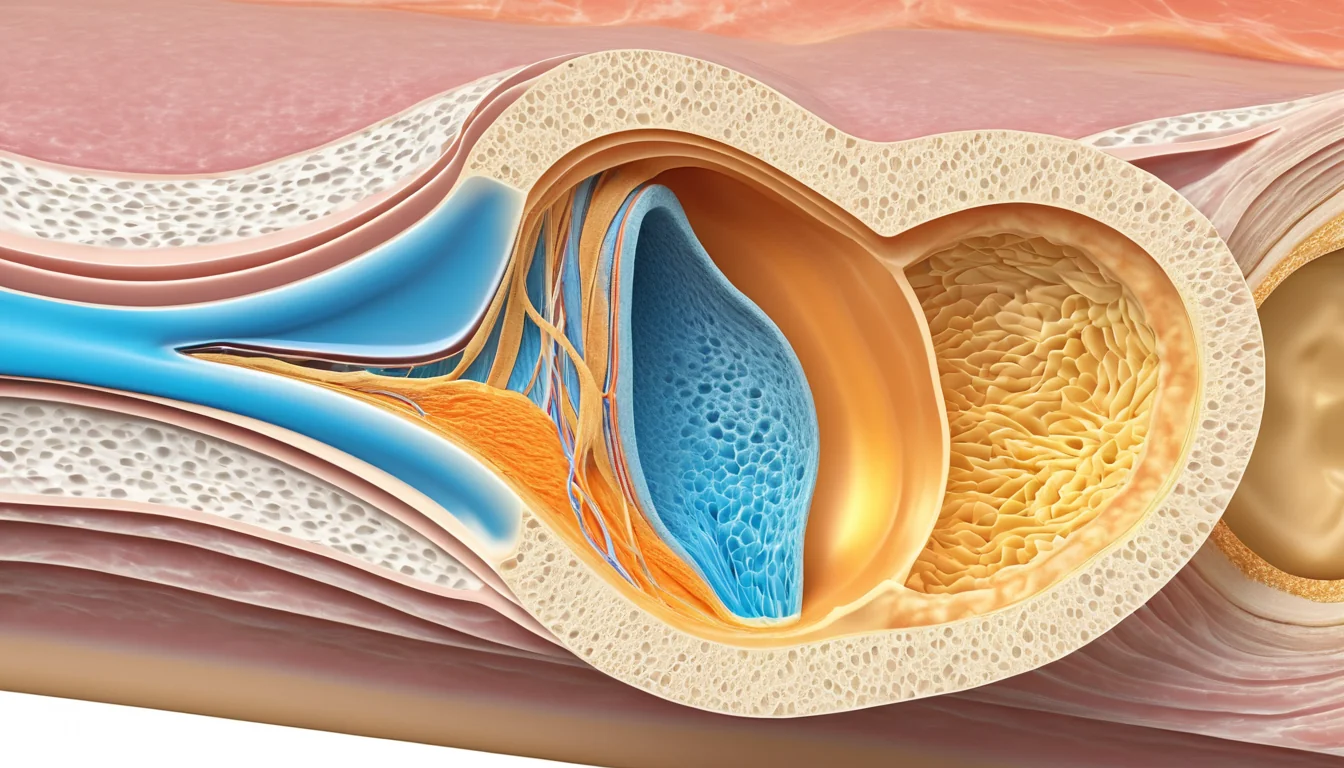
A healthy tendon is made of well-organised collagen fibres that run in parallel lines, giving the tendon its strength and flexibility. In a tendon affected by tendinopathy, those fibres break down and become disorganised. Fluid-like substances called glycosaminoglycans build up, abnormal blood vessels form, and the tendon gradually loses its capacity to handle load. Recognising these tendinopathy risk factors and early warning signs is the first step toward effective prevention and recovery.
What Is Tendinopathy?
| Risk Factor | How It Contributes | Level of Impact | Prevention Strategy |
|---|---|---|---|
| Repetitive Overuse | Repeated mechanical loading exceeds the tendon’s capacity to repair, leading to micro-tears and degeneration | High | Incorporate rest days, cross-train, and gradually increase activity intensity using the 10% rule |
| Age-Related Changes | Collagen fibres become less elastic and resilient after age 35–40, reducing the tendon’s ability to absorb load | High | Maintain regular low-impact exercise, adequate protein intake, and targeted tendon-strengthening programs |
| Poor Biomechanics or Posture | Muscle imbalances and improper movement patterns place uneven stress on tendons during activity | Moderate–High | Seek assessment from a physiotherapist; correct footwear and ergonomic workplace setups are recommended |
| Sudden Increase in Activity | Rapid spikes in training volume or intensity overwhelm tendon adaptation capacity, a common cause of tendinopathy in recreational athletes | Moderate–High | Follow structured training plans; avoid increasing weekly load by more than 10% at a time |
| Underlying Health Conditions | Conditions such as diabetes, rheumatoid arthritis, and high cholesterol impair tendon tissue health and healing capacity | Moderate | Manage chronic conditions with your family physician; regular monitoring and medication adjustments as needed |
| Fluoroquinolone Antibiotic Use | Medications such as ciprofloxacin are associated with tendon damage and rupture, particularly in older Canadians | Moderate | Discuss antibiotic choices with your prescriber; report any tendon pain immediately if taking fluoroquinolones |
Tendinopathy describes a range of changes that happen inside a damaged or diseased tendon. These changes affect the tendon’s structure, cell makeup, and overall health. The result is pain and a loss of normal movement.
A healthy tendon is made of well-organised collagen fibres. These fibres run in neat, parallel lines and give the tendon its strength. However, in a tendon affected by tendinopathy, those fibres break down. The collagen becomes fragmented and disorganised. Fluid-like substances called glycosaminoglycans build up, and abnormal blood vessel growth occurs inside the tendon. As a result, the tendon loses its normal strength and flexibility.
For more background on how tendons work, visit the Mayo Clinic’s overview of tendon conditions.
Where Does Tendinopathy Occur?
Tendinopathy can develop in almost any tendon in the body. However, it tends to appear near the point where a tendon attaches to bone. This area experiences the most stress during movement.
The most commonly affected tendons include:
- Rotator cuff tendons (shoulder) — affecting about 5.5% of cases
- Gluteal tendon (hip) — about 4.2% of cases
- Achilles tendon (back of the ankle) — about 2.4% of cases
- Peroneal and posterior tibial tendons (lower leg and ankle) — about 2.4% of cases
- Patellar tendon (knee) — about 1.6% of cases
In the lower body, the Achilles and patellar tendons are most often involved. In the upper body, the rotator cuff tendons in the shoulder are most commonly affected. Tennis elbow — a well-known form of tendinopathy — affects the tendons on the outside of the elbow.
In addition, gluteal tendinopathy (affecting the hip area) is becoming more common. Research shows its incidence is rising, particularly among middle-aged women.
Risk Factors for Tendinopathy
Tendinopathy develops from a mix of causes. Some risk factors are within your control. Others, like age or genetics, are not. Understanding both groups can help you make smarter choices.
Intrinsic (Personal) Risk Factors
These are factors related to your body and health history:
- Older age
- Obesity or excess body weight
- Metabolic conditions such as diabetes and high cholesterol
- Inflammatory conditions (for example, psoriatic arthritis)
- Kidney disease
- Family history of tendon problems
- Limited or excessive joint mobility
- Muscle weakness
- Poor neuromuscular control
- Previous tendon damage
Research shows that metabolic conditions like diabetes, high cholesterol, and obesity directly influence how often tendinopathy occurs and how severe it becomes. These conditions also affect how well a person responds to physiotherapy. Therefore, managing your overall health is a key part of tendon protection.
Extrinsic (External) Risk Factors
These are factors related to your activity, environment, and medication use:
- Suddenly increasing activity level or workout intensity
- Starting new physical activities (for example, running can trigger Achilles tendinopathy; overhead sports can affect the rotator cuff)
- Not allowing enough recovery time between training sessions
- Highly repetitive movements at work or during sport
- Poor workplace ergonomics
Certain medications also raise your risk of developing tendinopathy. These include:
- Fluoroquinolone antibiotics (such as ciprofloxacin) — associated with a 2–15% increased risk of tendon injury and rupture
- Hormone replacement therapy
- Statin medications (used to lower cholesterol)
If you take any of these medications and notice new tendon pain, speak with your family doctor or visit a walk-in clinic as soon as possible.
How Tendinopathy Develops: Key Theories
Researchers have proposed several theories to explain why tendinopathy happens. No single theory tells the whole story. However, each one adds to our understanding.
The Mechanical Theory
This is one of the oldest theories, first proposed in 1978. It suggests that tendons break down when they face more load than they can repair. Over time, cells die and the tendon degenerates. This theory introduced the term tendinosis, which refers to this degenerative process.
The Inflammation Theory
For many years, inflammation was considered the main driver of tendon pain — which is why the older term “tendinitis” (meaning tendon inflammation) was so widely used. Newer research confirms that inflammatory chemicals are indeed present in affected tendons. Furthermore, inflammation and mechanical overload can occur together, not separately.
The Apoptosis Theory
This theory links heavy, repetitive loading to a process called oxidative stress. Under this stress, tendon cells begin to behave abnormally, triggering a chain of events that leads to tissue breakdown and degeneration.
The Vascular and Neurogenic Theory
Some studies suggest that abnormal blood vessel growth inside a tendon can weaken it and increase the risk of rupture. In addition, nerve-driven inflammation may play a role in how tendons respond to being overloaded.
The Continuum Model
This is the most widely accepted model today. It describes tendinopathy as a three-stage process:
- Reactive tendinopathy — an early, reversible response to sudden overload
- Tendon disrepair (failed healing) — the tendon tries to heal but cannot keep up
- Degenerative tendinopathy — permanent structural changes in the tendon tissue
This model helps clinicians and physiotherapists choose the right treatment for each stage. Healthline offers a helpful overview of tendinopathy stages and treatment options.
Recognising the Symptoms of Tendinopathy
The most common symptoms of tendinopathy are pain and stiffness near the affected tendon. Many people notice this most in the morning or after sitting for a long time. Once the body warms up, the pain often eases — at least in the early stages.
As the condition progresses, symptoms tend to change. Early on, discomfort only appears at the start of activity. However, over time, pain can become constant and debilitating, even during rest. This gradual progression is why early action matters so much.
According to Health Canada, musculoskeletal conditions like tendinopathy are among the leading causes of disability and lost productivity in Canada. Taking symptoms seriously early can prevent long-term problems.
When to See a Doctor
You should see a healthcare provider if tendon pain lasts more than a few days, keeps coming back, or stops you from doing everyday activities. In Canada, you have several options. Start with your family doctor if you have one — they can assess your symptoms, refer you to a physiotherapist, and rule out other conditions.
If you do not have a family doctor, a walk-in clinic is a great first step. Most provinces cover initial assessments through their provincial health plan. Your doctor may recommend imaging such as an ultrasound or MRI to confirm the diagnosis and check the extent of tendon damage.
Do not ignore persistent tendon pain. Left untreated, tendinopathy can worsen and, in some cases, lead to a complete tendon rupture — a much more serious injury requiring surgery.
Always consult a qualified healthcare professional before starting any new treatment or exercise programme for tendon pain. This article is for informational purposes only.
Frequently Asked Questions About Tendinopathy
What is the difference between tendinopathy and tendinitis?
Tendinitis refers specifically to tendon inflammation, while tendinopathy is a broader term that covers all types of tendon damage — including degeneration, structural changes, and inflammation. Most modern health professionals prefer the term tendinopathy because it more accurately describes what happens inside the tendon. In everyday conversation, both terms are often used to describe the same type of tendon pain.
How long does tendinopathy take to heal?
Recovery time for tendinopathy varies depending on how severe the damage is and how quickly treatment begins. Mild cases may improve in a few weeks with rest and physiotherapy. More advanced or chronic tendinopathy can take several months to fully recover, especially if contributing factors like obesity or diabetes are also being managed.
Can tendinopathy heal on its own without treatment?
In early, mild cases, reducing activity and allowing rest can help a tendon recover. However, tendinopathy often does not fully heal without some form of guided treatment. Physiotherapy, particularly a structured loading programme, is usually needed to rebuild tendon strength and prevent recurrence. Ignoring the condition can lead to permanent tendon degeneration.
What medications increase the risk of tendinopathy?
Certain medications are linked to a higher risk of developing tendinopathy or a tendon rupture. These include fluoroquinolone antibiotics (such as ciprofloxacin), statin medications used for high cholesterol, and hormone replacement therapy. If you are taking any of these and develop tendon pain, speak with your family doctor or pharmacist right away.
Is tendinopathy common in Canada?
Yes, tendinopathy is a very common musculoskeletal condition in Canada, affecting both athletes and non-athletes. It is particularly prevalent among working-age adults in physically demanding jobs and among people with metabolic conditions like diabetes or obesity. Rotator cuff and Achilles tendon problems are among the most frequently seen tendon conditions in Canadian clinics.
What is the best exercise for tendinopathy?
According to Mayo Clinic’s guide to tendon injuries, this information is supported by current medical research.
For more information, read our guide on chronic joint pain causes and treatment in Canada.
Physiotherapy-guided tendinopathy treatment often includes eccentric exercises — movements that load the tendon as it lengthens. For example, slow heel drops are commonly recommended for Achilles tendinopathy. However, the best exercise programme depends on which tendon is affected and what stage the condition is at. Always work with a registered physiotherapist to build a safe, personalised plan.
Key Takeaways
- Tendinopathy describes a spectrum of tendon damage causing pain and reduced function.
- It can affect any tendon, but most commonly targets the shoulder, hip, knee, and Achilles tendon.
- Both personal health factors (age, obesity, diabetes) and lifestyle factors (overtraining, poor ergonomics) raise your risk.
- Some medications — including certain antibiotics and statins — can increase the risk of tendon injury.
- Tendinopathy progresses through stages, from reactive to degenerative, making early treatment important.
- Morning stiffness and activity-related pain are common early warning signs.
- Canadian residents can access assessment through their family doctor, walk-in clinic, or a physiotherapist covered under provincial health programmes.
- Always speak with a healthcare professional for a proper diagnosis and personalised treatment plan.
Frequently Asked Questions
What are the most common tendinopathy causes?
The most common tendinopathy causes include repetitive overuse, sudden increases in physical activity, poor biomechanics, and inadequate recovery time. Age-related tendon degeneration, certain medications like fluoroquinolone antibiotics, and underlying conditions such as diabetes or rheumatoid arthritis also significantly increase risk.
What are the symptoms of tendinopathy?
Tendinopathy typically causes localized pain, stiffness, and tenderness directly over the affected tendon. Pain often worsens with activity and improves with rest early on. You may also notice swelling, reduced strength, and a creaking sensation. Symptoms commonly affect the Achilles, rotator cuff, patellar, or elbow tendons.
What are the main tendinopathy causes in athletes and active Canadians?
In athletes and active Canadians, tendinopathy causes typically involve training errors such as rapidly increasing workout intensity, poor technique, inadequate warm-up, and insufficient rest. Sports like running, hockey, tennis, and swimming place high repetitive loads on tendons, making overuse the leading contributing factor.
How is tendinopathy treated in Canada?
Tendinopathy treatment typically begins with relative rest, physiotherapy, and progressive loading exercises. Eccentric strengthening programs are highly effective. Additional options include shockwave therapy, NSAIDs for short-term pain relief, and corticosteroid injections in some cases. Most Canadians access physiotherapy through provincial health plans or private insurance coverage.
When should I see a doctor for tendon pain?
See a doctor or physiotherapist if tendon pain persists beyond two weeks, severely limits daily activities, or follows a sudden injury. Seek immediate medical attention if you experience a sharp pop, complete loss of function, or significant swelling, as these may indicate a tendon rupture requiring urgent treatment.

About the Author
Dr. Michael Ross, MD, FRCSCDr. Michael Ross is a fellowship-trained orthopedic surgeon at the University of Alberta Hospital, specializing in joint replacement and sports medicine. A Fellow of the Royal College of Surgeons of Canada (FRCSC), he has over 18 years of surgical experience and has authored multiple textbook chapters on musculoskeletal health. Dr. Ross is passionate about patient education and evidence-based medicine.
View all articles →