Bunions Treatment: Causes, Symptoms & Options in Canada

Share
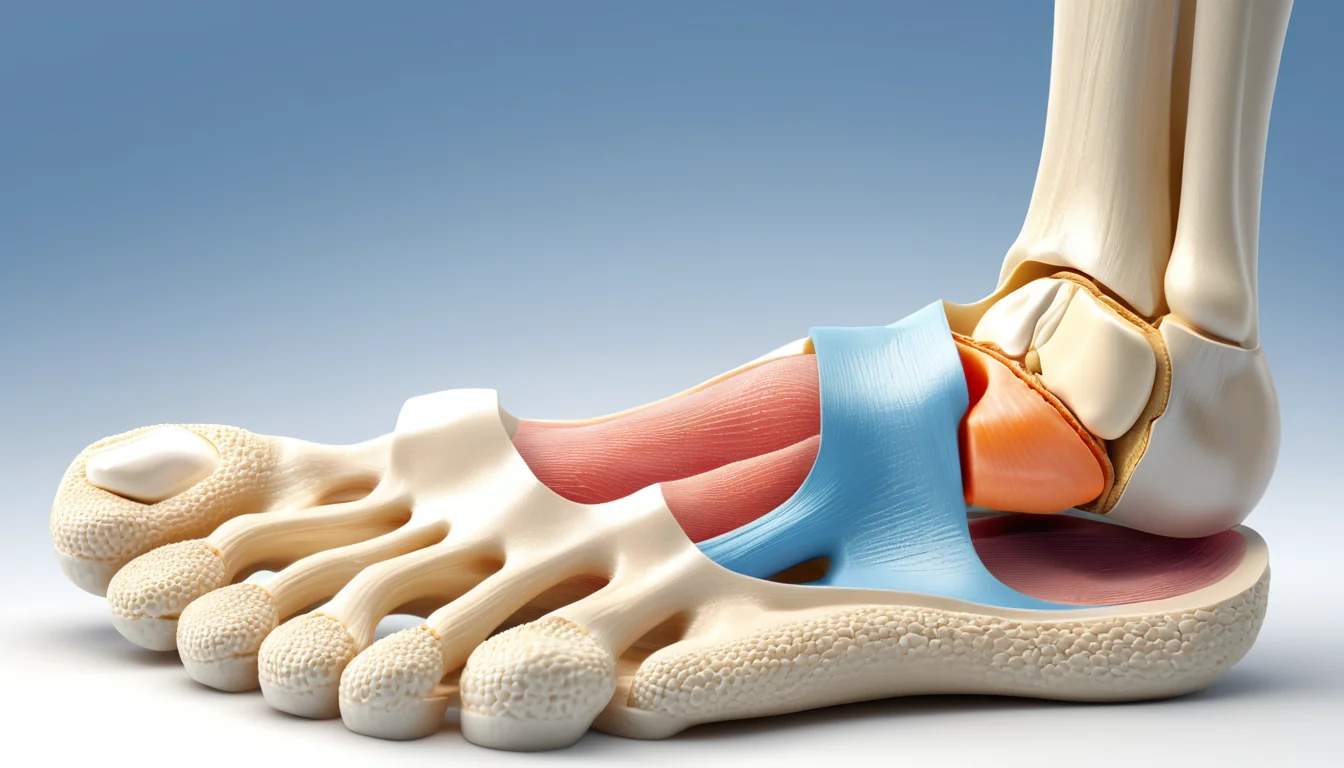
Bunions treatment is a growing concern for Canadians, as bunions remain one of the most common foot problems seen in clinics across the country. A bunion forms when the bone at the base of your big toe shifts out of place, creating a painful bony bump on the inside of your foot. This condition can change the shape of your foot and make it difficult to find comfortable shoes, affecting your daily life.
Bunions Treatment Options Available in Canada
Understanding what causes bunions and recognizing the early symptoms is the first step toward lasting relief. Whether you are dealing with mild discomfort or a progressive hallux valgus deformity, Canadian healthcare providers offer a range of non-surgical and surgical options to help restore your mobility and comfort.
What Are Bunions?
| Treatment Option | How It Works | Benefits | Considerations |
|---|---|---|---|
| Orthotics & Shoe Inserts | Custom or over-the-counter insoles redistribute foot pressure and correct alignment | Non-invasive; widely available through Canadian podiatrists and pharmacies; may be covered by provincial health plans or private insurance | Does not correct the bony deformity; requires consistent use; custom orthotics can cost $300–$600 CAD |
| Splints & Toe Spacers | Devices worn to realign the big toe and reduce pressure on the joint | Affordable and accessible; can relieve discomfort during rest or sleep; no prescription needed | Provides temporary symptom relief only; does not reverse bunion progression; may be uncomfortable during activity |
| Physiotherapy & Exercises | Targeted stretching and strengthening exercises improve joint mobility and reduce pain | Improves foot strength and flexibility; no cost if self-directed; supports overall foot health | Requires ongoing commitment; best used alongside other treatments; physiotherapy sessions add additional cost |
| Anti-Inflammatory Medication | NSAIDs such as ibuprofen reduce pain and swelling around the bunion joint | Fast-acting pain relief; available over-the-counter in Canada; useful for flare-ups | Treats symptoms only, not the cause; long-term NSAID use carries risks including gastrointestinal issues; consult a pharmacist or physician |
| Bunion Surgery (Osteotomy) | A surgeon realigns or removes the bony prominence to correct the deformity | Only option to permanently correct a bunion; significant long-term pain relief; performed at Canadian hospitals and surgical centres | Recovery takes 6–12 weeks; wait times in the public system can be lengthy; risks include infection, nerve damage, and recurrence |
A bunion, known medically as hallux valgus, is not a new bone or growth. Instead, it is the head of your first metatarsal bone pushing outward as your big toe drifts toward your other toes. This shift creates the familiar bump on the inner edge of your foot.
Over time, the big toe may rotate inward, pushing against the second toe. As a result, the other toes can become crowded and start to overlap. This progressive deformity can affect your balance, your gait, and your overall quality of life.
According to the Mayo Clinic’s overview of bunions, this condition is far more common in women than in men, and it tends to worsen gradually over time if left unaddressed.
What Causes Bunions?
The exact cause of bunions is not fully understood. However, researchers have identified several contributing factors that raise your risk of developing this condition.
Foot Structure and Genetics
Certain foot shapes are more prone to bunions than others. If your bones have a particular alignment, your foot may be less stable and more likely to shift over time. Genetics play a strong role — daughters inherit their mother’s foot structure in more than 50% of cases.
Hormonal factors also matter. Women experience greater ligament looseness, especially during puberty and menopause. This looseness allows the bones of the forefoot to shift more easily, which explains why bunions affect women in about 95% of cases.
Medical Conditions
Inflammatory conditions like rheumatoid arthritis can destabilise the entire foot. These conditions can cause bunions to develop quickly and progress faster than usual. In addition, past foot injuries that weakened the bones or ligaments can also set the stage for a bunion to form.
Footwear and Lifestyle Factors
Tight, narrow, or high-heeled shoes do not cause bunions on their own. However, they can make an existing bunion significantly worse. Flat feet, obesity, and rapid weight changes may also increase your risk by adding stress to the forefoot.
Recognising Bunion Symptoms
Bunions develop slowly, and symptoms often start mild before becoming more disruptive. Knowing what to look for can help you seek care before the condition worsens.
Common Signs to Watch For
- A visible bony bump on the inside edge of your foot, near the big toe
- Redness, swelling, or soreness around the big toe joint
- Pain that worsens with walking or standing
- Skin thickening or calluses where toes rub together
- Restricted movement of the big toe
- Toes that overlap or drift out of alignment
Furthermore, bunions can lead to related problems such as hammer toes, a tailor’s bunion on the opposite side of the foot, and painful calluses on the sole. These secondary issues can make everyday activities like walking or shopping much more difficult.
Skin inflammation near the bunion is also common. In more serious cases, fluid-filled sacs called bursae can form and become infected. If you notice any open sores or signs of infection, seek medical attention promptly.
How Are Bunions Diagnosed?
A healthcare provider can usually diagnose bunions through a physical examination alone. Diagnosis does not typically require complex testing.
Physical Exam and Medical History
Your doctor will ask about your symptoms, how long you have had the bump, what makes the pain better or worse, and what kind of footwear you normally wear. They will also examine your foot while you are standing, walking, and at rest.
A thorough examination looks at your whole body’s movement, not just your foot. This helps your provider understand how the bunion is affecting your posture and gait.
Imaging and Lab Tests
X-rays are the most useful imaging tool for bunions. They help confirm the diagnosis, rule out other conditions, and guide decisions about surgery if needed. For X-rays to be accurate, they must be taken with your full weight on your foot — a detail that is easy to overlook but very important.
In some cases, a CT scan may be used to get a more detailed look at the bone structure. Blood tests can also help rule out conditions like gout or rheumatoid arthritis, which can mimic bunion symptoms. For more background on bone and joint health testing, visit Health Canada’s health resources.
Bunion Treatment Options
Treatment for bunions ranges from simple lifestyle changes to surgery, depending on how severe your symptoms are. The goal is always to reduce pain and slow the progression of the deformity.
Non-Surgical Treatments
Most people with mild to moderate bunions start with non-surgical care. These approaches will not reverse the deformity, but they can make a real difference in your day-to-day comfort.
- Footwear changes: Switch to wide, low-heeled shoes with a roomy toe box. This reduces pressure on the bunion and surrounding toes.
- Padding and orthotics: Gel pads placed over the bunion can cushion the area. Custom or over-the-counter orthotics may help redistribute pressure across your foot.
- Pain relief: Over-the-counter anti-inflammatory medications like ibuprofen can ease pain and swelling during flare-ups. Always follow dosage instructions carefully.
- Physiotherapy: Targeted exercises can strengthen the muscles around the toe and slow the progression of the deformity.
- Ice therapy: Applying ice to a sore bunion for 10 to 20 minutes can reduce swelling after activity.
It is important to note that corticosteroid injections directly into the forefoot are generally not recommended for bunions. They can cause damage to the delicate structures of the foot and are not considered a safe or effective long-term solution.
Surgical Treatment
Surgery becomes an option when non-surgical treatments no longer provide enough relief. An orthopaedic surgeon — ideally one who specialises in foot surgery — is the most appropriate specialist to consult for this decision.
The goal of bunion surgery is to realign the bone, relieve pain, and restore as much normal function as possible. There are many surgical techniques available, and your surgeon will choose the best approach based on your X-rays, the severity of the deformity, and your overall health. Recovery typically involves a period of limited weight-bearing and physiotherapy afterward.
For a broader look at surgical and non-surgical foot care options, Healthline’s guide to bunion treatment offers a helpful overview.
When to See a Doctor
You should see a doctor if your bunion is causing persistent pain, interfering with your daily activities, or changing the shape of your other toes. Do not wait until the pain becomes severe — early care usually leads to better outcomes.
In Canada, you can start by booking an appointment with your family doctor or visiting a walk-in clinic. Your family doctor can assess your symptoms, recommend conservative treatments, and provide a referral to an orthopaedic specialist if needed. Most provincial health plans cover medically necessary orthopaedic consultations, so check with your provincial health authority to understand your coverage.
Seek urgent care if you notice signs of infection around your bunion, such as increasing redness, warmth, swelling, or drainage from the skin. These symptoms require prompt attention and should not be managed at home.
Can bunions go away on their own without treatment?
Unfortunately, bunions do not go away on their own. Without treatment, bunions tend to worsen gradually over time. However, with the right footwear changes and conservative care, many people manage their bunion symptoms effectively for years without needing surgery.
Are bunions hereditary?
Yes, genetics play a significant role in bunion development. Research shows that daughters inherit their mother’s foot structure in more than half of all cases. If bunions run in your family, wearing supportive, well-fitting footwear from an early age may help reduce your risk.
Do tight shoes cause bunions?
Tight or narrow shoes do not directly cause bunions, but they can make an existing bunion much worse. The underlying cause is usually related to foot structure and genetics. However, switching to wider, more comfortable footwear is one of the most effective ways to reduce bunion pain.
Is bunion surgery covered by provincial health plans in Canada?
In most Canadian provinces, bunion surgery is covered under provincial health plans when it is deemed medically necessary. Coverage details vary by province, so it is best to speak with your family doctor and check with your provincial health authority. Your doctor can help determine whether your situation meets the criteria for a covered surgical referral.
What is the difference between a bunion and gout?
Both bunions and gout can cause a painful bump near the big toe, which makes them easy to confuse. However, gout causes sudden, severe pain and is caused by uric acid crystals building up in the joint, while a bunion develops slowly from a structural shift in the bone. A blood test and physical exam can help your doctor tell the difference.
How can I relieve bunion pain at home?
According to Mayo Clinic’s comprehensive guide to bunions, this information is supported by current medical research.
For more information, read our guide on learn about other joint pain causes and treatment options in Canada.
You can manage mild bunion pain at home by wearing wide, cushioned footwear, using gel pads over the bunion, and applying ice for 10 to 20 minutes after activity. Over-the-counter anti-inflammatory medications may also help with swelling and discomfort. Always speak with your doctor or a pharmacist before starting any new medication.
Key Takeaways
- Bunions form when the metatarsal bone shifts outward, causing a bony bump on the inside of the foot — they are not a new growth.
- They are far more common in women and are strongly linked to genetics, hormonal factors, and foot structure.
- Tight shoes do not cause bunions, but they can worsen an existing one significantly.
- Symptoms include a visible bump, pain, swelling, and crowded or overlapping toes.
- Diagnosis is made through a physical exam, X-rays, and sometimes blood tests to rule out other conditions.
- Treatment ranges from footwear changes and orthotics to surgery for severe cases.
- Canadian residents should start with their family doctor or a walk-in clinic for assessment and referrals.
- Always consult a qualified healthcare provider before starting any treatment plan for bunions.
Frequently Asked Questions
What is a bunion and what causes it?
A bunion is a bony bump that forms at the base of the big toe when bones in the front of the foot shift out of place. Common causes include inherited foot structure, wearing narrow or tight shoes, and conditions like arthritis. Women are more frequently affected than men.
What are the most effective bunions treatment options in Canada?
Effective bunions treatment ranges from conservative to surgical options. Non-surgical approaches include wide-fitting footwear, orthotics, padding, and anti-inflammatory medications. When pain becomes severe and limits daily activities, a podiatrist or orthopedic surgeon may recommend bunionectomy surgery to realign the toe joint.
What are the symptoms of a bunion?
Bunion symptoms include a visible bony bump on the outer edge of the big toe, persistent joint pain, redness, swelling, and tenderness. The big toe may angle toward the second toe, causing difficulty walking or finding comfortable footwear. Corns and calluses can also develop where toes overlap.
Can bunions be treated without surgery?
Yes, many bunions treatment plans successfully manage symptoms without surgery. Switching to wider shoes, using custom orthotics, applying ice, taking NSAIDs like ibuprofen, and doing toe-stretching exercises can relieve pain and slow progression. However, non-surgical methods cannot permanently correct the underlying bone deformity.
When should I see a doctor about a bunion?
See a doctor or podiatrist if you experience persistent big toe or foot pain, visible toe deformity, difficulty walking or finding proper footwear, or decreased toe movement. Early professional assessment in Canada is recommended, as timely intervention can prevent worsening and help you avoid surgical treatment.

About the Author
Dr. James Okafor, MD, PhDDr. James Okafor holds an MD and PhD in Neurological Sciences from McGill University. With 12 years of experience in clinical neurology and mental health research, he has contributed to landmark studies on depression, anxiety, and cognitive health. Dr. Okafor is a Fellow of the Royal College of Physicians and Surgeons of Canada and serves on the editorial board of two peer-reviewed journals.
View all articles →