
Ankle Sprain: Symptoms, Treatment & Recovery in Canada

Share
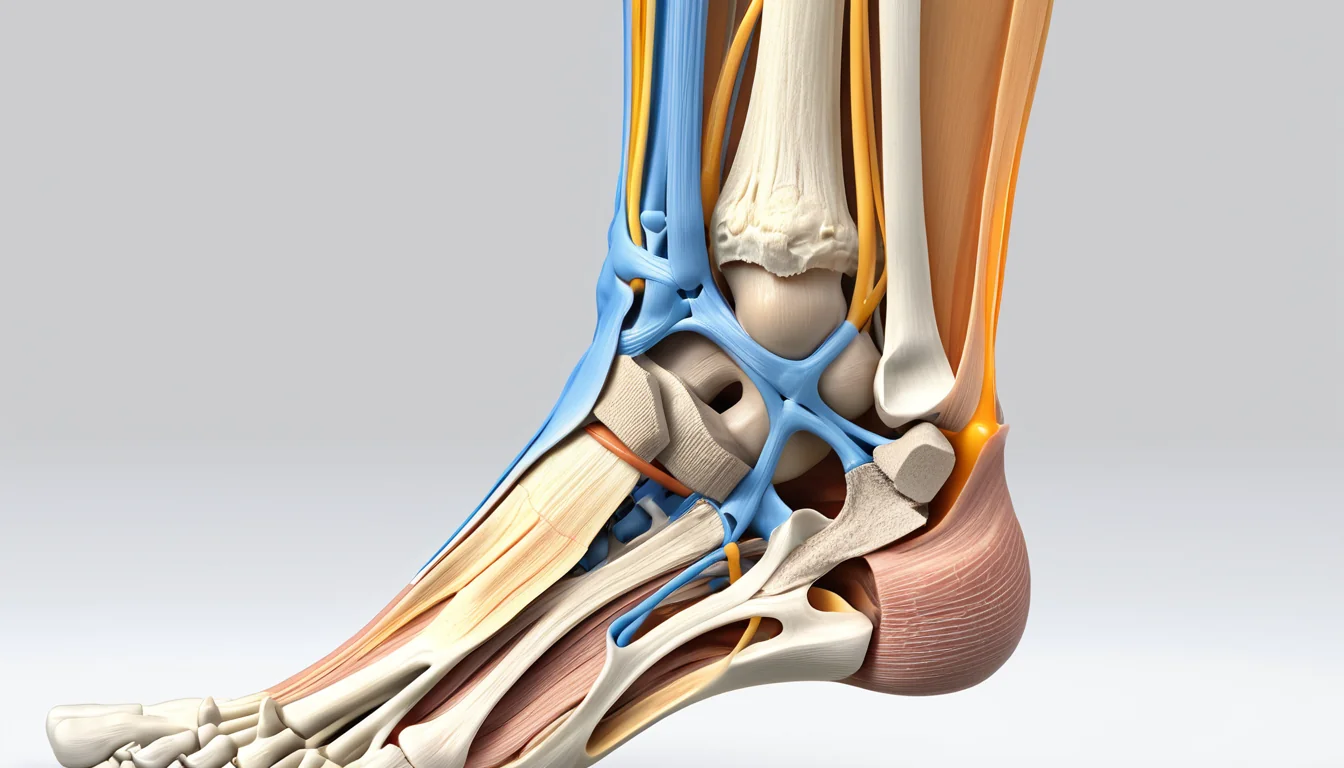
An ankle sprain is one of the most common musculoskeletal injuries Canadians face — whether it happens on a hiking trail in the Rockies, a basketball court, or simply stepping off a curb the wrong way. It occurs when the ligaments connecting the bones in your ankle stretch beyond their normal range or tear, causing pain, swelling, and difficulty walking.
How to Treat an Ankle Sprain: A Step-by-Step Guide for Canadians
Without proper sprained ankle treatment, what starts as a minor injury can develop into chronic instability and long-term joint problems. The good news is that most Canadians recover fully with the right care, from first aid to rehabilitation exercises. In this guide, we cover everything you need to know about recognizing ankle sprain symptoms, getting effective treatment, and returning safely to the activities you love.
What Is an Ankle Sprain?
| Grade | Ligament Damage | Symptoms | Recommended Management |
|---|---|---|---|
| Grade I (Mild) | Microscopic tearing; ligament fibres stretched but intact | Mild tenderness, minimal swelling, little to no bruising, able to bear weight | RICE method (Rest, Ice, Compression, Elevation); return to activity in 1–3 weeks |
| Grade II (Moderate) | Partial ligament tear; some structural damage present | Moderate swelling, bruising, pain with weight-bearing, reduced range of motion | RICE method, physiotherapy, supportive bracing; recovery typically 3–6 weeks |
| Grade III (Severe) | Complete ligament rupture; significant joint instability | Severe swelling and bruising, inability to bear weight, significant joint laxity | Immobilization, referral to orthopedic specialist, physiotherapy; recovery 3–6 months |
| High Ankle Sprain | Damage to syndesmotic ligaments connecting tibia and fibula | Pain above the ankle joint, worsens with rotation, prolonged swelling | Extended rest, possible surgical intervention, physiotherapy; recovery 6–12 weeks or longer |
Your ankle is held together by ligaments — tough, flexible bands of tissue that connect bones and keep the joint stable. When you twist or roll your ankle, those ligaments can stretch beyond their normal range. In more serious cases, one or more ligaments can tear completely.
An ankle sprain is different from a fracture, which involves a broken bone. However, the two injuries can feel very similar. That is why it is important to have a health professional assess any significant ankle injury. You can learn more about how ligament injuries work from the Mayo Clinic’s guide on sprained ankles.
Common Causes of an Ankle Sprain
Ankle sprains usually happen when the foot suddenly twists inward or outward. This forces the ankle joint into an unnatural position. As a result, the ligaments on one side of the ankle get overstretched or torn.
Everyday Situations That Can Cause a Sprain
You do not have to be an athlete to sprain your ankle. Many sprains happen during ordinary daily activities. For example, walking on uneven ground, missing a step on a staircase, or wearing unsupportive footwear can all lead to a sprain.
In addition, people who have sprained their ankle before are at higher risk. A previously injured ankle has weaker ligaments and less stability, making it easier to injure again.
Recognising the Symptoms of an Ankle Sprain
Knowing the symptoms of an ankle sprain helps you respond quickly and get the right care. Symptoms can range from mild to severe, depending on how badly the ligament is damaged.
Signs You May Have Sprained Your Ankle
- Hearing or feeling a popping or cracking sound at the moment of injury
- Sudden, sharp pain around the ankle joint
- Swelling that develops quickly around the ankle or lower leg
- Bruising or discolouration of the skin near the injury
- Difficulty bearing weight or standing on the affected foot
- Visible deformity or unusual shape around the ankle
- Tenderness when you touch the outer or inner ankle area
If you notice any of these signs — especially an inability to put weight on the foot — you should seek medical attention promptly. Swelling that grows rapidly or a visible deformity may indicate a more serious injury, such as a fracture.
First Aid for an Ankle Sprain: The RICE Method
The first step in treating an ankle sprain is immediate first aid. The goal is to control pain and reduce swelling in the soft tissues around the joint. The most widely recommended approach is known as the RICE method.
RICE stands for Rest, Ice, Compression, and Elevation. It is a simple, effective strategy that you can start at home right away. Apply RICE within the first 72 hours after the injury for the best results.
Rest
Avoid putting weight on the injured ankle as much as possible. If walking is necessary, move carefully and only as far as you can without significant pain. Continuing to push through the pain can make the injury worse.
Ice
Apply a cold pack or crushed ice in a sealed plastic bag to the injured area. Keep the skin dry by placing a thin cloth between the ice and your skin. Apply ice for 15 to 20 minutes every three to four hours during the first few days.
Never apply ice directly to bare skin for extended periods. Doing so can cause frostbite or skin damage. A bag of frozen peas wrapped in a tea towel works well if you do not have an ice pack on hand.
Compression
Wrap the ankle with an elastic bandage to help reduce swelling. The wrap should be firm but not so tight that it cuts off circulation. Watch for numbness, tingling, or increased swelling below the bandage — these are signs the wrap is too tight. Wear the bandage consistently, including during sleep, in the first few days.
Elevation
Raise your injured ankle above the level of your heart as often as possible. Lying on a couch with your foot propped up on cushions is a simple and effective way to do this. Elevation helps reduce swelling by encouraging fluid to drain away from the injury site.
For more detail on managing acute soft tissue injuries, Healthline offers a thorough overview of ankle sprain treatment.
Pain Relief and Medication
Over-the-counter pain relievers can help manage discomfort from an ankle sprain. Ibuprofen (such as Advil or Motrin) is often recommended because it reduces both pain and inflammation. Follow the dosage instructions on the package and take it with food to protect your stomach.
It is generally best to avoid aspirin for ankle sprains. Aspirin can increase bleeding in the injured tissues, which may worsen swelling and bruising. If you are unsure which medication is right for you, ask your pharmacist — they are a great, accessible resource across Canada.
Always check with your family doctor or pharmacist before taking any medication, especially if you have existing health conditions or take other prescriptions.
When to See a Doctor for an Ankle Sprain
Many mild ankle sprains can be managed at home with the RICE method. However, some injuries require professional medical care. It is important to know when to seek help.
Visit a Walk-In Clinic or Your Family Doctor If You Notice:
- You cannot put any weight on the foot at all
- The swelling is severe or gets worse after 48 to 72 hours
- You heard or felt a loud pop at the time of injury
- The pain does not improve with rest and ice after a few days
- You have significant bruising spreading up the leg
- The ankle looks visibly deformed or out of place
- You have injured the same ankle multiple times before
Most Canadians can access care quickly through a walk-in clinic if their family doctor is not immediately available. In cases where the ankle looks deformed or the pain is severe, go to your nearest emergency department or call 811 (Health Link) for guidance. Your provincial health plan covers these visits, so do not delay getting checked out.
A doctor may order an X-ray to rule out a fracture. In more serious sprains, a referral to a physiotherapist or orthopaedic specialist may be recommended. Physiotherapy plays an important role in restoring strength and stability to a sprained ankle.
Recovery and Returning to Activity
Recovery time from an ankle sprain depends on the severity of the injury. Mild sprains often improve within one to two weeks. More severe sprains involving a full ligament tear may take six weeks or longer to heal properly.
Grades of Ankle Sprains
Doctors often classify ankle sprains into three grades. A Grade 1 sprain involves minor stretching of the ligament with little or no tearing. A Grade 2 sprain involves a partial tear, causing moderate pain and instability. A Grade 3 sprain is a complete ligament tear and is the most serious type, often requiring extended rehabilitation.
Returning to activity too soon is a common mistake. It increases the risk of re-injury and chronic ankle instability. Follow your healthcare provider’s advice on when it is safe to resume exercise or sport.
Exercises for Recovery
Once the initial swelling has gone down, gentle range-of-motion exercises can help restore flexibility and strength. Your doctor or physiotherapist can guide you through appropriate exercises. Balance and stability training is especially important to prevent future sprains. The Health Canada website offers guidance on staying active safely during recovery.
Frequently Asked Questions About Ankle Sprains
How do I know if my ankle is sprained or broken?
Both an ankle sprain and a fracture can cause pain, swelling, and bruising, making them hard to tell apart without an X-ray. If you cannot bear any weight on the foot, or if the ankle looks deformed, you should see a doctor right away. A healthcare provider can examine the injury and order imaging if needed to confirm the diagnosis.
How long does an ankle sprain take to heal?
A mild ankle sprain may heal within one to two weeks with proper rest and care. More severe sprains involving significant ligament damage can take six weeks or more to recover fully. Following your doctor’s or physiotherapist’s advice will help you heal safely and reduce the chance of re-injury.
Should I go to a walk-in clinic for a sprained ankle?
Yes — if your ankle sprain is causing significant pain, major swelling, or you cannot put weight on the foot, visiting a walk-in clinic or your family doctor is a good idea. They can assess whether a fracture or serious ligament tear is involved. Most provincial health plans in Canada cover this type of visit at no direct cost to you.
Can I walk on a sprained ankle?
You can walk on a sprained ankle if the pain allows you to do so without a significant limp. However, it is best to rest as much as possible in the first 48 to 72 hours to allow healing to begin. If walking causes sharp pain or worsens the swelling, avoid it and seek medical advice.
Is heat or ice better for an ankle sprain?
Ice is recommended during the first 48 to 72 hours after an ankle sprain to reduce swelling and numb pain. Heat should be avoided in the early stages because it can increase inflammation and worsen swelling. After the initial swelling has settled, some people find gentle warmth helpful for loosening stiff tissues — ask your doctor or physiotherapist for personalised advice.
What happens if you leave an ankle sprain untreated?
According to Mayo Clinic’s guide to sprained ankle symptoms and causes, this information is supported by current medical research.
For more information, read our guide on sacroiliac joint pain causes, symptoms and treatment.
Ignoring an ankle sprain and not treating it properly can lead to chronic pain, ongoing instability, and a much higher risk of spraining the same ankle again in the future. Over time, untreated sprains can contribute to joint damage and long-term mobility problems. Prompt and appropriate care — including rest, ice, and medical assessment when needed — greatly improves outcomes.
Key Takeaways
- An ankle sprain happens when ligaments in the ankle are stretched or torn, usually from twisting the foot
- Common symptoms include pain, rapid swelling, bruising, and difficulty bearing weight
- Start first aid immediately using the RICE method — Rest, Ice, Compression, and Elevation — within the first 72 hours
- Use ibuprofen for pain relief; avoid aspirin, which can increase bleeding in injured tissues
- See your family doctor or a walk-in clinic if the pain is severe, swelling does not improve, or you cannot walk without significant pain
- Most ankle sprains heal well with proper care, but returning to activity too soon raises the risk of re-injury
- Physiotherapy can help restore strength and balance, especially after a moderate or severe sprain
- Always consult a qualified healthcare professional for any ankle injury — this article is for general information only and does not replace medical advice.
Frequently Asked Questions
What is an ankle sprain?
An ankle sprain is an injury where the ligaments supporting the ankle are stretched or torn, usually from the foot rolling or twisting awkwardly. It is one of the most common musculoskeletal injuries in Canada, affecting athletes and non-athletes alike. Sprains range from mild (Grade 1) to severe (Grade 3).
What are the symptoms of an ankle sprain?
Common ankle sprain symptoms include pain, swelling, bruising, tenderness to touch, and difficulty bearing weight on the affected foot. You may also notice stiffness and reduced range of motion. Severe sprains can cause significant instability, making it feel like the ankle is “giving way” when walking.
How do you treat an ankle sprain at home?
Follow the RICE method: Rest the ankle, apply Ice for 20 minutes every 2–3 hours, use Compression with a bandage to reduce swelling, and Elevate the foot above heart level. Over-the-counter anti-inflammatories like ibuprofen can help manage pain. Most mild sprains improve within one to two weeks.
When should you see a doctor for an ankle sprain?
See a doctor if you cannot bear any weight on the ankle, experience severe swelling or bruising, hear a popping sound at the time of injury, or show no improvement after 2–3 days of home treatment. These signs may indicate a fracture or severe ligament tear requiring imaging and professional care.
How can you prevent ankle sprains?
Prevent ankle sprains by wearing properly fitted, supportive footwear and warming up before physical activity. Strengthening ankle and lower leg muscles through balance and stability exercises significantly reduces injury risk. Using ankle braces or taping during high-risk sports and avoiding uneven surfaces also provides effective protection.

About the Author
Dr. James Okafor, MD, PhDDr. James Okafor holds an MD and PhD in Neurological Sciences from McGill University. With 12 years of experience in clinical neurology and mental health research, he has contributed to landmark studies on depression, anxiety, and cognitive health. Dr. Okafor is a Fellow of the Royal College of Physicians and Surgeons of Canada and serves on the editorial board of two peer-reviewed journals.
View all articles →