Vocal Cord Paralysis: Causes, Symptoms & Treatment Canada

Share
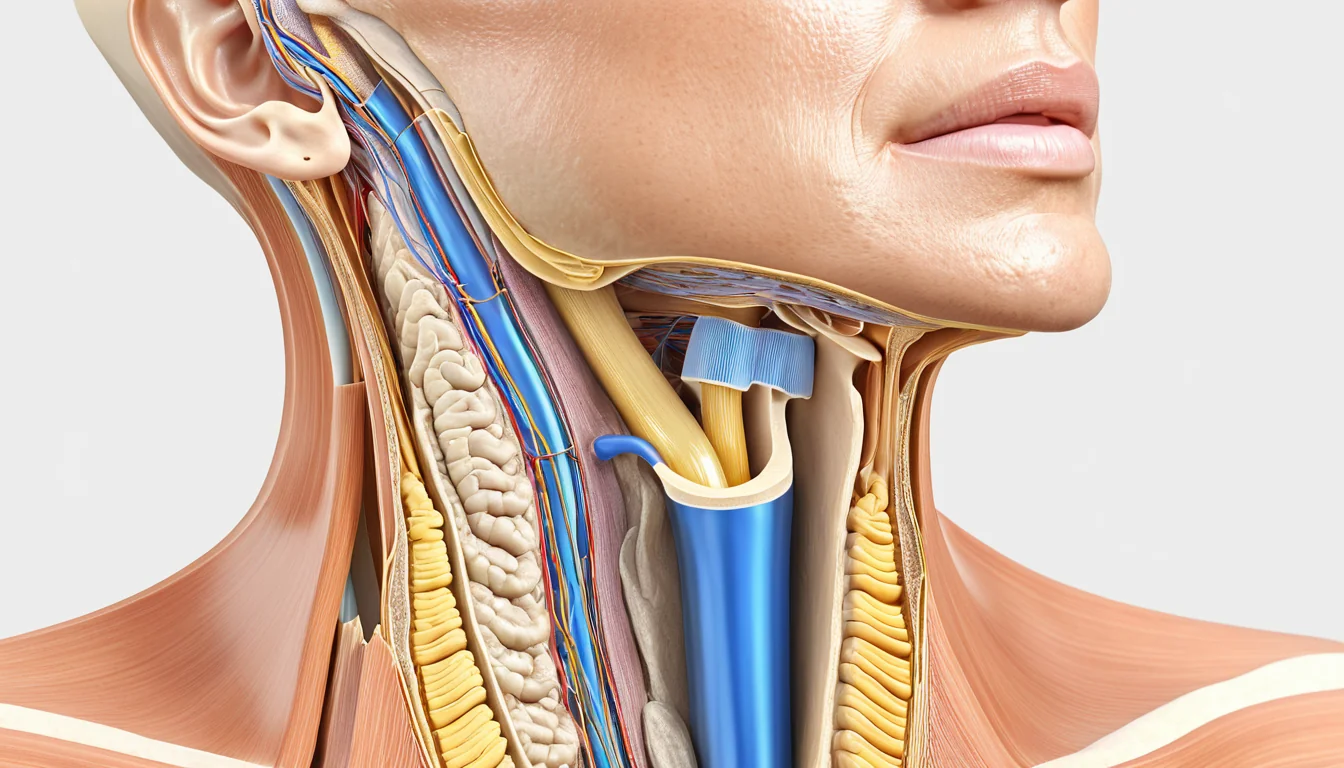
Vocal cord paralysis is a condition that affects your ability to speak, sing, and even breathe properly. It happens when one or both of the flexible muscle bands inside your voice box (larynx) stop moving as they should, because nerve signals that control them become interrupted. In Canada, this condition is diagnosed and managed by ear, nose, and throat (ENT) specialists, and it can range from mildly frustrating to medically serious.
What Is Vocal Cord Paralysis and How Does It Affect You?
Understanding the causes of a paralyzed vocal cord can help you recognize the warning signs early and get the right care faster. Whether the problem follows surgery, a stroke, or an infection, vocal cord paralysis symptoms such as hoarseness, difficulty swallowing, and shortness of breath should never be ignored. This guide covers everything Canadian patients need to know about diagnosis, complications, and when to seek medical attention.
What Is Vocal Cord Paralysis?
| Treatment Option | How It Works | Key Benefits | Considerations |
|---|---|---|---|
| Voice Therapy | A speech-language pathologist guides exercises to strengthen surrounding muscles and improve voice quality | Non-invasive; often first-line treatment; can resolve mild cases without surgery | Requires multiple sessions; results vary; may not be sufficient for severe paralysis |
| Vocal Cord Injection (Augmentation) | A filler material (e.g., collagen, fat, or hyaluronic acid) is injected to bulk up the paralyzed cord and improve closure | Minimally invasive; can be performed in-office; provides relatively quick symptom relief | Effects may be temporary (3–12 months); repeat procedures may be needed |
| Thyroplasty (Medialization Laryngoplasty) | A small implant is surgically inserted through the thyroid cartilage to push the paralyzed cord toward the midline | Long-lasting or permanent results; adjustable during surgery while patient phonates | Requires general or local anaesthesia; surgical risks apply; performed in hospital settings across Canada |
| Reinnervation Surgery | Nerve grafting techniques reconnect or reroute nerves to restore muscle tone to the paralyzed cord | Addresses underlying nerve damage; can provide durable improvement in voice and airway function | Results may take 6–12 months to appear; specialized surgical expertise required; limited availability in Canada |
| Tracheostomy | A surgical opening is created in the trachea to bypass the larynx and maintain a safe airway | Critical intervention for bilateral vocal cord paralysis causing severe breathing difficulty | Significantly impacts quality of life; requires ongoing care; considered when other options are insufficient |
Your vocal cords are two flexible bands of muscle tissue sitting at the entrance to your windpipe (trachea). When you speak, these bands come together and vibrate to create sound. When you breathe, they relax and stay open so air can flow freely in and out of your lungs.
With vocal cord paralysis, the nerve signals that tell these muscles to move are interrupted. As a result, one or both cords can become stuck in either an open or closed position. This affects not just your voice, but also your ability to swallow safely and breathe comfortably.
In most cases, only one vocal cord is affected. However, when both cords are paralysed — especially in the closed position — breathing can become dangerously difficult. This is a medical emergency that requires immediate attention.
Common Causes of Vocal Cord Paralysis
Doctors cannot always find the exact cause of vocal cord paralysis. In fact, roughly half of all cases have no clear explanation. However, there are several known causes that doctors look for first.
Surgical Injury to the Nerves
Surgery on the neck or upper chest carries a risk of damaging the nerves that control the voice box (larynx). Operations on the thyroid gland, oesophagus, neck, or chest are the most commonly associated procedures. The injury may be intentional — for example, when a tumour has wrapped around the nerve — or it may be accidental.
Trauma to the Neck or Chest
A serious injury to your neck or chest can damage the nerves connected to your vocal cords. Car accidents, sports injuries, or falls can all cause this type of nerve damage. In some cases, the voice box itself may be injured directly.
Stroke
A stroke cuts off blood flow to parts of the brain. If the affected area controls the muscles of the voice box, vocal cord paralysis can result. This is one reason why voice changes are sometimes a warning sign of a stroke.
Tumours
Both cancerous and non-cancerous tumours can press on or grow around the nerves that serve the vocal cords. Thyroid cancer and lung tumours are among the most common causes in this category. This is why unexplained voice changes are always worth investigating.
Inflammation and Infection
Some viral infections can inflame and directly damage the nerves of the larynx. In addition, conditions like arthritis can cause inflammation around the tiny joints of the vocal cords. This swelling and scarring can prevent the cords from opening and closing properly, mimicking the signs of true nerve paralysis.
Neurological Conditions
Certain neurological conditions — such as multiple sclerosis (MS) — can affect nerve function throughout the body, including in the voice box. These conditions are more likely to cause vocal cord weakness than full paralysis. Therefore, your doctor may look at your full neurological health as part of your assessment.
Recognising the Symptoms
The symptoms of vocal cord paralysis depend on whether one or both cords are affected, and on the position in which the paralysed cord is stuck. Symptoms can appear gradually or come on quite suddenly.
Voice Changes
The most noticeable symptom is usually a change in your voice. Your voice may sound breathy, hoarse, or weak. You may find it difficult to speak loudly, or your voice may tire quickly during a conversation.
Swallowing and Choking Problems
Your vocal cords do more than produce sound — they also protect your airway. When they are not working properly, food, liquids, or even saliva can slip into your windpipe instead of your stomach. This can cause frequent choking or coughing while eating or drinking.
Breathing Difficulties
If a vocal cord is stuck in the closed position, it narrows the airway and makes breathing harder. When both cords are paralysed in the closed position, breathing can be severely restricted. This is a serious situation that requires urgent medical care — do not wait to see your family doctor in this case. Go directly to your nearest emergency department or call 911.
A full list of common symptoms includes:
- A breathy or hoarse voice
- A weak voice that tires easily
- Difficulty speaking loudly
- Choking or coughing when swallowing food, liquids, or saliva
- Needing to take frequent breaths while speaking
- An ineffective or weak cough
- Noisy or laboured breathing
How Doctors Diagnose Vocal Cord Paralysis
If you visit your family doctor or a walk-in clinic with concerns about your voice, you will likely be referred to an ENT specialist. This doctor focuses on conditions of the ear, nose, and throat. The diagnosis of vocal cord paralysis usually involves a combination of physical examination and tests.
Laryngoscopy (Endoscopy of the Throat)
The specialist will use a small mirror or a thin, flexible tube with a light and camera — called an endoscope — to look directly at your vocal cords. This allows the doctor to see whether one or both cords are affected and what position they are stuck in. The procedure is quick and usually done in the specialist’s office.
Laryngeal Electromyography (EMG)
This test measures the electrical signals passing through the muscles of your voice box. By studying the pattern of these signals, your doctor can assess how severe the nerve damage is. Small needles are placed into the vocal cord muscles to take the measurements. Furthermore, the results help guide treatment decisions.
Blood Tests and Imaging
Because many different conditions can cause nerve damage, your doctor may order additional tests. These can include blood tests, X-rays, a CT scan (computed tomography), or an MRI (magnetic resonance imaging). These tests help rule out tumours, infections, or other underlying causes. These diagnostic services are covered under most provincial health plans when ordered by a licensed physician.
When to See a Doctor
Do not ignore a voice change that lasts more than three weeks. A hoarse or breathy voice that lingers — especially without an obvious cause like a cold — should be checked by a healthcare professional.
You can start by visiting your family doctor, who can assess your symptoms and refer you to an ENT specialist if needed. If you do not have a family doctor, a walk-in clinic is a good first step. Many provinces also offer health advice lines, such as Health811 in Ontario or 8-1-1 in British Columbia, where a registered nurse can help you decide on the right next step.
Seek emergency care right away if you experience:
- Sudden difficulty breathing
- A high-pitched noise when breathing in (called stridor)
- Severe choking that does not resolve
- Sudden voice loss combined with other stroke symptoms (facial drooping, arm weakness, speech difficulty)
As always, this article is meant to inform — not replace — professional medical advice. Please speak with your doctor about any concerns specific to your health.
Possible Complications
When vocal cord paralysis is left untreated, it can lead to more serious problems over time. Breathing difficulties can range from mild to life-threatening, depending on the position of the paralysed cord and whether one or both cords are affected.
Repeated aspiration — where food or liquid enters the airway — can lead to aspiration pneumonia, a serious lung infection. In addition, a weak or ineffective cough makes it harder for your body to clear your airway naturally. Therefore, early diagnosis and treatment are important to prevent these complications. Learn more about vocal cord paralysis complications and treatment options from Healthline.
Frequently Asked Questions
Can vocal cord paralysis heal on its own?
In some cases, yes. Vocal cord paralysis caused by nerve damage may improve on its own within 6 to 12 months, especially if the cause was a viral infection or temporary surgical trauma. However, you should still see a doctor to monitor your condition and discuss whether treatment is needed to protect your airway and improve your voice.
What does vocal cord paralysis feel like?
Most people with vocal cord paralysis notice a hoarse, breathy, or weak voice first. You may also feel like you run out of breath quickly when speaking, or you may cough and choke when swallowing food or liquids. Some people also feel a constant urge to clear their throat.
Is vocal cord paralysis covered under provincial health plans in Canada?
Yes, diagnosis and medically necessary treatment for vocal cord paralysis are generally covered under provincial and territorial health plans when referred by a licensed physician. This includes specialist visits, endoscopy, CT scans, and MRIs. However, some speech therapy sessions may require additional coverage depending on your province and supplemental insurance.
What is the difference between one-sided and two-sided vocal cord paralysis?
One-sided (unilateral) vocal cord paralysis is much more common and typically causes voice problems like hoarseness or breathiness. Two-sided (bilateral) vocal cord paralysis affects both cords and is more serious, often causing significant breathing difficulties. Bilateral paralysis — especially when both cords are stuck closed — can be a medical emergency.
Can thyroid surgery cause vocal cord paralysis?
Yes, thyroid surgery is one of the most common causes of vocal cord paralysis because the recurrent laryngeal nerve — which controls the vocal cords — runs very close to the thyroid gland. Damage to this nerve during surgery can result in temporary or permanent paralysis. If you are scheduled for thyroid surgery, ask your surgeon about this risk beforehand.
How is vocal cord paralysis treated?
According to Mayo Clinic’s overview of vocal cord paralysis, this information is supported by current medical research.
For more information, read our guide on trauma-related injuries like bone fractures.
Treatment for vocal cord paralysis depends on the cause, severity, and how long you have had symptoms. Options include voice therapy with a speech-language pathologist, injections to add bulk to the paralysed cord, and surgical procedures to reposition the cord. Your ENT specialist will recommend the best approach based on your individual situation.
Key Takeaways
- Vocal cord paralysis occurs when nerve signals to the voice box are interrupted, affecting one or both vocal cords.
- Common causes include surgery on the neck or chest, stroke, tumours, viral infections, and neurological conditions.
- Symptoms include a hoarse or breathy voice, choking when swallowing, difficulty breathing, and a weak cough.
- Diagnosis is usually made by an ENT specialist using endoscopy, laryngeal EMG, blood tests, or imaging.
- If you have had a hoarse voice for more than three weeks, see your family doctor or visit a walk-in clinic.
- Sudden breathing difficulty is a medical emergency — call 911 or go to your nearest emergency department immediately.
- Many cases improve with treatment, and provincial health plans generally cover medically necessary care.
Frequently Asked Questions
What is vocal cord paralysis?
Vocal cord paralysis occurs when one or both vocal cords cannot move properly due to nerve damage. The nerves controlling the vocal cords may be affected by injury, surgery, tumours, or neurological conditions. It can impair speaking, swallowing, and breathing, ranging from mild hoarseness to serious respiratory complications.
What are the symptoms of vocal cord paralysis?
Common symptoms include hoarseness, a breathy or weak voice, difficulty swallowing, frequent choking or coughing, noisy breathing, and loss of vocal pitch. Some people experience shortness of breath during physical activity. Symptoms vary depending on whether one or both vocal cords are affected.
How is vocal cord paralysis treated in Canada?
Treatment options include voice therapy with a speech-language pathologist, vocal cord injection to bulk up the affected cord, thyroplasty surgery to reposition the cord, or tracheotomy for severe breathing difficulties. The best approach depends on the underlying cause, severity, and whether paralysis is temporary or permanent.
Can vocal cord paralysis be prevented?
Not all cases are preventable, but risk can be reduced by informing surgeons of any prior neck or chest surgeries, seeking prompt treatment for infections, and managing neurological conditions carefully. Avoiding smoking and protecting the throat from injury also supports overall vocal cord health.
When should you see a doctor for vocal cord paralysis?
See a doctor promptly if you experience sudden hoarseness lasting more than two to three weeks, difficulty breathing or swallowing, choking on liquids, or a complete loss of voice. These symptoms may indicate a serious underlying condition requiring urgent medical evaluation and timely treatment.

About the Author
Dr. James Okafor, MD, PhDDr. James Okafor holds an MD and PhD in Neurological Sciences from McGill University. With 12 years of experience in clinical neurology and mental health research, he has contributed to landmark studies on depression, anxiety, and cognitive health. Dr. Okafor is a Fellow of the Royal College of Physicians and Surgeons of Canada and serves on the editorial board of two peer-reviewed journals.
View all articles →