
Humeral Shaft Fracture: Causes, Symptoms & Treatment

Share
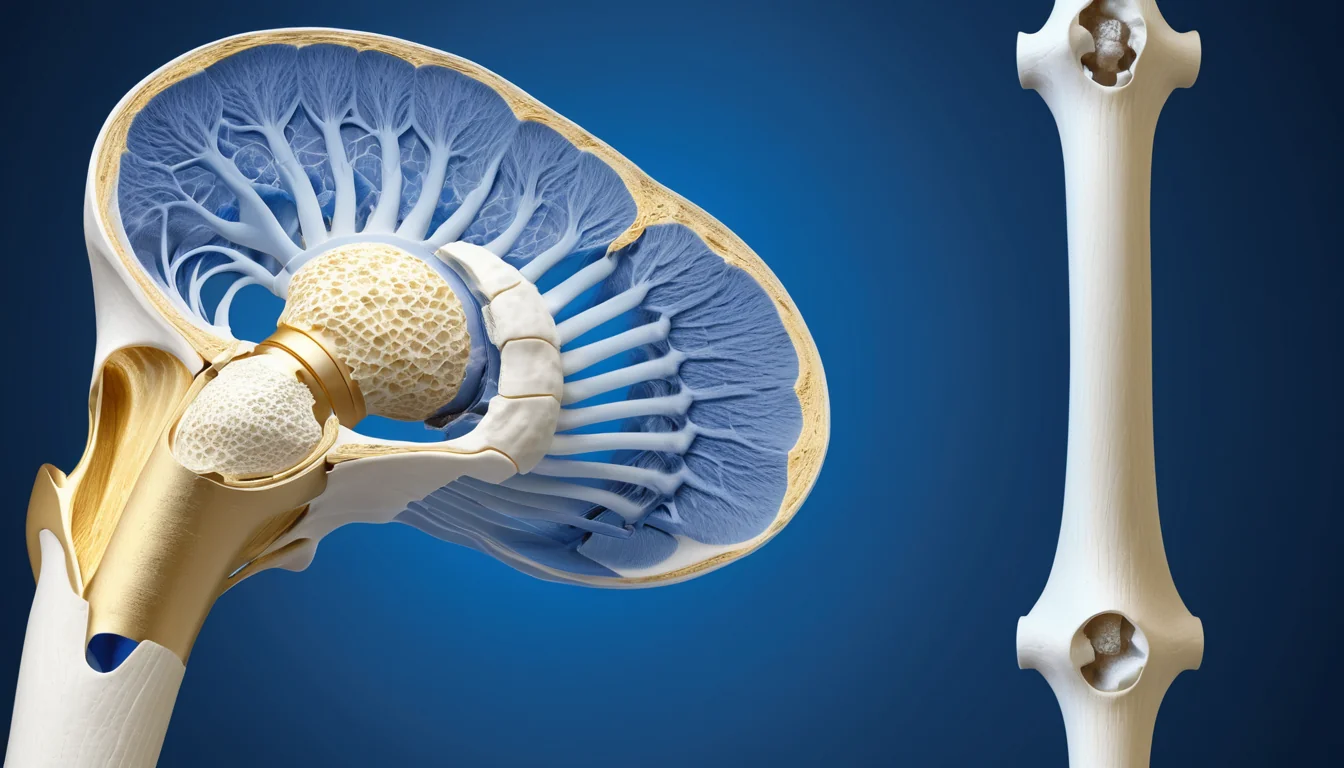
A humeral shaft fracture is a break in the long middle section of your upper arm bone, known as the humerus, and it is one of the most common arm injuries treated across Canada. Whether caused by a fall, a sports collision, or a motor vehicle accident, this injury can affect your daily life and requires prompt medical attention.
How Doctors Diagnose and Treat a Humeral Shaft Fracture
Understanding the causes, symptoms, and humerus fracture treatment options can help you make informed decisions about your care. In this guide written for Canadians, we explain how doctors diagnose this type of upper arm bone fracture, what complications to watch for, how long recovery takes, and when you should visit your family doctor, specialist, or nearest emergency department.
What Is a Humeral Shaft Fracture?
| Treatment Option | Best Suited For | Benefits | Key Considerations |
|---|---|---|---|
| Functional Bracing (Sarmiento Brace) | Closed, minimally displaced fractures | Non-invasive; preserves shoulder and elbow motion; low infection risk; first-line approach in most Canadian centres | Requires patient compliance; weekly follow-up X-rays; swelling management needed; healing takes 8–12 weeks |
| Intramedullary Nailing | Transverse or short oblique fractures; pathological fractures | Strong rotational stability; allows early weight-bearing; shorter operative time | Risk of shoulder impingement; potential rotator cuff injury during nail insertion; not ideal for proximal fractures |
| Open Reduction and Internal Fixation (ORIF) with Plate | Fractures with radial nerve palsy, failed conservative treatment, or multiple trauma | Direct nerve exploration possible; high union rates (95%+); rigid fixation enables early mobilization | Larger surgical incision; infection and blood loss risk; requires experienced orthopaedic surgeon |
| External Fixation | Open fractures, severely contaminated wounds, or polytrauma patients | Rapid application; preserves soft tissue; useful as temporary stabilization in trauma centres | Pin site infection risk; limited long-term use; typically a bridge to definitive fixation |
| Physical and Occupational Therapy | All patients during and after primary treatment | Restores range of motion, strength, and function; reduces long-term disability; covered under most provincial health plans | Duration varies (3–6 months); adherence to home exercise program is essential for full recovery |
Your upper arm contains one bone: the humerus. The humeral shaft is the long, straight middle portion of that bone. A fracture in this region means the bone has cracked or broken completely.
Long bones like the humerus allow your arm to move in many directions. They also carry a lot of stress during everyday activities. When that stress exceeds what the bone can handle, a fracture occurs.
Humeral shaft fractures are most common in adults between the ages of 20 and 50. They are much less frequent in children and older adults. However, a special case called an obstetric fracture can occur in newborns during a difficult delivery when the arm is pulled with too much force.
Common Causes and Fracture Patterns
Most humeral shaft fractures happen through an indirect mechanism. This means the force travels through the arm rather than hitting it directly.
For example, falling onto an outstretched hand or elbow sends a twisting or bending force up the arm. This often produces a spiral-shaped or angled fracture line. Direct blows to the upper arm — from a car accident or a hard impact in contact sports — can also break the shaft, though this is less common.
Types of Fracture Patterns
- Spiral fracture: Caused by a twisting force. The break winds around the bone like a corkscrew.
- Oblique fracture: An angled break, often from a bending force.
- Transverse fracture: A straight across break, typically from a direct impact.
The pattern of the break helps your doctor decide the best treatment approach. For more background on how bone fractures are classified, Mayo Clinic offers a helpful overview of arm fractures and their causes.
Symptoms of a Humeral Shaft Fracture
When a humeral shaft fracture happens, you will usually know something is seriously wrong. Symptoms appear immediately and can be intense.
General Symptoms
These affect your whole body and can include restlessness, anxiety, and a pale or clammy appearance. In severe cases — especially with multiple injuries — your body may go into shock. This is more likely when other organs or multiple bones are involved.
Local Symptoms at the Injury Site
These are the signs that point directly to the broken bone. They fall into two groups: probable signs and definite signs.
Probable signs suggest a fracture but do not confirm it on their own. They include:
- Sharp, fixed pain at one spot on the upper arm
- Inability to move or use the arm normally (called functional impairment)
- Swelling and bruising around the injury site
- Visible deformity or an unnatural shape to the upper arm
- Shortening of the arm compared to the other side
Definite signs confirm that a fracture has occurred. These include:
- Abnormal movement in the middle of the upper arm
- A grating or crunching sensation (called crepitus) when the arm moves
- A clear break in the bone felt or seen on imaging
- Movement in the lower arm that does not transmit to the upper arm
Note that with an incomplete fracture — sometimes called a hairline fracture — only the probable signs may be present. That is why imaging is always needed to confirm the diagnosis.
How Doctors Diagnose a Humeral Shaft Fracture
Your doctor will start with a physical examination of your arm, shoulder, and elbow. They will check your strength, sensation, and circulation below the injury site.
An X-ray of the humerus is the standard test. It confirms the fracture, shows the exact location, and reveals the pattern of the break. Your doctor will also check whether the fracture happened in an already weakened bone.
Fractures Through Weakened Bone
Sometimes a humeral shaft fracture happens with very little force. This can be a sign of a pathological fracture — a break through bone that has been weakened by disease. The humerus is a common site for bone metastases from cancers of the breast, lung, and kidney. If a pathological fracture is suspected, your doctor may order further imaging or bloodwork.
Possible Complications
Complications from a humeral shaft fracture can develop right away or weeks later. Understanding these risks helps you know what to watch for during recovery.
Radial Nerve Injury
The most common immediate complication is injury to the radial nerve. This nerve runs along a groove in the humerus and controls movement and sensation in part of your hand and wrist. When it is damaged, you may develop wrist drop — an inability to lift your wrist or fingers. This condition often improves on its own once the fracture heals. However, if there are no signs of nerve recovery after six to eight weeks, a procedure called neurolysis may be needed to release the nerve.
Blood Vessel Damage
In rare cases, blood vessels near the fracture site can be injured. This is a serious complication that requires urgent medical attention. Signs include a cold, pale, or pulseless hand below the injury.
Long-Term Complications
Over time, the most common long-term complication is post-traumatic arthritis (arthrosis) in the nearby joints. In addition, the bone may heal with a slight angle. This is called a malunion or vicious callus. In most cases, this is well-tolerated and does not cause problems. However, if the angulation exceeds 20 to 30 degrees, there is significant rotation, or the arm shortens by more than 3 centimetres, it may affect function.
Another possible long-term complication is nonunion (pseudarthrosis), where the bone fails to heal completely. This requires surgical correction.
Treatment Options for a Humeral Shaft Fracture
The good news is that most humeral shaft fractures heal well without surgery. Your treatment plan will depend on the type of fracture, your age, and your overall health.
Non-Surgical (Conservative) Treatment
Conservative treatment works for the majority of humeral shaft fractures. The weight of your arm itself helps pull the bone fragments into the correct position — a process called closed reduction.
Once the bone is aligned, your arm is placed in a cast or brace. This may be a thoracobrachial cast (which wraps your chest and upper arm) or a hanging cast that uses gravity to keep gentle traction on the bone. A hanging cast is typically worn for two to three weeks, then replaced with a different brace for another three weeks.
Functional bracing — a removable brace that allows some movement — is also a popular and effective non-surgical option for many patients. Healthline explains how functional bracing supports humeral shaft fracture recovery.
Surgical Treatment
Surgery is recommended in certain situations, including:
- Fractures that cannot be properly aligned with conservative methods
- Transverse fractures with bone fragment interposition
- Pathological fractures through diseased bone
- Open fractures (where bone breaks through the skin)
- Fractures in patients with multiple injuries
For oblique fractures, surgeons often use intramedullary nails or pins (rods placed inside the bone). For transverse fractures, a compression plate and screws are usually preferred. When a nonunion occurs, surgeons may also use a bone graft — taken from another part of your own body — to stimulate healing.
When to See a Doctor
If you injure your upper arm and notice severe pain, swelling, visible deformity, or difficulty moving your arm, seek medical attention right away. Do not try to move or straighten the arm yourself.
In Canada, you can go to your nearest emergency department for an acute injury. If your pain is manageable and there is no deformity, a walk-in clinic can assess you and arrange X-rays. Your family doctor can also coordinate a referral to an orthopaedic specialist if needed through your provincial health plan.
If you experience numbness, tingling, or weakness in your hand or wrist after an upper arm injury, this may indicate nerve involvement. Seek care urgently. Always follow up with your doctor or specialist throughout your recovery, as healing timelines vary for every person. This article is for general information only — please consult a qualified healthcare provider for advice specific to your situation.
Frequently Asked Questions About Humeral Shaft Fractures
How long does a humeral shaft fracture take to heal?
Most humeral shaft fractures take between 8 and 16 weeks to heal fully, depending on the severity of the break and the patient’s overall health. Non-surgical treatment with a brace or cast typically takes 10 to 12 weeks. Your doctor will monitor your progress with follow-up X-rays to confirm the bone is healing properly.
Can a humeral shaft fracture heal without surgery?
Yes — the majority of humeral shaft fractures heal successfully without surgery using a cast, hanging cast, or functional brace. The weight of the arm helps guide the bone fragments back into alignment. However, certain fracture types, open injuries, or cases with poor alignment may require surgical fixation.
What is wrist drop and does it always happen with this fracture?
Wrist drop is a condition where you cannot lift your wrist or extend your fingers, caused by injury to the radial nerve. It is the most common complication of a humeral shaft fracture, but it does not happen in every case. In most patients, nerve function returns on its own as the fracture heals over six to twelve weeks.
Is a humeral shaft fracture covered under provincial health plans in Canada?
Yes — diagnosis, casting, and necessary surgical treatment for a humeral shaft fracture are generally covered under provincial and territorial health insurance plans across Canada. Physiotherapy during recovery may be partially covered depending on your province and any supplemental insurance you carry. Check with your provincial health authority or your family doctor for details.
What are the signs that a humeral shaft fracture is not healing properly?
Signs that a humeral shaft fracture may not be healing well include persistent pain after several weeks, continued visible deformity, and no improvement in arm function. Your doctor will use follow-up X-rays to check for proper bone healing. If the bone fails to unite — a condition called nonunion — additional treatment such as surgery or bone grafting may be required.
When should I go to the emergency room for an upper arm injury?
According to Mayo Clinic’s guide to broken arm symptoms and causes, this information is supported by current medical research.
For more information, read our guide on learn more about bone fracture symptoms, first aid, and recovery in Canada.
Go to the emergency room immediately if your upper arm is visibly deformed, if you feel intense pain after a fall or impact, or if your hand feels cold, numb, or weak after the injury. These can be signs of a humeral shaft fracture with possible nerve or blood vessel involvement. Do not attempt to straighten or splint the arm yourself before getting medical help.
Key Takeaways
- A humeral shaft fracture is a break in the middle section of the upper arm bone, most common in adults.
- Most fractures happen through indirect force, such as falling on an outstretched hand or elbow.
- Symptoms include sharp localised pain, swelling, bruising, deformity, and loss of arm function.
- Diagnosis is confirmed with a physical exam and X-ray. Pathological fractures from bone disease should also be ruled out.
- The most common complication is radial nerve injury, which causes wrist drop. This usually resolves as the fracture heals.
- Most cases are treated without surgery using a cast or functional brace. Surgery is used when the bone cannot be aligned or when the fracture is complex.
- In Canada, treatment is generally covered through your provincial health plan. Your family doctor or walk-in clinic can refer you to an orthopaedic specialist.
- Always consult a qualified healthcare provider for a diagnosis and treatment plan suited to your specific condition.
Frequently Asked Questions
What is a humeral shaft fracture?
A humeral shaft fracture is a break in the long middle section of the humerus, the bone running from your shoulder to elbow. It commonly results from direct trauma, falls, or sports injuries. It accounts for roughly 3% of all fractures and can affect people of any age, though it is more common in older adults.
What are the symptoms of a humeral shaft fracture?
Common symptoms include sudden, severe upper arm pain, visible swelling or bruising, an inability to move the arm normally, and possible deformity. Some patients experience wrist drop caused by radial nerve injury. Numbness or tingling along the forearm and hand may also occur if nearby nerves are affected during the fracture.
How is a humeral shaft fracture treated in Canada?
Most humeral shaft fractures are treated non-surgically using a functional brace or coaptation splint, allowing healing over 10 to 16 weeks. Surgery, such as intramedullary nailing or plate fixation, is recommended for complex, open, or unstable fractures. Physiotherapy is essential afterward to restore strength and full range of motion.
When should you see a doctor for a broken upper arm?
Seek immediate medical attention if you experience severe arm pain after a fall or injury, visible deformity, inability to move your arm, or numbness and weakness in your hand or wrist. These signs may indicate a humeral shaft fracture or nerve damage requiring urgent imaging and professional assessment at an emergency department.
Can you prevent a humeral shaft fracture?
While accidents cannot always be avoided, you can reduce risk by maintaining bone density through calcium and vitamin D intake, regular weight-bearing exercise, and avoiding smoking. Wearing protective gear during contact sports, addressing fall hazards at home, and managing osteoporosis under a physician’s guidance significantly lowers fracture risk for Canadians.

About the Author
Dr. James Okafor, MD, PhDDr. James Okafor holds an MD and PhD in Neurological Sciences from McGill University. With 12 years of experience in clinical neurology and mental health research, he has contributed to landmark studies on depression, anxiety, and cognitive health. Dr. Okafor is a Fellow of the Royal College of Physicians and Surgeons of Canada and serves on the editorial board of two peer-reviewed journals.
View all articles →