Cow’s Milk Protein Allergy: Baby Guide for Canadians

Share
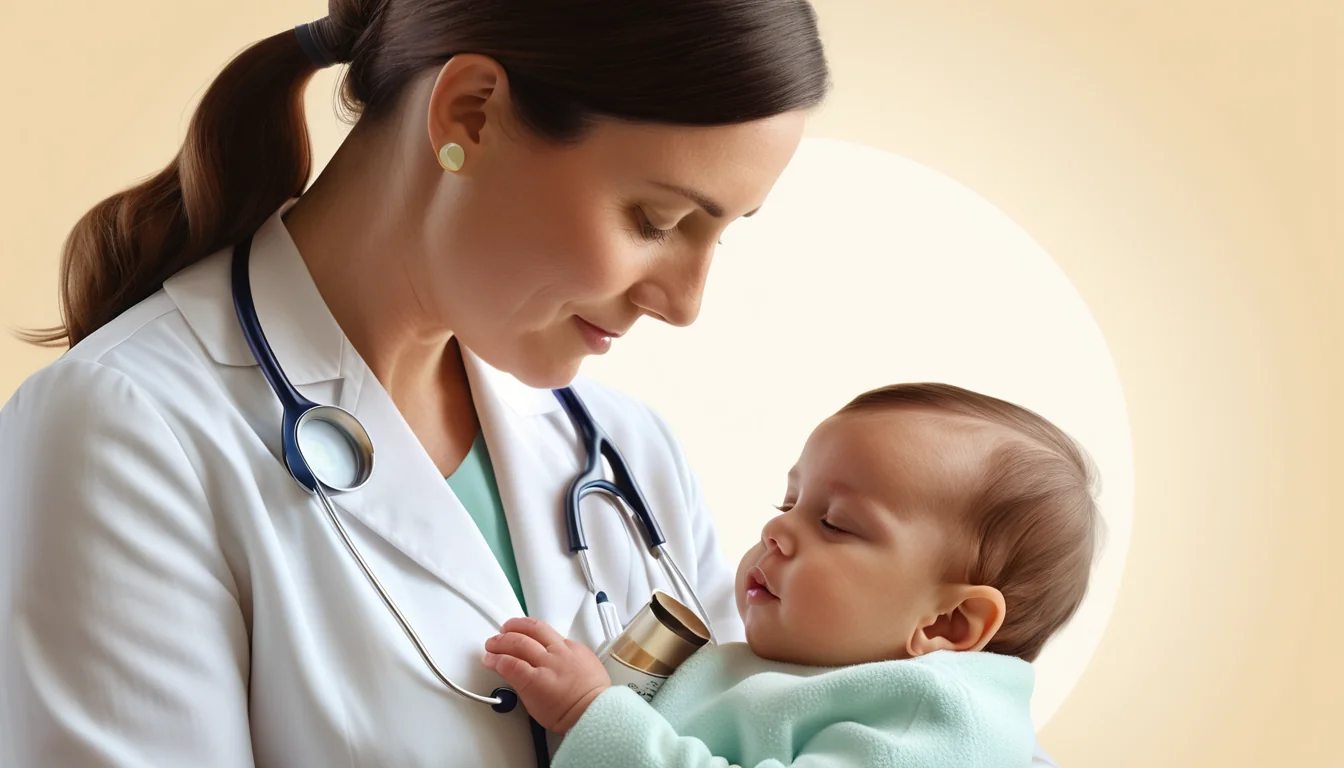
Cow’s milk protein allergy is one of the most common food allergies in Canadian infants, affecting roughly 1 in 50 babies and leaving many parents feeling worried and unsure about next steps. The good news is that most children outgrow this allergy between the ages of two and four, and with proper guidance, you can help your little one thrive.
Understanding Cow’s Milk Protein Allergy in Canadian Infants
Understanding CMPA in babies is the first step toward managing it effectively. This parent’s guide breaks down the signs, causes, and practical steps Canadian families can take — from spotting early symptoms to working with a healthcare provider for a proper diagnosis and treatment plan.
What Is Cow’s Milk Protein Allergy?
| Symptom | Description | Body System | Severity Level |
|---|---|---|---|
| Eczema or skin rash | Red, itchy, inflamed patches of skin that may appear on the face, neck, or body shortly after feeding | Skin | Mild to Moderate |
| Vomiting and reflux | Frequent spitting up or forceful vomiting after feeds, sometimes accompanied by visible discomfort or arching of the back | Gastrointestinal | Mild to Moderate |
| Persistent diarrhea or blood in stool | Loose, watery stools occurring multiple times daily, or visible blood or mucus in the stool indicating gut inflammation | Gastrointestinal | Moderate to Severe |
| Colic and excessive crying | Prolonged, inconsolable crying lasting more than three hours per day, often linked to abdominal pain and gas | Gastrointestinal | Mild to Moderate |
| Wheezing or chronic nasal congestion | Noisy breathing, persistent runny nose, or recurrent respiratory symptoms not explained by infection | Respiratory | Moderate |
| Anaphylaxis | Sudden, life-threatening reaction involving swelling of the throat, difficulty breathing, and drop in blood pressure; requires immediate emergency care | Systemic | Severe — Call 911 |
Our bodies are remarkably good at protecting us from harmful substances. However, sometimes the immune system overreacts to things that are actually harmless — like food proteins. When this happens, an allergy develops.
Cow’s milk protein allergy occurs when a baby’s immune system treats the proteins in cow’s milk as a threat. The body launches a defence response, and that response causes uncomfortable — sometimes serious — symptoms. This is different from lactose intolerance, which involves trouble digesting milk sugar rather than a reaction to protein.
According to Health Canada, milk is one of the nine most common food allergens in Canada. It is important to take this allergy seriously and get a proper diagnosis from a healthcare provider.
Signs and Symptoms of Cow’s Milk Protein Allergy
Symptoms of cow’s milk protein allergy can vary widely from baby to baby. Some reactions appear quickly after feeding, while others develop slowly over time. This can make the allergy tricky to spot without medical guidance.
Symptoms That Appear Quickly
These symptoms usually show up within minutes to a couple of hours after a feeding:
- Skin reactions: hives, rashes, or eczema flare-ups
- Swelling: around the lips, face, or eyes
- Respiratory symptoms: wheezing, coughing, or a runny nose
- Vomiting: shortly after feeding
In rare cases, a severe allergic reaction called anaphylaxis can occur. This is a medical emergency. Call 911 immediately if your baby shows signs of anaphylaxis, such as difficulty breathing or a sudden drop in energy.
Symptoms That Develop Slowly
Some symptoms of cow’s milk protein allergy build up gradually over days or weeks. These are easier to miss because they can look like other common baby problems.
- Irritability and unsettled behaviour — your baby seems unhappy, especially after feeds
- Diarrhoea that is frequent or contains blood or mucus
- Reflux or frequent spitting up beyond what is typical
- Poor weight gain or feeding difficulties
- Eczema that does not improve with standard treatment
Furthermore, a baby who is constantly unsettled and difficult to comfort may simply be experiencing the discomfort of an undiagnosed allergy. Trust your instincts as a parent and speak with your family doctor.
What Causes Cow’s Milk Protein Allergy?
The exact cause of any allergy is not fully understood. However, researchers have identified several factors that raise a baby’s risk of developing a cow’s milk protein allergy.
Family History Plays a Role
If one or both parents have an allergic condition — such as asthma, hay fever, eczema, or a food allergy — their child has a higher chance of developing an allergy too. This is not a certainty, but it is an important risk factor to discuss with your family doctor.
Early Exposure to Cow’s Milk
Some research suggests that early exposure to cow’s milk proteins may trigger the allergy in certain babies. This can happen before birth or shortly after, through a breastfeeding mother’s diet. As a result, what a mother eats during breastfeeding can sometimes affect a sensitive baby.
For more background on infant allergies and immune development, the World Health Organization provides helpful resources on infant nutrition and allergy prevention.
Managing Cow’s Milk Protein Allergy at Home
Once a doctor confirms a cow’s milk protein allergy, there are several practical steps families can take. Management depends on whether your baby is breastfed or formula-fed.
For Breastfed Babies
Breast milk is still the best option for most infants, even those with a cow’s milk protein allergy. However, proteins from the foods a mother eats can pass into her breast milk. Therefore, a breastfeeding mother may need to remove all cow’s milk and dairy products from her own diet.
This dairy-free diet should be followed for at least one to two weeks to see if the baby’s symptoms improve. It is very important to do this with the support of a registered dietitian or your family doctor. Cutting out dairy entirely can affect your own nutrition, particularly your calcium intake, so a plan to replace those nutrients is essential.
For Formula-Fed Babies
Standard infant formulas are made from cow’s milk proteins, so they are not suitable for babies with this allergy. Your doctor will likely recommend a special hypoallergenic formula instead. These formulas break down the milk proteins into much smaller pieces that the immune system is less likely to react to.
These specialised formulas may have an unusual smell that adults find unpleasant. However, babies who need them typically tolerate them well and drink them without fuss.
What About Soy or Goat’s Milk Formula?
Some parents wonder whether switching to a soy-based or goat’s milk formula is a good solution. In some cases, these alternatives help. However, it is important to know that babies with a cow’s milk protein allergy are sometimes also allergic to soy, goat’s milk, or sheep’s milk proteins.
In addition, partially hydrolysed formulas — sometimes called HA formulas — are not recommended for babies with a confirmed cow’s milk protein allergy. Some babies with this allergy can have a strong reaction to these formulas. Always confirm the right formula choice with your baby’s doctor before making a switch.
A Note on A2 Milk
You may have seen A2 milk on store shelves and wondered if it is safer for an allergic baby. Standard cow’s milk contains a mix of proteins, including two types of beta-casein: A1 and A2. A2 milk comes from cows that produce only the A2 type of beta-casein.
Some people find A2 milk easier to digest. However, recent research from Australia found that babies who are allergic to A1-type milk proteins are often also allergic to A2-type proteins. As a result, A2 milk is not considered a safe alternative for babies with a cow’s milk protein allergy. Do not offer A2 milk without speaking to your doctor first.
For a deeper look at the science behind milk allergies, Mayo Clinic offers clear, evidence-based information on food allergies in children.
The Elimination and Reintroduction Diet
One of the most reliable ways to confirm a cow’s milk protein allergy is to remove all dairy from the baby’s diet — or from the breastfeeding mother’s diet — and then carefully reintroduce it later. If symptoms clear up during the elimination phase and return when dairy is reintroduced, that strongly suggests an allergy.
However, this process should only be done under medical supervision. Dairy products provide important nutrients for growing babies, including calcium and vitamin D. Removing them without a plan can affect your baby’s development. Your family doctor or a paediatric dietitian can guide you through this process safely.
When to See a Doctor
If you suspect your baby has a cow’s milk protein allergy, book an appointment with your family doctor as soon as possible. Do not try to diagnose or manage this allergy on your own. A proper diagnosis makes a real difference in getting the right treatment quickly.
If you do not have a family doctor, a walk-in clinic can assess your baby’s symptoms and refer you to a paediatrician if needed. Most provincial health plans in Canada cover visits to both family doctors and specialists for conditions like this.
Seek emergency care immediately if your baby shows signs of a severe allergic reaction, such as difficulty breathing, extreme paleness, limpness, or sudden swelling of the face or throat. Call 911 right away in these situations.
Your doctor may refer your baby to a paediatric allergist for allergy testing and a long-term management plan. This is especially helpful if symptoms are severe or if the allergy does not resolve by age two.
Frequently Asked Questions
How do I know if my baby has a cow’s milk protein allergy?
Common signs of a cow’s milk protein allergy include skin rashes, eczema, frequent vomiting, diarrhoea, and persistent irritability after feeds. Because these symptoms overlap with other conditions, it is important to see your family doctor for a proper diagnosis rather than guessing at home.
Can a breastfed baby have a cow’s milk protein allergy?
Yes. Breastfed babies can still develop a cow’s milk protein allergy because milk proteins from the mother’s diet can pass into breast milk. If your breastfed baby shows allergy symptoms, your doctor may suggest that you remove all dairy from your own diet to see if your baby improves.
Will my baby outgrow a cow’s milk protein allergy?
Most babies with a cow’s milk protein allergy do outgrow it. The majority of children are able to tolerate dairy normally by age two to four. However, every child is different, so your doctor will guide you on when and how to safely reintroduce dairy into your child’s diet.
What formula is safe for babies with a cow’s milk protein allergy?
Extensively hydrolysed formulas or amino acid-based formulas are generally recommended for babies with a confirmed cow’s milk protein allergy. These are available by prescription or through your doctor’s recommendation in Canada. Do not switch your baby’s formula without consulting a healthcare provider first.
Is cow’s milk protein allergy the same as lactose intolerance?
No, they are different conditions. A cow’s milk protein allergy involves the immune system reacting to proteins in milk, while lactose intolerance involves difficulty digesting milk sugar called lactose. Cow’s milk protein allergy is much more common in infants, whereas lactose intolerance is more common in older children and adults.
Can I give my allergic baby goat’s milk or A2 milk instead of regular cow’s milk?
According to Health Canada’s guide to priority food allergens, this information is supported by current medical research.
For more information, read our guide on recognizing and responding to health emergencies in children.
This is not recommended without medical advice. Babies with a cow’s milk protein allergy are often also sensitive to the proteins in goat’s milk, sheep’s milk, and A2 milk. Switching to these alternatives without guidance from your doctor could still trigger an allergic reaction in your baby.
Key Takeaways
- Cow’s milk protein allergy affects roughly 1 in 50 Canadian infants and is caused by an immune reaction to proteins in cow’s milk.
- Symptoms include skin rashes, eczema, vomiting, diarrhoea, and persistent irritability — and can appear quickly or develop slowly.
- Family history of allergies, asthma, or hay fever raises a baby’s risk of developing this allergy.
- Breastfeeding mothers may need to remove dairy from their own diet; formula-fed babies may need a specialised hypoallergenic formula prescribed by a doctor.
- Partially hydrolysed (HA) formulas and A2 milk are not safe substitutes for babies with a confirmed cow’s milk protein allergy.
- Most babies outgrow this allergy by age two to four, allowing them to eat the same foods as other children.
- Always work with your family doctor, paediatrician, or walk-in clinic to confirm the diagnosis and create a safe management plan. Never attempt an elimination or reintroduction diet without medical supervision.
Frequently Asked Questions
What is cow’s milk protein allergy in babies?
Cow’s milk protein allergy (CMPA) is an immune system reaction to proteins found in cow’s milk, most commonly casein and whey. It is one of the most common food allergies in Canadian infants, affecting 2–3% of babies. CMPA is different from lactose intolerance and requires medical diagnosis and management.
What are the symptoms of cow’s milk protein allergy in infants?
Symptoms include skin reactions like eczema or hives, digestive issues such as vomiting, diarrhea, blood in stool, and excessive gas, and respiratory symptoms like wheezing or a runny nose. Symptoms can appear within minutes or up to 72 hours after feeding, making CMPA sometimes difficult to identify without medical evaluation.
How is cow’s milk protein allergy treated in babies?
Treatment involves eliminating cow’s milk protein from the baby’s diet. Breastfeeding mothers must remove all dairy from their own diet. Formula-fed babies are switched to extensively hydrolyzed or amino acid-based formula. A Canadian pediatrician or allergist should guide diagnosis and recommend the most appropriate hypoallergenic formula for your infant.
Can breastfed babies develop a milk protein allergy?
Yes. Breastfed babies can develop CMPA because cow’s milk proteins from the mother’s diet pass into breast milk. Symptoms in breastfed infants may be milder but still include colic, eczema, and blood in stool. Mothers are advised to eliminate all dairy products and may need calcium supplementation while breastfeeding.
When should I take my baby to the doctor for a possible milk allergy?
See a doctor promptly if your baby shows persistent crying, blood or mucus in stool, severe eczema, vomiting, poor weight gain, or signs of an allergic reaction after feeding. Seek emergency care immediately if your baby has difficulty breathing, swelling of the face, or shows signs of anaphylaxis.

About the Author
Dr. Michael Ross, MD, FRCSCDr. Michael Ross is a fellowship-trained orthopedic surgeon at the University of Alberta Hospital, specializing in joint replacement and sports medicine. A Fellow of the Royal College of Surgeons of Canada (FRCSC), he has over 18 years of surgical experience and has authored multiple textbook chapters on musculoskeletal health. Dr. Ross is passionate about patient education and evidence-based medicine.
View all articles →