Burns in Children: Symptoms, Treatment & Prevention Canada

Share
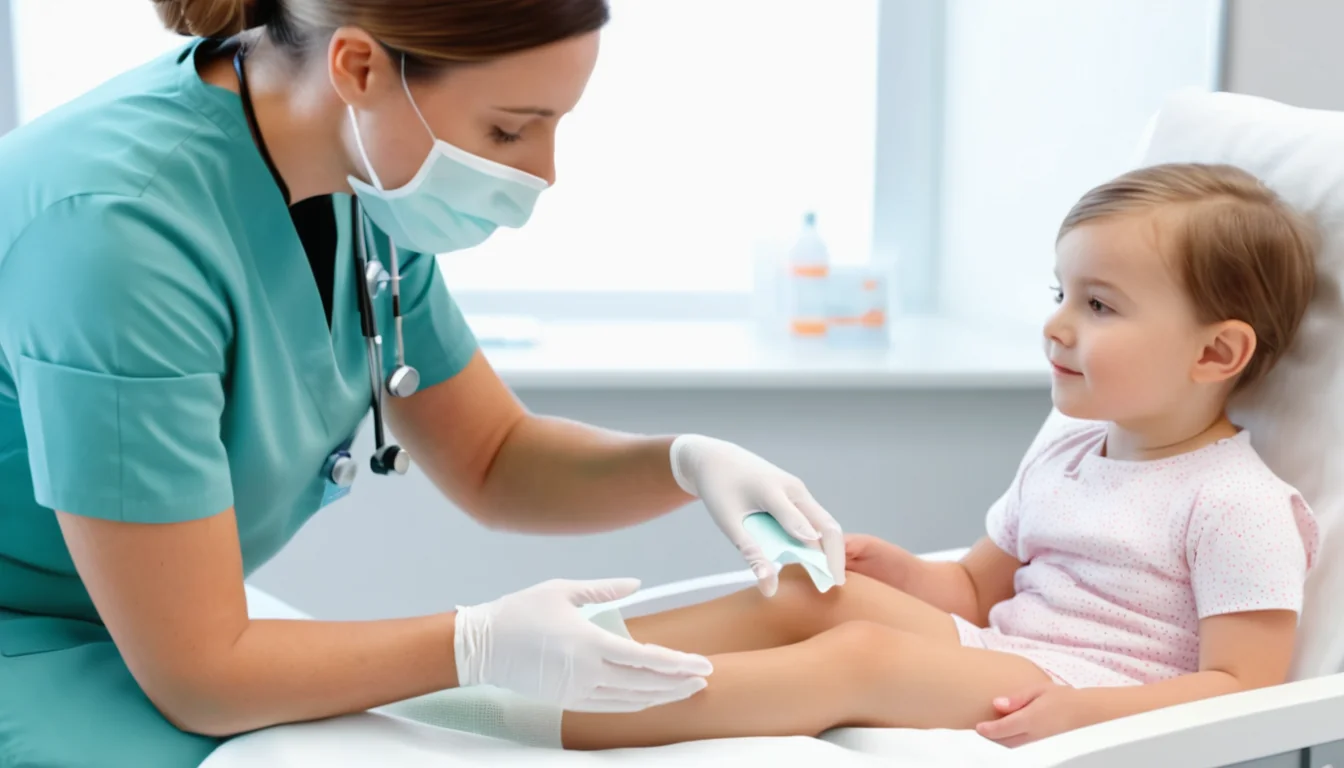
Burns in children are one of the most common childhood injuries treated in emergency departments across Canada, ranging from minor scalds to serious thermal injuries that require specialized care. A burn occurs when heat, chemicals, sunlight, electricity, or radiation damages the skin, and without prompt attention, even a seemingly small wound can lead to infection or lasting complications.
How to Treat Burns in Children: First Aid and Medical Options
Understanding the degrees of burns kids can experience is essential for every Canadian parent and caregiver. Whether it happens during cooking, bath time, or outdoor play, knowing how to respond quickly with proper first aid and when to seek medical help can make a critical difference in your child’s recovery. This guide covers types, symptoms, treatment options, and proven prevention strategies to help keep your family safe.
What Are Burns in Children?
| Burn Degree | Characteristics | Common Causes in Children | Management |
|---|---|---|---|
| First-Degree (Superficial) | Affects only the outer layer of skin (epidermis); red, dry, painful skin with no blistering | Brief contact with hot surfaces, mild sunburn | Cool running water for 20 minutes, over-the-counter pain relief (acetaminophen or ibuprofen); no medical emergency unless large area affected |
| Second-Degree (Partial Thickness) | Affects epidermis and part of the dermis; blistering, intense pain, red or splotchy appearance, swelling | Hot liquids (scalds), flames, prolonged contact with hot objects | Cool running water for 20 minutes; seek medical care at a Canadian emergency department; do not pop blisters; wound dressing required |
| Third-Degree (Full Thickness) | Destroys all layers of skin; white, brown, or black appearance; leathery texture; may be painless due to nerve damage | Prolonged flame exposure, severe scalds, electrical burns | Call 911 immediately; do not remove clothing stuck to burn; requires hospital admission and specialist care, often skin grafting |
| Fourth-Degree (Deep Full Thickness) | Extends beyond skin into muscle, tendons, or bone; charred appearance; no sensation in affected area | Electrical burns, prolonged exposure to flames or chemicals | Life-threatening emergency; call 911; requires intensive care at a paediatric burn centre; long-term rehabilitation needed |
| Chemical Burns | Caused by corrosive substances; may appear minor initially but can worsen over time; ongoing tissue damage until substance is removed | Household cleaning products, batteries (button batteries), industrial chemicals | Remove contaminated clothing carefully; flush with large amounts of water; call Poison Control Canada (1-800-268-9017) and seek emergency care |
A burn is an injury to the skin caused by an outside source of heat or damage. Burns in children happen most often by accident — during cooking, bath time, or play. Common causes include hot liquids, open flames, hot surfaces, and sun exposure.
There are three degrees of burns. Each degree describes how deeply the skin is damaged. A doctor will assess the burn and decide the best course of treatment. Without treatment, burns carry a real risk of infection and long-term skin damage.
How Common Are Burns in Children?
Burns are a significant public health concern for Canadian families. According to Health Canada, burn injuries are among the leading causes of accidental injury in young children. Across North America, more than 300 children receive urgent burn treatment every single day.
Young children, teenagers, and older adults face the highest risk of accidental burns. Hot water scalds from cooking or bathing are the most frequent cause. Children also get burned while playing with lighters, matches, or spending too much time in the sun without protection.
Types and Degrees of Burns in Children
Doctors classify burns by how deeply they damage the skin. Understanding the degree of a burn helps guide the right treatment. There are three main burn degrees, each with different symptoms and levels of seriousness.
First-Degree Burns
First-degree burns are the mildest type. They affect only the outer layer of skin, called the epidermis. The skin looks red and feels painful, but no blisters form. Sunburn is the most common example of a first-degree burn.
Second-Degree Burns
Second-degree burns go deeper, affecting both the outer layer and the layer beneath it (called the dermis). These burns cause redness, swelling, pain, and fluid-filled blisters. The blisters can break open easily, which raises the risk of infection. However, most second-degree burns heal well with proper care.
Third-Degree Burns
Third-degree burns are the most severe. They damage all three layers of the skin — the epidermis, dermis, and the tissue beneath. These burns also destroy hair follicles, sweat glands, and nerve endings. Because the nerve endings are gone, the burned area itself may not hurt. However, the skin around it often does. The burned skin may look black, white, or red. Third-degree burns always need emergency medical care.
Signs and Symptoms to Watch For
Symptoms of burns in children depend on the degree of the injury. They usually appear within the first few hours or days after the burn occurs. Young children cannot always describe what they feel, so parents need to watch closely for warning signs.
Common symptoms include:
- Redness or changes in skin colour
- Swelling around the burned area
- Fluid-filled blisters that break easily
- Local pain and tenderness
- Peeling or flaking skin
In addition, watch for signs of infection as the burn heals. These include increasing redness, warmth, pus, or fever. If you notice any of these signs, contact your family doctor or visit a walk-in clinic right away.
How Doctors Diagnose Burns in Children
A doctor will examine the burned area carefully. They will assess how deep the burn is and estimate what percentage of the body surface is affected. This helps them classify the burn as minor, moderate, or severe.
- Minor burns are first- or second-degree burns covering less than 10% of the body. These usually do not need hospitalization.
- Moderate burns are second-degree burns covering around 10% of the body. Burns on the hands, feet, face, or genitals are often classified as moderate to severe.
- Severe burns are all third-degree burns, regardless of the area they cover. These always require hospital care.
For more information on burn assessment, the Mayo Clinic’s guide to burns offers helpful detail on how severity is measured.
Treatment Options for Burns in Children
Treatment for burns in children depends on the cause and severity. Acting quickly and correctly makes a big difference in how well and how fast your child heals. Always follow your doctor’s advice before giving any medication, including pain relievers.
First Aid for Burns at Home
For any burn, keep the area clean and cover it with a protective bandage or clean cloth. Cool the burn under cool (not cold) running water for 10 to 20 minutes. Do not apply ice, butter, or toothpaste — these can make the injury worse. Remove any jewellery or tight clothing near the burn before swelling begins.
Treating First-Degree Burns
First-degree burns can usually be managed at home. Apply cool water to soothe the skin, then keep the area clean. For sunburns, aloe vera gel can help reduce discomfort. Antibiotic creams may be used to help prevent infection. If your child is in pain, ask your family doctor about safe pain relief options for children.
Treating Second-Degree Burns
Second-degree burns need similar care, but your doctor may recommend stronger topical antibiotics. Check the wound regularly for signs of infection, scarring, or skin changes around the area. Do not pop blisters — they protect the healing skin underneath. If the burn is large or in a sensitive area, see a doctor promptly.
Treating Third-Degree Burns
Third-degree burns are life-threatening emergencies. Call 911 or go to the nearest emergency department immediately. These burns always require hospitalization and intensive monitoring. Treatment often includes intravenous (IV) medication, fluids, and close care by a pediatric intensive care team.
Furthermore, third-degree burns often require skin grafting. A skin graft uses healthy tissue from another part of the child’s own body to replace the destroyed skin. This procedure helps the wound close and reduces the risk of long-term complications. As a result, scarring is minimized and function is better preserved.
Risks and Complications of Burns
Deep or widespread burns can lead to serious complications, especially in young children. Infection is the most common risk and can happen even with minor burns. Therefore, it is important to keep any burn clean and covered while it heals.
Severe complications may include:
- Dehydration and fluid loss
- Swelling (edema) of the tissues
- Muscle tightening (contractures)
- Airway blockage in facial burns
- Organ failure in extensive burns
- Heart rhythm problems (arrhythmia), especially from electrical burns
- Serious infections that can progress to sepsis
- Pneumonia during recovery
According to the World Health Organization’s burns fact sheet, burns are a global public health problem that can result in prolonged hospitalization and long-term disability. Early and proper treatment is the best way to reduce these risks.
How to Prevent Burns in Children
Many burns are preventable. Small changes at home can make a big difference in keeping your child safe. Prevention is especially important because young children move quickly and do not always understand danger.
Follow these tips to reduce the risk of burns in children:
- Always apply sunscreen with SPF 30 or higher, especially during warm Canadian summers
- Set your home water heater to 49°C (120°F) or lower to prevent scalding
- Never leave hot drinks, pots, or pans within reach of young children
- Keep lighters, matches, and candles locked away
- Install and test smoke detectors on every floor of your home
- Teach older children about fire safety and the dangers of open flames
- Cover electrical outlets with safety plugs
- Keep children away from barbecues, campfires, and fireworks
When to See a Doctor
Not all burns need a trip to the emergency room. However, it is always better to be safe when a child is involved. Visit your family doctor or a walk-in clinic if your child has a burn that is larger than your palm, is blistering, or is on the face, hands, feet, or genitals.
Call 911 or go to the nearest emergency department immediately if:
- The burn is large or appears white, black, or leathery
- Your child is having trouble breathing
- The burn was caused by electricity or chemicals
- Your child is an infant or toddler
- You see signs of infection such as fever, pus, or spreading redness
If you are ever unsure, your provincial health line (such as 811 in most Canadian provinces) can connect you with a registered nurse for guidance. Always trust your instincts — if something seems wrong, seek care.
This article is for informational purposes only. Always consult a qualified healthcare provider for advice specific to your child’s health needs.
Frequently Asked Questions About Burns in Children
What is the first thing I should do if my child gets a burn?
For burns in children, the first step is to cool the burn under cool (not cold) running water for 10 to 20 minutes. Do not apply ice, butter, or any home remedies. Cover the area with a clean bandage or cloth and seek medical advice if the burn is larger than your child’s palm or is blistering.
How do I know if my child’s burn needs emergency care?
Burns in children require emergency care if the burn looks white, black, or leathery, or if it covers a large area of the body. Burns caused by electricity or chemicals, burns on the face or hands, and any burn in an infant always need immediate attention. Call 911 or go to your nearest emergency department right away.
Can I treat a child’s burn at home?
Minor first-degree burns in children, like mild sunburns, can often be managed at home with cool water, aloe vera gel, and a clean bandage. However, any burn that blisters, covers more than a small area, or involves the face, hands, or joints should be evaluated by a doctor or at a walk-in clinic. When in doubt, call your provincial health line (811) for guidance.
Should I pop the blisters on my child’s burn?
No — you should never pop blisters on a burn. Blisters form a natural protective barrier over the healing skin underneath. Breaking them increases the risk of infection. If a blister bursts on its own, keep the area clean and covered, and see a doctor if you notice signs of infection.
How can I prevent sunburns in my child during summer?
Sunburn is one of the most common types of burns in children, especially during Canadian summers. Apply a broad-spectrum sunscreen with SPF 30 or higher every two hours when outdoors. Dress your child in protective clothing, hats, and UV-blocking sunglasses, and avoid direct sun exposure between 11 a.m. and 3 p.m. when UV rays are strongest.
What are the long-term effects of severe burns in children?
According to Health Canada’s safety guidelines for children, this information is supported by current medical research.
For more information, read our guide on bone fracture first aid and recovery for children in Canada.
Severe burns in children can lead to long-term complications including scarring, skin tightening (contractures), and emotional effects related to body image. Some children require multiple surgeries, including skin grafting, and long-term physiotherapy. Early and proper medical treatment, along with follow-up care, greatly improves outcomes for children with serious burns.
Key Takeaways
- Burns in children are classified into three degrees based on how deeply the skin is damaged.
- First-degree burns are mild and can often be treated at home. Third-degree burns always need emergency care.
- Cool a burn with running water for 10 to 20 minutes. Never use ice, butter, or toothpaste.
- Watch for infection signs: redness spreading, fever, pus, or increased pain.
- Visit a walk-in clinic or family doctor for any burn that blisters, covers a large area, or involves sensitive body parts.
- Call 911 immediately for electrical, chemical, or third-degree burns.
- Prevention is possible — use sunscreen, lower your water heater temperature, and keep hot items out of children’s reach.
- Always consult a healthcare provider for advice tailored to your child’s specific situation.
Frequently Asked Questions
What are the degrees of burns in children?
Burns in children are classified into three degrees. First-degree burns affect only the outer skin layer, causing redness and pain. Second-degree burns cause blistering and deeper skin damage. Third-degree burns destroy all skin layers and require immediate emergency care. Severity determines the appropriate treatment approach.
What are the symptoms of burns in children?
Symptoms of burns in children include redness, swelling, and pain at the burn site. Blisters indicate a second-degree burn, while white, brown, or charred skin suggests a severe third-degree burn. Children may also experience shock, rapid breathing, or dizziness with serious burns requiring urgent medical attention.
How do you treat a minor burn on a child at home?
Cool the burn immediately with cool, running water for 10–20 minutes. Never use ice, butter, or toothpaste. Cover loosely with a sterile, non-stick bandage. Give acetaminophen or ibuprofen for pain relief. Avoid breaking blisters. Monitor for signs of infection, including increased redness, swelling, or discharge.
When should you take a child to the hospital for a burn?
Take your child to the hospital immediately if the burn is larger than a loonie, affects the face, hands, feet, genitals, or joints, appears white or charred, or results from electricity or chemicals. Burns in children under two years old and any burn with signs of infection also require immediate medical evaluation.
How can parents prevent burns in children?
Prevent burns in children by setting water heaters to 49°C or below, using back burners while cooking, installing smoke detectors, keeping hot liquids away from table edges, and using outlet covers. Teach fire safety early, store matches and lighters out of reach, and create a family fire escape plan.

About the Author
Dr. James Okafor, MD, PhDDr. James Okafor holds an MD and PhD in Neurological Sciences from McGill University. With 12 years of experience in clinical neurology and mental health research, he has contributed to landmark studies on depression, anxiety, and cognitive health. Dr. Okafor is a Fellow of the Royal College of Physicians and Surgeons of Canada and serves on the editorial board of two peer-reviewed journals.
View all articles →