Atopic Dermatitis in Children: Symptoms & Care Canada

Share
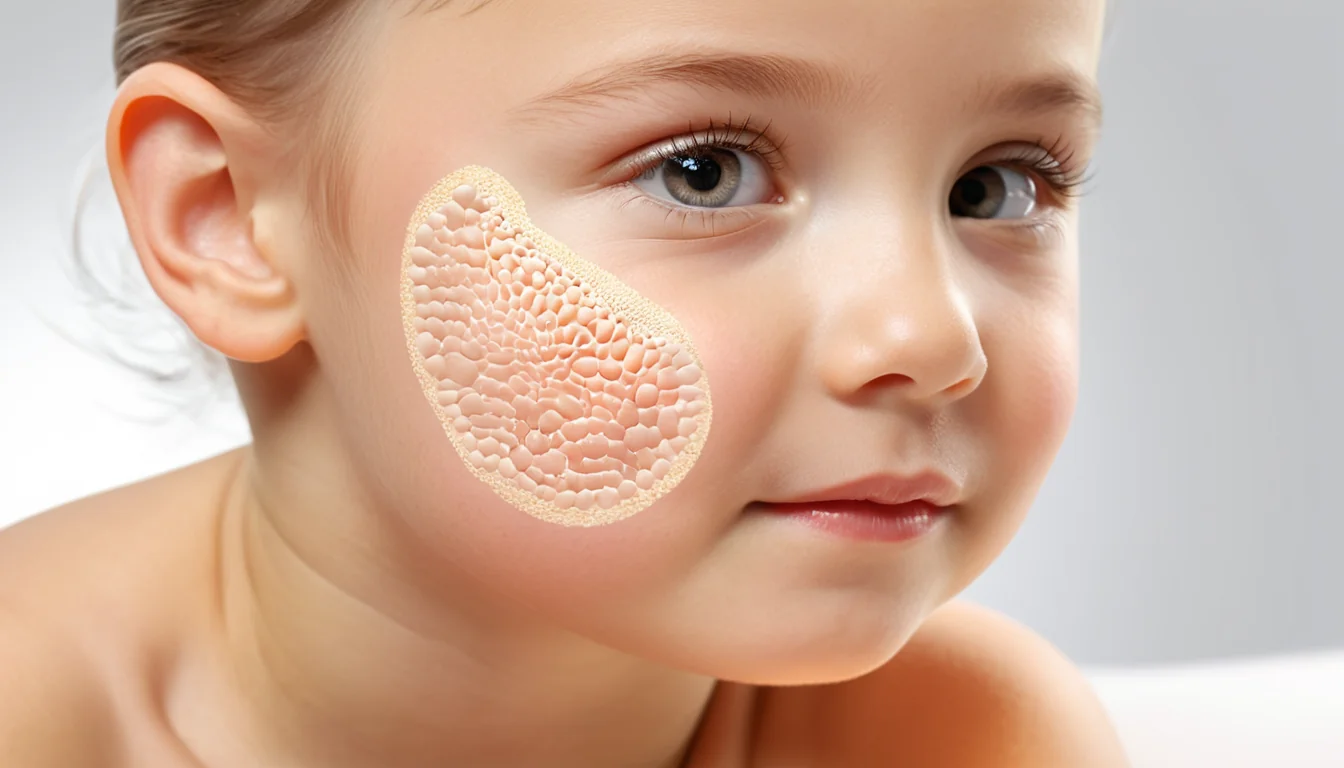
Atopic dermatitis in children is a chronic skin condition that causes dry, itchy, and inflamed patches, making it the most common form of eczema among Canadian kids from infancy through adolescence. While there is no outright cure, the good news is that a proper care plan helps most children manage flare-ups and live comfortably.
Understanding Atopic Dermatitis in Children: Signs Every Parent Should Know
Childhood eczema treatment in Canada typically combines daily moisturising, trigger avoidance, and medical therapies when needed. This guide explains exactly what symptoms to watch for, what causes flare-ups, and the most effective ways to soothe and protect your child’s skin so your family can feel confident at every stage.
What Is Atopic Dermatitis in Children?
| Treatment Option | Benefits | Considerations | Best For |
|---|---|---|---|
| Fragrance-Free Moisturizers (Emollients) | Restores skin barrier, reduces flare frequency, safe for daily use | Must be applied consistently, at least twice daily; choose products free of dyes and perfumes | All children with atopic dermatitis; first-line daily maintenance |
| Topical Corticosteroids (e.g., hydrocortisone 1%) | Quickly reduces inflammation, itching, and redness during flares | Low-potency formulas for face and skin folds; limit duration of use to avoid skin thinning | Mild to moderate flares; widely available over-the-counter in Canada |
| Topical Calcineurin Inhibitors (e.g., tacrolimus, pimecrolimus) | Steroid-free anti-inflammatory option; safe for sensitive areas such as face and eyelids | Prescription required in Canada; may cause temporary burning sensation on application | Children aged 2 and older with moderate to severe atopic dermatitis |
| Wet Wrap Therapy | Provides immediate itch relief, enhances moisturizer absorption, soothes inflamed skin | Time-intensive; best performed under guidance of a dermatologist or pediatrician | Moderate to severe flares unresponsive to standard moisturizing routines |
| Antihistamines (e.g., cetirizine) | May help reduce nighttime itching and improve sleep quality in affected children | Do not treat underlying inflammation; sedating types should be used cautiously in young children | Children experiencing significant sleep disruption due to itch |
| Dupilumab (Dupixent) | Targets underlying immune pathways; significantly reduces severity of atopic dermatitis in children | Approved in Canada for children aged 6 months and older with moderate to severe cases; requires injection every 2–4 weeks | Children with severe atopic dermatitis not controlled by topical therapies |
Atopic dermatitis is a long-term inflammatory skin condition. It is often simply called eczema, especially in younger children. The word “atopic” means the condition is linked to an overactive immune response, often running alongside other allergic conditions.
Children with atopic dermatitis frequently also have asthma or hay fever. These three conditions often appear together and share common immune system triggers. According to Health Canada, allergic conditions like eczema are among the most common chronic health issues affecting Canadian children.
Atopic dermatitis is not contagious. Your child cannot catch it from another person, and others cannot catch it from your child.
Recognising the Symptoms
The most obvious sign of atopic dermatitis in children is a red, itchy rash. The skin in affected areas feels warm and dry to the touch. Over time, the skin can thicken from repeated scratching.
The rash tends to appear in body areas that trap moisture or heat. These commonly include:
- The inner elbows and behind the knees
- The neck, face, and scalp
- The hands and feet
- The groin and genital area
Itching is often the hardest symptom to manage. Children scratch without even realising it, especially at night. This can seriously disrupt sleep, leading to chronic fatigue and difficulty concentrating at school.
How Symptoms Change Over Time
Atopic dermatitis tends to come and go in cycles. Your child may have weeks or months of clear skin, followed by a sudden flare-up. Stress, illness, and environmental changes can all trigger these flare-ups.
While many children see their symptoms improve by the time they reach adulthood, this is not guaranteed for everyone. There is no way to predict whether your child’s eczema will fade or persist into their adult years.
Common Risk Factors and Triggers
Atopic dermatitis in children does not have a single cause. Instead, a combination of genetic and environmental factors plays a role. Understanding your child’s personal triggers can help you reduce flare-ups.
Common risk factors include:
- A family history of eczema, asthma, or hay fever
- A personal history of food allergies
- Living in a dry or cold climate — something many Canadians know well
- Using harsh soaps, detergents, or synthetic fabrics
- High stress levels at home or at school
- Use of immunosuppressive medications
It is important to understand that no single trigger causes atopic dermatitis. Many parents try eliminating foods like eggs, milk, or nuts from their child’s diet hoping it will cure the condition. However, years of research show that this approach rarely works and can actually harm your child’s nutrition and growth.
Busting Common Myths
One widespread myth is that finding and removing one allergen will cure eczema. Dermatologists consistently find that atopic dermatitis is far more complex than that. Removing food groups without medical guidance can deprive children of key nutrients they need to grow and develop properly.
Another common myth is that bathing makes eczema worse. In fact, research shows the opposite is true. A short, lukewarm daily bath helps remove bacteria and other irritants from the skin. The key is to apply an unscented moisturiser within a few minutes of getting out of the bath, while the skin is still slightly damp. This locks in moisture and helps prevent dryness.
For more detailed information on eczema triggers and management, the Mayo Clinic’s guide to atopic dermatitis is an excellent resource.
Diagnosing Atopic Dermatitis
There is no single test that confirms atopic dermatitis. Your child’s doctor will typically diagnose it based on a physical exam and your child’s medical and family history. However, in some cases, further testing may be needed.
Diagnostic tools can include:
- Blood tests to check for elevated immune markers or allergy antibodies
- Skin swabs from affected areas to rule out bacterial or fungal infection
- Patch testing to identify contact allergens
It is also worth knowing the difference between eczema and atopic dermatitis. Eczema is an umbrella term for several inflammatory skin conditions. Atopic dermatitis is the most common type. Other forms include contact dermatitis, nummular eczema, and dyshidrotic eczema. People often use the terms interchangeably, which can cause confusion.
Possible Complications
When atopic dermatitis in children is not well managed, complications can develop. These are important to watch for and discuss with your child’s doctor.
Possible complications include:
- Secondary bacterial skin infections from repeated scratching
- Increased sensitivity or adverse reactions to certain medications
- Reduced resistance to fungal and viral skin infections
- Permanent scarring from chronic scratching
The course of atopic dermatitis is unpredictable. Flare-ups and periods of remission can occur throughout your child’s life. Consistent skin care and monitoring are the best tools for keeping complications at bay.
Treatment and Home Care
There is no cure for atopic dermatitis, but symptoms can be well managed. Treatment combines good home care habits with medical support when needed.
Daily Skin Care at Home
Good skin care is the foundation of managing atopic dermatitis in children. Here are practical steps you can take every day:
- Bathe your child daily in lukewarm water for 10 minutes or less
- Use gentle, fragrance-free cleansers instead of regular soap
- Pat the skin dry gently — do not rub
- Apply a thick, unscented moisturiser immediately after bathing
- Dress your child in loose, breathable cotton clothing
- Avoid wool and synthetic fabrics that can irritate the skin
- Keep your child’s bedroom cool and well-ventilated
- Soak crusty or weeping patches with cool water to relieve itching and soften crusts
Reducing stress in your child’s life is also important. Stress is a well-known trigger for flare-ups. Encourage regular sleep, physical activity, and calm routines at home.
Physical activity is generally safe for children with atopic dermatitis. The main precaution is to keep your child from overheating, as heat can worsen itching and trigger a flare.
Medical Treatments
When home care is not enough, your child’s doctor may recommend medical treatments. These depend on how severe the symptoms are.
Options for mild itching include:
- Over-the-counter topical corticosteroids to reduce inflammation and itching
- Coal tar preparations applied to the skin
- Fragrance-free lubricating ointments for the hands
For more severe symptoms, a doctor may prescribe:
- Higher-potency topical corticosteroids
- Oral corticosteroids, used only for short periods and rarely in children
- Antihistamines to ease itching and help with sleep
- Mild sedatives to manage severe nighttime itching
- Antibiotics if a secondary bacterial skin infection is present
Always follow your doctor’s instructions when using corticosteroids on children. Long-term or unsupervised use can cause skin thinning and other side effects.
For a broader overview of eczema treatment approaches, Healthline’s eczema resource centre offers clear, evidence-based information.
When to See a Doctor
You should contact your child’s family doctor or visit a walk-in clinic if:
- Your child shows signs of atopic dermatitis for the first time
- The itching becomes uncontrollable, especially at night
- Your child develops a fever during a flare-up
- The skin looks infected — red streaks, pus, or significant swelling
- Over-the-counter treatments are not helping after a few weeks
In Canada, your first step is usually your child’s family doctor or a walk-in clinic. They can refer you to a paediatric dermatologist if the condition is severe or difficult to manage. Most provincial health plans cover visits to a dermatologist with a referral, so check with your provincial health authority for details.
Always speak with a qualified healthcare provider before starting or changing any treatment for your child’s skin condition. Every child is different, and what works for one may not work for another.
Frequently Asked Questions
What does atopic dermatitis look like in children?
Atopic dermatitis in children appears as red, dry, and intensely itchy patches of skin. These patches are most commonly found in the creases of the elbows and knees, on the face, neck, and hands. The skin may look thickened or scaly in areas where the child has been scratching repeatedly.
Can atopic dermatitis be cured in children?
There is currently no cure for atopic dermatitis in children. However, many children see their symptoms improve significantly as they get older, and some may have clear skin by adulthood. A consistent skin care routine and appropriate medical treatment can control symptoms effectively and prevent complications.
What triggers atopic dermatitis flare-ups in kids?
Common triggers for atopic dermatitis flare-ups in children include stress, heat, sweat, rough or synthetic fabrics, harsh soaps, dry weather, and certain allergens. Because triggers vary from child to child, keeping a simple diary of flare-ups can help you and your doctor identify patterns. Avoiding known triggers is one of the most effective ways to reduce flare-ups.
Is eczema the same as atopic dermatitis?
Eczema is a broad term that describes a group of conditions causing inflamed, itchy skin. Atopic dermatitis is the most common type of eczema. People often use both terms interchangeably, but atopic dermatitis specifically refers to the chronic, immune-related form of eczema most commonly seen in children.
Should I change my child’s diet to treat atopic dermatitis?
Eliminating foods from your child’s diet without medical guidance is not recommended for treating atopic dermatitis. Research shows that no single food causes eczema, and restricting foods like eggs, milk, or nuts can affect your child’s growth and nutritional health. Always speak with your child’s doctor before making any dietary changes.
How often should a child with atopic dermatitis bathe?
According to Health Canada’s guidance on allergic conditions in children, this information is supported by current medical research.
For more information, read our guide on managing common childhood injuries like bone fractures.
Children with atopic dermatitis benefit from a short lukewarm bath or shower every day. Daily bathing helps remove bacteria and irritants from the skin that can trigger flare-ups. The most important step is to apply a thick, fragrance-free moisturiser within a few minutes of getting out of the bath to lock in moisture.
Key Takeaways
- Atopic dermatitis in children is a chronic, inflammatory skin condition and the most common form of eczema.
- It often appears alongside asthma and hay fever and tends to run in families.
- Symptoms include dry, red, intensely itchy skin, most often in skin folds and creases.
- There is no single cause and no cure, but symptoms can be managed well with consistent care.
- Daily lukewarm baths followed by an unscented moisturiser are a key part of home management.
- Avoid eliminating food groups without medical advice, as this can harm your child’s health.
- Contact your family doctor or a walk-in clinic if symptoms are severe, worsening, or show signs of infection.
- Most provincial health plans in Canada cover dermatology visits with a referral from your family doctor.
- Always consult a qualified healthcare provider before starting any new treatment for your child.
Frequently Asked Questions
What is atopic dermatitis in children?
Atopic dermatitis in children is a chronic inflammatory skin condition causing dry, itchy, and inflamed skin. It’s the most common form of eczema in kids, often beginning before age five. It occurs when the skin barrier is weakened, making it prone to irritation, allergens, and moisture loss. It frequently runs in families.
What are the symptoms of atopic dermatitis in children?
Common symptoms of atopic dermatitis in children include intense itching, dry or scaly patches, red or brownish inflamed skin, and small fluid-filled bumps that may crust over. In infants, rashes typically appear on the face and scalp. In older children, affected areas often include the elbows, knees, wrists, and neck.
How is childhood eczema treated in Canada?
Childhood eczema treatment in Canada typically includes daily moisturizing with fragrance-free emollients, prescription topical corticosteroids for flare-ups, and identifying personal triggers. Canadian dermatologists may also recommend topical calcineurin inhibitors, antihistamines for sleep disruption, or biologics like dupilumab for severe cases unresponsive to standard therapies.
Can atopic dermatitis in children be prevented?
Atopic dermatitis cannot always be prevented, but flare-ups can be reduced. Regular moisturizing from infancy, avoiding known triggers like harsh soaps, pet dander, and synthetic fabrics, using mild laundry detergents, and maintaining a cool, humid home environment all help protect sensitive skin and minimize the frequency of episodes.
When should I take my child to see a doctor for eczema?
See a doctor if your child’s eczema is disrupting sleep, spreading rapidly, showing signs of infection such as oozing, crusting, or fever, or not improving with over-the-counter moisturizers. A Canadian paediatrician or dermatologist can confirm the diagnosis, rule out other conditions, and recommend an appropriate prescription treatment plan.

About the Author
Dr. James Okafor, MD, PhDDr. James Okafor holds an MD and PhD in Neurological Sciences from McGill University. With 12 years of experience in clinical neurology and mental health research, he has contributed to landmark studies on depression, anxiety, and cognitive health. Dr. Okafor is a Fellow of the Royal College of Physicians and Surgeons of Canada and serves on the editorial board of two peer-reviewed journals.
View all articles →