Male Reproductive Health: Common Conditions Canada

Share
Male reproductive health is an essential topic that every Canadian man should understand, yet it remains one of the least discussed areas of wellness. From congenital conditions present at birth to infections, injuries, and tumours, the male reproductive system can be affected in many ways throughout life. Recognizing warning signs early can make a critical difference in outcomes and quality of life.
Common Male Reproductive Health Conditions Every Canadian Should Know
Many men’s reproductive conditions in Canada go undiagnosed simply because men delay seeking care or feel uncomfortable discussing symptoms. Whether you are dealing with foreskin concerns, testicular pain, erectile changes, or fertility questions, this guide explains the most common conditions in plain language. You will learn what to watch for and when to visit your family doctor, urologist, or a walk-in clinic near you.
How the Male Reproductive System Works
| Condition | Key Symptoms | Severity Level | When to Seek Care in Canada |
|---|---|---|---|
| Benign Prostatic Hyperplasia (BPH) | Frequent urination, weak urine stream, difficulty starting urination, incomplete bladder emptying | Mild to Moderate | See your family physician if symptoms interfere with daily life; referral to a urologist available through provincial health plans |
| Erectile Dysfunction (ED) | Persistent difficulty achieving or maintaining an erection, reduced sexual desire, performance anxiety | Mild to Severe | Consult a family doctor; may indicate underlying cardiovascular disease requiring prompt assessment |
| Testicular Torsion | Sudden severe scrotal pain, swelling, nausea, vomiting, one testicle positioned higher than normal | Medical Emergency | Go to the nearest emergency department immediately; surgical intervention required within 6 hours to prevent tissue loss |
| Epididymitis | Scrotal pain and swelling, warmth and redness, painful urination, discharge, low-grade fever | Moderate | Visit a walk-in clinic or family doctor within 24–48 hours; bacterial cases require antibiotic treatment |
| Prostatitis | Pelvic pain, painful ejaculation, difficult or painful urination, flu-like symptoms in acute cases | Mild to Severe | See a physician promptly; acute bacterial prostatitis may require hospitalization and is covered under provincial health insurance |
| Varicocele | Dull aching scrotal pain, visible enlarged veins, heaviness in the testicle, possible fertility concerns | Mild to Moderate | Discuss with a family doctor; surgical or minimally invasive treatment available through referral to urology or interventional radiology |
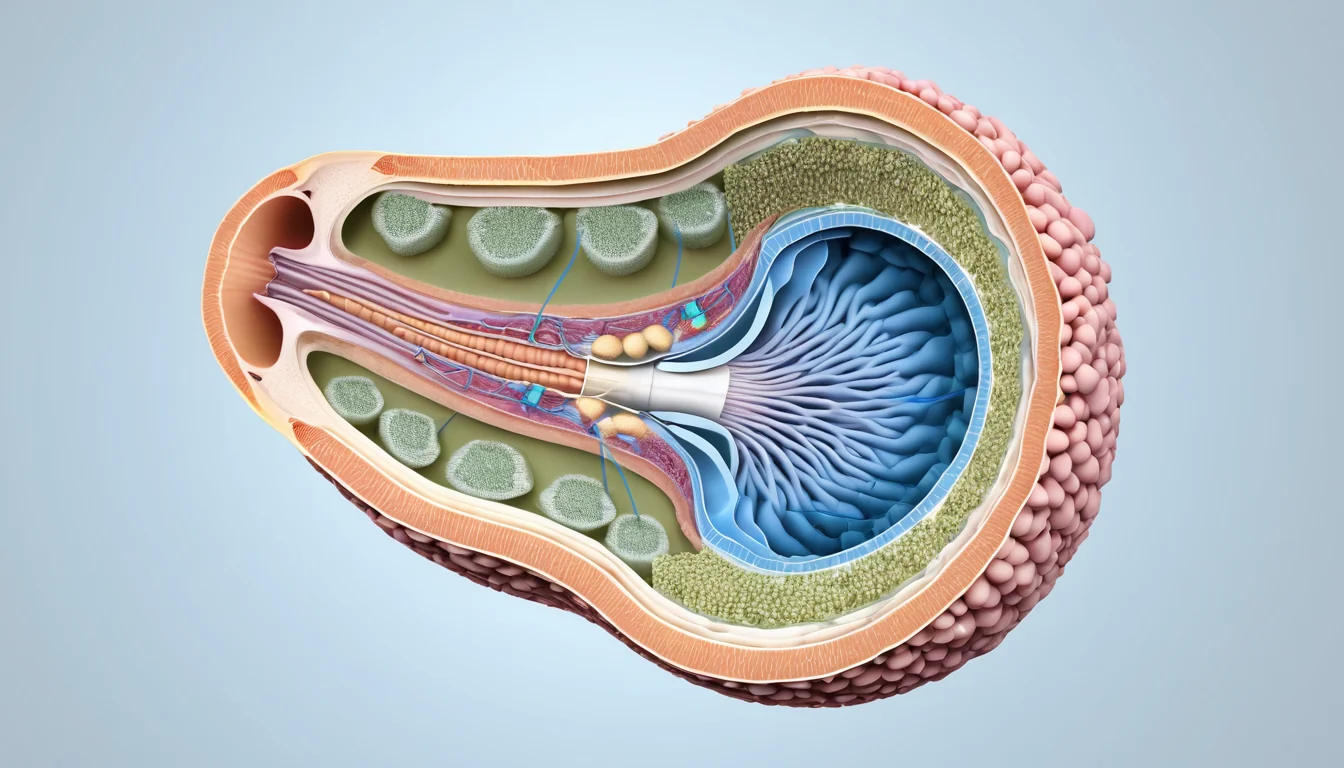
The male reproductive system includes organs inside and outside the pelvis. The penis and testicles are the main external organs. The testicles produce sperm, while the penis plays a role in both urination and reproduction.
Supporting structures include the epididymis, vas deferens, and accessory glands. Together, these parts work to produce, store, and deliver sperm. When any part of this system is affected, it can impact fertility, sexual function, or overall health.
Congenital Conditions Affecting Male Reproductive Health
Some male reproductive health conditions are present from birth. These are called congenital conditions. Two of the most common are hypospadias and cryptorchidism.
Hypospadias and Retrograde Ejaculation
Hypospadias is a congenital condition where the urinary opening is not at the tip of the penis. Instead, it forms on the underside or base of the penis. Doctors can diagnose this condition at birth, and it usually requires surgical correction.
In some cases, hypospadias can lead to retrograde ejaculation later in life. This happens when semen travels backward into the bladder instead of exiting through the penis. If left untreated, this can affect fertility.
Cryptorchidism and Testicular Cancer Risk
Cryptorchidism means one or both testicles have not descended into the scrotum. Normally, the testicles move from the abdomen into the scrotum before or shortly after birth. When this does not happen, medical intervention is needed.
This condition is important to treat early. An undescended testicle significantly increases the risk of testicular cancer. According to Health Canada, early diagnosis and treatment of congenital conditions leads to better long-term outcomes. Surgery or hormone therapy can correct cryptorchidism, especially when done in early childhood.
Phimosis and Paraphimosis: Foreskin Conditions
Phimosis and paraphimosis are two related conditions that affect the foreskin of the penis. Both can cause significant discomfort and may require prompt medical attention.
What Is Phimosis?
Phimosis occurs when the foreskin is too tight to retract over the head of the penis. This can happen because of scar tissue, adhesions, or a narrow ring of skin at the tip of the foreskin. Retraction becomes painful, difficult, or completely impossible.
In children, some degree of tightness is normal and often resolves on its own. However, in adults, phimosis may require treatment. Options include steroid creams, gentle stretching exercises, or circumcision.
What Is Paraphimosis?
Paraphimosis is a complication of phimosis and is considered a medical emergency. It occurs when the foreskin is retracted but cannot return to its normal position. The trapped foreskin causes swelling of the head of the penis, cutting off proper blood flow.
Therefore, paraphimosis requires immediate medical attention. Do not attempt to treat this at home. Visit your nearest walk-in clinic or emergency room right away. A healthcare provider can manually reduce the swelling or perform a minor procedure to correct it.
Testicular Torsion and Inguinal Hernias
Testicular Torsion: A Medical Emergency
Testicular torsion happens when the testicle twists around the spermatic cord. This cuts off blood supply to the testicle. The main symptom is sudden, severe pain in the scrotum, often accompanied by swelling and nausea.
This condition is a true medical emergency. To save the testicle, treatment must happen within six hours of symptoms starting. If you or someone you know experiences sudden severe scrotal pain, go to the emergency room immediately. Do not wait to see if the pain goes away on its own.
Inguinal Hernias in Men
As the testicles descend before birth, they pass through the inguinal canal in the groin. This process can sometimes weaken the surrounding muscle and tissue. As a result, inguinal hernias are more common in men than women.
An inguinal hernia appears as a bulge in the lower abdomen or groin. The bulge often becomes more noticeable when you cough, sneeze, or strain. Depending on severity, treatment may involve watchful waiting or surgical repair. Your family doctor can assess the hernia and refer you to a surgeon if needed.
Infections of the Male Reproductive System
Infections are among the most common male reproductive health problems seen by doctors. Most are caused by sexually transmitted infections (STIs). Common culprits include Chlamydia trachomatis, Neisseria gonorrhoeae, Treponema pallidum (syphilis), and herpes viruses.
These infections can affect different parts of the reproductive system. For example, balanitis affects the head of the penis, urethritis affects the urethra, epididymitis affects the epididymis, and orchitis affects the testicle. Infections often start in the urethra and can spread upward or downward if untreated.
Early treatment is essential. Untreated STIs can lead to long-term complications, including infertility. Furthermore, both sexual partners must be tested and treated to prevent reinfection. Mayo Clinic provides detailed guidance on STI symptoms and treatment. Provincial health plans across Canada cover STI testing, so speak with your family doctor or visit a sexual health clinic.
Erectile Dysfunction and Priapism
Understanding Erectile Dysfunction
Erectile dysfunction (ED) is the inability to get or keep an erection firm enough for sexual activity. It is a complex condition with both physical and emotional components. Physical causes often involve reduced blood flow to the penis through the cavernous arteries.
However, psychological factors such as stress, anxiety, and depression also play a significant role. Managing ED often requires a thorough assessment by a healthcare provider. Treatment may include lifestyle changes, medication, or counselling. Many men find that addressing both the physical and emotional sides together leads to better results.
Priapism: When an Erection Will Not Stop
Priapism is the opposite problem. It is a prolonged erection that lasts for hours without sexual stimulation. This is a medical emergency, not a sign of good sexual health. Priapism causes significant pain and can permanently damage the tissue of the penis if not treated promptly.
If an erection lasts longer than four hours, seek emergency care immediately. According to Healthline, priapism requires urgent treatment to prevent long-term complications.
Tumours and Growths: Benign and Malignant
Tumours affecting the male reproductive system can be either benign (non-cancerous) or malignant (cancerous). Benign prostatic hyperplasia (BPH) is a very common condition in older men. The prostate gland enlarges over time, making urination difficult. BPH is not cancer, but it does need medical management.
Prostate cancer and testicular cancer are the two most common malignant conditions in this area. Testicular cancer is most common in men aged 15 to 35. It often appears as a painless lump or swelling in one testicle. Prostate cancer tends to affect older men and may cause urinary symptoms in later stages. Any unusual lump, swelling, or change in the genital area should be assessed by a doctor right away.
Symptoms to Watch For
Symptoms of male reproductive health conditions vary widely depending on the cause. However, certain signs should always prompt a visit to your doctor. These include:
- Sudden or severe scrotal or groin pain — may signal testicular torsion or hernia
- Swelling, lumps, or changes in the testicles — should be assessed to rule out testicular cancer
- Painful or difficult foreskin retraction — may indicate phimosis
- Discharge, burning, or sores — may point to an STI or infection
- Difficulty urinating — can be linked to BPH, prostate cancer, or urethritis
- Prolonged erection lasting more than four hours — requires emergency care
- Bruising, swelling, or trauma to the genitals — needs prompt evaluation
In addition, inguinal hernias often appear as a bulge that changes size with physical effort, coughing, or sneezing. Never ignore these signs. Catching problems early always leads to better outcomes.
When to See a Doctor
Many men feel uncomfortable talking about reproductive health concerns. However, speaking with your family doctor is always the right first step. Most provincial health plans in Canada cover consultations for these conditions, so there is no reason to delay.
For urgent issues such as testicular torsion, priapism, or paraphimosis, go to an emergency room immediately. For non-urgent concerns like phimosis, STI screening, lumps, or urinary changes, book an appointment with your family doctor. If you do not have a family doctor, a walk-in clinic can help you get an initial assessment and a referral if needed.
Always consult a qualified healthcare provider before starting any treatment. This article is for general information only and does not replace professional medical advice.
Frequently Asked Questions
What are the most common male reproductive health conditions?
Common male reproductive health conditions include phimosis, cryptorchidism, testicular torsion, erectile dysfunction, inguinal hernias, and sexually transmitted infections. Conditions like benign prostatic hyperplasia and testicular cancer are also frequently seen. Early diagnosis and treatment lead to the best outcomes, so speak with your doctor if you notice any changes.
What are the signs of testicular cancer I should watch for?
The most common sign of testicular cancer is a painless lump or swelling in one testicle. You may also notice a feeling of heaviness in the scrotum, a dull ache in the lower abdomen or groin, or a change in the size or shape of a testicle. If you notice any of these changes, see your family doctor or visit a walk-in clinic as soon as possible.
Is phimosis serious and does it always need surgery?
Phimosis is not always serious, especially in young children where some tightness is normal and often resolves on its own. In adults, treatment depends on how much the condition affects daily life. Options include topical steroid creams and gentle stretching before considering surgery, so talk to your doctor about the best approach for you.
Can STIs affect male fertility?
Yes, untreated sexually transmitted infections can significantly impact male reproductive health and fertility. Infections like chlamydia and gonorrhoea can spread to the epididymis and testicles, causing damage over time. Starting treatment early and ensuring both partners are tested is essential to prevent long-term complications.
What should I do if I think I have testicular torsion?
Testicular torsion is a medical emergency that requires immediate treatment. If you experience sudden, severe pain in the scrotum — with or without swelling or nausea — go to the emergency room right away. Treatment must happen within six hours to save the testicle and protect your long-term reproductive health.
Does erectile dysfunction always have a physical cause?
According to Health Canada’s guidelines on men’s health screening, this information is supported by current medical research.
For more information, read our guide on recognizing emergency symptoms like bone fractures.
No, erectile dysfunction can have physical, psychological, or combined causes. Physical causes include poor blood flow, hormonal issues, and chronic health conditions like diabetes or heart disease. Psychological factors such as stress, anxiety, and relationship issues also play a major role, which is why a thorough assessment by a healthcare provider is important for male reproductive health concerns like ED.
Key Takeaways
- Male reproductive health covers a wide range of conditions, from congenital issues to infections, injuries, and cancer.
- Conditions like testicular torsion, priapism, and paraphimosis are medical emergencies — seek immediate care.
- Cryptorchidism (undescended testicle) increases the risk of testicular cancer and must be treated early.
- Most STIs that affect the male reproductive system are treatable, but both partners need to be tested.
- Phimosis and paraphimosis affect the foreskin and range from manageable to urgent depending on severity.
- Lumps, swelling, pain, or changes in the genitals should always be evaluated by a healthcare provider.
- Your family doctor, walk-in clinic, or a specialist can help — and most consultations are covered by provincial health plans.
- Never self-diagnose or self-treat. Always get professional medical advice for any reproductive health concern.
Frequently Asked Questions
What is male reproductive health?
Male reproductive health refers to the proper functioning of the male reproductive system, including the testes, prostate, and associated organs. It encompasses fertility, sexual function, and hormonal balance. Common conditions affecting male reproductive health include erectile dysfunction, low testosterone, varicocele, and prostate disorders, all of which are treatable with medical care.
What are the most common male reproductive health conditions in Canada?
The most common male reproductive health conditions in Canada include erectile dysfunction, benign prostatic hyperplasia (BPH), low testosterone (hypogonadism), varicocele, and male infertility. Testicular cancer, though less common, primarily affects men aged 15 to 35. Many of these conditions are highly manageable when diagnosed and treated early by a healthcare provider.
What are the symptoms of low testosterone in men?
Symptoms of low testosterone include fatigue, reduced sex drive, erectile dysfunction, decreased muscle mass, increased body fat, mood changes, and difficulty concentrating. Some men also experience hair loss or reduced bone density. If you notice several of these symptoms persisting over time, a simple blood test can confirm whether low testosterone is the cause.
Can male reproductive health problems be prevented?
Many male reproductive health problems can be reduced through healthy lifestyle choices. Regular exercise, a balanced diet, not smoking, limiting alcohol, maintaining a healthy weight, and managing stress all support reproductive function. Wearing protective gear during sports and practicing safe sex also help prevent injury and infections that can impact long-term reproductive health.
When should a man see a doctor about reproductive health concerns?
Men should see a doctor if they experience persistent erectile dysfunction, pain or swelling in the testicles, difficulty urinating, changes in ejaculation, or if they have been trying to conceive for over 12 months without success. Early medical evaluation is key, as many male reproductive health conditions are highly treatable when caught promptly.

About the Author
Dr. Sarah Mitchell, MDDr. Sarah Mitchell is a board-certified family physician with over 15 years of clinical experience. She completed her MD at the University of Toronto and her residency at Toronto General Hospital. Dr. Mitchell specializes in preventive medicine and chronic disease management. She is a member of the College of Family Physicians of Canada (CFPC) and has published over 30 peer-reviewed articles on preventive health care.
View all articles →