
Prostate Cancer: Causes, Symptoms & Treatment in Canada

Share
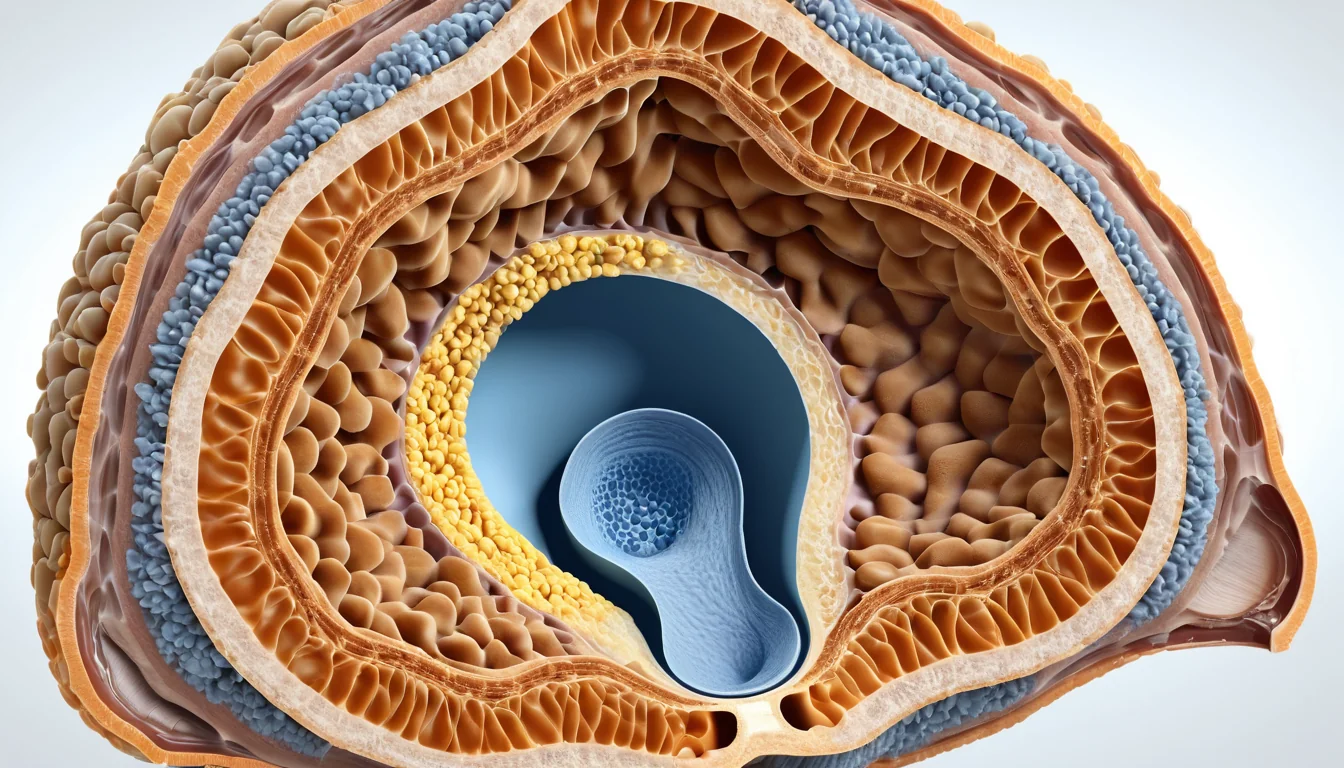
Prostate cancer is one of the most common cancers affecting Canadian men, with thousands of new cases diagnosed each year across the country. It develops in the prostate gland, a small walnut-sized organ located just below the bladder that plays a key role in male reproduction. The good news is that most cases are found early, when treatment is most effective and survival rates are highest.
What Is Prostate Cancer and How Does It Develop?
Understanding prostate cancer risk factors is essential for every Canadian man and his family. Age, family history, ethnicity, and lifestyle all influence who is most likely to develop this disease. In this comprehensive guide, we explain what prostate cancer is, what causes it, what symptoms to watch for, how screening works in Canada, and when to see your family doctor for an evaluation.
What Is Prostate Cancer?
| Treatment Option | How It Works | Key Benefits | Important Considerations |
|---|---|---|---|
| Active Surveillance | Regular PSA tests, digital rectal exams, and biopsies to monitor low-risk prostate cancer without immediate intervention | Avoids side effects of treatment; preserves quality of life; recommended by Canadian guidelines for low-risk cases | Requires strict follow-up schedule; may cause anxiety; not suitable for intermediate- or high-risk disease |
| Radical Prostatectomy | Surgical removal of the entire prostate gland, performed as open, laparoscopic, or robot-assisted surgery | Potentially curative; allows precise pathological staging; robotic-assisted options available at major Canadian cancer centres | Risk of urinary incontinence and erectile dysfunction; requires general anaesthesia; recovery period of 4–8 weeks |
| Radiation Therapy | External beam radiation (EBRT) or brachytherapy (radioactive seed implants) targets and destroys cancer cells | Non-surgical option; effective for localized and locally advanced disease; covered under provincial health plans | Multiple treatment sessions required; side effects include bowel and urinary changes; long-term fatigue possible |
| Hormone Therapy (ADT) | Androgen deprivation therapy reduces testosterone levels to slow or stop prostate cancer cell growth | Effective for advanced or metastatic disease; can be combined with radiation for improved outcomes | Side effects include hot flashes, bone density loss, fatigue, and cardiovascular risk; not a standalone cure |
| Chemotherapy | Systemic drugs such as docetaxel or cabazitaxel kill rapidly dividing cancer cells throughout the body | Used for metastatic castration-resistant prostate cancer; can extend survival and reduce symptoms | Significant side effects including nausea, hair loss, and increased infection risk; administered in oncology clinics |
The prostate is a small gland found in the male reproductive system. It sits just below the bladder and wraps around the upper part of the urethra — the tube that carries urine out of the body. The prostate produces most of the fluid that makes up semen.
The gland is controlled by testosterone, a hormone made by the testicles. When cells in the prostate begin to grow out of control, prostate cancer can develop. These abnormal cells can spread to nearby tissues and, in advanced stages, to other parts of the body.
Prostate cancer is usually a slow-growing cancer. In fact, many men live with it for years without knowing. However, some forms are more aggressive and can spread quickly. Once cancer spreads beyond the prostate — to bones, lungs, or lymph nodes — it becomes much harder to treat. For this reason, early detection is very important. According to Health Canada, prostate cancer is one of the leading causes of cancer-related death in Canadian men.
Who Is at Risk for Prostate Cancer?
Age is the biggest risk factor for prostate cancer. Four out of five cases are diagnosed in men over the age of 65. It is rare in men under 50, though it can occur as early as the 30s or 40s.
Family history also plays a role. If your father or brother had prostate cancer, your own risk is higher than average. Talk to your family doctor about your personal risk level.
Black Canadian men face a higher risk of developing prostate cancer and a higher rate of death from the disease. Researchers are still working to fully understand why this is the case.
Causes and Risk Factors
Doctors cannot always point to one clear cause of prostate cancer. However, experts agree that several factors can increase a man’s risk.
Diet and Lifestyle
Diet appears to be a significant factor. Men who eat large amounts of red meat and animal fat have a higher risk of developing prostate cancer. The disease is far more common in countries where meat and dairy products are dietary staples. In contrast, it is less common in parts of Asia, Africa, and Latin America, where diets are based more on rice, soy, and vegetables.
The link between diet and prostate cancer may be hormonal. Diets high in fat can raise testosterone levels. Higher testosterone levels, in turn, can encourage cancer cell growth. Furthermore, meat cooked at very high temperatures — such as grilled or charred meat — produces chemicals that may directly damage prostate tissue.
Workplace and Environmental Exposure
Certain work environments may also raise risk. Men who work in battery manufacturing, rubber production, or who are regularly exposed to the heavy metal cadmium appear to face a higher risk of prostate cancer. Therefore, if you work in one of these industries, it is worth discussing screening with your doctor.
What Does NOT Cause Prostate Cancer
Research has not found a link between prostate cancer and sexual activity, vasectomy, alcohol use, tobacco use, circumcision, infertility, prostate infections, or benign prostate enlargement. It is also important to know that an enlarged prostate — a very common condition in older men — is not the same as prostate cancer.
Symptoms of Prostate Cancer
Early-stage prostate cancer usually causes no symptoms at all. This is one reason why regular screening is so important. Symptoms tend to appear only once the tumour has grown large enough to press on the urethra, or once the cancer has spread.
Early Warning Signs
When symptoms do appear, they often involve changes in urination. These can include:
- Frequent urination, especially at night
- Difficulty starting or stopping the flow of urine
- A weak or interrupted urine stream
- A burning or painful sensation during urination or ejaculation
- Blood in the urine or semen
It is important to understand that these symptoms are not caused by the cancer itself. Instead, they result from the tumour pressing on the urethra or surrounding tissue. Other conditions — such as a benign enlarged prostate — can cause the same symptoms. However, any of these signs should be checked by a doctor.
Symptoms of Advanced Prostate Cancer
As prostate cancer progresses, more serious symptoms can develop. These may include:
- Deep, ongoing pain or numbness in the pelvis, lower back, ribs, or upper thighs
- Bone pain or a feeling similar to arthritis in those areas
- Unexplained weight loss or loss of appetite
- Persistent fatigue, nausea, or vomiting
These symptoms suggest the cancer may have spread to the bones or other organs. Seek medical attention promptly if you experience any of these.
Prostate Cancer Screening in Canada
Screening for prostate cancer typically involves two initial tests. The first is a PSA (prostate-specific antigen) blood test. The second is a digital rectal exam (DRE), where a doctor gently checks the prostate for unusual size, shape, or texture.
Screening guidelines in Canada vary by province. Some provincial health plans cover PSA testing for men at average risk, while others recommend shared decision-making between the patient and their family doctor. The Mayo Clinic’s prostate cancer overview is a helpful resource for understanding what these tests involve.
In general, Canadian guidelines suggest that men aged 50 to 70 speak with their doctor about whether screening is right for them. Men with a family history of prostate cancer or those of Black ancestry may want to have this conversation earlier — around age 40 to 45. Your family doctor or a urologist can help you decide based on your personal health history.
Treatment Options
When prostate cancer is caught early — while it is still confined to the prostate — it can often be cured. Treatment decisions depend on the stage of the cancer, the patient’s age, overall health, and personal preferences.
Common treatment options include:
- Active surveillance: For slow-growing cancers, doctors may monitor closely rather than treat immediately. This avoids side effects while keeping a careful watch.
- Surgery: Removal of the prostate gland (prostatectomy) is a common option for localised cancer.
- Radiation therapy: High-energy rays are used to destroy cancer cells. This can be delivered externally or through small radioactive seeds placed inside the prostate (brachytherapy).
- Hormone therapy: This lowers testosterone levels to slow or stop cancer growth, often used when cancer has spread.
- Chemotherapy: Used for advanced prostate cancer that no longer responds to hormone therapy.
Side effects of treatment can include urinary incontinence (difficulty controlling urination) and sexual dysfunction (difficulty getting or maintaining an erection). These side effects vary depending on the treatment chosen. Your care team can help you understand the options and find the right approach for your situation. The World Health Organization’s cancer fact sheet also provides useful context on cancer treatment globally.
When to See a Doctor
You should visit your family doctor or a walk-in clinic if you notice any changes in urination, such as pain, difficulty, or unusual frequency. These symptoms are not always caused by cancer, but they always deserve attention.
You should also see a doctor if you experience unexplained pain in your lower back, pelvis, hips, or bones — especially if it persists without a clear cause. Unexplained weight loss is another reason to seek care promptly.
If you are over 50, or over 40 with a family history of prostate cancer, ask your family doctor about screening at your next check-up. If you do not have a regular family doctor, a walk-in clinic can refer you for a PSA blood test and help connect you to ongoing care. Most provincial health plans cover visits related to cancer screening — check with your provincial health authority for details.
As always, please speak with a qualified healthcare provider before making any decisions about your health. This article is for general information only and is not a substitute for professional medical advice.
What are the first signs of prostate cancer?
Early-stage prostate cancer often causes no symptoms at all. When symptoms do appear, they usually involve urination problems — such as a weak stream, frequent urination at night, or a burning feeling when urinating. If you notice any of these changes, see your family doctor, as they can also be caused by other treatable conditions.
At what age should Canadian men get screened for prostate cancer?
Most Canadian guidelines recommend that men aged 50 to 70 discuss prostate cancer screening with their family doctor. Men with a family history of prostate cancer, or Black Canadian men, are encouraged to have that conversation earlier — around age 40 to 45. Screening typically involves a PSA blood test and a physical exam.
Is prostate cancer curable?
Prostate cancer caught at an early stage — while it is still confined to the prostate gland — can often be cured with surgery or radiation therapy. If the cancer has spread to other parts of the body, such as the bones or lymph nodes, it cannot usually be cured, but it can often be managed for many years with treatment.
What causes prostate cancer?
The exact cause of prostate cancer is not fully understood. Key risk factors include older age, a family history of the disease, and a diet high in red meat and animal fat. Certain workplace exposures, such as contact with the heavy metal cadmium, may also increase risk.
Does prostate cancer affect sexual function?
Yes, prostate cancer and its treatments can affect sexual function. Surgery, radiation, and hormone therapy may all cause erectile dysfunction or other changes in sexual health. However, there are effective treatments available for these side effects, so it is important to discuss this openly with your healthcare team.
Is an enlarged prostate the same as prostate cancer?
According to Public Health Agency of Canada’s prostate cancer resources, this information is supported by current medical research.
For more information, read our guide on learn about other hormone-related tumours like pituitary tumours.
No, an enlarged prostate — known medically as benign prostatic hyperplasia (BPH) — is not cancer. It is a very common, non-cancerous condition in older men that can cause similar urinary symptoms. However, because the symptoms overlap, it is important to see a doctor to determine the correct cause.
Key Takeaways
- Prostate cancer is one of the most common cancers in Canadian men, especially those over 65.
- Early-stage prostate cancer often has no symptoms — regular screening is the best way to catch it early.
- Risk factors include age, family history, diet high in animal fat, and certain workplace exposures.
- Symptoms such as painful or difficult urination, pelvic pain, or unexplained weight loss should be checked by a doctor.
- When caught early, prostate cancer can often be cured. Even advanced cases can be managed for many years.
- Talk to your family doctor or visit a walk-in clinic to discuss whether prostate cancer screening is right for you.
- Always consult a qualified healthcare provider for advice tailored to your personal health needs.
Frequently Asked Questions
What is prostate cancer?
Prostate cancer is a malignant tumour that develops in the prostate gland, a walnut-sized gland in men that produces seminal fluid. It is the most commonly diagnosed cancer among Canadian men. Most cases grow slowly and remain confined to the prostate, though some forms are aggressive and can spread to other organs.
What are the early warning signs of prostate cancer?
Early prostate cancer often causes no symptoms. As it progresses, warning signs may include frequent or painful urination, weak urine flow, blood in urine or semen, erectile dysfunction, and pelvic discomfort. Many of these symptoms overlap with benign prostate conditions, so medical evaluation is essential for accurate diagnosis.
How is prostate cancer treated in Canada?
Prostate cancer treatment in Canada depends on the stage and grade of the disease. Common options include active surveillance, surgery (radical prostatectomy), radiation therapy, hormone therapy, and chemotherapy. Treatment is typically coordinated through provincial cancer centres, and Canadian guidelines recommend shared decision-making between patients and their oncology team.
Can prostate cancer be prevented?
Prostate cancer cannot be fully prevented, but certain lifestyle choices may lower your risk. Eating a diet rich in vegetables and low in saturated fats, maintaining a healthy weight, exercising regularly, and limiting alcohol consumption are recommended. Regular screening discussions with your doctor are especially important for men with a family history.
When should Canadian men see a doctor about prostate cancer screening?
Canadian men should discuss prostate cancer screening with their doctor starting at age 50, or age 40–45 if they have a first-degree relative with the disease or are of African descent, as these groups face higher risk. Screening typically involves a PSA blood test and a discussion of individual risks and benefits.

About the Author
Dr. Linda Chen, RD, PhDDr. Linda Chen is a registered dietitian and PhD in Nutritional Sciences from the University of British Columbia. With expertise in clinical nutrition, sports dietetics, and gut health, she has worked with leading Canadian hospitals and sports organizations. Dr. Chen is a member of Dietitians of Canada and regularly contributes to national nutrition policy discussions.
View all articles →