Rapeseed Pollen Prostate: Benefits for Canadian Men

Share
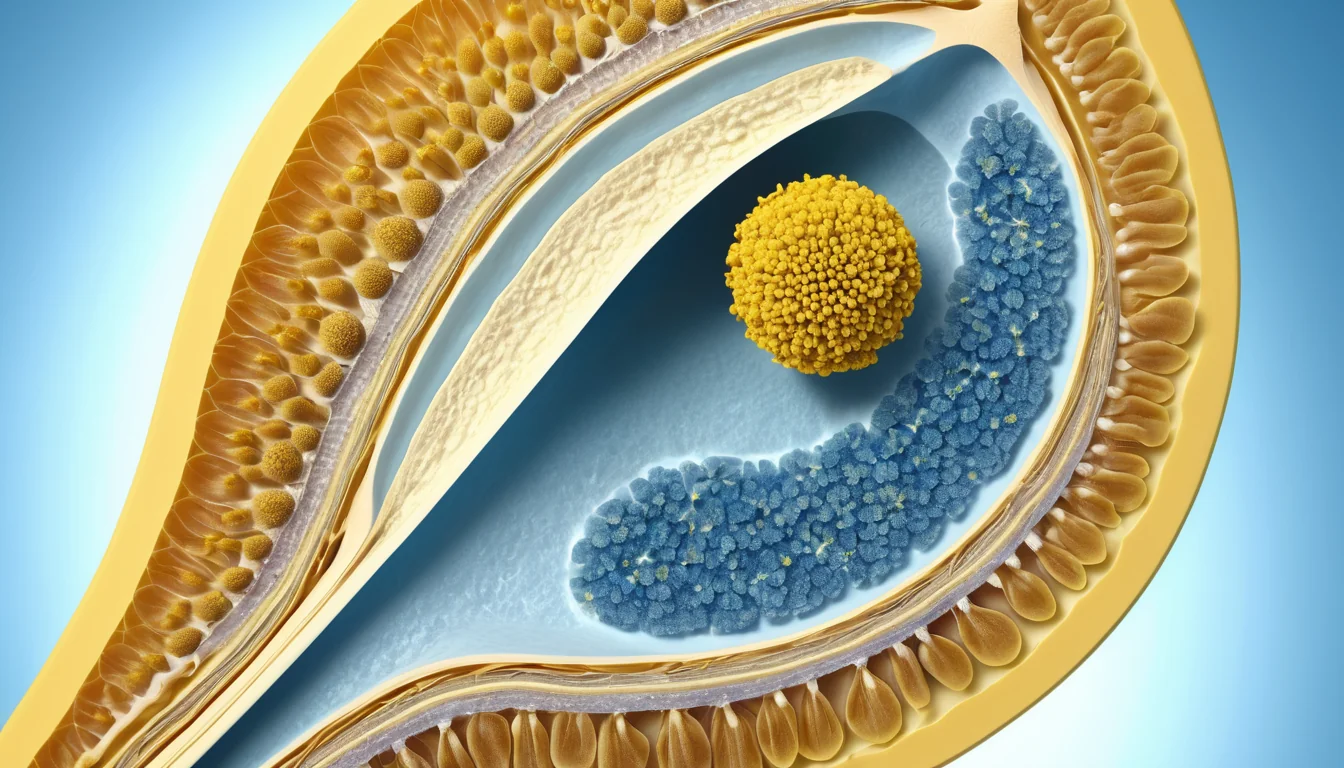
Rapeseed pollen prostate support is becoming a popular topic among Canadian men searching for natural ways to maintain urinary and prostate health. Derived from the bright yellow flowers of the canola plant grown widely across the Canadian Prairies, rapeseed pollen extract is rich in proteins, vitamins, minerals, and omega-3 fatty acids that play a vital role in overall wellness.
How Rapeseed Pollen Prostate Support Works for Canadian Men
Early research into natural prostate supplements in Canada suggests that rapeseed pollen benefits for men may include relief from symptoms of benign prostatic hyperplasia (BPH), such as frequent urination and weak urine flow. As more Canadian men explore evidence-based natural options, understanding what rapeseed pollen offers and how it works is an important first step toward making informed health decisions.
What Is Rapeseed Pollen?
| Treatment Option | Key Benefits | Considerations | Evidence Level |
|---|---|---|---|
| Rapeseed Pollen Extract (e.g., Cernilton) | Reduces urinary frequency and urgency; anti-inflammatory properties; generally well tolerated with minimal side effects | Not yet a standard Health Canada-approved therapy; quality of supplements varies; consult a physician before use | Moderate — supported by several randomized controlled trials for BPH and chronic prostatitis |
| Alpha-Blockers (e.g., Tamsulosin) | Rapidly relaxes prostate and bladder neck muscles; improves urine flow within days; widely prescribed in Canada | May cause dizziness, low blood pressure, or retrograde ejaculation; requires ongoing prescription management | High — first-line pharmaceutical treatment per Canadian Urological Association guidelines |
| 5-Alpha Reductase Inhibitors (e.g., Finasteride) | Shrinks prostate over time; reduces risk of acute urinary retention; long-term symptom improvement | Takes 3–6 months for full effect; potential sexual side effects including reduced libido and erectile dysfunction | High — well established for moderate-to-severe BPH in Canadian clinical practice |
| Lifestyle Modifications | No medication side effects; improves overall health; reduces symptom burden through diet, exercise, and fluid management | Modest symptom relief alone; best used as an adjunct to other therapies rather than a standalone treatment | Moderate — recommended as foundational care by Canadian urologists for all stages of prostate conditions |
| Saw Palmetto (Serenoa repens) | Popular natural supplement; some evidence for mild urinary symptom relief; widely available in Canadian health stores | Clinical evidence is inconsistent; large trials show limited benefit over placebo; product standardization is lacking | Low-to-Moderate — results mixed across clinical trials; less robust than rapeseed pollen prostate research |
Rapeseed pollen comes from the rapeseed plant, known scientifically as Brassica napus. This plant belongs to the mustard family and is widely grown across Canada, particularly on the Prairies. You may know it better as canola.
Bees collect pollen from these bright yellow flowers. The pollen is then processed into extracts used in natural health supplements. These extracts are packed with biologically active compounds that researchers have studied for their potential health benefits.
Key Nutrients Found in Rapeseed Pollen
Rapeseed pollen is considered a nutrient-dense natural product. It contains a wide range of compounds that support overall wellness.
Here is what you will typically find in a rapeseed pollen extract:
- Proteins and essential amino acids – Support muscle repair and immune function
- Omega-3 fatty acids – Help reduce inflammation throughout the body
- Vitamin E – Protects cells from oxidative stress
- Flavonoids and carotenoids – Act as antioxidants to fight cell damage
- Enzymes and coenzymes – Support healthy metabolic processes
- Minerals – Including zinc, which is closely linked to prostate health
According to Healthline’s overview of bee pollen nutrition, pollen-based products contain a broad spectrum of nutrients that may benefit human health in several ways.
How Rapeseed Pollen Supports Prostate Health
The prostate is a small gland that sits just below the bladder in men. As men age, this gland often becomes enlarged. This condition is called benign prostatic hyperplasia, or BPH. It can cause uncomfortable urinary symptoms like frequent trips to the bathroom, weak urine flow, or a feeling that the bladder never fully empties.
Research into rapeseed pollen for prostate health suggests the extract may help maintain normal prostate size and function. The anti-inflammatory compounds in pollen, especially flavonoids, may help calm prostate tissue. Furthermore, vitamin E in the extract helps protect prostate cells from damage caused by free radicals.
What the Research Says
Studies on pollen extracts for prostate health have been ongoing since the 1980s. Much of the early research came from Europe and Asia, where pollen-based supplements have a long history of traditional use. Results have generally been promising, though researchers note that larger clinical trials are still needed.
The Mayo Clinic’s guide to BPH explains that lifestyle choices and natural supplements are often the first step men explore before considering medication. Always speak with your family doctor before starting any new supplement, especially if you already have a prostate condition.
Urinary Tract Benefits
Rapeseed pollen for prostate health also appears to benefit the urinary tract more broadly. When the prostate gland is healthy and a normal size, urine flows more freely. Men who use pollen-based supplements often report fewer nighttime bathroom trips and improved urinary flow.
However, it is important to understand that supplements are not a replacement for medical treatment. If you are experiencing serious urinary symptoms, your provincial health plan covers visits to your family doctor or a walk-in clinic. Getting checked is always the right move.
Antioxidant Properties and Overall Wellness
Beyond the prostate, rapeseed pollen offers broader health benefits linked to its antioxidant content. Antioxidants are compounds that protect your cells from damage caused by unstable molecules called free radicals. Over time, free radical damage is linked to chronic disease, including heart disease and certain cancers.
Vitamin E, found naturally in rapeseed pollen extract, is one of the most well-known antioxidant vitamins. It works to protect cell membranes throughout the body. In addition, the flavonoids and carotenoids in pollen extract add another layer of antioxidant protection.
Heart and Blood Vessel Support
The omega-3 fatty acids in rapeseed pollen may also support healthy heart function and blood vessel integrity. Omega-3s are known to help reduce triglyceride levels and lower inflammation in blood vessels. This is especially relevant for Canadian men over 50, who face higher risks of both heart disease and prostate issues at the same time.
According to Health Canada’s guidance on vitamins and minerals, getting enough key nutrients through food or supplements supports long-term health outcomes.
Rapeseed Pollen and Immune System Support
A healthy immune system helps your body fight infections, reduce inflammation, and recover from illness. Rapeseed pollen contains nutrients that play a direct role in immune function. Zinc, for example, is critical for producing immune cells. Vitamin E also helps regulate immune responses.
Men who feel consistently tired or run down may find that nutritional gaps are contributing to low energy. Rapeseed pollen is sometimes used as a natural energy booster, thanks to its combination of proteins, carbohydrates, and vitamins. Therefore, some users report feeling more alert and vital after regular use.
Fighting Fatigue Naturally
Fatigue is a common complaint among Canadian men, especially those juggling demanding work schedules and family responsibilities. While rapeseed pollen is not a cure for chronic fatigue, its nutrient profile may help fill gaps in a busy man’s diet. Think of it as nutritional support rather than a quick fix.
As always, persistent fatigue should be discussed with your family doctor. It can sometimes signal an underlying condition that needs proper assessment.
When to See a Doctor
Rapeseed pollen supplements may offer real benefits for prostate and urinary health, but they are not a substitute for proper medical care. If you notice any of the following symptoms, book an appointment with your family doctor or visit a walk-in clinic right away:
- Difficulty starting or stopping urination
- Blood in your urine or semen
- Painful urination or ejaculation
- Frequent urges to urinate, especially at night
- Lower back, hip, or pelvic pain that does not go away
In Canada, prostate health screenings are available through your provincial health plan. Men over 50, or over 40 with a family history of prostate cancer, should talk to their doctor about regular PSA (prostate-specific antigen) testing. Early detection makes a significant difference in outcomes.
Your family doctor can also help you decide whether a rapeseed pollen supplement is appropriate for your situation. Some supplements interact with medications or may not be suitable for everyone. Getting professional guidance is always the safest approach.
What is rapeseed pollen used for in men’s health?
Rapeseed pollen for prostate health is most commonly used to support normal prostate function and urinary flow in men. It contains antioxidants, omega-3 fatty acids, and vitamins that may help reduce inflammation and protect prostate cells. Some men also use it to boost energy and support immune function.
Is rapeseed pollen the same as canola pollen?
Yes, rapeseed and canola come from the same plant species, Brassica napus, which is widely grown across the Canadian Prairies. Canola is simply a variety of rapeseed that was developed in Canada to have lower levels of certain compounds. Pollen extracts used in supplements typically come from this same plant family.
Can rapeseed pollen help with an enlarged prostate?
Some research suggests that rapeseed pollen for prostate health may help maintain normal prostate size and reduce urinary symptoms associated with benign prostatic hyperplasia (BPH). However, supplements should not replace treatment prescribed by your doctor. Always consult your family doctor or a walk-in clinic if you are experiencing prostate symptoms.
Are there any side effects of rapeseed pollen supplements?
Rapeseed pollen supplements are generally considered safe for most people when taken as directed. However, men with pollen allergies should use caution and speak with a doctor before trying any pollen-based product. As with any natural health supplement in Canada, check the label for Health Canada’s Natural Product Number (NPN) to ensure quality and safety.
How long does it take for rapeseed pollen to work for prostate health?
Results vary from person to person, and natural supplements generally take longer to show effects than prescription medications. Many users of rapeseed pollen for prostate health report noticing changes in urinary comfort and energy levels after several weeks of consistent use. Patience and regular use are key, and tracking your symptoms can help you and your doctor assess whether it is working.
Where can I buy rapeseed pollen supplements in Canada?
According to Mayo Clinic’s guide to benign prostatic hyperplasia (BPH), this information is supported by current medical research.
For more information, read our guide on hormonal health conditions like pituitary tumours.
Rapeseed pollen supplements and other pollen-based natural health products are available at health food stores, natural health centres, and some pharmacies across Canada. When shopping, look for products that carry Health Canada’s Natural Product Number (NPN) on the label. Your pharmacist can also help you choose a reputable brand and check for interactions with any medications you currently take.
Key Takeaways
- Rapeseed pollen for prostate health is a natural supplement with a long history of traditional use, backed by early scientific research.
- It contains proteins, omega-3 fatty acids, vitamin E, flavonoids, and minerals that support prostate, urinary, heart, and immune health.
- The antioxidant properties of rapeseed pollen, particularly from vitamin E and flavonoids, help protect cells from damage over time.
- Canadian men over 50 should speak with their family doctor about prostate screening, which is covered under most provincial health plans.
- Natural supplements work best as part of a healthy lifestyle that includes a balanced diet, regular exercise, and routine medical checkups.
- Always consult your family doctor or visit a walk-in clinic before starting any new supplement, especially if you take prescription medications or have an existing health condition.
Frequently Asked Questions
What is rapeseed pollen and how is it used for prostate health?
Rapeseed pollen is a natural extract derived from the Brassica napus plant, concentrated into a standardized supplement. It contains phytosterols and anti-inflammatory compounds believed to support prostate function. In Canada, it is commonly marketed to help manage benign prostatic hyperplasia (BPH) symptoms, including urinary flow issues and frequent nighttime urination.
What are the symptoms of BPH that rapeseed pollen may help treat?
Benign prostatic hyperplasia symptoms include weak urine stream, frequent urination, incomplete bladder emptying, nighttime urination (nocturia), and urgency. Rapeseed pollen supplements may help reduce these symptoms by relaxing urethral muscles and decreasing prostate inflammation, though results vary between individuals and clinical evidence remains limited.
Can rapeseed pollen prostate supplements replace prescription medications in Canada?
No, rapeseed pollen prostate supplements should not replace prescription medications like alpha-blockers or 5-alpha reductase inhibitors without medical guidance. While some studies suggest modest symptom improvement, these supplements are not approved treatments by Health Canada. Always consult a Canadian physician before substituting or combining them with prescribed prostate therapies.
How can Canadian men reduce their risk of prostate enlargement naturally?
Canadian men can support prostate health by maintaining a healthy weight, exercising regularly, limiting alcohol and red meat consumption, and eating a diet rich in vegetables, omega-3 fatty acids, and lycopene. Some men explore natural supplements like rapeseed pollen, but these should complement — not replace — proven lifestyle strategies and regular medical checkups.
When should a Canadian man see a doctor about prostate symptoms?
See a doctor promptly if you experience painful urination, blood in urine or semen, inability to urinate, or symptoms that significantly disrupt sleep and daily life. Men over 50, or over 40 with a family history of prostate disease, should schedule regular prostate screenings regardless of symptoms, as early detection improves treatment outcomes.

About the Author
Dr. Sarah Mitchell, MDDr. Sarah Mitchell is a board-certified family physician with over 15 years of clinical experience. She completed her MD at the University of Toronto and her residency at Toronto General Hospital. Dr. Mitchell specializes in preventive medicine and chronic disease management. She is a member of the College of Family Physicians of Canada (CFPC) and has published over 30 peer-reviewed articles on preventive health care.
View all articles →