Prostate Health: What Every Canadian Man Should Know

Share
Prostate health matters more than most Canadian men realize, yet problems with this small walnut-shaped gland are among the most common health concerns for men over 50 in Canada. Understanding how your prostate works and what can go wrong is the first step toward protecting it for the long term.
Why Prostate Health Matters for Canadian Men Over 50
The prostate sits just below the bladder and plays a critical role in both urinary and reproductive function. As men age, the risk of developing conditions like benign prostatic hyperplasia BPH or prostatitis increases significantly. By learning to recognize enlarged prostate symptoms early and making informed lifestyle choices, Canadian men can take control of their well-being before small issues become serious.
What Is the Prostate and What Does It Do?
| Risk Factor | Impact on Prostate Health | Level of Risk | Prevention & Management |
|---|---|---|---|
| Age (50+) | Risk of BPH and prostate cancer increases significantly after age 50; majority of diagnoses occur in men over 65 | High | Regular PSA screening and digital rectal exams; discuss screening schedule with your family physician |
| Family History | Having a first-degree relative (father or brother) with prostate cancer doubles your risk; multiple affected relatives increases risk further | High | Begin screening at age 40–45; inform your doctor of family history; consider genetic counselling |
| Ethnicity | Black Canadian men have a significantly higher incidence rate and are more likely to be diagnosed at a younger age with more aggressive disease | High | Earlier screening starting at age 40; more frequent monitoring; open discussion with healthcare provider |
| Diet High in Saturated Fat | Diets rich in red meat and processed foods are associated with increased inflammation and higher prostate cancer risk | Moderate | Adopt a diet rich in vegetables, fruits, and omega-3 fatty acids; limit processed and red meat consumption |
| Obesity & Physical Inactivity | Excess body weight is linked to more aggressive prostate cancer and poorer treatment outcomes; sedentary lifestyle compounds risk | Moderate | Maintain a healthy BMI; aim for 150 minutes of moderate activity per week as recommended by Health Canada |
| Smoking | Associated with increased risk of aggressive prostate cancer and higher mortality rates following diagnosis | Moderate | Quit smoking; access free cessation resources through provincial health programs or 1-866-366-3667 (Canada) |
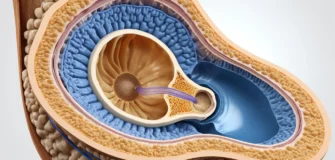
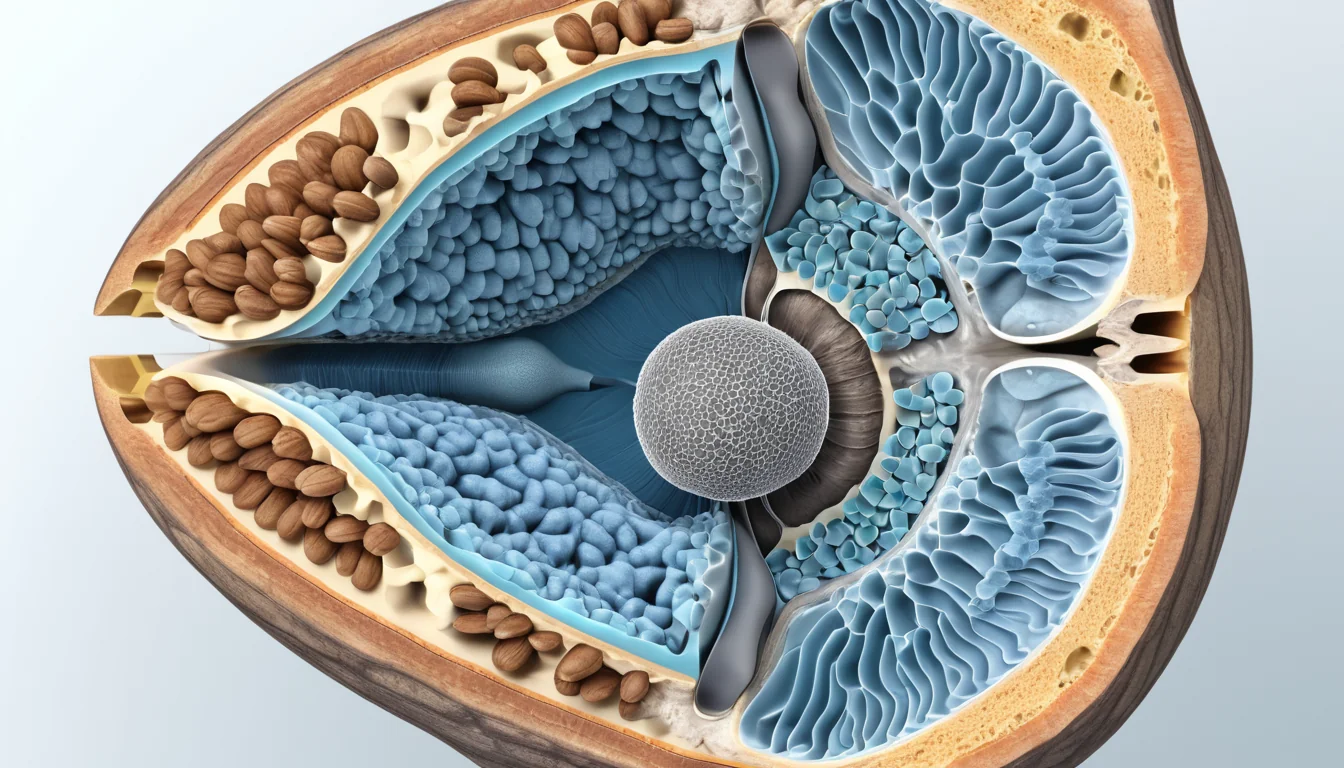
The prostate is a muscular gland about the size of a chestnut. It sits just below the bladder and wraps around the upper part of the urethra — the tube that carries urine and semen out of the body.
The prostate begins developing in the third month of fetal growth. By adulthood, it reaches about 3.8 cm in length and weighs between 20 and 30 grams. It contains 30 to 50 tiny glands that produce a milky fluid. This fluid mixes with sperm during ejaculation.
The tissues surrounding the prostate’s secretory channels are made up of smooth muscle, elastic fibres, and collagen. These provide structure and support. Because of where the prostate sits, any growth or swelling can press on the urethra and cause problems.
The Internal Structure of the Prostate
The prostate has three internal lobes. The inner lobe surrounds the urethra directly. In older men, this inner lobe is the one most likely to enlarge and squeeze the urethra, leading to a condition known as benign prostatic hyperplasia (BPH).
The outer lobes, or capsules, are a different matter. Surgeons preserve these during BPH procedures. However, the outer lobes are also where prostate cancer most often develops. This is why regular screening matters so much for prostate health as men age.
Common Prostate Problems Canadian Men Face
Prostate problems generally fall into three main categories. Knowing the difference helps you have a better conversation with your family doctor or at a walk-in clinic.
- Prostatitis — inflammation of the prostate gland
- Benign prostatic hyperplasia (BPH) — a non-cancerous enlargement of the prostate
- Prostate cancer — malignant growth within the prostate
Long-term stimulation by testosterone causes the prostate to grow, usually around age 50. In fact, about 60% of men in their 60s and 80% of men in their 80s experience some degree of prostate enlargement. This is a very common part of aging for men worldwide.
According to Health Canada, prostate conditions are a leading health concern for older Canadian men. Diet, physical activity, and genetics all play a role in your risk.
Prostatitis: Three Types of Prostate Inflammation
Prostatitis means inflammation of the prostate. It affects men of all ages, including younger men. There are three main types, and each one has a different cause and treatment.
Type 1 — Bacterial Prostatitis (Acute)
This type is caused by a bacterial infection. It comes on suddenly and is the easiest type to diagnose. Your doctor will likely prescribe antibiotics, and most men recover fully with treatment.
Common symptoms include fever, chills, lower back pain, and a strong urge to urinate frequently. These symptoms tend to be intense and hard to ignore. Acute bacterial prostatitis is the type most often seen in younger men.
Type 2 — Chronic Bacterial Prostatitis
This type is trickier. Bacterial cultures often come back negative, even when an infection is present. The cause may be organisms that behave like bacteria, such as mycoplasma or chlamydia. These require specialized testing to identify.
Newer diagnostic tools can detect these microorganisms more accurately. Once identified, your doctor can choose the right treatment. For younger men especially, prostate health is closely linked to overall reproductive health. A healthy lifestyle goes a long way in keeping this gland functioning well for years.
Type 3 — Prostatodynia (Non-Bacterial Prostatitis)
This type is not caused by any microorganism. Many urologists believe chronic stress plays a key role. Stress can cause tension in the pelvic muscles and sphincter muscles involved in urination.
Treatment often includes muscle-relaxing medications. However, regular physical activity is an even better option. Exercise relieves tension and stress, which may directly reduce prostate-related symptoms. Furthermore, staying active supports your overall prostate health over time.
Benign Prostatic Hyperplasia (BPH): An Enlarged Prostate
Benign prostatic hyperplasia — or BPH — is a non-cancerous enlargement of the prostate. It is extremely common as men age. At age 20, the prostate is roughly the size of a walnut. By age 50, it can grow to the size of a lemon in some men.
Small nodules in the prostate can begin forming as early as age 30. However, not everyone develops noticeable symptoms. When symptoms do appear, they typically affect urination. Learn more about BPH symptoms and diagnosis at Mayo Clinic’s guide to BPH.
Common BPH Symptoms
- A sudden, urgent need to urinate
- Frequent urination, especially at night
- Hesitation or difficulty starting to urinate
- A feeling that the bladder is never fully empty
- A weak urine stream
These symptoms can seriously disrupt daily life and sleep. If you recognize them, speak with your family doctor or visit a walk-in clinic. BPH is very treatable, especially when caught early.
The Role of Hormones in Prostate Enlargement
Research shows that testosterone alone does not directly cause BPH. Instead, a testosterone by-product called dihydrotestosterone (DHT) is the real culprit. The body converts testosterone into DHT using an enzyme called 5-alpha reductase.
DHT binds to prostate cells and stimulates their growth. Men who do not produce DHT — due to certain rare conditions — do not develop BPH. This connection has led to a class of medications that block 5-alpha reductase, successfully reducing prostate size in many men.
Interestingly, DHT is also associated with male pattern baldness. However, unlike testosterone, DHT does not contribute to muscle growth or strength. This is an important distinction for men who are physically active.
Zinc and Prostate Health
One mineral stands out in prostate health research: zinc. Zinc appears to help slow the conversion of testosterone into DHT. The prostate naturally contains high concentrations of zinc, more than almost any other organ in the body.
Getting enough zinc through your diet supports healthy prostate function. Good dietary sources include pumpkin seeds, legumes, whole grains, meat, and shellfish. As always, speak to your doctor before starting any new supplement. High-dose zinc supplements can actually interfere with the absorption of other minerals.
For a deeper look at how nutrients affect men’s health, visit Healthline’s overview of zinc and its health benefits.
Lifestyle Habits That Support Prostate Health
You have more control over your prostate health than you might think. Small, consistent habits can make a meaningful difference over time. Here are some evidence-informed steps you can take starting today.
- Stay physically active. Regular exercise reduces pelvic tension, supports hormonal balance, and lowers inflammation.
- Eat a fibre-rich diet. Fruits, vegetables, and whole grains support overall hormonal health.
- Limit red meat and high-fat dairy. Some research links these to higher prostate cancer risk.
- Manage stress. Chronic stress worsens pelvic muscle tension, which can aggravate prostatitis symptoms.
- Stay hydrated. Drinking enough water supports urinary tract health.
- Avoid smoking. Smoking is linked to more aggressive prostate disease outcomes.
These habits support your prostate health at every stage of life, not just after a diagnosis. Think of them as part of your everyday wellness programme.
When to See a Doctor About Prostate Problems
Do not wait until symptoms become severe. Many prostate conditions respond much better to early treatment. If you notice any changes in your urinary habits, it is worth getting checked out. Your provincial health plan covers visits to your family doctor for this type of concern.
Book an appointment with your family doctor if you experience:
- Pain or burning during urination
- Blood in your urine or semen
- Frequent nighttime urination that disrupts your sleep
- Difficulty starting or stopping urination
- Pain in the lower back, hips, or pelvis
- Fever or chills alongside urinary symptoms
If you do not have a family doctor, a walk-in clinic can assess your symptoms and refer you to a urologist if needed. Most provincial health plans cover specialist referrals. Men over 50 — or those with a family history of prostate cancer — should talk to their doctor about regular PSA (prostate-specific antigen) screening. Always consult a qualified healthcare provider before starting any treatment or supplement for prostate health.
Frequently Asked Questions About Prostate Health
What are the early warning signs of prostate problems?
Early signs of prostate problems often involve changes in urination. These include needing to urinate more often, waking up at night to urinate, a weak stream, or difficulty starting to urinate. Good prostate health awareness means noticing these changes early and speaking with your family doctor.
At what age should Canadian men start worrying about prostate health?
Most prostate health concerns become more common after age 50, but prostate changes can begin as early as age 30. Men with a family history of prostate cancer should speak with their doctor about screening by age 40 to 45. Your provincial health plan covers prostate health discussions with your family doctor.
Is an enlarged prostate the same as prostate cancer?
No — an enlarged prostate, or BPH, is a non-cancerous condition. It is very common in older men and is not the same as prostate cancer. However, both conditions can cause similar urinary symptoms, so it is important to see a doctor for proper diagnosis and to protect your prostate health.
Can diet and exercise improve prostate health?
Yes — a healthy diet and regular physical activity are among the best things you can do for your prostate health. Eating fibre-rich foods, reducing red meat, staying active, and managing stress all support a healthy prostate. Exercise in particular can ease pelvic muscle tension linked to prostatitis symptoms.
What is the difference between prostatitis and BPH?
Prostatitis is inflammation of the prostate, often caused by bacteria, and can affect men of any age. BPH (benign prostatic hyperplasia) is a non-cancerous enlargement that mainly affects older men. Both conditions affect prostate health and urination, but they have different causes and treatments.
Does zinc really help with prostate health?
According to Public Health Agency of Canada’s prostate cancer screening guidelines, this information is supported by current medical research.
For more information, read our guide on how pituitary tumours affect hormonal balance in men.
Zinc is one of the most studied minerals for prostate health. The prostate naturally stores high levels of zinc, and research suggests it may help regulate DHT, the hormone linked to prostate enlargement. Getting zinc through food sources like pumpkin seeds and legumes is a safe approach, but talk to your doctor before taking supplements.
Key Takeaways
- The prostate is a small gland that surrounds the urethra and plays an important role in reproductive and urinary function.
- The three main prostate conditions are prostatitis (inflammation), BPH (enlargement), and prostate cancer.
- Prostatitis comes in three types: bacterial (acute), chronic bacterial, and non-bacterial (prostatodynia).
- BPH is caused largely by dihydrotestosterone (DHT), a by-product of testosterone, not testosterone itself.
- Zinc may help slow DHT production and supports overall prostate health.
- Lifestyle habits — including exercise, a fibre-rich diet, and stress management — protect your prostate at every age.
- Canadian men should talk to their family doctor about prostate screening, especially after age 50.
- Always consult a healthcare provider for any symptoms or concerns related to your prostate health.
Frequently Asked Questions
What is prostate health and why does it matter for men?
Prostate health refers to the proper functioning of the walnut-sized gland that produces seminal fluid. It matters because prostate conditions — including benign enlargement, prostatitis, and prostate cancer — affect roughly 1 in 8 Canadian men. Maintaining prostate health supports urinary function, sexual health, and overall quality of life.
What are the warning signs of prostate problems in men?
Common warning signs include frequent or urgent urination, difficulty starting or stopping urine flow, weak urine stream, painful urination, blood in urine or semen, and pelvic discomfort. Erectile dysfunction can also signal prostate issues. These symptoms don’t always indicate cancer but should never be ignored or self-diagnosed.
How is prostate cancer treated in Canada?
Treatment depends on the cancer’s stage and grade. Canadian options include active surveillance, surgery (radical prostatectomy), radiation therapy, hormone therapy, and chemotherapy. Many early-stage cases are monitored without immediate intervention. Treatment decisions are made collaboratively between patients and their urologist or oncologist through provincial cancer care programs.
Can diet and lifestyle improve prostate health naturally?
Yes. Research supports eating a diet rich in tomatoes (lycopene), cruciferous vegetables, fatty fish, and green tea. Limiting red meat, processed foods, and excess dairy may reduce risk. Regular exercise, maintaining a healthy weight, and avoiding smoking also support prostate health and may lower the risk of prostate disease.
When should Canadian men see a doctor about prostate health?
Canadian men should discuss prostate screening with their doctor starting at age 50, or age 40–45 if they have a family history of prostate cancer or are of African descent. See a doctor immediately if you experience painful urination, blood in urine, or sudden inability to urinate, regardless of age.

About the Author
Dr. Sarah Mitchell, MDDr. Sarah Mitchell is a board-certified family physician with over 15 years of clinical experience. She completed her MD at the University of Toronto and her residency at Toronto General Hospital. Dr. Mitchell specializes in preventive medicine and chronic disease management. She is a member of the College of Family Physicians of Canada (CFPC) and has published over 30 peer-reviewed articles on preventive health care.
View all articles →