Pheochromocytoma Symptoms: Diagnosis & Treatment Canada

Share
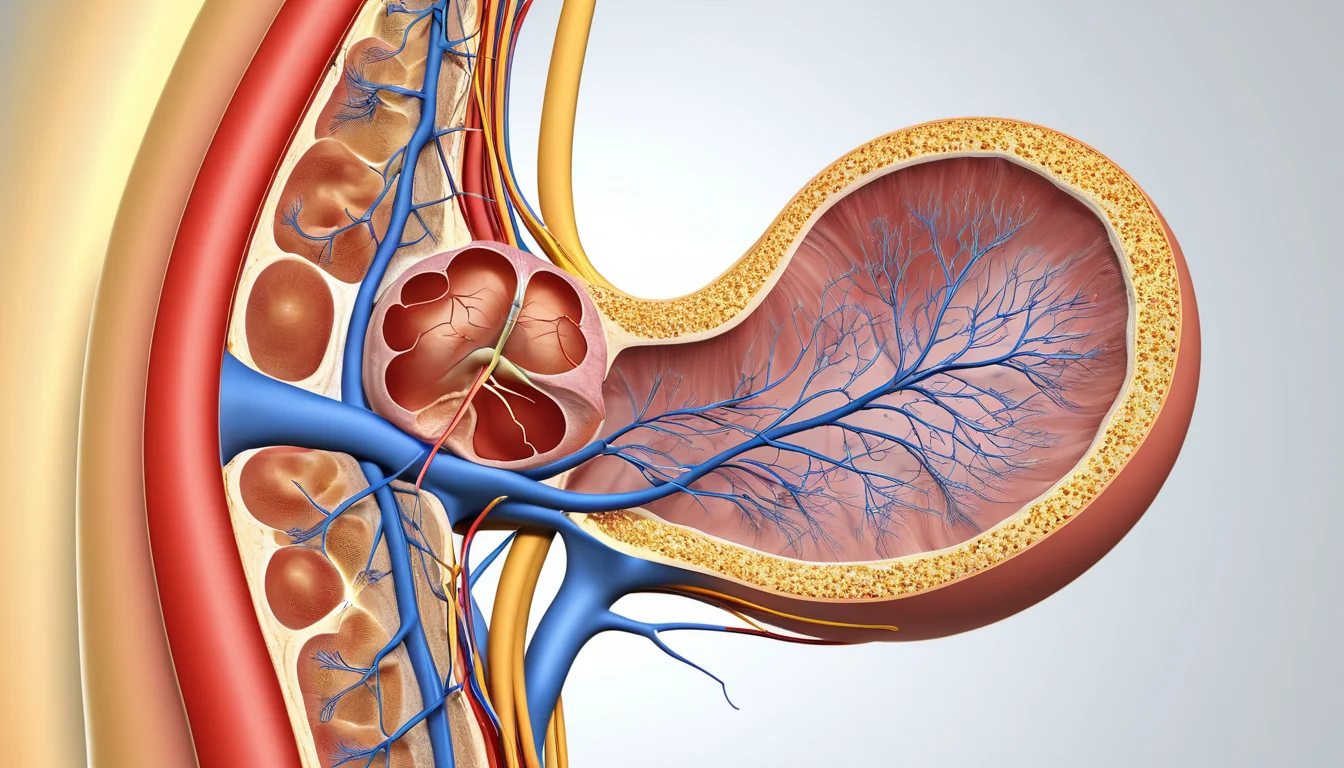
Pheochromocytoma symptoms can appear suddenly and feel alarming — from dangerously high blood pressure and rapid heartbeat to excessive sweating and severe headaches. This rare tumour develops in the adrenal glands, which sit just above your kidneys, and forces the body to release far too many stress hormones. While most pheochromocytomas are not cancerous, all of them demand prompt medical attention.
Recognizing Pheochromocytoma Symptoms Early
For Canadians seeking a clear understanding of this condition, knowing how pheochromocytoma diagnosis works and what treatment options are available is essential. Whether you are experiencing unexplained blood pressure spikes or have a family history of adrenal gland tumours, this guide covers everything you need to know — from early warning signs to surgery, radiation therapy, and long-term care available across Canada.
What Is Pheochromocytoma?
| Symptom | Description | Severity | When to Seek Care |
|---|---|---|---|
| Hypertensive Episodes (High Blood Pressure) | Sudden, severe spikes in blood pressure, often occurring in unpredictable episodes lasting minutes to hours | Severe | Seek emergency care immediately if blood pressure exceeds 180/120 mmHg |
| Palpitations and Rapid Heart Rate | Awareness of a pounding, racing, or irregular heartbeat caused by excess catecholamine release | Moderate to Severe | Contact a healthcare provider promptly; go to emergency if accompanied by chest pain |
| Severe Headaches | Sudden, intense, throbbing headaches often occurring alongside blood pressure spikes | Moderate to Severe | Seek urgent care if headache is sudden and described as “the worst of your life” |
| Excessive Sweating (Diaphoresis) | Profuse, unexplained sweating unrelated to physical activity or environmental temperature | Mild to Moderate | Discuss with your family physician, especially if recurring alongside other symptoms |
| Pallor or Skin Flushing | Sudden paleness or redness of the face and upper body triggered by catecholamine surges | Mild | Monitor and report to a healthcare provider if episodes are frequent or worsening |
| Anxiety and Tremors | Feelings of intense anxiety, panic, or shakiness without a psychological cause, driven by adrenaline excess | Mild to Moderate | Consult a physician to rule out endocrine causes before pursuing mental health treatment |
Pheochromocytoma is a tumour that develops from chromaffin cells. These are special cells found mainly in the adrenal glands. You have two adrenal glands — one sitting on top of each kidney, in your upper abdomen.
These glands produce hormones that are vital for your body to function properly. When a pheochromocytoma grows, it causes the glands to release far too many of these hormones. In rare cases, the tumour can grow outside the adrenal glands — for example, near the heart or bladder.
Most pheochromocytomas affect only one adrenal gland. However, some people develop tumours in both glands. According to Mayo Clinic, this condition is rare, affecting roughly 1 in 100,000 people each year.
Benign vs. Malignant Pheochromocytoma
The good news is that most pheochromocytomas are benign, meaning they do not spread to other parts of the body. However, a small number are malignant, or cancerous, and can spread to nearby tissues or distant organs.
Your doctor must determine whether your tumour is benign or malignant. This step is essential for planning the right treatment.
How Pheochromocytoma Affects Your Body
Pheochromocytoma triggers the overproduction of hormones called catecholamines. These include adrenaline (epinephrine) and noradrenaline (norepinephrine). When these hormones flood your body, your blood pressure rises sharply.
High blood pressure that goes untreated can lead to serious problems. These include heart disease, stroke, and heart attack. This is why recognising the symptoms early is so important.
Common Symptoms
The most common symptoms of pheochromocytoma include:
- Severe headaches that come on suddenly
- Heavy sweating, even without physical activity
- Heart palpitations — a pounding or racing heartbeat
- Chest pain or tightness behind the breastbone
- Feelings of anxiety or panic for no clear reason
- High blood pressure that is hard to control with medication
- Pale skin and trembling
These episodes can come and go. They may last a few minutes or several hours. For many people, symptoms appear suddenly and feel very frightening. If you experience any of these signs, speak to your family doctor or visit a walk-in clinic as soon as possible.
Diagnosing Pheochromocytoma
Diagnosing pheochromocytoma starts with your medical history and a physical exam. Your doctor will ask about your symptoms and how often they occur. From there, several tests help confirm the diagnosis.
Blood and Urine Tests
Your doctor will order blood and urine tests to measure catecholamine levels. Elevated levels of these hormones are a strong sign that a pheochromocytoma may be present. A 24-hour urine collection test is often used because it gives a complete picture of hormone output over a full day.
Imaging Tests
If blood and urine results point to pheochromocytoma, your doctor will arrange imaging tests. These help locate the tumour.
- CT scan (computed tomography): Uses X-rays to create detailed images of your internal organs.
- MRI (magnetic resonance imaging): Uses magnetic waves to produce clear images of soft tissues. This is often preferred for detecting adrenal tumours.
- MIBG scan: A specialised nuclear medicine scan that can detect tumours producing catecholamines, even in unusual locations.
In Canada, these tests are covered under most provincial health plans when ordered by your doctor. Your family doctor or a specialist called an endocrinologist will guide you through the process. Learn more about imaging and diagnostic services through Health Canada.
Pheochromocytoma and Multiple Endocrine Neoplasia
In some cases, pheochromocytoma is part of a larger condition called Multiple Endocrine Neoplasia (MEN). People with MEN may also have thyroid cancer and other hormonal disorders alongside pheochromocytoma.
If your doctor suspects MEN, genetic testing may be recommended. This can also help identify family members who may be at risk.
Stages of Pheochromocytoma
Once a pheochromocytoma is diagnosed, your medical team will determine its stage. Staging describes how far the tumour has spread. Knowing the stage helps plan the most effective treatment.
The Four Stages
- Localised benign pheochromocytoma: The tumour stays in one area and has not spread to other tissues. This is the most common form and is not cancerous.
- Regional pheochromocytoma: The malignant tumour has spread to nearby lymph nodes or surrounding tissues. Lymph nodes are small, bean-shaped structures that help your body fight infection.
- Metastatic pheochromocytoma: Cancer cells have spread to distant parts of the body, such as the bones, liver, or lungs.
- Recurrent pheochromocytoma: The tumour has come back after treatment. It may return in the same location or in a different area of the body.
Your outlook and chances of recovery depend on the stage at diagnosis, your age, and your overall health. Early-stage pheochromocytoma generally has a much better prognosis than advanced or metastatic disease.
Treatment Options for Pheochromocytoma
Treatment for pheochromocytoma depends on whether the tumour is benign or malignant and how far it has spread. There are three main treatment approaches: surgery, radiation therapy, and chemotherapy.
Surgery
Surgery is the most common and most effective treatment for pheochromocytoma. The surgeon removes one or both adrenal glands in a procedure called an adrenalectomy (also called a suprarenal ectomy). Minimally invasive laparoscopic surgery is often used, which means a shorter recovery time.
After the glands are removed, the surgeon carefully examines the abdominal area. This confirms that all tumour tissue has been taken out. If the cancer has spread, nearby lymph nodes or affected tissues may also be removed.
Before surgery, your doctor will prescribe medications to control your blood pressure. This step is critical to make the operation as safe as possible.
Radiation Therapy
Radiation therapy uses high-energy X-rays or other forms of energy to destroy cancer cells. It is not always the first choice for pheochromocytoma. However, it may be used when surgery is not possible or when the cancer has spread.
A specialised form called MIBG therapy delivers radiation directly to tumour cells. It is particularly useful for metastatic pheochromocytoma.
Chemotherapy
Chemotherapy uses powerful drugs to kill cancer cells. It is typically used for malignant pheochromocytoma that has spread beyond the adrenal glands. These drugs can be taken by mouth or given through an intravenous (IV) line directly into a vein.
Chemotherapy affects the whole body, not just the tumour. As a result, it can cause side effects such as fatigue, nausea, and hair loss. Your medical team will work to manage these effects throughout your treatment.
For more detailed information on cancer treatments available in Canada, visit Healthline’s guide to pheochromocytoma.
When to See a Doctor
You should see a doctor right away if you experience sudden, severe headaches combined with heavy sweating, a racing heart, or chest pain. These symptoms can also signal other serious conditions, so do not wait to get checked.
If you have high blood pressure that does not respond well to medication, bring this up with your family doctor. It is a key warning sign that something else may be going on. If you do not have a family doctor, a walk-in clinic can assess your symptoms and refer you for further testing through your provincial health plan.
Always consult a qualified healthcare provider before making any decisions about your health. Only your doctor can properly diagnose and treat conditions like pheochromocytoma.
Frequently Asked Questions About Pheochromocytoma
What are the early warning signs of pheochromocytoma?
The early warning signs of pheochromocytoma include sudden severe headaches, heavy sweating, and a pounding or racing heartbeat. Many people also feel unexplained anxiety or notice their blood pressure spiking for no clear reason. If these symptoms occur together, see your doctor promptly.
Is pheochromocytoma always cancerous?
No, most pheochromocytomas are not cancerous — they are benign tumours. However, about 10% of cases are malignant, meaning the cancer can spread to other parts of the body. Your doctor will run tests to determine whether your pheochromocytoma is benign or malignant.
How is pheochromocytoma diagnosed in Canada?
In Canada, pheochromocytoma is typically diagnosed through blood and urine tests that measure catecholamine hormone levels, followed by imaging tests like a CT scan or MRI. These tests are covered under most provincial health plans when referred by your family doctor. An endocrinologist usually confirms the diagnosis and leads your care team.
Can pheochromocytoma be cured?
Yes, pheochromocytoma can often be cured when it is caught early and has not spread beyond the adrenal gland. Surgical removal of the tumour is the most effective treatment and leads to a full recovery in many patients. Malignant or metastatic pheochromocytoma is harder to treat but can still be managed with surgery, radiation, and chemotherapy.
What causes pheochromocytoma?
The exact cause of pheochromocytoma is not always known. However, about 25–35% of cases are linked to inherited gene mutations, meaning the condition can run in families. It is also associated with genetic syndromes such as Multiple Endocrine Neoplasia (MEN), Von Hippel-Lindau disease, and neurofibromatosis type 1.
Does pheochromocytoma cause high blood pressure?
According to Mayo Clinic’s overview of pheochromocytoma, this information is supported by current medical research.
For more information, read our guide on pituitary tumours and other endocrine conditions in Canada.
Yes, high blood pressure is one of the most common signs of pheochromocytoma. The tumour causes the adrenal glands to release excess catecholamines, which raise blood pressure — sometimes to dangerous levels. If your blood pressure is difficult to control despite medication, your doctor may test you for pheochromocytoma.
Key Takeaways
- Pheochromocytoma is a rare tumour of the adrenal glands that causes overproduction of stress hormones called catecholamines.
- Most pheochromocytomas are benign, but some are malignant and can spread to other parts of the body.
- Key symptoms include severe headaches, sweating, heart palpitations, chest pain, and high blood pressure.
- Diagnosis involves blood and urine tests along with imaging such as CT scans and MRI.
- Surgery is the most common and effective treatment. Radiation therapy and chemotherapy are options for malignant cases.
- Pheochromocytoma can be linked to genetic conditions like Multiple Endocrine Neoplasia (MEN), so family members may also need screening.
- In Canada, diagnostic tests and treatments are available through your provincial health plan. Talk to your family doctor or visit a walk-in clinic if you have concerns.
- Always speak with a qualified healthcare provider for a proper diagnosis and personalised treatment plan.
Frequently Asked Questions
What is a pheochromocytoma?
A pheochromocytoma is a rare tumour that develops in the adrenal glands, located above the kidneys. It causes excessive production of adrenaline and noradrenaline, leading to dangerous spikes in blood pressure. Most cases are non-cancerous, but the condition requires prompt medical treatment to prevent serious cardiovascular complications.
What are the most common pheochromocytoma symptoms?
The most common pheochromocytoma symptoms include severe headaches, heavy sweating, rapid or irregular heartbeat, and sudden episodes of high blood pressure. Other signs include pale skin, trembling, and anxiety. These symptoms often occur in unpredictable episodes lasting minutes to hours, which can be triggered by stress, exercise, or certain foods.
What are the warning signs of pheochromocytoma symptoms that require emergency care?
Seek emergency care immediately if you experience a sudden, severe headache combined with dangerously high blood pressure, chest pain, or stroke-like symptoms. These warning signs of pheochromocytoma symptoms may indicate a hypertensive crisis, which can cause heart attack, stroke, or organ damage if not treated urgently.
How is pheochromocytoma treated in Canada?
The primary treatment for pheochromocytoma in Canada is surgical removal of the tumour, typically performed laparoscopically. Before surgery, doctors prescribe alpha-blocker medications for several weeks to stabilize blood pressure. Most patients experience complete resolution of symptoms after successful surgery. Treatment is available through endocrinology and urology specialists across Canadian hospitals.
Can pheochromocytoma be prevented?
Pheochromocytoma cannot be prevented, as most cases develop spontaneously or due to inherited genetic mutations. However, early detection significantly reduces health risks. Canadians with a family history of related conditions like MEN2 or Von Hippel-Lindau disease should undergo regular genetic screening and monitoring to catch tumours before complications develop.

About the Author
Dr. Michael Ross, MD, FRCSCDr. Michael Ross is a fellowship-trained orthopedic surgeon at the University of Alberta Hospital, specializing in joint replacement and sports medicine. A Fellow of the Royal College of Surgeons of Canada (FRCSC), he has over 18 years of surgical experience and has authored multiple textbook chapters on musculoskeletal health. Dr. Ross is passionate about patient education and evidence-based medicine.
View all articles →