Hyperthyroidism Symptoms: Causes & Treatment in Canada

Share
Hyperthyroidism symptoms can develop gradually or appear suddenly, making this common thyroid condition easy to overlook until it starts affecting your daily life. Also called an overactive thyroid, hyperthyroidism occurs when your thyroid gland floods your body with too many thyroid hormones, speeding up your metabolism and disrupting nearly every system. Left untreated, it can lead to serious complications including heart disease and bone loss — but the good news is that it is highly treatable.
Recognising the Most Common Hyperthyroidism Symptoms
Thyroid hormone imbalance is one of the most common endocrine conditions affecting Canadians, with women being significantly more likely to develop it than men. Whether you are experiencing unexplained weight loss, a rapid heartbeat, or persistent anxiety, understanding the early warning signs is the first step toward getting the care you need. Your family doctor or an endocrinologist can help you find the right treatment plan covered under your provincial health plan.
What Is Hyperthyroidism?
| Symptom | Description | Severity | When to Seek Care |
|---|---|---|---|
| Rapid or Irregular Heartbeat (Palpitations) | Heart beats faster than 100 beats per minute at rest; may feel fluttering or pounding in the chest | Moderate to Severe | See a doctor promptly; visit an ER if accompanied by chest pain or difficulty breathing |
| Unintentional Weight Loss | Significant weight loss despite normal or increased appetite due to accelerated metabolism | Moderate | Schedule a physician visit if losing weight without trying over several weeks |
| Anxiety and Nervousness | Persistent feelings of anxiety, irritability, mood swings, and difficulty concentrating | Mild to Moderate | Discuss with a family doctor or nurse practitioner at your next available appointment |
| Heat Intolerance and Excessive Sweating | Increased sensitivity to warm temperatures; sweating more than usual even during light activity | Mild | Mention to your doctor during a routine visit or if symptoms are affecting daily life |
| Tremors | Fine shaking or trembling typically noticed in the hands and fingers | Mild to Moderate | Consult a physician if tremors interfere with daily tasks such as writing or eating |
| Goitre (Enlarged Thyroid Gland) | Visible or palpable swelling at the base of the neck caused by thyroid gland enlargement | Moderate to Severe | See a doctor as soon as possible; an enlarged thyroid requires prompt medical evaluation |
Hyperthyroidism means your thyroid gland is working harder than it should. It floods your body with too much thyroid hormone, throwing many of your body’s normal functions off balance. You may have heard it called an overactive thyroid.
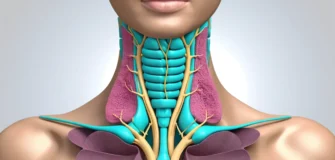
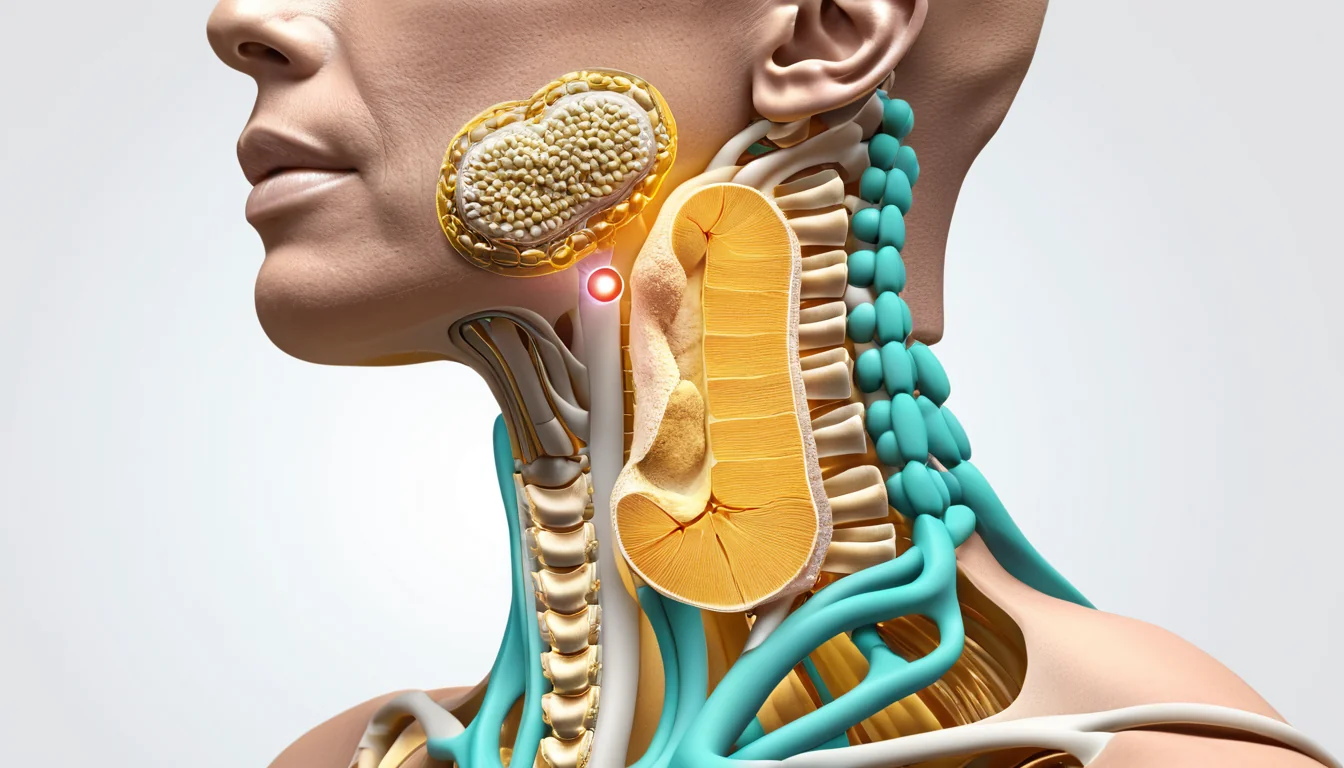
The thyroid is a small, butterfly-shaped gland at the front of your neck, just below your Adam’s apple. It sits in front of your windpipe and has two lobes connected in the middle. Despite its small size, it plays a huge role in your overall health.
According to Health Canada, thyroid disorders are among the most common hormonal conditions affecting Canadians. Hyperthyroidism can affect anyone, but it is more common in women.
How Thyroid Hormones Work
Your thyroid gland absorbs iodine from your blood and uses it to make thyroid hormones. The two most important ones are thyroxine (T4) and triiodothyronine (T3). T4 makes up about 99.9% of thyroid hormones, while T3 makes up about 0.1%.
However, T3 is actually the more powerful of the two. Once T4 enters your bloodstream, much of it converts into T3. T3 then acts directly on your cells, controlling how fast they work. This process regulates your energy, body temperature, heart rate, and more.
When too much T3 and T4 are produced, everything speeds up. Your heart beats faster, your digestion quickens, and your body burns energy at a much higher rate than normal.
Common Causes of Hyperthyroidism
Several conditions can trigger hyperthyroidism. Understanding the cause helps your doctor choose the best treatment. Here are the most common ones.
Graves’ Disease
Graves’ disease is the most common cause of hyperthyroidism. It is an autoimmune condition, meaning your immune system mistakenly attacks your own thyroid gland. This causes the gland to produce far too many hormones.
Graves’ disease runs in families and is up to five times more common in women than in men. Triggers can include stress, smoking, radiation to the neck area, certain medications, and viral infections. Your doctor can confirm this diagnosis with a blood test and possibly a thyroid scan.
Thyroid Nodules
As people age, small lumps called nodules can form on the thyroid gland. Most nodules are harmless and do not produce hormones. However, some nodules — especially those larger than three centimetres — can start making hormones on their own.
When a single nodule does this, it is called a functional adenoma. If more than one nodule is involved, the condition is called toxic multinodular goitre. Both conditions can lead to hyperthyroidism and are often detected with a thyroid scan or ultrasound.
Thyroiditis
Thyroiditis means inflammation of the thyroid gland. It can happen after a viral illness, causing fever and a sore throat when swallowing. The gland may also feel tender to the touch.
Another form, called lymphocytic thyroiditis, can occur after pregnancy. In fact, it affects up to 8% of women after childbirth. In these cases, a phase of hyperthyroidism can last between four and 23 weeks, often followed by a period of an underactive thyroid. For most women, thyroid function eventually returns to normal.
Excess Iodine Intake
Your thyroid needs iodine to make hormones. However, too much iodine can push the gland into overdrive. Some heart medications contain high amounts of iodine and may disrupt thyroid function as a side effect.
In addition, taking too many thyroid hormone replacement pills — whether by mistake or to try to lose weight — can also cause hyperthyroidism. Your doctor can check for this with a simple blood test.
Abnormal TSH Secretion
A rare cause of hyperthyroidism is a tumour on the pituitary gland. This tumour can release abnormally high levels of TSH (thyroid-stimulating hormone). As a result, the thyroid gland receives a constant signal to produce more hormones than the body needs.
This condition is very uncommon. An endocrinologist — a hormone specialist — can run specific tests to identify whether the pituitary gland is involved.
Recognising the Symptoms of Hyperthyroidism
Hyperthyroidism can be tricky to spot because its symptoms often look like other health problems. For example, anxiety, fatigue, and heart palpitations are easy to dismiss as stress or a busy lifestyle. Therefore, it is important to pay attention if several of these symptoms appear together.
Common signs and symptoms of hyperthyroidism include:
- Sudden, unexplained weight loss — even without changes to your diet
- A rapid heartbeat (tachycardia), usually over 100 beats per minute
- Irregular heartbeat (arrhythmia) or heart palpitations
- Increased appetite
- Nervousness, anxiety, and irritability
- Trembling hands and fingers
- Changes in your menstrual cycle
- Increased sensitivity to heat
- More frequent bowel movements
- An enlarged thyroid gland (goitre) — a visible swelling at the base of your throat
- Fatigue and muscle weakness
- Difficulty sleeping
Furthermore, older adults may experience more subtle symptoms. These can include a faster-than-normal heart rate and an unusual sensitivity to heat. Because these signs are easy to overlook, hyperthyroidism in older Canadians is sometimes missed or mistaken for normal aging.
For a full overview of thyroid-related symptoms, the Mayo Clinic’s hyperthyroidism symptom guide is a helpful reference.
Health Risks If Hyperthyroidism Goes Untreated
Ignoring hyperthyroidism can lead to serious complications over time. The excess thyroid hormones put ongoing strain on several parts of your body.
Key health risks include:
- Heart problems: An irregular or rapid heartbeat increases your risk of stroke and heart failure.
- Bone loss (osteoporosis): Too many thyroid hormones can weaken your bones, making fractures more likely.
- Pregnancy complications: Uncontrolled hyperthyroidism during pregnancy raises the risk of premature birth, low birth weight, and other serious problems for both mother and baby.
- Thyroid storm: This is a rare but life-threatening sudden worsening of hyperthyroidism symptoms. It requires emergency medical care immediately.
These risks make early diagnosis and treatment especially important. The Healthline guide on hyperthyroidism complications offers more detail on long-term risks.
When to See a Doctor
If you notice any of the symptoms listed above — especially unexplained weight loss, a racing heart, or a swelling in your neck — it is time to talk to a healthcare provider. You do not need to wait for all the symptoms to appear. Even one or two signs are worth checking out.
In Canada, you can start by booking an appointment with your family doctor. They can order a simple blood test to check your thyroid hormone levels. If you do not have a family doctor, a walk-in clinic can be a great first step. Most provincial health plans cover thyroid blood tests when ordered by a physician.
If your doctor suspects hyperthyroidism, they may refer you to an endocrinologist — a specialist in hormonal conditions. Treatment options may include medication, radioactive iodine therapy, or in some cases, surgery. Your care team will help you choose the right path based on your specific situation.
Always speak with a qualified healthcare provider before starting or stopping any treatment. The information in this article is for general educational purposes only and does not replace professional medical advice.
Frequently Asked Questions About Hyperthyroidism
What is the difference between hyperthyroidism and hypothyroidism?
Hyperthyroidism means your thyroid is producing too many hormones, speeding your body up. Hypothyroidism is the opposite — your thyroid does not produce enough hormones, slowing your body down. Both conditions are diagnosed with a blood test and treated differently, so it is important to see your doctor for an accurate diagnosis.
Can hyperthyroidism go away on its own?
In some cases — such as thyroiditis that develops after pregnancy — hyperthyroidism may resolve on its own within a few months. However, conditions like Graves’ disease or toxic nodular goitre usually require medical treatment. You should never assume hyperthyroidism will go away without speaking to your doctor first.
Is hyperthyroidism covered under Canadian provincial health plans?
Yes, diagnosis and treatment for hyperthyroidism are generally covered under provincial and territorial health insurance plans across Canada. This includes blood tests, specialist referrals, and many treatment options. However, coverage details vary by province, so check with your local health authority or family doctor for specifics.
What foods should I avoid if I have hyperthyroidism?
People with hyperthyroidism are often advised to limit foods high in iodine, such as seaweed, certain seafood, and iodized salt, as excess iodine can worsen the condition. Caffeine may also aggravate symptoms like a rapid heartbeat and anxiety. Always talk to your doctor or a registered dietitian before making major changes to your diet.
How is hyperthyroidism diagnosed in Canada?
Your family doctor will usually order a blood test to measure your levels of TSH, T3, and T4 hormones. Abnormal results may lead to further tests, such as a thyroid scan or ultrasound. These tests are available through most Canadian hospitals and diagnostic imaging centres and are covered by provincial health plans when medically necessary.
Can hyperthyroidism affect mental health?
According to Health Canada’s guidelines on thyroid disorders, this information is supported by current medical research.
For more information, read our guide on pituitary tumours and abnormal thyroid hormone imbalance.
Yes, hyperthyroidism can significantly affect mental health and behaviour. Many people experience anxiety, irritability, mood swings, and difficulty sleeping as a direct result of excess thyroid hormones. These symptoms often improve once hyperthyroidism is properly treated, but it is worth discussing mental health concerns openly with your healthcare provider.
Key Takeaways
- Hyperthyroidism happens when the thyroid gland makes too many hormones, speeding up your body’s functions.
- The most common cause is Graves’ disease, an autoimmune condition that is more common in women.
- Symptoms include unexplained weight loss, a racing heart, anxiety, tremors, and heat sensitivity.
- If left untreated, hyperthyroidism can lead to heart problems, bone loss, and pregnancy complications.
- A simple blood test from your family doctor or walk-in clinic can detect the condition.
- Most provincial health plans in Canada cover diagnosis and treatment for hyperthyroidism.
- Effective treatments are available — early detection leads to better outcomes.
Frequently Asked Questions
What is hyperthyroidism?
Hyperthyroidism is a condition where the thyroid gland produces too much thyroid hormone, speeding up the body’s metabolism. It is most commonly caused by Graves’ disease, thyroid nodules, or thyroiditis. In Canada, it affects approximately 1-2% of the population and is more common in women than men.
What are the most common hyperthyroidism symptoms?
Common hyperthyroidism symptoms include unexplained weight loss, rapid or irregular heartbeat, excessive sweating, nervousness, anxiety, tremors in the hands, increased sensitivity to heat, frequent bowel movements, fatigue, and an enlarged thyroid gland (goiter). Symptoms vary in severity and may develop gradually or appear suddenly.
What are the warning signs of hyperthyroidism that require urgent care?
Seek immediate medical attention if you experience chest pain, a heart rate over 100 beats per minute at rest, severe shortness of breath, confusion, or high fever. These may signal a thyroid storm, a rare but life-threatening complication of untreated hyperthyroidism requiring emergency hospital care.
How is hyperthyroidism treated in Canada?
Hyperthyroidism treatment options in Canada include anti-thyroid medications like methimazole or propylthiouracil, radioactive iodine therapy, beta-blockers to manage symptoms, and surgery to remove part or all of the thyroid gland. A Canadian endocrinologist will recommend the best treatment based on your age, cause, and overall health.
When should I see a doctor about hyperthyroidism symptoms?
See your doctor if you experience unexplained weight loss, persistent rapid heartbeat, excessive sweating, or ongoing anxiety and fatigue. Early diagnosis through a simple TSH blood test is key to preventing complications like osteoporosis and heart problems. Canadian family physicians can refer you to an endocrinologist if needed.

About the Author
Dr. Linda Chen, RD, PhDDr. Linda Chen is a registered dietitian and PhD in Nutritional Sciences from the University of British Columbia. With expertise in clinical nutrition, sports dietetics, and gut health, she has worked with leading Canadian hospitals and sports organizations. Dr. Chen is a member of Dietitians of Canada and regularly contributes to national nutrition policy discussions.
View all articles →