
Thyroid Health Pregnancy: What Canadians Must Know

Share
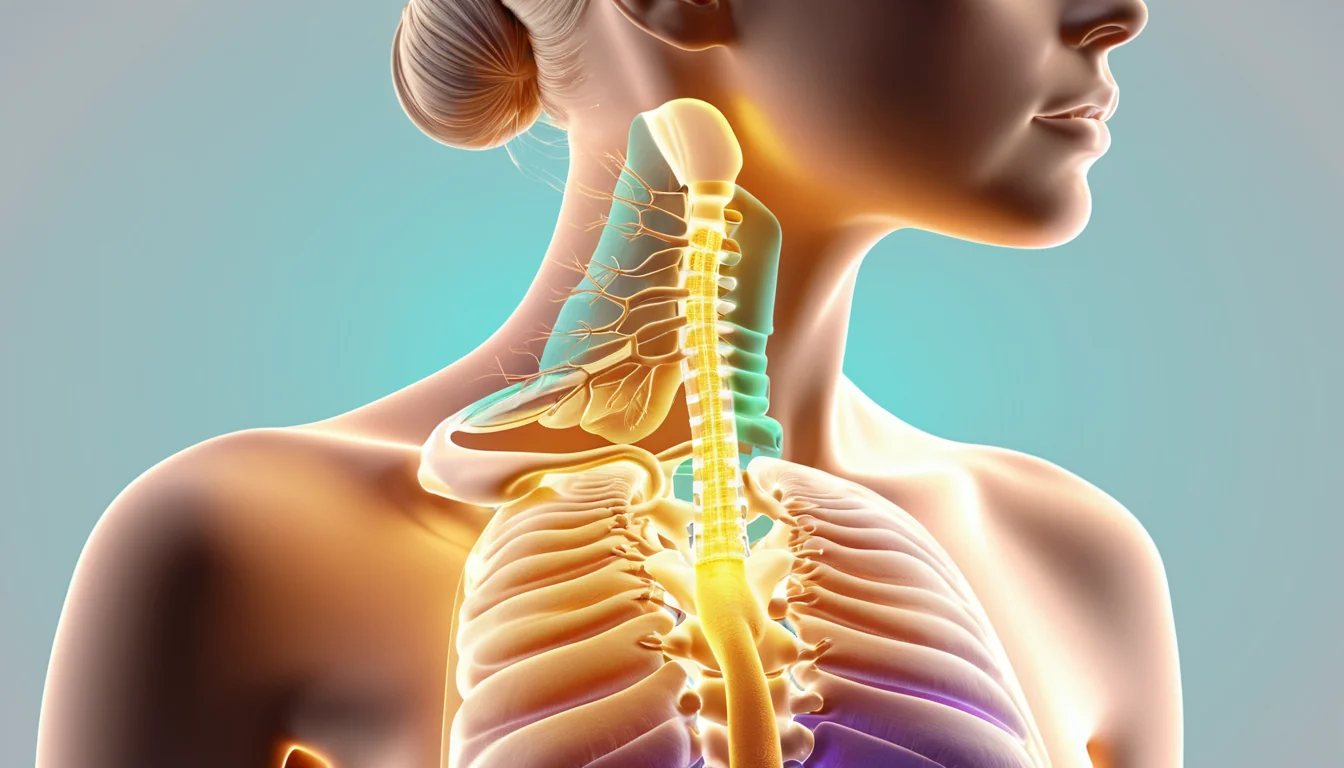
Thyroid health pregnancy concerns affect thousands of Canadian women every year — and understanding this critical connection could make a real difference for you and your baby. Thyroid disorders are five times more common in women than in men, and when left untreated during conception or pregnancy, they can lead to serious complications including infertility, miscarriage, and developmental delays.
Why Thyroid Health Pregnancy Monitoring Matters for Canadian Women
The good news is that with proper thyroid testing before pregnancy and ongoing monitoring, most thyroid conditions are very manageable. Whether you are planning to conceive or are already expecting, Canadian healthcare guidelines recommend that women at risk be screened early. Learning about hypothyroidism pregnancy treatment options and iodine requirements can help you take proactive steps to protect both your health and your baby’s brain development.
What Is the Thyroid Gland?
| Thyroid Condition | Key Characteristics | Potential Risks if Untreated | Management Approach |
|---|---|---|---|
| Hypothyroidism (Underactive Thyroid) | Fatigue, weight gain, cold intolerance, constipation, TSH levels above 4.0 mIU/L in pregnancy | Preeclampsia, low birth weight, impaired fetal neurological development, miscarriage | Levothyroxine (synthetic T4); dosage typically increases 25–50% during pregnancy; monitored by OB and endocrinologist |
| Hyperthyroidism (Overactive Thyroid) | Rapid heartbeat, weight loss, heat intolerance, tremors, TSH levels below 0.1 mIU/L | Preterm birth, fetal growth restriction, thyroid storm, maternal heart failure | Propylthiouracil (PTU) preferred in first trimester; methimazole considered in second and third trimesters; regular TSH monitoring |
| Gestational Transient Thyrotoxicosis | Temporary hyperthyroid-like symptoms linked to high hCG levels; typically resolves by 20 weeks | Dehydration, hyperemesis gravidarum, temporary fetal stress; rarely causes lasting harm | Supportive care, hydration, monitoring; antithyroid drugs generally not required; spontaneous resolution expected |
| Postpartum Thyroiditis | Occurs within 12 months after delivery; initial hyperthyroid phase followed by hypothyroid phase; affects up to 10% of Canadian women | Postnatal depression, fatigue, difficulty breastfeeding, possible permanent hypothyroidism in 25–30% of cases | Beta-blockers for symptom relief in hyperthyroid phase; levothyroxine if hypothyroid phase is symptomatic; annual TSH monitoring recommended |
| Thyroid Nodules Detected in Pregnancy | Often discovered incidentally on ultrasound; majority are benign; prevalence increases with iodine deficiency | Small risk of malignancy; fine-needle aspiration may be deferred; iodine deficiency may affect fetal brain development | Ultrasound surveillance each trimester; fine-needle biopsy if high-risk features present; adequate iodine intake (250 mcg/day) recommended by Health Canada |
The thyroid is a small, butterfly-shaped gland in the front of your neck, just below your Adam’s apple. It is part of your endocrine system — the group of glands that produce hormones in your body.
Each wing of the butterfly is a lobe of the thyroid. A small bridge of tissue, called the isthmus, connects the two lobes. The whole gland weighs only about 25 to 30 grams — roughly the weight of a strawberry.
What Does the Thyroid Do?
Despite its small size, the thyroid plays a big role in your overall health. It produces hormones that affect nearly every cell, tissue, and organ in your body.
\p>For example, thyroid hormones help control your metabolism, heart function, digestion, muscle strength, skin and hair condition, body temperature, body weight, menstrual cycle, and fertility. They also play a key role in the healthy development of the nervous system — especially in unborn babies and young children.
How the Thyroid Works
Your thyroid absorbs iodine from the food and water you consume. It uses that iodine to produce two main hormones: thyroxine (T4) and triiodothyronine (T3). These hormones travel through your bloodstream to reach organs throughout your body.
The thyroid also produces a hormone called calcitonin, which does not contain iodine. Calcitonin helps regulate calcium levels in the blood.
Hormone production depends heavily on how much iodine your body takes in. Therefore, if you do not get enough iodine — whether from food, water, or supplements — your thyroid cannot produce enough hormones. As a result, many body systems begin to function poorly.
Why Iodine Matters So Much
Iodine is essential for thyroid hormones to work. Your body cannot make iodine on its own, so you must get it from your diet or supplements. However, both too little and too much iodine can disrupt thyroid function.
Good dietary sources of iodine include seaweed, saltwater fish, seafood, cow’s milk, cheese, eggs, and soy sauce. Iodized table salt is also a common and reliable source for most Canadians.
According to the World Health Organization (WHO), the recommended daily iodine intake is:
- Adults, teenagers, and puberty-age youth: 150 mcg per day
- Pregnant and breastfeeding women: 250 mcg per day
- Children aged 1 to 8: 90 mcg per day
- Children aged 9 to 12: 120 mcg per day
During pregnancy, your thyroid works harder to produce more hormones. Furthermore, some iodine passes into breast milk to support your newborn. This is why iodine needs remain higher during both pregnancy and breastfeeding.
Thyroid Health and Pregnancy: Why It Matters Before You Conceive
Thyroid health and pregnancy planning go hand in hand. Thyroid problems — whether the gland is overactive or underactive — can make it harder to get pregnant. They can also raise the risk of complications during pregnancy if left undetected.
In addition, your thyroid function naturally changes during major hormonal shifts in your life. These include puberty, pregnancy, and menopause. This is one reason why regular thyroid screening is especially valuable for women of childbearing age.
The Critical Window: Brain Development in Babies
The most important period for brain development in humans is fetal life through the first three years after birth. Thyroid hormones — and the iodine needed to make them — are critical during this window.
Iodine deficiency during pregnancy can cause irreversible damage to a baby’s developing brain. In severe cases, this leads to intellectual disability. Even mild iodine deficiency during pregnancy can affect a child’s learning and cognitive development. This is why thyroid screening before and during pregnancy is so important.
Common Thyroid Conditions to Know
Hypothyroidism means the thyroid is underactive — it does not produce enough hormones. This is the most common thyroid disorder in women. Symptoms can include fatigue, weight gain, feeling cold, dry skin, and depression.
Hyperthyroidism means the thyroid is overactive — it produces too many hormones. Symptoms can include weight loss, rapid heartbeat, anxiety, sweating, and trouble sleeping.
Both conditions are treatable. According to Mayo Clinic, early diagnosis and proper treatment are key to managing thyroid disease safely — including during pregnancy.
Thyroid Testing: What to Ask Your Doctor
If you are planning a pregnancy, ask your family doctor for a preconception thyroid assessment. This is a routine blood test that checks how well your thyroid is working. Many provincial health plans in Canada cover this testing when ordered by a physician.
The standard thyroid blood tests include:
- TSH (thyroid-stimulating hormone): The most common screening test
- Free T4 and T3: Measure the actual thyroid hormones in your blood
- Anti-TPO and anti-Tg antibodies: Check for autoimmune thyroid conditions
These tests give your doctor a complete picture of your thyroid health. Furthermore, sharing your family history of thyroid disease is very helpful — thyroid conditions often run in families.
Thyroid Testing After Delivery
Thyroid problems do not always appear before or during pregnancy. In addition, some women develop a condition called postpartum thyroiditis — a thyroid inflammation that can occur in the first year after giving birth.
Postpartum thyroiditis can cause symptoms of both hypothyroidism and hyperthyroidism, sometimes one after the other. Ask your doctor about testing your thyroid function within the first year after delivery, especially if you feel unusually tired, anxious, or emotionally unwell.
For your newborn, ask your care team about a TSH blood test at around 6 to 8 weeks of age. This screening checks for congenital hypothyroidism — a treatable condition that, if caught early, allows babies to develop normally.
10 Steps to Protect Your Thyroid Health Before and During Pregnancy
Taking a proactive approach to thyroid health and pregnancy can protect both you and your baby. Here are practical steps to discuss with your healthcare provider:
- 1. Book a preconception visit with your family doctor before trying to conceive.
- 2. Request a full thyroid panel — TSH, T4, T3, anti-Tg, and anti-TPO tests.
- 3. See a doctor early if you are already pregnant, without delay.
- 4. Report all new symptoms to your doctor, even if they seem minor. Symptoms help guide diagnosis.
- 5. Share your family history of thyroid disease with your healthcare team.
- 6. Take prenatal vitamins with iodine, both before and during pregnancy, even if your tests are normal.
- 7. Start treatment right away if you are diagnosed with hypothyroidism or hyperthyroidism.
- 8. Attend all follow-up appointments. Regular monitoring is key to successful treatment.
- 9. Test your thyroid in the first year after birth to rule out postpartum thyroiditis.
- 10. Ask about a TSH test for your baby at 6 to 8 weeks of age.
Health Canada’s guidance on iodine and nutrient reference values is a reliable resource to review with your doctor or dietitian.
When to See a Doctor
You do not need to wait for symptoms to get your thyroid checked. If you are planning a pregnancy, make thyroid testing part of your preconception health plan. Bring it up at your next visit with your family doctor.
If you do not have a family doctor, a walk-in clinic can order basic thyroid blood work and refer you to a specialist if needed. Most provincial health plans across Canada cover thyroid testing when it is medically indicated.
See a doctor promptly if you notice any of these symptoms: unusual fatigue, unexpected weight changes, hair loss, feeling unusually cold or hot, heart palpitations, or mood changes. These can all be signs of a thyroid problem that deserves attention.
Always speak with your family doctor or a qualified healthcare provider before making changes to your health routine, supplements, or medications — especially during pregnancy.
Frequently Asked Questions
How does thyroid health affect pregnancy?
Thyroid health and pregnancy are closely linked because thyroid hormones support fetal brain development, healthy birth weight, and normal growth. An underactive or overactive thyroid that goes untreated can increase the risk of miscarriage, preterm birth, and developmental problems in the baby. Getting tested before or early in pregnancy allows your doctor to treat any issues promptly.
What thyroid tests should I get before getting pregnant?
Before pregnancy, ask your family doctor for a full thyroid panel including TSH, free T4, free T3, and thyroid antibodies (anti-TPO and anti-Tg). These tests give a complete picture of your thyroid health and can detect problems before they affect your pregnancy. In Canada, these tests are typically covered by your provincial health plan when ordered by a physician.
How much iodine do I need during pregnancy?
The World Health Organization recommends 250 mcg of iodine per day during pregnancy and breastfeeding — nearly double the standard adult amount. Your thyroid needs extra iodine during pregnancy because it produces more hormones to support your growing baby. Most prenatal vitamins contain iodine, but check the label and confirm the amount with your doctor.
What is postpartum thyroiditis?
Postpartum thyroiditis is an inflammation of the thyroid gland that can develop within the first year after giving birth. It can cause symptoms of an overactive thyroid followed by an underactive thyroid, or sometimes just one phase. Ask your doctor about a thyroid test if you feel unusually tired, anxious, or emotionally unwell after delivery.
Can hypothyroidism be treated safely during pregnancy?
Yes — hypothyroidism during pregnancy is treated with a synthetic thyroid hormone called levothyroxine, which is considered safe for both mother and baby. It is important to start treatment as early as possible and attend regular follow-up appointments so your doctor can adjust the dose as needed. Untreated hypothyroidism during pregnancy carries significant risks, so early diagnosis is key.
Should my newborn be tested for thyroid problems?
According to Health Canada’s guidelines on iodine and prenatal nutrition, this information is supported by current medical research.
For more information, read our guide on pituitary tumours and how they affect thyroid and fertility in women.
Yes — most Canadian provinces include congenital hypothyroidism as part of routine newborn screening shortly after birth. In addition, ask your doctor about a follow-up TSH blood test at around 6 to 8 weeks of age. Detecting and treating congenital hypothyroidism early is essential for normal brain development and growth in your child.
Key Takeaways
- Thyroid health and pregnancy are closely connected — thyroid problems can affect fertility, pregnancy outcomes, and baby’s brain development.
- Thyroid disorders are five times more common in women than in men, with hypothyroidism being the most frequent.
- Iodine is essential for thyroid hormone production. Pregnant and breastfeeding women need 250 mcg per day.
- Ask your family doctor for a full thyroid panel before or early in pregnancy — most provincial health plans cover this testing.
- If diagnosed with a thyroid condition, begin treatment right away and attend all follow-up appointments.
- Test your thyroid in the first year after delivery to check for postpartum thyroiditis.
- Ask about a TSH test for your baby at 6 to 8 weeks of age.
- Always consult your doctor before starting supplements or making changes to your health plan during pregnancy.
Frequently Asked Questions
What is thyroid health in pregnancy and why does it matter?
Thyroid health in pregnancy refers to how well your thyroid gland produces hormones essential for both maternal and fetal development. The thyroid regulates metabolism and supports baby’s brain and nervous system growth. Unmanaged thyroid disorders during pregnancy can increase risks of miscarriage, preterm birth, and developmental issues in the baby.
What are the symptoms of thyroid problems during pregnancy?
Symptoms of hypothyroidism include fatigue, weight gain, constipation, and cold sensitivity. Hyperthyroidism symptoms include rapid heartbeat, weight loss, anxiety, and excessive sweating. Many symptoms overlap with normal pregnancy changes, making thyroid problems easy to overlook. Always report unusual or persistent symptoms to your healthcare provider for proper testing.
How is thyroid health in pregnancy treated in Canada?
Hypothyroidism is typically treated with levothyroxine, a synthetic thyroid hormone considered safe during pregnancy. Hyperthyroidism may be managed with antithyroid medications like propylthiouracil. Canadian healthcare providers monitor TSH levels regularly throughout pregnancy to adjust dosages. Treatment goals focus on keeping thyroid hormone levels within a safe, pregnancy-specific reference range.
Can you prevent thyroid problems during pregnancy?
While most thyroid disorders cannot be fully prevented, adequate iodine intake supports healthy thyroid function. Health Canada recommends pregnant women consume 220 mcg of iodine daily through diet and prenatal vitamins. Women with a personal or family history of thyroid disease should discuss preconception screening with their doctor to catch issues early.
When should I see a doctor about my thyroid during pregnancy?
See your doctor immediately if you experience extreme fatigue, rapid heartbeat, significant unexplained weight changes, or severe mood disturbances during pregnancy. Women with pre-existing thyroid conditions should consult their provider before or immediately upon becoming pregnant. Canadian guidelines recommend TSH screening for high-risk pregnant women at the first prenatal visit.

About the Author
Dr. James Okafor, MD, PhDDr. James Okafor holds an MD and PhD in Neurological Sciences from McGill University. With 12 years of experience in clinical neurology and mental health research, he has contributed to landmark studies on depression, anxiety, and cognitive health. Dr. Okafor is a Fellow of the Royal College of Physicians and Surgeons of Canada and serves on the editorial board of two peer-reviewed journals.
View all articles →