Hyperparathyroidism Symptoms: Causes & Treatment Canada

Share
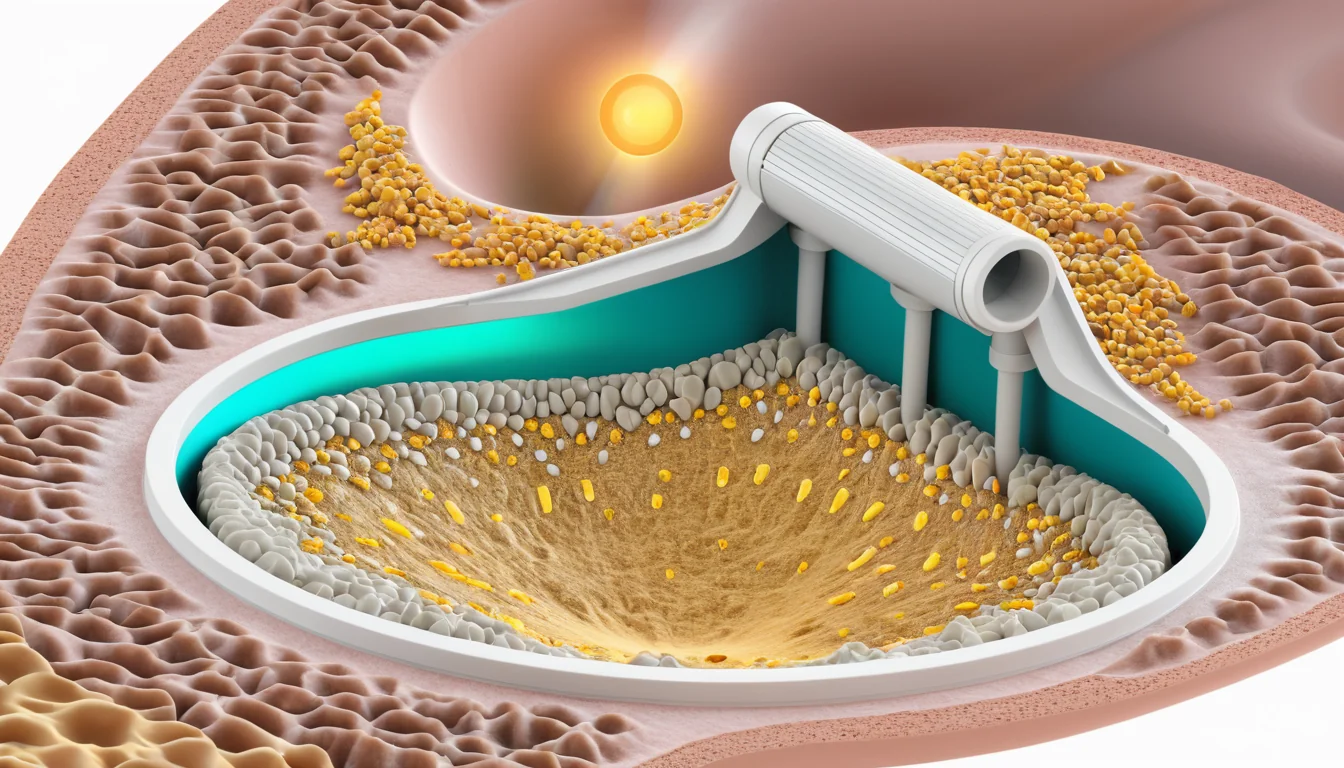
Hyperparathyroidism symptoms can range from bone pain and fatigue to kidney stones and mood changes, yet many Canadians are diagnosed before they even notice something is wrong. This condition occurs when one or more of your parathyroid glands produce too much parathyroid hormone (PTH), causing calcium levels in your blood to rise above normal.
Recognizing Hyperparathyroidism Symptoms Early
Understanding the causes and treatment options for parathyroid gland problems is essential for protecting your long-term health. Whether detected through routine blood work ordered by your family doctor or investigated after unexplained high calcium in blood tests, early awareness can make a significant difference. In this guide, we explain what hyperparathyroidism is, who is most at risk in Canada, and when you should seek medical care.
What Is the Parathyroid Gland?
| Type | Key Characteristics | Common Hyperparathyroidism Symptoms | Management Approach |
|---|---|---|---|
| Primary Hyperparathyroidism | One or more overactive parathyroid glands; most often caused by a benign adenoma; most common form in Canada | Kidney stones, bone pain, fatigue, frequent urination, depression, nausea, and confusion (“bones, stones, groans, and moans”) | Surgical removal of affected gland(s) (parathyroidectomy); monitoring with regular calcium and PTH blood tests for mild cases |
| Secondary Hyperparathyroidism | Overproduction of PTH in response to low calcium; commonly linked to chronic kidney disease or severe vitamin D deficiency | Bone weakness, muscle cramps, fatigue, itching, and symptoms related to underlying condition | Treat underlying cause; vitamin D and calcium supplementation; phosphate binders; calcimimetic medications such as cinacalcet |
| Tertiary Hyperparathyroidism | Parathyroid glands become autonomous after prolonged secondary hyperparathyroidism; often seen in long-term dialysis patients | Severe bone pain, fractures, calcifications in soft tissue, persistent high calcium levels | Parathyroidectomy typically required; ongoing monitoring of calcium and PTH levels post-surgery |
| Asymptomatic Hyperparathyroidism | Elevated calcium and PTH detected on routine bloodwork with no obvious symptoms; increasingly common due to widespread lab screening in Canada | Often no noticeable symptoms; mild fatigue or slight cognitive changes may be present | Active surveillance with annual calcium, kidney function, and bone density (DEXA) assessments; surgery considered if criteria are met |
Most people have four parathyroid glands, each about the size of a grain of rice. They sit behind your thyroid gland, in the front of your neck. Despite being close neighbours, the parathyroid and thyroid glands do very different jobs.
Your parathyroid glands control calcium and phosphorus levels in your body. They do this by releasing parathyroid hormone (PTH). When blood calcium drops too low, PTH signals your bones to release calcium and tells your intestines to absorb more from food. Vitamin D also plays a key role in this process. Health Canada recognizes calcium and vitamin D as essential nutrients for bone health.
Understanding Hyperparathyroidism
Hyperparathyroidism happens when this system breaks down and your parathyroid glands keep releasing PTH even when they should not. As a result, calcium levels in your blood rise too high. This is called hypercalcaemia. Phosphorus levels may fall at the same time.
There are three main types of this condition. Each has a different cause and affects the body in slightly different ways. Knowing which type you have helps your doctor choose the right treatment.
Primary Hyperparathyroidism
Primary hyperparathyroidism means the problem starts inside the parathyroid gland itself. One or more glands begin overproducing PTH without a clear trigger from the rest of the body. This is the most common form of the condition.
The most frequent cause is a benign (non-cancerous) tumour called an adenoma growing on one gland. Less often, two or more glands become enlarged, a condition called hyperplasia. In very rare cases, a cancerous tumour is responsible. Primary hyperparathyroidism can develop suddenly, though some people inherit a gene that makes them more likely to develop it.
Secondary Hyperparathyroidism
Secondary hyperparathyroidism happens when another health condition causes low calcium levels. Your parathyroid glands then work overtime to bring calcium back up. Chronic kidney disease is the most common trigger for this type.
Other causes include a severe lack of calcium in your diet and a serious vitamin D deficiency. Without enough vitamin D, your intestines cannot absorb calcium properly, and blood calcium drops. Your parathyroid glands respond by producing more PTH to compensate.
Tertiary Hyperparathyroidism
Tertiary hyperparathyroidism is less common. It usually develops in people who have had secondary hyperparathyroidism for a long time, often due to chronic kidney disease. Over time, the glands begin producing excess PTH on their own, even if the original problem is treated. This often requires more aggressive management.
Symptoms of Hyperparathyroidism
Many people with hyperparathyroidism have no obvious symptoms at first. The condition is often caught during routine blood tests that show elevated calcium levels. However, when symptoms do appear, they can affect many parts of the body.
Symptoms develop because of damage caused by abnormal calcium levels in the blood, bones, and organs. They can range from mild and vague to quite serious. According to the Mayo Clinic’s guide on hyperparathyroidism, patients often describe feeling generally unwell before a diagnosis is made.
Common Symptoms to Watch For
- Bone and joint pain — aching bones or joints that do not have an obvious cause
- Kidney stones — severe pain in the back or side, often with blood in the urine
- Frequent urination — needing to urinate more often than usual, sometimes with excessive thirst
- Fatigue and weakness — feeling tired or physically weak without explanation
- Depression or forgetfulness — mood changes, feeling low, or having trouble concentrating
- Nausea and vomiting — stomach upset or loss of appetite
- Osteoporosis — weak, brittle bones that fracture more easily
- Abdominal pain — general discomfort or pain in the belly area
- Recurring urinary tract infections — frequent UTIs that keep coming back
These symptoms can look like many other conditions. Therefore, it is important not to self-diagnose. A simple blood test is often all it takes to start getting answers.
Causes and Risk Factors
The underlying causes of hyperparathyroidism depend on the type. In primary hyperparathyroidism, the glands themselves malfunction. In secondary and tertiary types, an external problem forces the glands into overdrive.
Who Is at Higher Risk?
Certain groups of people face a higher risk of developing this condition. Understanding these risk factors can help you and your doctor stay alert. You may be at greater risk if you:
- Are a woman going through or past menopause
- Have a long-term, severe vitamin D or calcium deficiency
- Have chronic kidney disease
- Have a rare inherited disorder, such as Multiple Endocrine Neoplasia Type 1 (MEN1)
- Have had radiation therapy to the neck area for cancer treatment
- Take lithium, a medication used to treat certain mental health conditions
Vitamin D deficiency is particularly common in Canada, especially during the long winter months when sun exposure is limited. Healthline’s overview of vitamin D deficiency explains how low vitamin D levels can affect calcium absorption and overall health. If you are concerned about your vitamin D levels, ask your family doctor about testing.
How Is Hyperparathyroidism Diagnosed?
Diagnosis usually begins with a blood test that checks calcium and PTH levels. If both are elevated, your doctor will likely suspect primary hyperparathyroidism. Your doctor may also check your phosphorus levels and kidney function.
Further tests may include a urine test to measure how much calcium your kidneys are excreting. Imaging tests, such as an ultrasound or a special nuclear medicine scan called a sestamibi scan, can help locate an overactive gland. A bone density scan (DEXA scan) may also be ordered to check for osteoporosis. In Canada, most of these tests are covered under provincial health plans, though wait times may vary depending on where you live.
Treatment Options for Hyperparathyroidism
Treatment depends on the type of hyperparathyroidism, your symptoms, and how high your calcium levels are. Not everyone needs immediate treatment. Your doctor will weigh the benefits and risks before recommending a plan.
Surgery
Surgery is the only permanent cure for primary hyperparathyroidism. A surgeon removes the overactive gland or glands. This procedure is called a parathyroidectomy. It is highly effective and often leads to a full recovery.
Surgery is usually recommended if you have significant symptoms, kidney stones, osteoporosis, or very high calcium levels. Even some people without symptoms may be advised to have surgery, depending on their age and calcium levels.
Monitoring Without Surgery
If your symptoms are mild and your calcium levels are only slightly elevated, your doctor may suggest regular monitoring instead. This means scheduled blood tests, bone density scans, and kidney function checks over time. This approach works well for older adults or those who cannot safely undergo surgery.
Medications and Lifestyle Changes
For secondary hyperparathyroidism, treating the underlying cause is the main goal. This may involve vitamin D supplements, calcium supplements, or medications to control phosphorus levels. Staying well-hydrated, exercising regularly, and eating a balanced diet rich in calcium and vitamin D are also helpful steps. Your family doctor or a specialist called an endocrinologist can guide your treatment plan.
When to See a Doctor
See your family doctor if you notice any of the symptoms listed above, especially if they are new or getting worse. Many of these symptoms — such as fatigue, bone pain, or depression — can be caused by other conditions. However, catching hyperparathyroidism early makes it easier to manage.
You do not need a referral to get a blood test checked. A walk-in clinic can also order basic blood work if your regular doctor is unavailable. If your calcium or PTH levels come back abnormal, you will likely be referred to an endocrinologist or a specialist in parathyroid conditions. Always consult a qualified healthcare provider before drawing any conclusions about your health or starting any new treatment.
What is hyperparathyroidism and how does it affect the body?
Hyperparathyroidism is a condition where one or more parathyroid glands produce too much PTH hormone, causing calcium levels in the blood to rise too high. This excess calcium can damage the kidneys, weaken bones, and affect how the nervous system functions. Over time, untreated hyperparathyroidism can lead to kidney stones, osteoporosis, and other serious complications.
What are the early warning signs of hyperparathyroidism?
Many people with hyperparathyroidism have no early symptoms at all. When signs do appear, they often include fatigue, mild bone or joint pain, increased thirst, frequent urination, and mood changes like depression or forgetfulness. Because these symptoms are vague, hyperparathyroidism is often discovered through a routine blood test.
What causes hyperparathyroidism?
Primary hyperparathyroidism is usually caused by a benign tumour (adenoma) on one of the parathyroid glands or by enlargement of multiple glands. Secondary hyperparathyroidism is triggered by another condition, most commonly chronic kidney disease or a severe vitamin D or calcium deficiency. In some cases, a genetic condition can make a person more likely to develop the disorder.
Can hyperparathyroidism be treated without surgery?
Yes, in some cases hyperparathyroidism can be managed without surgery, especially if symptoms are mild and calcium levels are only slightly elevated. Your doctor may recommend regular monitoring with blood tests and bone density scans instead. However, surgery remains the only permanent cure for primary hyperparathyroidism and is often the recommended option when symptoms are significant.
Is hyperparathyroidism the same as a thyroid problem?
No, hyperparathyroidism and thyroid disorders are different conditions, even though the parathyroid glands sit behind the thyroid gland in your neck. The thyroid controls metabolism, while the parathyroid glands regulate calcium and phosphorus levels. However, both conditions can sometimes be confused because of their similar location and overlapping symptoms like fatigue and mood changes.
How is hyperparathyroidism diagnosed in Canada?
According to Mayo Clinic’s overview of hyperparathyroidism, this information is supported by current medical research.
For more information, read our guide on thyroid disorders and parathyroid gland problems in Canada.
In Canada, hyperparathyroidism is typically diagnosed through a blood test that measures calcium and PTH (parathyroid hormone) levels. If results are abnormal, your family doctor may refer you to an endocrinologist for further testing, including imaging scans and a bone density assessment. Most of these diagnostic tests are covered under provincial health plans.
Key Takeaways
- Hyperparathyroidism occurs when the parathyroid glands produce too much PTH, raising calcium levels in the blood.
- There are three types: primary (gland malfunction), secondary (caused by another condition), and tertiary (long-term secondary disease).
- Symptoms include bone pain, kidney stones, fatigue, depression, nausea, and frequent urination — but many people have no symptoms at first.
- Chronic kidney disease and vitamin D deficiency are leading causes of secondary hyperparathyroidism, both of which are relevant health concerns in Canada.
- Surgery is the most effective treatment for primary hyperparathyroidism, while secondary forms focus on treating the root cause.
- If you suspect you have symptoms, speak with your family doctor or visit a walk-in clinic. A simple blood test can often point you in the right direction.
- Always consult a qualified healthcare provider before making any decisions about your health or treatment.
Frequently Asked Questions
What is hyperparathyroidism?
Hyperparathyroidism is a condition where one or more parathyroid glands produce excess parathyroid hormone (PTH), causing abnormally high calcium levels in the blood. It can be primary, secondary, or tertiary. In Canada, primary hyperparathyroidism is most common, often caused by a benign tumour called a parathyroid adenoma.
What are the most common hyperparathyroidism symptoms?
Common hyperparathyroidism symptoms include fatigue, bone pain, kidney stones, frequent urination, depression, memory problems, nausea, and muscle weakness. Many Canadians are diagnosed incidentally through routine bloodwork showing elevated calcium. Severe cases may cause confusion, excessive thirst, and abdominal pain requiring prompt medical attention.
What are the hyperparathyroidism symptoms in women?
Hyperparathyroidism symptoms in women often include bone loss (osteoporosis), joint pain, fatigue, mood changes, and brain fog. Women over 50 are disproportionately affected. Because symptoms overlap with menopause, the condition is frequently underdiagnosed. A simple blood calcium test can help identify elevated levels warranting further investigation.
How is hyperparathyroidism treated in Canada?
Treatment depends on severity. Surgical removal of the overactive parathyroid gland (parathyroidectomy) is the only cure for primary hyperparathyroidism and is highly effective. Mild cases may be monitored with regular calcium and bone density checks. Medications like cinacalcet can manage calcium levels when surgery isn’t suitable.
When should you see a doctor about hyperparathyroidism?
See a doctor if you experience persistent fatigue, unexplained bone pain, recurrent kidney stones, excessive thirst, or frequent urination. In Canada, hyperparathyroidism is often caught during routine bloodwork. Seek immediate care if you have severe confusion, vomiting, or weakness, as these may indicate a dangerous calcium spike called hypercalcemic crisis.

About the Author
Dr. Sarah Mitchell, MDDr. Sarah Mitchell is a board-certified family physician with over 15 years of clinical experience. She completed her MD at the University of Toronto and her residency at Toronto General Hospital. Dr. Mitchell specializes in preventive medicine and chronic disease management. She is a member of the College of Family Physicians of Canada (CFPC) and has published over 30 peer-reviewed articles on preventive health care.
View all articles →