Frostbite Symptoms: Causes, First Aid & Treatment Canada

Share
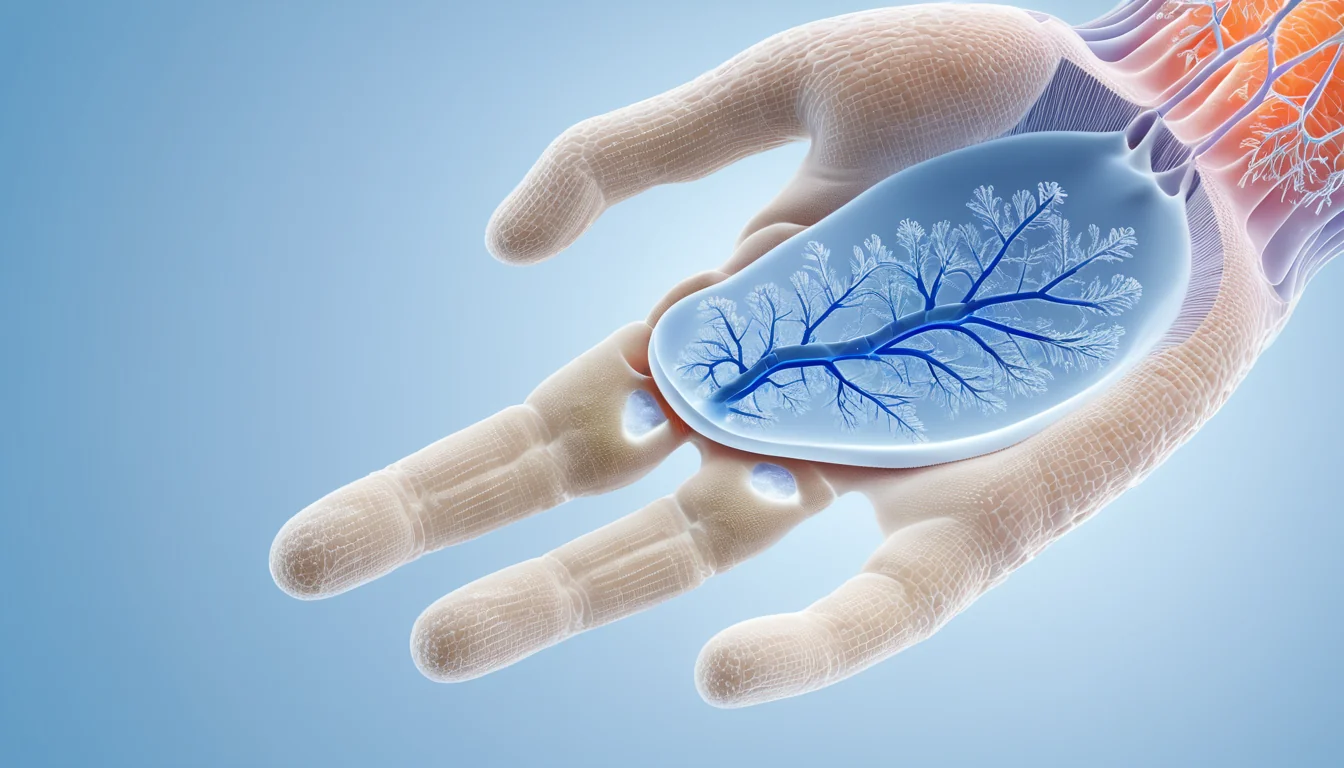
Frostbite symptoms can appear quickly when skin and underlying tissue freeze during prolonged exposure to extreme cold. In Canada, where winter temperatures regularly plunge well below zero, frostbite is a serious and common cold-weather injury that affects the nose, cheeks, ears, fingers, and toes. Knowing what to look for can mean the difference between a minor issue and permanent tissue damage.
Recognizing Frostbite Symptoms: What Every Canadian Should Know
Understanding the causes of frostbite and how to respond with proper first aid is essential for every Canadian. Whether you work outdoors, enjoy winter sports, or simply commute in frigid conditions, recognizing the early signs of frostbite helps you act fast and protect yourself. This article covers severity levels, risk factors, prevention strategies, and when to visit your family doctor or a walk-in clinic.
What Is Frostbite?
| Stage | Frostbite Symptoms & Signs | Skin Appearance | Recommended Management |
|---|---|---|---|
| Frostnip (Pre-frostbite) | Numbness, tingling, redness, cold sensation; skin remains soft and pliable | Red or pale; blanches with pressure; no blistering | Move indoors immediately; rewarm with body heat or warm water (37–39°C); no medical emergency but monitor closely |
| Superficial Frostbite (Mild) | Numbness, burning or aching pain, waxy feeling; sensation returns during rewarming causing intense pain | White, grey, or yellow; firm outer layer but soft underneath; fluid-filled blisters may appear within 24 hours | Seek medical attention; rewarm in warm water if evacuation is delayed; avoid walking on affected feet; do not rub or massage |
| Deep Frostbite (Moderate) | Complete loss of sensation; joint and muscle stiffness; skin feels wooden or hard to the touch | White, waxy, or greyish-blue; hard throughout; large blood-filled blisters develop after rewarming | Call 911 or go to nearest emergency department; do not rewarm if refreezing is possible; keep area elevated and loosely wrapped |
| Severe Frostbite | No pain or sensation; tissue appears completely frozen; significant swelling after thawing; potential tissue death | Black and mummified in later stages; necrotic tissue may develop; demarcation between viable and dead tissue may take weeks | Immediate hospital admission required; IV fluids, imaging, possible surgical debridement or amputation; treatment can span several weeks to months |
Frostbite occurs when skin and underlying tissues freeze from cold exposure. The nose, cheeks, ears, fingers, and toes are affected most often. These areas are farthest from the heart, so blood flow slows there first when your body tries to stay warm.
Everyone is at risk, even people who live in cold climates and are used to winter weather. However, some Canadians face a higher risk than others. According to Health Canada, cold-related injuries are preventable with the right precautions.
Who Is Most at Risk?
Certain groups are more vulnerable to frostbite. These include people who spend long hours outdoors, such as hunters, outdoor workers, and people experiencing homelessness. Older adults without adequate heating or shelter also face a greater risk.
In addition, people who drink alcohol, are severely fatigued, or are dehydrated are more likely to develop frostbite. Alcohol gives a false sense of warmth while actually speeding up heat loss. People living with certain mental health conditions may also be at higher risk, as they may not recognise the danger in time.
Frostbite Symptoms: What to Look For
Frostbite symptoms vary depending on how deep the freezing goes. It helps to think of frostbite in stages, from mild surface damage to severe deep-tissue injury. Recognising the early signs can make a big difference in outcomes.
Mild Frostbite (Surface Level)
In the early stages, you may feel pain, tingling, or itching in the affected area. The skin may look white or yellowish in patches and feel numb to the touch. This stage affects only the top layer of skin and does not cause permanent damage if treated quickly.
However, the affected area may remain sensitive and tender for days or even weeks after the injury. This sensitivity is a sign that the tissue is healing. With proper care, full recovery is usually possible at this stage.
Moderate to Severe Frostbite
In more serious cases, the freezing goes deeper into the skin and tissue. The skin may look pale, waxy, or hard. After rewarming, dark or reddish-purple blisters can form within a few days. These blisters usually clear up within three to four weeks.
Furthermore, muscles, blood vessels, nerves, and tendons can all freeze in severe frostbite. The person may lose feeling or movement in the affected limb. This loss can be temporary or permanent, depending on how quickly treatment begins.
In the most extreme cases, gangrene can develop. Gangrene means the tissue has died and begun to decay. Fingers or toes affected by gangrene may need to be surgically removed. This outcome is rare but possible when frostbite is left untreated.
What Causes Frostbite?
Understanding the cause of frostbite helps explain why it is so dangerous. Your body’s main goal in the cold is to protect your vital organs — your heart, lungs, and brain. To do this, it redirects blood flow away from your skin and limbs toward your core.
How Your Body Responds to the Cold
When you are exposed to cold temperatures, blood vessels in your arms and legs narrow. This narrowing slows blood flow to your skin and extremities. As a result, less warm blood reaches your fingers, toes, nose, and ears.
At first, the blood vessels widen and narrow in cycles. This back-and-forth helps keep the extremities functioning for as long as possible. However, once the brain senses a real risk of hypothermia — when core body temperature drops well below 36°C — it signals the blood vessels to stay narrow. At that point, blood stops reaching the extremities, and frostbite sets in.
How Tissue Is Damaged
Frostbite damages tissue in two main ways. First, ice crystals form between cells when the skin freezes. These crystals pull water out of the cells, causing them to shrink and become dehydrated. As a result, the cells are damaged from the inside out.
Second, when the body tries to rewarm the affected area, the blood vessels rush blood back to the frozen tissue. Unfortunately, the cold has already damaged the vessel walls. Small holes form, and fluid leaks out. Tiny blood clots can form inside the vessels, blocking circulation further. This leads to inflammation and tissue death — and this is actually the main cause of lasting frostbite damage, according to the Mayo Clinic’s guide on frostbite.
Diagnosing Frostbite
A doctor will assess frostbite by reviewing your medical history and asking about your cold exposure. They will want to know how long you were outside, the temperature conditions, and any health issues you already have. This information helps them determine the severity of the injury.
Your doctor will also check your vital signs, including temperature, pulse, blood pressure, and breathing rate. This is important to rule out hypothermia, which can be life-threatening and often occurs alongside frostbite. In some cases, X-rays may be taken, though these are usually delayed until the injury has had time to stabilise.
Good Signs vs. Warning Signs
Your doctor will look for signs that suggest a good or poor outcome. Positive signs include the return of sensation, skin that turns pink after rewarming, and clear fluid in any blisters that form. These suggest the tissue is alive and healing.
Warning signs include dark or blood-filled blisters, blue or grey skin that stays discoloured, and skin that remains hard or does not regain flexibility. These signs suggest deeper tissue damage and a more serious injury. In these cases, more intensive medical care is needed.
When to See a Doctor
If you suspect frostbite, do not wait to seek medical care. Even mild frostbite should be assessed by a healthcare provider. In Canada, you can visit your family doctor, or head to a walk-in clinic if your regular doctor is not available. For severe cases, go directly to an emergency department.
You should seek immediate care if the skin turns very dark, if blisters form, or if the person loses feeling in the affected area. Hypothermia is a medical emergency — if the person is shivering uncontrollably, confused, or losing consciousness, call 9-1-1 right away.
Early treatment greatly improves outcomes. For more information on cold-weather safety in Canada, visit Healthline’s frostbite resource page. Always consult a qualified healthcare provider for personal medical advice and treatment.
Preventing Frostbite in Canadian Winters
Prevention is the best approach to frostbite. Dressing in layers is one of the most effective strategies. A moisture-wicking base layer, an insulating middle layer, and a wind- and waterproof outer layer work together to keep your body warm and dry.
Cover all exposed skin before going outside in cold weather. Wear a hat that covers your ears, waterproof mittens or gloves, warm socks, and insulated boots. Mittens tend to keep hands warmer than gloves because the fingers share heat.
Other Important Prevention Tips
- Stay dry — wet clothing speeds up heat loss dramatically.
- Avoid alcohol before or during outdoor cold-weather activity.
- Take regular breaks indoors to rewarm if you are spending time outside.
- Watch for early signs of frostbite in yourself and anyone you are with.
- Check the wind chill warning — not just the temperature — before heading out.
- Keep an emergency kit in your car during winter, including extra warm clothing and blankets.
Frequently Asked Questions About Frostbite
What are the first signs of frostbite?
The first signs of frostbite include cold, tingling, or itchy skin, followed by numbness. The affected area may turn white or yellowish in colour. These early symptoms usually affect the nose, cheeks, ears, fingers, and toes first.
How serious is frostbite?
Frostbite ranges from mild surface damage to severe deep-tissue injury. Mild frostbite heals with proper care and does not cause permanent damage. However, severe frostbite can damage muscles, nerves, and blood vessels — and in extreme cases, may require surgical removal of the affected tissue.
Can frostbite be treated at home?
Very mild frostbite can sometimes be managed at home by gently rewarming the area with body heat. However, you should never rub frostbitten skin or use direct heat like a heating pad. It is always safest to see a doctor or visit a walk-in clinic to rule out more serious frostbite damage.
How long does frostbite take to heal?
Mild frostbite can heal within a few days to a week with proper care. Blisters from more serious frostbite typically resolve within three to four weeks. However, deeper frostbite injuries can take months to heal, and some people experience lasting sensitivity or nerve damage in the affected areas.
What is the difference between frostbite and hypothermia?
Frostbite is a local injury where skin and tissue in a specific area freeze. Hypothermia is a whole-body condition where your core body temperature drops dangerously low. Both can occur at the same time, and hypothermia is a life-threatening emergency that requires immediate medical attention.
Who is most at risk for frostbite in Canada?
According to Health Canada’s guidelines on preventing cold-related injuries, this information is supported by current medical research.
For more information, read our guide on thyroid disorders that may affect cold sensitivity in Canada.
In Canada, people who work or spend long hours outdoors in winter are at the highest risk of frostbite. Older adults, people experiencing homelessness, and those who consume alcohol in cold weather also face greater risk. Anyone can develop frostbite, so proper protective clothing is essential during cold Canadian winters.
Key Takeaways
- Frostbite is a freeze injury that most often affects the nose, ears, cheeks, fingers, and toes.
- Early symptoms include tingling, numbness, and white or yellowish patches on the skin.
- Severe frostbite can damage deep tissue — including muscles, nerves, and blood vessels.
- Your body causes frostbite when it narrows blood vessels to protect vital organs from the cold.
- Tissue damage is made worse when blood returns to frozen areas during rewarming.
- See your family doctor or a walk-in clinic at the first sign of frostbite. Call 9-1-1 for hypothermia.
- Dress in layers, cover exposed skin, and avoid alcohol during cold-weather activities to prevent frostbite.
- Always consult a healthcare professional for diagnosis and treatment of any cold-related injury.
Frequently Asked Questions
What is frostbite?
Frostbite is a cold-weather injury that occurs when skin and underlying tissues freeze due to prolonged exposure to temperatures below 0°C. It most commonly affects fingers, toes, nose, ears, and cheeks. Severity ranges from mild frostnip to deep frostbite, which can cause permanent tissue damage if left untreated.
What are the early frostbite symptoms to watch for?
Early frostbite symptoms include cold, red, and prickling skin, followed by numbness and a waxy or grayish-yellow appearance. Affected skin may feel hard or rubbery to the touch. Blisters filled with fluid or blood can develop within 24 hours in more severe cases, indicating deeper tissue damage.
How do you treat frostbite symptoms at home in Canada?
Move to a warm environment immediately and remove wet clothing. Rewarm the affected area in warm water between 37–40°C for 20–30 minutes. Do not rub the skin, apply direct heat, or walk on frostbitten feet. Cover the area loosely with sterile bandages and seek medical attention promptly.
How can Canadians prevent frostbite in winter?
Prevent frostbite by dressing in moisture-wicking base layers, insulating mid-layers, and windproof outer shells. Cover all exposed skin, especially ears, nose, and fingers. Limit time outdoors during extreme cold or high wind chill conditions, stay dry, and check Environment Canada weather alerts before heading outside.
When should you see a doctor for frostbite?
Seek immediate medical attention if skin remains numb, hard, or discoloured after rewarming, or if blisters develop. Go to an emergency room for severe frostbite affecting large areas, or if the person shows signs of hypothermia. Delaying treatment increases the risk of infection, gangrene, and permanent tissue loss.

About the Author
Dr. Linda Chen, RD, PhDDr. Linda Chen is a registered dietitian and PhD in Nutritional Sciences from the University of British Columbia. With expertise in clinical nutrition, sports dietetics, and gut health, she has worked with leading Canadian hospitals and sports organizations. Dr. Chen is a member of Dietitians of Canada and regularly contributes to national nutrition policy discussions.
View all articles →