Alcohol Effects on the Body: What Canadians Must Know

Share
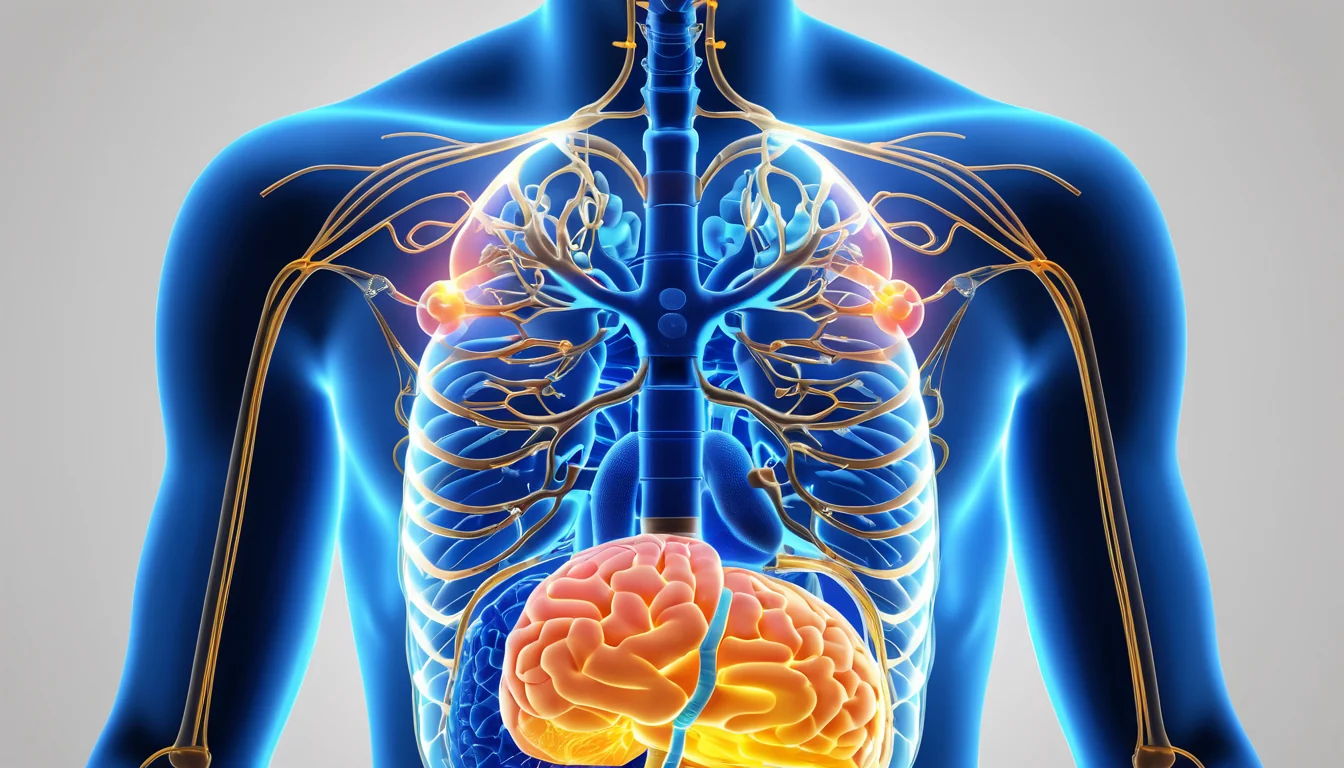
Understanding the alcohol effects on the body is essential for every Canadian who wants to make informed choices about their health. Whether you enjoy a glass of wine with dinner or a cold beer on the weekend, knowing exactly what alcohol does inside your body can help you set safer limits and recognize early warning signs of harm.
How Alcohol Effects on the Body Impact Every Major Organ
Most Canadians drink in moderation without experiencing serious consequences. However, even occasional heavy drinking can quietly damage your heart, liver, brain, and immune system over time. In this guide, we break down how alcohol affects your health system by system, outline the recommended drinking limits in Canada, and explain when it is time to talk to a doctor.
How Alcohol Works in Your Body
| Stage | BAC Level (mg/dL) | Physical & Mental Effects | Health Risk Level |
|---|---|---|---|
| Mild Impairment | 20–59 mg/dL | Reduced inhibition, mild euphoria, slight coordination loss, impaired judgment and reaction time | Low to Moderate — driving impairment begins; legal limit in Canada is 80 mg/dL |
| Moderate Intoxication | 60–150 mg/dL | Slurred speech, poor balance, memory gaps, nausea, significantly impaired motor control | Moderate — risk of injury, accidents, and dangerous decision-making increases substantially |
| Severe Intoxication | 151–299 mg/dL | Vomiting, loss of coordination, blackouts, confusion, hypothermia risk, respiratory depression begins | High — medical attention may be required; risk of aspiration and falls is significant |
| Alcohol Poisoning | 300–399 mg/dL | Unconsciousness, seizures, severely slowed breathing, pale or bluish skin, unresponsive to stimuli | Very High — life-threatening emergency; call 9-1-1 immediately |
| Potentially Fatal | 400 mg/dL and above | Respiratory failure, cardiac arrest, coma, death possible without immediate medical intervention | Critical — fatal in many cases; requires emergency resuscitation |
Alcohol is both a food and a psychoactive substance. That means it affects your mind and your body at the same time. Your body absorbs it quickly, and it reaches your brain within minutes of your first drink.
As a food, alcohol is very calorie-dense. One gram of alcohol contains about 29 kilojoules of energy. However, those calories come with no vitamins, minerals, or fibre. This means heavy drinkers often consume far more energy than their body needs, without getting proper nutrition.
For example, one litre of beer contains roughly 2,000 kilojoules. That covers about 20% of the daily energy needs of an average adult male doing moderate physical work. The same energy is found in 700 mL of wine or 250 mL of spirits.
One of the biggest challenges with alcohol is that most people do not see it as a drug. It is deeply woven into our culture, social life, and economy. This makes it easy to overlook the very real dangers of drinking too much. Health Canada provides clear guidance on low-risk alcohol use for Canadians.
Alcohol Effects on the Body: System by System
Alcohol does not just affect how you feel in the moment. Over time, it causes real physical damage to many of your body’s systems. Here is what the research shows.
Brain and Nervous System
Alcohol slows down your central nervous system. It blocks signals that travel between your brain and the rest of your body. As a result, your perception, emotions, movement, vision, and hearing all become impaired.
In small amounts, alcohol can make you feel relaxed and less anxious. In larger amounts, it causes major changes in how your brain works. You may lose concentration, struggle to speak clearly, or have trouble keeping your balance.
Depending on the person, alcohol can make someone very talkative and friendly — or aggressive and irritable. Reaction time drops sharply, which is why drinking and driving is illegal across all Canadian provinces and territories.
Heart and Cardiovascular System
Drinking heavily over time — or drinking too much in one sitting — raises your risk of serious heart problems. These include cardiomyopathy (a weakening of the heart muscle), irregular heartbeat, high blood pressure, and heart attack.
Even occasional heavy drinking can put strain on your heart. Therefore, it is important to stay within recommended limits and give your body time to recover between drinking sessions.
Liver Damage
Your liver works hard to process alcohol. However, too much alcohol overwhelms it. Over time, this leads to a range of liver conditions, including fatty liver disease, alcoholic hepatitis, liver fibrosis, and eventually cirrhosis.
Cirrhosis is a serious condition where healthy liver tissue is replaced by scar tissue. It can be life-threatening. The good news is that catching liver problems early — with the help of your family doctor — gives you the best chance of recovery.
Pancreas
Alcohol causes the pancreas to produce toxic substances. These substances can trigger pancreatitis, a painful inflammation of the pancreas and its blood vessels. Pancreatitis can become a chronic condition if drinking continues.
Immune System
Heavy alcohol use weakens your immune system over time. Chronic drinkers are significantly more likely to develop serious infections like pneumonia and tuberculosis. Furthermore, even a single episode of heavy drinking can reduce your body’s ability to fight infection for up to 24 hours afterward.
Understanding Alcohol Intoxication
Alcohol intoxication happens when you drink a large amount in a short period of time. Your body simply cannot process the alcohol fast enough. The alcohol effects on the body during intoxication can range from mild to life-threatening.
Mild to Moderate Intoxication
At lower blood alcohol levels (roughly 0.5 to 1.5 parts per thousand), you may feel relaxed, talkative, and slightly uncoordinated. Your judgement starts to slip, and your reaction time slows. Many people feel more confident than they should at this stage.
As blood alcohol rises to moderate levels (1.5 to 2.5 parts per thousand), your coordination worsens noticeably. Speech becomes slurred. Mood swings become more pronounced, swinging between good humour, sadness, and aggression. Social behaviour is clearly affected.
Signs of Alcohol Poisoning
Alcohol poisoning is a medical emergency. It happens when blood alcohol levels become dangerously high. Your body is overwhelmed by a toxic amount of alcohol.
Warning signs of alcohol poisoning include:
- Severe vomiting
- Extreme drowsiness or unconsciousness
- Difficulty breathing
- Very low blood sugar
- Irregular heartbeat
- Pale or bluish skin colour
- Seizures
In severe cases, alcohol poisoning can cause death. If you suspect someone has alcohol poisoning, call 911 immediately. Do not leave them alone. The Mayo Clinic explains the symptoms and dangers of alcohol poisoning in detail.
Factors That Change How Alcohol Affects You
Not everyone responds to alcohol the same way. Several factors influence how quickly and how strongly alcohol affects your body.
Alcohol hits faster and harder when you:
- Drink on an empty stomach
- Have a naturally low tolerance to alcohol
- Are young or have a smaller body frame
- Have a lower percentage of muscle mass
- Do not drink regularly
- Are taking prescription medications or other substances
Your sex also matters. Women generally process alcohol more slowly than men. In addition, your overall physical and mental health plays a big role in how your body handles alcohol. Always check with your pharmacist if you take any medications, as alcohol can interact dangerously with many common drugs.
Recommended Limits for Canadians
Canada’s guidance on low-risk drinking has been updated in recent years. Research now suggests that even moderate drinking carries some health risk. However, keeping within lower limits significantly reduces your chance of harm.
As a general guide, men should aim for no more than three to four standard drinks per day, and women no more than two to three. After a heavy drinking episode, it is recommended to avoid alcohol for at least 48 hours. This gives your body time to recover fully.
One standard drink in Canada equals about 13.6 grams of pure alcohol. That is roughly one 341 mL bottle of regular beer (5%), one 142 mL glass of wine (12%), or one 43 mL shot of spirits (40%). The World Health Organization outlines global evidence on alcohol and health risks.
These are guidelines, not guarantees. If you find it hard to stick to these limits, that is a sign worth paying attention to.
When to See a Doctor
If you are concerned about your drinking — or someone else’s — it is always a good idea to speak with a health professional. In Canada, you have several options. Your family doctor is your best first step. They can assess your situation privately and without judgement.
If you do not have a family doctor, a walk-in clinic can help. Many provinces also offer addiction support programmes through their public health systems. You do not need a referral to contact many of these services.
Seek immediate medical help if you or someone you know shows signs of alcohol poisoning. Call 911 or go to your nearest emergency department right away. Provincial health plans across Canada cover emergency care, so cost should never stop you from getting help.
If you drink frequently or find yourself drinking more than intended, please talk to your doctor. Alcohol use disorder is a medical condition, not a personal failure. Effective treatments are available.
Frequently Asked Questions About Alcohol Effects on the Body
What are the first signs that alcohol is affecting your body?
The first alcohol effects on the body include feeling relaxed, slightly flushed, and less inhibited. Your reaction time slows, and your judgement begins to slip even after just one or two drinks. These early signs are easy to miss, which is why it is important to know your limits.
How much alcohol is too much in Canada?
Current Canadian guidance suggests that men stay below three to four standard drinks per day and women below two to three. However, new research shows that any amount of alcohol carries some health risk. If you are unsure what is right for you, your family doctor or a walk-in clinic can give you personalised advice.
What does alcohol do to your liver over time?
Over time, the alcohol effects on the body include serious liver damage. Heavy drinking can lead to fatty liver disease, alcoholic hepatitis, fibrosis, and cirrhosis. Cirrhosis replaces healthy liver tissue with scar tissue and can be life-threatening if not caught early.
Can occasional heavy drinking damage your health?
Yes, even occasional heavy drinking — sometimes called binge drinking — causes real harm. It weakens your immune system for up to 24 hours, strains your heart, and raises your risk of accidents and injury. The alcohol effects on the body are not limited to people who drink every day.
What are the warning signs of alcohol poisoning?
Warning signs of alcohol poisoning include severe vomiting, unconsciousness, very slow or irregular breathing, pale or bluish skin colour, and seizures. This is a medical emergency. Call 911 immediately and do not leave the person alone.
Where can Canadians get help for alcohol problems?
According to Health Canada’s low-risk alcohol drinking guidelines, this information is supported by current medical research.
For more information, read our guide on thyroid disorders that can worsen with heavy drinking.
Canadians can start by speaking with their family doctor or visiting a walk-in clinic. Most provinces and territories also offer addiction support programmes covered under provincial health plans. You do not need to face alcohol problems alone — help is available and accessible across Canada.
Key Takeaways
- The alcohol effects on the body touch nearly every major organ system, including the brain, heart, liver, pancreas, and immune system.
- Even occasional heavy drinking causes real harm — it is not just a problem for people who drink every day.
- Alcohol poisoning is a medical emergency. Call 911 if you suspect someone is affected.
- Canadian guidelines recommend no more than three to four drinks per day for men and two to three for women, with alcohol-free days each week.
- Your family doctor or a walk-in clinic is your best first step if you are concerned about your drinking.
- Alcohol use disorder is a medical condition. Effective treatment and support programmes are available across Canada, covered by most provincial health plans.
- Always talk to your doctor before making major changes to your health behaviour, especially if you drink regularly or take prescription medications.
Frequently Asked Questions
What are the alcohol effects on the body?
Alcohol affects nearly every organ system. Short-term effects include impaired coordination, slurred speech, and poor judgment. Long-term effects include liver disease, heart problems, brain damage, weakened immunity, and increased cancer risk. Even moderate drinking can raise blood pressure and disrupt sleep quality over time.
What are the signs of alcohol-related health problems in Canadians?
Warning signs include persistent fatigue, yellowing skin or eyes (jaundice), memory loss, frequent illness, numbness in hands or feet, high blood pressure, and digestive problems. Canadians experiencing unexplained weight loss, mood changes, or difficulty controlling drinking should seek medical evaluation promptly.
How does alcohol affect the body’s organs long-term?
Chronic alcohol use damages the liver (causing cirrhosis), weakens the heart muscle, shrinks brain tissue, inflames the pancreas, and lines the digestive tract with precancerous cells. Canada’s Low-Risk Alcohol Drinking Guidelines recommend limiting drinks weekly to reduce cumulative organ damage significantly.
Can alcohol effects on the body be reversed with treatment?
Some damage is reversible with early treatment. Liver inflammation can heal with abstinence, and brain function may partially recover. However, cirrhosis, severe neuropathy, and certain heart conditions are permanent. Treatment options include medically supervised detox, counselling, and medications like naltrexone available through Canadian healthcare providers.
When should I see a doctor about my alcohol use in Canada?
See a doctor if you cannot control your drinking, experience withdrawal symptoms like tremors or sweating, notice physical health changes, or drink more than Canada’s Low-Risk Guidelines recommend. Family physicians, walk-in clinics, and provincial addiction services like CAMH offer confidential, non-judgmental support across Canada.

About the Author
Dr. Sarah Mitchell, MDDr. Sarah Mitchell is a board-certified family physician with over 15 years of clinical experience. She completed her MD at the University of Toronto and her residency at Toronto General Hospital. Dr. Mitchell specializes in preventive medicine and chronic disease management. She is a member of the College of Family Physicians of Canada (CFPC) and has published over 30 peer-reviewed articles on preventive health care.
View all articles →