
Spider Bite Symptoms: Diagnosis & Treatment in Canada

Share
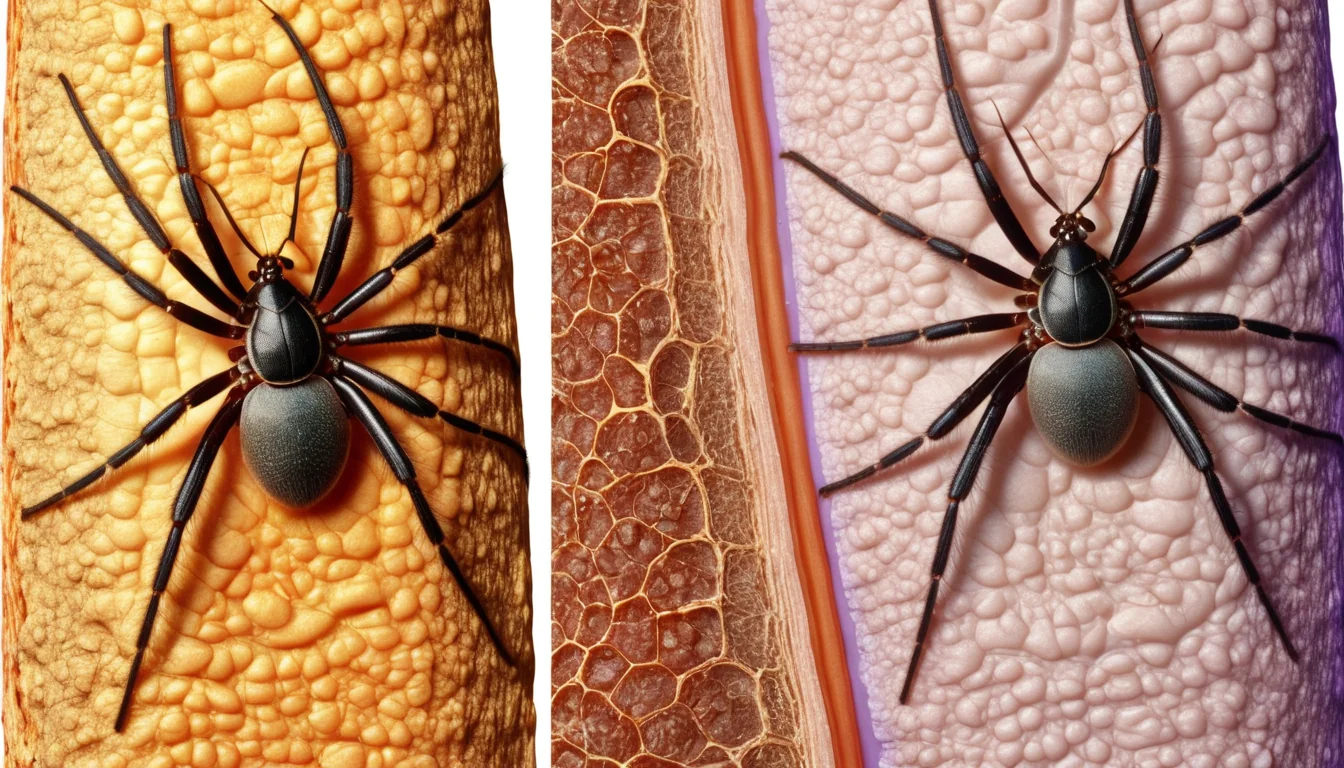
Spider bite symptoms can range from mild redness and swelling to severe pain, muscle cramps, and breathing difficulties that require emergency care. While most spiders in Canada are harmless and rarely break human skin, knowing how to identify a dangerous bite from species like the black widow or brown recluse could save your life or prevent serious complications.
Common Spider Bite Symptoms Every Canadian Should Recognize
This guide is written specifically for Canadians who want to understand spider bite treatment Canada options, learn how doctors diagnose these bites, and know exactly when to head to a walk-in clinic or emergency room. Whether you were bitten during outdoor activities or found a spider in your home, the information below will help you take the right steps quickly.
Are Most Spider Bites Dangerous?
| Symptom | Description | Severity Level | Recommended Action |
|---|---|---|---|
| Localized redness and swelling | Mild inflammation around the bite site, often with minor itching and tenderness lasting 1–3 days | Mild | Clean with soap and water, apply cold compress, monitor for changes |
| Pain and burning sensation | Stinging or aching feeling at the bite site that may radiate slightly; common with most spider bites | Mild to Moderate | Over-the-counter pain relievers (acetaminophen or ibuprofen); consult pharmacist if persistent |
| Expanding wound or tissue necrosis | A growing ulcer or blackened skin around the bite; associated with rare cases such as brown recluse bites | Severe | Seek immediate medical attention at an emergency department or urgent care clinic |
| Muscle cramps and abdominal pain | Systemic cramping, rigidity, and pain spreading beyond the bite site; may indicate a black widow spider bite | Severe | Call 911 or go to the nearest emergency room immediately; antivenom may be required |
| Nausea, fever, and chills | Systemic reaction including elevated temperature, sweating, and gastrointestinal upset following a bite | Moderate to Severe | Seek prompt medical evaluation; contact Health Links or a physician if symptoms worsen |
| Anaphylaxis (allergic reaction) | Rapid onset of hives, difficulty breathing, swelling of the throat, dizziness, or loss of consciousness | Life-Threatening | Call 911 immediately; use epinephrine auto-injector (EpiPen) if prescribed and available |
The good news is that most spiders rarely bite people. All spiders produce venom, but most have fangs too small to pierce human skin. Even when a spider does bite, it usually causes only minor redness, swelling, and discomfort at the site.
Spiders are arachnids, not insects. They belong to the same class as scorpions, mites, and ticks — all of which have eight legs. Spiders actually play a helpful role in nature by eating insects that damage crops.
Which Spiders Are Dangerous to Humans?
Out of thousands of spider species worldwide, only a handful pose a real danger to people. In North America, three species are responsible for most serious spider bite cases.
Black Widow Spider
The black widow is easy to recognize. It has a shiny black body with a red hourglass shape on its belly. Black widows prefer to build webs in woodpiles, eaves, fences, and outbuildings. They are most common in western and southern parts of North America, though sightings have been reported in parts of southern Canada.
Brown Recluse Spider
The brown recluse — sometimes called the violin or fiddleback spider — has a dark, violin-shaped mark on its head. It prefers dry, sheltered spots like woodpiles, rock piles, and leaf litter. Indoors, it hides in dark closets, attics, and shoes. Brown recluses are more common in the American Midwest and South but can occasionally be transported into Canada through luggage or shipped goods.
Hobo Spider
The hobo spider is a brown spider with a grey, V-shaped (herringbone) pattern on its belly. It builds funnel-shaped webs in dark, damp places like basements, crawl spaces, window frames, and woodpiles. Hobo spiders are found mainly in the Pacific Northwest, including parts of British Columbia.
Who Is at Risk of a Spider Bite?
Anyone can accidentally encounter a spider and get bitten. However, certain people face a higher risk because of where they work or spend time. People at greater risk include:
- Outdoor workers such as landscapers, groundskeepers, and farm workers
- Children who play in leaf piles or rocky areas
- Hikers and campers who reach into tight spaces
- People who handle firewood or stored boxes without gloves
Black widow and brown recluse bites are especially dangerous for young children — due to their small body size — and for older adults who may already have fragile health.
Spider Bite Symptoms to Watch For
Symptoms of a spider bite vary depending on the type of spider involved. Knowing what to look for can help you get the right care faster.
Black Widow Spider Bite Symptoms
A black widow spider bite causes immediate, sharp pain — similar to a strong sting. The area around the bite may then go numb. Other symptoms can include:
- Difficulty breathing
- Drooping or swollen eyes
- Severe headache
- Increased saliva production
- Nausea and vomiting
- Painful muscle cramps and stiffness in the stomach, shoulders, chest, and back
- Heavy sweating
- Itchy skin rash
These symptoms can appear within minutes and may last for several hours. Children and older adults are most at risk for serious complications.
Brown Recluse Spider Bite Symptoms
A brown recluse spider bite is not immediately painful or visible. In fact, you may not feel anything for up to an hour after the bite. Symptoms that can develop include:
- A blister surrounded by bruising or reddish skin — often described as a bull’s-eye pattern
- Skin that breaks open and forms a slow-healing ulcer or scar
- Itching at the bite site or across the body
In some cases, the skin wound from a brown recluse bite can become serious and may require medical treatment to heal properly.
Hobo Spider Bite Symptoms
A hobo spider bite rarely causes immediate pain. However, other symptoms can appear within minutes to hours. These include:
- A severe headache that may last up to a week
- Hardening of the skin at the bite site within 30 minutes
- Red, swollen skin
- Blisters that produce pus
- Fatigue and nausea
- Cognitive issues such as memory problems
How Is a Spider Bite Diagnosed?
Diagnosing a spider bite can be tricky because there is no specific lab test to confirm one. The best way to confirm both the bite and the type of spider involved is to actually see the spider — or capture it safely for identification.
Your healthcare provider will usually make a diagnosis based on your symptoms and medical history. In some cases, your doctor may send a fluid sample from a blister to a lab. This helps rule out skin infections that look similar to a spider bite, such as methicillin-resistant Staphylococcus aureus (MRSA) — a type of antibiotic-resistant bacteria.
For more information on spider bites and how they are assessed, visit the Mayo Clinic’s spider bite resource.
Spider Bite Treatment Options
Treatment for a spider bite depends on the type of spider and the severity of your symptoms. Most minor bites can be managed at home. Serious bites need medical attention right away.
Home Care for Minor Spider Bites
For a mild spider bite, you can take the following steps at home:
- Wash the bite area gently with soap and water
- Apply a cold pack to reduce swelling
- Take an over-the-counter pain reliever like acetaminophen or ibuprofen if needed
- Keep the bite area clean to prevent infection
Medical Treatment for Serious Spider Bites
Black widow spider bites may require muscle relaxants, sedatives, and prescription pain medication. In severe cases — particularly for children under 16 or adults over 60 — hospitalization may be needed to manage breathing problems, heart issues, high blood pressure, and intense muscle cramps.
Brown recluse and hobo spider bites are treated with daily wound cleaning using a povidone-iodine solution. If a skin ulcer develops and does not heal on its own, surgery may be necessary. Your doctor may also prescribe antibiotics if an infection develops.
For a helpful overview of bite treatments, Healthline’s guide to spider bites offers reliable, up-to-date information.
When to See a Doctor in Canada
If you think you have been bitten by a black widow, brown recluse, or hobo spider, do not wait to see how symptoms develop. Go to your nearest emergency room right away.
For bites with mild symptoms — such as redness, minor swelling, or itching — visit a walk-in clinic or contact your family doctor. Most provincial health plans in Canada cover these visits. If you are unsure whether your symptoms are serious, call your provincial health line (such as Health811 in Ontario, 8-1-1 in British Columbia, or Télé-santé in Quebec) to speak with a registered nurse at no cost.
Seek emergency care immediately if you experience any of the following after a spider bite:
- Difficulty breathing
- Severe muscle cramps or stomach pain
- Chest tightness or heart palpitations
- A rapidly spreading wound or skin ulcer
- High fever or signs of infection
For guidance on when a bite requires emergency attention, Health Canada’s first aid tips for bites and stings is a trusted starting point.
As always, this article is for general information only. Please consult your family doctor or a qualified healthcare provider for advice specific to your situation.
Frequently Asked Questions About Spider Bites
How do I know if I have a spider bite?
The most reliable way to confirm a spider bite is to see the spider that bit you. Without that, a healthcare provider will assess your symptoms — such as swelling, redness, blistering, or muscle cramps — to make a diagnosis. There is no specific blood test that can confirm a spider bite.
Are there dangerous spiders in Canada?
Yes, Canada is home to a small number of spiders that can cause a serious spider bite, including the black widow, which is found mainly in southern British Columbia, Alberta, and Ontario. Hobo spiders have also been reported in British Columbia. Brown recluses are rarely found in Canada but can be accidentally transported from the United States.
What does a spider bite look like?
A typical spider bite may appear as a small red bump, similar to a mosquito bite. A brown recluse spider bite can develop into a bull’s-eye pattern with a blister at the centre, which may later form an open sore. Black widow spider bites often show two small fang marks and cause significant pain and swelling.
Should I go to the ER for a spider bite?
You should go to the emergency room immediately if your spider bite causes difficulty breathing, severe muscle cramps, chest pain, or a rapidly worsening wound. For milder symptoms, a walk-in clinic or your family doctor is a good first step. When in doubt, call your provincial health line for free advice from a registered nurse.
How long does a spider bite take to heal?
Most minor spider bites heal within one to two weeks with basic home care. A brown recluse spider bite can take much longer — sometimes several months — especially if a skin ulcer forms. Severe spider bites that require medical treatment may take weeks to resolve fully, depending on the individual’s health.
Can a spider bite be mistaken for something else?
According to Mayo Clinic’s guide to spider bite symptoms and causes, this information is supported by current medical research.
For more information, read our guide on heat stroke symptoms and emergency first aid in Canada.
Yes, a spider bite is often mistaken for an insect bite, a skin infection, or even a MRSA (antibiotic-resistant staph) infection. Because symptoms can overlap with other conditions, your doctor may order lab tests on blister fluid to rule out other causes. Always mention any recent outdoor activity or travel when you see your healthcare provider.
Key Takeaways
- Most spider bites are minor and cause only redness, swelling, and mild pain.
- Black widow, brown recluse, and hobo spiders are the most dangerous species in North America.
- Serious spider bite symptoms include difficulty breathing, severe muscle cramps, and spreading skin wounds.
- There is no specific test for a spider bite — diagnosis is based on symptoms and, ideally, identifying the spider.
- Minor bites can be treated at home; serious bites need emergency care right away.
- Canadians can call their provincial health line (811) for free guidance from a registered nurse.
- Always speak with your family doctor or visit a walk-in clinic if you are unsure about a bite.
Frequently Asked Questions
What are the most common spider bite symptoms in Canada?
Common spider bite symptoms include redness, swelling, pain, and itching around the bite site. Some bites cause a raised welt or blister. Most Canadian spider bites are mild and resolve within a few days. Severe symptoms like intense pain, muscle cramps, nausea, or spreading skin damage require immediate medical attention.
What are spider bite symptoms that indicate a medical emergency?
Seek emergency care immediately if you experience difficulty breathing, severe abdominal cramping, rapidly spreading redness or tissue death around the bite, fever, vomiting, or signs of anaphylaxis. These symptoms may indicate a venomous spider bite or serious allergic reaction requiring urgent hospital treatment in Canada.
How do you treat a spider bite at home in Canada?
Clean the bite with soap and water, apply a cold compress to reduce swelling, and elevate the affected limb. Over-the-counter antihistamines or hydrocortisone cream can relieve itching. Acetaminophen or ibuprofen manages mild pain. Monitor symptoms closely and seek medical care if the bite worsens within 24–48 hours.
When should you see a doctor for a spider bite?
See a doctor if symptoms worsen after 24 hours, the wound develops blistering, oozing, or blackened skin, or you experience fever, muscle pain, or spreading redness. Children, elderly individuals, and immunocompromised patients should seek medical evaluation sooner, as they face higher risks of complications from spider bites.
How can you prevent spider bites in Canada?
Prevent spider bites by shaking out clothing and shoes before wearing them, wearing gloves when gardening or handling firewood, and sealing cracks in your home. Use insect repellent outdoors, keep storage areas tidy, and install door sweeps. Checking bedding and towels in garages or basements also reduces exposure risk.

About the Author
Dr. James Okafor, MD, PhDDr. James Okafor holds an MD and PhD in Neurological Sciences from McGill University. With 12 years of experience in clinical neurology and mental health research, he has contributed to landmark studies on depression, anxiety, and cognitive health. Dr. Okafor is a Fellow of the Royal College of Physicians and Surgeons of Canada and serves on the editorial board of two peer-reviewed journals.
View all articles →