Allergic Rhinitis: Causes, Symptoms & Treatment Canada

Share
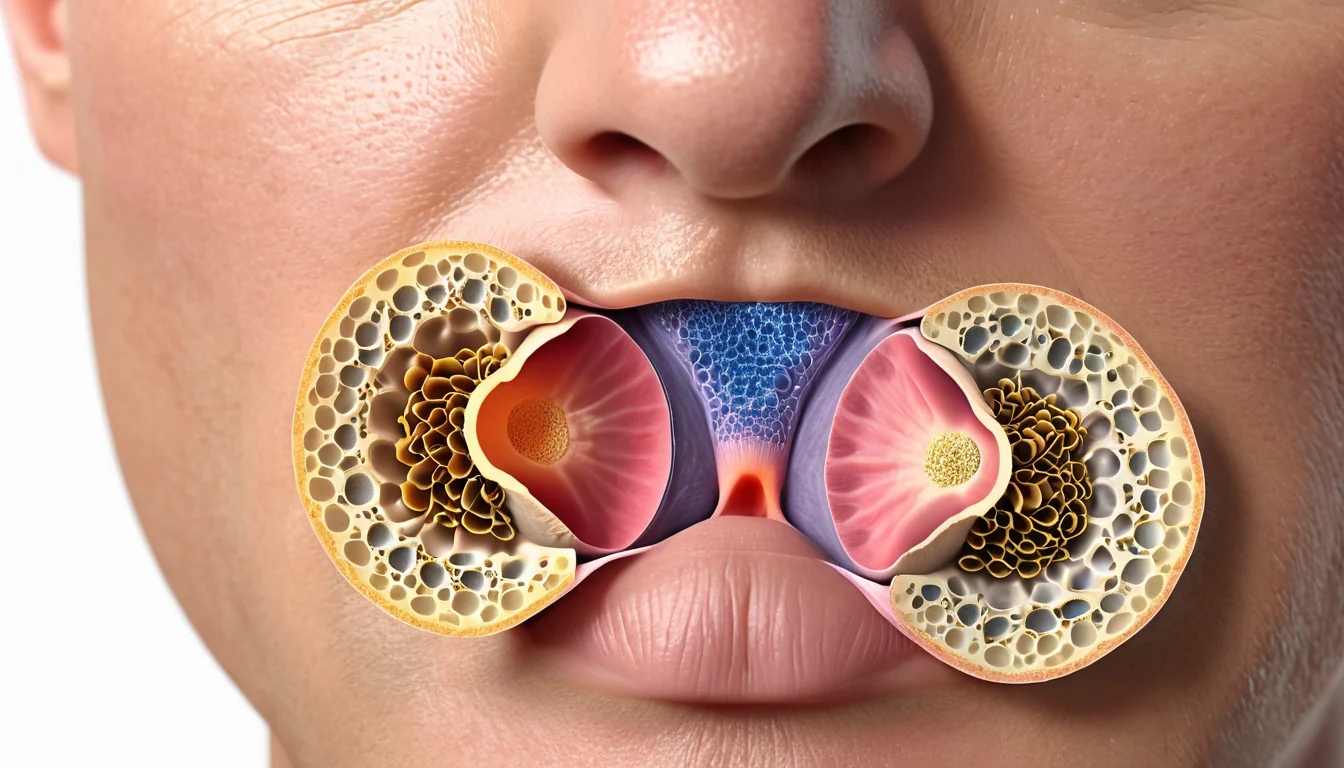
Allergic rhinitis — commonly called hay fever — is one of the most widespread health conditions affecting millions of Canadians every year. It occurs when your immune system overreacts to harmless airborne particles like pollen, dust mites, or pet dander, causing uncomfortable inflammation in your nose, eyes, ears, and throat.
What Causes Allergic Rhinitis in Canadians?
Understanding hay fever symptoms in Canada is essential because seasonal allergies can significantly impact your quality of life, from disrupting sleep to reducing productivity at work or school. This comprehensive guide explains exactly what causes allergic rhinitis, what symptoms to watch for at each stage, and what treatment options are currently available to Canadians — so you can take control of your nasal health and breathe easier.
What Is Allergic Rhinitis?
| Treatment | How It Works | Benefits | Considerations |
|---|---|---|---|
| Intranasal Corticosteroids (e.g., Flonase, Nasonex) | Reduces nasal inflammation and mucus production | Most effective first-line treatment; controls multiple symptoms | Requires consistent daily use; available OTC or by prescription in Canada |
| Oral Antihistamines (e.g., cetirizine, loratadine) | Blocks histamine receptors to reduce allergic response | Fast-acting; widely available without prescription at Canadian pharmacies | Second-generation options cause less drowsiness; may not relieve congestion |
| Decongestants (e.g., pseudoephedrine) | Narrows blood vessels in nasal passages to reduce swelling | Provides quick relief from nasal congestion | Not recommended for long-term use; requires ID purchase in Canadian pharmacies |
| Allergen Immunotherapy (Allergy Shots or Sublingual Drops) | Gradually desensitizes the immune system to specific allergens | Long-term reduction of symptoms; may provide lasting remission | Requires referral to a Canadian allergist; treatment spans 3–5 years |
| Saline Nasal Irrigation (e.g., Neti pot, saline rinse) | Physically flushes allergens and mucus from nasal passages | Drug-free; safe for all ages including children and pregnant women | Must use sterile or distilled water; best used as a complementary therapy |
Your immune system is designed to protect you from bacteria and viruses. It does this by producing antibodies that fight off harmful invaders. However, in people with allergic rhinitis, the immune system mistakenly treats harmless substances — like grass pollen or dust mites — as a threat.
This mistaken response triggers inflammation in the lining of your nose. It can also affect your eyes, ears, throat, and mouth. The reaction can range from mildly annoying to seriously disruptive to daily life.
Interestingly, your body may not react the first time you breathe in an allergen. You might only develop symptoms after repeated exposure. Over time, some people find their sensitivity decreases. Others develop complications like sinus infections or ear infections.
Allergic rhinitis is also closely linked to other allergic conditions tracked by Health Canada, including allergic asthma. If you have one, you are more likely to have the other.
Types of Allergic Rhinitis
There are two main types of allergic rhinitis. Understanding which type you have helps guide your treatment choices.
Seasonal Allergic Rhinitis
Seasonal allergic rhinitis (SAR) occurs at specific times of year. It is usually triggered by outdoor allergens like tree, grass, or weed pollen. In Canada, symptoms often peak in spring and fall. Sneezing, runny nose, watery eyes, and itching are the most common signs.
Perennial Allergic Rhinitis
Perennial allergic rhinitis (PAR) lasts all year long. Indoor allergens like dust mites, pet dander, mould, and cockroaches are usually to blame. Nasal congestion and post-nasal drip tend to be the dominant symptoms with PAR. Sneezing and runny nose may also occur, but are usually less intense than with SAR.
Common Causes of Allergic Rhinitis
Allergic rhinitis is triggered by allergens — substances your immune system incorrectly flags as dangerous. Not everyone reacts to the same allergens. Your likelihood of developing allergies depends on what researchers call an “atopic tendency” — a genetic predisposition toward allergic reactions.
Common allergens that trigger allergic rhinitis include:
- Pollen — from trees, grasses, and weeds
- Dust mites — microscopic creatures living in bedding and carpets
- Pet dander — tiny flakes of skin from cats, dogs, and other animals
- Mould spores — found both indoors and outdoors
- Cockroach particles — a common indoor trigger in urban areas
If allergies run in your family, your own risk is higher. Most people with allergic rhinitis have at least one parent or sibling with some form of allergy. Furthermore, air pollution can irritate the nasal lining and make allergic reactions worse when you are exposed to triggers.
Symptoms of Allergic Rhinitis
Symptoms of allergic rhinitis can appear within minutes of allergen exposure. Others develop more slowly, over three to six hours. You may experience all of the following symptoms or just a few.
Immediate Symptoms
These symptoms tend to appear within one to five minutes of exposure:
- Repeated sneezing — often worse in the morning after waking up
- Runny nose (rhinorrhoea) — usually a clear, watery discharge; it may turn thick and yellow if a sinus infection develops
- Watery, itchy eyes — sometimes called allergic conjunctivitis
- Itching in the ears, nose, and throat
- Post-nasal drip — mucus draining down the back of your throat, which can trigger a chronic cough
Delayed Symptoms
These symptoms build gradually and are especially common in children:
- Nasal congestion — a stuffy nose caused by swelling and inflammation; this is the most common symptom in children
- Mouth breathing — caused by a blocked nose
- Facial pressure or pain — from inflamed sinuses
- Ear pressure or reduced hearing — due to Eustachian tube involvement
- Fatigue — persistent tiredness from poor sleep and constant inflammation
- Light sensitivity — eyes that feel sensitive to bright light
- Dark circles under the eyes — sometimes called “allergy shiners”
- The “allergic salute” — repeatedly rubbing the nose upward with the palm of the hand; very common in children
Symptoms of allergic rhinitis can last a lifetime. However, the type and severity of symptoms often change over time. As a result, some people find their symptoms improve as they get older. Others find certain seasons or environments make things considerably worse.
Additional irritants can make symptoms worse even when allergen levels are low. These include cigarette smoke, vehicle exhaust, wood-burning fireplaces, strong perfumes, and insecticides. Mayo Clinic offers a detailed overview of hay fever triggers and symptoms worth reviewing.
A special note for pregnant Canadians: allergic rhinitis symptoms can worsen during pregnancy. Treatment must be chosen very carefully, as some medications may not be safe for the baby. Always speak with your doctor before starting or changing any treatment during pregnancy.
How Allergic Rhinitis Is Diagnosed
Your family doctor or walk-in clinic physician will usually start with a physical exam and a review of your symptoms. They will ask about when your symptoms occur, how long they last, and whether they seem linked to specific environments or seasons.
In some cases, your doctor may refer you to an allergist for further testing. Common diagnostic tools include:
- Skin prick testing — small amounts of allergens are applied to your skin to see which ones cause a reaction
- Blood tests (specific IgE) — measure the level of allergy antibodies in your blood
It is important to rule out other conditions with similar symptoms. Upper respiratory infections, nasal structural problems, and non-allergic rhinitis can all look like allergic rhinitis but require different treatment approaches.
Treatment Options for Allergic Rhinitis
The good news is that allergic rhinitis is very manageable. Treatment usually combines avoiding triggers, using medications, and in some cases, immunotherapy. Most of these options are accessible through provincial health plans or covered in part by private insurance.
Avoiding Triggers
The most effective step is reducing your exposure to allergens. For example, if pollen is your trigger, check pollen counts and stay indoors on high-count days. Use air purifiers with HEPA filters at home. Wash bedding weekly in hot water to reduce dust mites.
Medications
Several over-the-counter and prescription medications can help control symptoms:
- Antihistamines — reduce sneezing, itching, and runny nose; available over the counter at most Canadian pharmacies
- Nasal corticosteroid sprays — the most effective medication for controlling nasal symptoms; often recommended as a first-line treatment
- Decongestants — help relieve a stuffy nose; should not be used for more than a few days without medical advice
- Saline nasal rinses — a gentle, drug-free way to flush allergens from the nasal passages
- Eye drops — antihistamine eye drops can relieve itchy, watery eyes
Immunotherapy (Allergy Shots or Drops)
Immunotherapy is a long-term treatment that gradually reduces your sensitivity to specific allergens. It is usually recommended when medications are not enough. Your allergist administers increasing doses of the allergen over months or years. Healthline provides a helpful guide to allergic rhinitis treatment options that covers immunotherapy in more detail.
When to See a Doctor
Many Canadians manage mild allergic rhinitis symptoms on their own with over-the-counter products. However, you should visit your family doctor or a walk-in clinic if:
- Your symptoms are severe or interfering with sleep, work, or school
- Over-the-counter medications are not helping
- You develop facial pain, ear pressure, or a fever — these may signal a sinus or ear infection
- You are pregnant and struggling with symptoms
- You think you may also have asthma
- Your child is frequently rubbing their nose, mouth-breathing, or missing school due to symptoms
Your family doctor can refer you to an allergist if needed. Most provincial health plans cover allergy testing and specialist visits with a referral. A walk-in clinic is a good first stop if you do not yet have a family doctor.
As always, speak with a qualified healthcare provider before starting any new medication or treatment plan. This article is for informational purposes only and does not replace professional medical advice.
Frequently Asked Questions About Allergic Rhinitis
What is the difference between allergic rhinitis and a common cold?
Allergic rhinitis and a cold share many symptoms, including a runny nose and congestion. However, a cold is caused by a virus and usually resolves within 7 to 10 days. Allergic rhinitis is triggered by allergens and can last for weeks, months, or all year long — and it does not cause a fever.
Can allergic rhinitis go away on its own?
Allergic rhinitis is generally a lifelong condition, but its severity can change over time. Some people find their symptoms improve as they age, while others see them worsen. With proper management, most people with allergic rhinitis can lead fully normal lives.
Is allergic rhinitis the same as hay fever?
Yes — hay fever is the common name for seasonal allergic rhinitis, which is triggered mainly by outdoor pollen. However, the term “allergic rhinitis” is broader and also includes year-round (perennial) forms caused by indoor allergens like dust mites and pet dander.
What foods should I avoid if I have allergic rhinitis?
Food is not a direct trigger of allergic rhinitis, but some people experience oral allergy syndrome — mouth tingling or itching after eating certain raw fruits or vegetables that share proteins with pollen. For example, if you are allergic to birch pollen, you might react to raw apples or carrots. Talk to your doctor or allergist if you notice this pattern.
Can children outgrow allergic rhinitis?
Some children do see their allergic rhinitis symptoms improve or even disappear as they get older. However, many continue to experience symptoms into adulthood. Early diagnosis and treatment can help manage the condition and prevent complications like sinus infections and sleep problems.
Is allergic rhinitis covered by provincial health plans in Canada?
According to Health Canada’s guidance on managing environmental allergies, this information is supported by current medical research.
For more information, read our guide on heat stroke symptoms and seasonal health risks in Canada.
Visits to your family doctor or walk-in clinic for allergic rhinitis are typically covered under provincial health insurance plans. Specialist referrals to an allergist are also usually covered. However, prescription and over-the-counter medications may require private insurance or out-of-pocket payment depending on your province and plan.
Key Takeaways
- Allergic rhinitis is an immune system overreaction to harmless airborne substances like pollen, dust mites, or pet dander.
- There are two main types: seasonal (triggered by outdoor pollen) and perennial (triggered by year-round indoor allergens).
- Common symptoms include sneezing, runny nose, nasal congestion, itchy eyes, and fatigue.
- Symptoms can appear within minutes of allergen exposure or develop gradually over several hours.
- Treatment options include allergen avoidance, antihistamines, nasal sprays, and immunotherapy.
- Most Canadians can access diagnosis and treatment through their family doctor, a walk-in clinic, or an allergist with a referral.
- Always consult a healthcare professional before starting a new treatment, especially during pregnancy.
Frequently Asked Questions
What is allergic rhinitis?
Allergic rhinitis is an immune system reaction that occurs when you inhale allergens such as pollen, dust mites, or pet dander. Your body releases histamine, causing nasal inflammation. It affects roughly 20–25% of Canadians and exists in two forms: seasonal (hay fever) and perennial, which occurs year-round.
What are the most common symptoms of allergic rhinitis?
Common symptoms include a runny or stuffy nose, frequent sneezing, itchy or watery eyes, nasal congestion, postnasal drip, and fatigue. Symptoms can range from mild to severe and may interfere with sleep and daily activities. Perennial allergic rhinitis may also cause chronic sinus pressure and headaches.
How is allergic rhinitis treated in Canada?
Treatment includes antihistamines, nasal corticosteroid sprays, and decongestants, many available over the counter at Canadian pharmacies. For moderate-to-severe cases, doctors may prescribe allergen immunotherapy (allergy shots or sublingual drops). Avoiding known triggers and using HEPA air purifiers can also significantly reduce symptom severity.
Can you prevent allergic rhinitis symptoms during pollen season?
You can reduce symptoms by monitoring daily pollen counts through Weather Canada, keeping windows closed during high-pollen days, showering after being outdoors, wearing sunglasses outside, and starting antihistamines or nasal sprays before peak pollen season begins. Changing clothes after outdoor exposure also helps minimize allergen contact.
When should you see a doctor for allergic rhinitis?
See a doctor if over-the-counter medications aren’t controlling your symptoms, symptoms persist year-round, you experience recurring sinus infections, or allergies are significantly affecting your sleep or quality of life. A physician may refer you for allergy testing to identify specific triggers and discuss prescription treatments or immunotherapy options.

About the Author
Dr. Linda Chen, RD, PhDDr. Linda Chen is a registered dietitian and PhD in Nutritional Sciences from the University of British Columbia. With expertise in clinical nutrition, sports dietetics, and gut health, she has worked with leading Canadian hospitals and sports organizations. Dr. Chen is a member of Dietitians of Canada and regularly contributes to national nutrition policy discussions.
View all articles →