
Hives Symptoms: Causes & Treatment Guide for Canada

Share
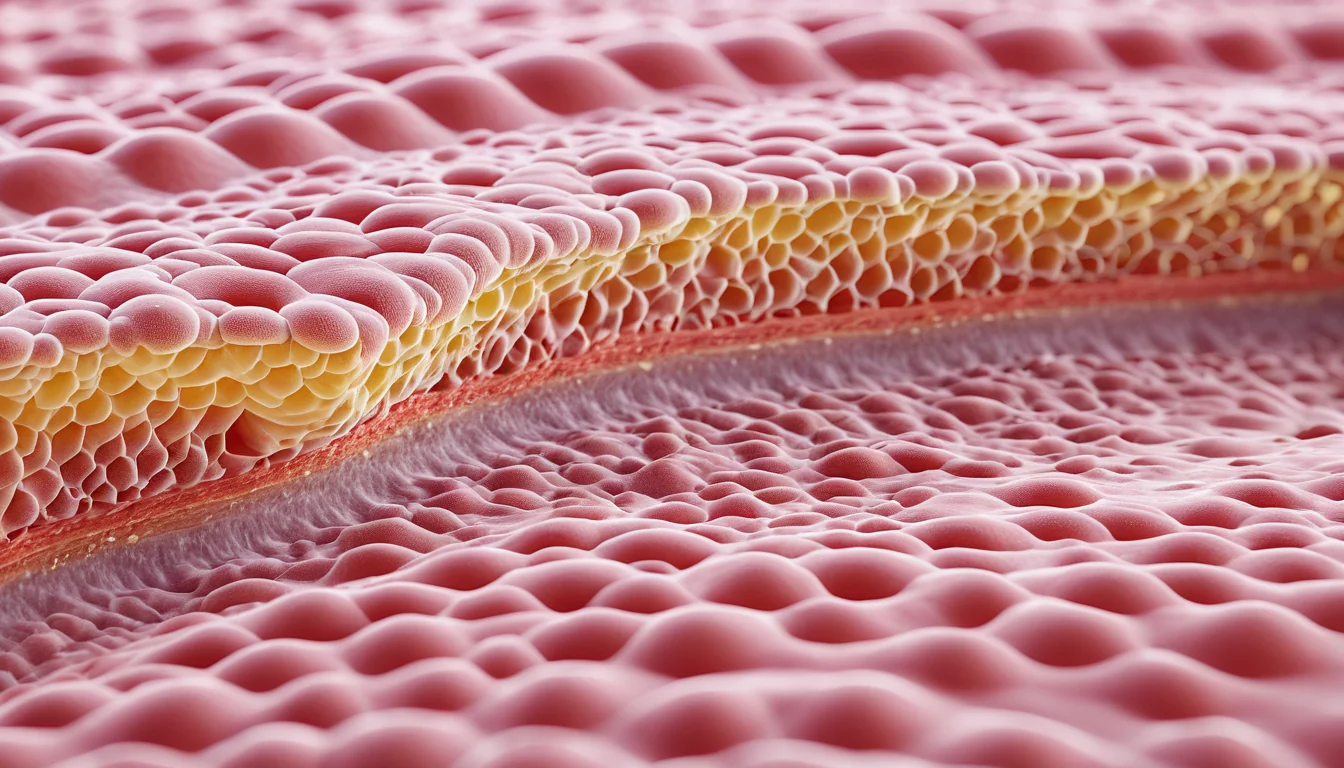
Hives symptoms can appear without warning, causing raised, itchy welts that spread across almost any part of the body. Known medically as urticaria, hives are one of the most common skin reactions experienced by Canadians of all ages, and they can range from a mild inconvenience to a sign of a serious allergic reaction.
Recognising Hives Symptoms and When They Need Medical Attention
Understanding what causes hives is the first step toward effective relief. Triggers can include certain foods, medications, infections, insect stings, and environmental factors such as cold weather — a frequent concern across Canada. In some cases, no clear cause is ever identified. This guide explains how to recognise hives on skin, when to seek emergency care, and the best ways to manage and treat them safely at home or with the help of your healthcare provider.
What Are Hives?
| Hives Symptom | Description | Severity Level | Recommended Action |
|---|---|---|---|
| Raised welts (wheals) | Red, pink, or skin-coloured bumps that appear suddenly on any part of the body and may vary in size from a few millimetres to several centimetres | Mild to Moderate | Monitor at home; use antihistamines available over the counter at Canadian pharmacies |
| Intense itching (pruritus) | Persistent, often severe itching around the welts that can worsen at night or with heat, significantly affecting daily activities and sleep | Mild to Moderate | Apply cool compresses; take oral antihistamines such as cetirizine or loratadine |
| Skin swelling (angioedema) | Deeper swelling beneath the skin, commonly affecting the lips, eyelids, hands, feet, or genitals; may cause a burning or painful sensation rather than itching | Moderate to Severe | See a physician promptly; if throat or tongue is swollen, call 911 immediately |
| Blanching of welts | The centre of the hive turns white when pressed, helping distinguish hives from other skin conditions such as purpura or rashes caused by bleeding under the skin | Mild | Use this sign to self-identify hives; consult a pharmacist or family doctor if uncertain |
| Rapid spreading or shifting | Welts that disappear from one area and reappear elsewhere within hours; individual hives typically resolve within 24 hours but new ones continue to form | Moderate | Track patterns and triggers; consult a physician if hives persist beyond six weeks (chronic hives) |
| Breathing difficulty or throat tightness | Swelling of the airway accompanied by wheezing, shortness of breath, or difficulty swallowing; indicates a severe allergic reaction (anaphylaxis) | Severe — Medical Emergency | Use epinephrine auto-injector (EpiPen) if prescribed and call 911 immediately; do not drive yourself to hospital |
Hives are raised bumps or patches on the skin that are usually pink or red. They appear suddenly and can show up on any part of the body, including the scalp, lips, palms, and soles of the feet. The medical term for hives is urticaria.
One of the most recognisable features of hives is how quickly they change. A welt may appear, disappear, and then reappear in a completely different spot — all within minutes or hours. This rapid shifting behaviour is unique to hives and helps doctors identify them.
Signs and Symptoms of Hives
The main symptom of hives is small, raised bumps on the skin called wheals or papules. These bumps are intensely itchy and have clearly defined edges with a flat top. They typically range from 1 cm to 5 cm in diameter.
The welts are usually pink or red in colour. They often merge together quickly, forming larger flat patches of swollen, discoloured skin. These patches can cover a surprisingly large area of the body.
Symptoms That Require Emergency Care
In some cases, hives can be a sign of a serious allergic reaction called anaphylaxis. Call 911 immediately if hives appear alongside any of the following symptoms:
- Wheezing or difficulty breathing
- Swelling of the throat or tongue
- Fainting or loss of consciousness
- A sudden drop in blood pressure
- Pale skin and cold sweats
- A runny nose combined with rapid skin changes
Without prompt treatment, anaphylaxis can lead to loss of consciousness and cardiac arrest. If you carry an epinephrine auto-injector (EpiPen), use it right away and still call 911. Learn more about anaphylaxis from Mayo Clinic.
Common Causes of Hives
Hives happen when the body releases a chemical called histamine into the skin. This causes the small blood vessels under the skin to leak fluid, which creates the characteristic swollen welts. Many different triggers can set this process in motion.
Sometimes the cause of hives is never identified. However, the most common triggers include:
- Medications: Almost any medication can trigger hives in some people, including over-the-counter options like aspirin, cough syrup, antacids, vitamins, laxatives, and pain relievers.
- Foods: Eggs, nuts, peanuts, shellfish, and fruits are frequent culprits. Food dyes and preservatives may also play a role.
- Insect stings: Bee or wasp stings can trigger hives quickly.
- Viral infections: Common viruses, especially in children, can bring on an outbreak.
- Animal contact: Cats and other pets are a frequent trigger for people with allergies.
- Environmental exposure: Heat, cold, sunlight, or contact with water can all cause hives in sensitive individuals.
- Autoimmune conditions: The immune system can sometimes attack the body’s own tissues, leading to chronic hives.
- Stress: Emotional stress is a well-recognised trigger for hives flare-ups.
For a broader look at allergic skin reactions, Healthline offers a detailed overview of hives and their triggers.
Who Is at Risk of Getting Hives?
Anyone can develop hives at any age. However, some people are more likely to experience them than others. Understanding your risk factors can help you and your doctor manage your condition more effectively.
Key risk factors include:
- Personal history of allergies: If you have hay fever, eczema, or food allergies, you are more likely to develop hives.
- Family history of allergies: Allergic conditions tend to run in families.
- A weakened immune system: Conditions or medications that affect immune function can increase your risk.
- High stress levels: Chronic stress can make the immune system more reactive.
How Are Hives Diagnosed?
A doctor will diagnose hives by reviewing your symptoms and examining your skin. They will also ask about your medical history, recent foods, medications, and any new products you have used. This process is called taking a health history or anamnesis.
In some cases, your doctor may refer you for allergy skin testing. This helps identify specific triggers so you can avoid them in the future. Depending on your situation, you may be referred to an allergist or a dermatologist for further assessment.
Possible Complications
Most cases of hives are uncomfortable but not dangerous. However, one serious complication is swelling of the larynx (voice box), which can make it difficult or impossible to breathe. This is a medical emergency.
As mentioned above, hives can also be the first warning sign of anaphylaxis. It is important to take new or worsening hives seriously, especially if you notice any breathing changes. Health Canada provides information on allergens and allergic reactions.
Treating Hives: What You Can Do
Treatment for hives depends on the cause and severity. For mild cases, home care is often enough to manage symptoms. More severe or persistent hives may need prescription medication.
Home Care Tips
There are several steps you can take at home to ease the discomfort of hives:
- Apply cool, damp compresses or rinse the affected skin with cool water to relieve itching.
- Avoid hot baths or showers, as heat can make hives worse.
- Wear loose, comfortable clothing and avoid tight undergarments that rub against the skin.
- Avoid scratching, which can irritate the skin and trigger new welts.
- Avoid alcohol and caffeinated drinks like coffee, tea, and energy drinks, as these can trigger flare-ups.
- If food is suspected as a cause, keep a food diary. Write down everything you eat and note when hives appear. This information is very helpful for your doctor.
- Reduce physical activity until a few days after your hives have cleared. Sweating can make symptoms worse.
Medications for Hives
Several types of medication can help treat hives. Always speak with your doctor or pharmacist before starting any new medication, even one available without a prescription.
- Antihistamines: These are the first-line treatment for most cases of hives. They block the histamine that causes itching and swelling. Many antihistamines are available over the counter at Canadian pharmacies.
- Corticosteroids: For more severe or stubborn cases, a doctor may prescribe a short course of cortisone-based medication to reduce inflammation and itching.
- Epinephrine injection: This is used for severe allergic reactions and anaphylaxis. People with a history of serious allergic reactions may be prescribed an EpiPen to carry with them at all times.
- Sedatives or anti-anxiety medication: In some cases, these may be prescribed to reduce stress-related flare-ups or help with sleep disrupted by itching.
What to Expect: How Long Do Hives Last?
The course of hives is often unpredictable. It depends largely on the underlying cause. If a viral infection or a medication triggered your hives, they will usually clear up within a few hours to a few days once the trigger is removed.
In some people, hives become a chronic (long-term) condition that lasts for months or even years. This is called chronic urticaria. However, many people experience a spontaneous remission — meaning the hives go away on their own, even without identifying a specific cause.
You can return to your normal daily routine once your appetite returns and you feel well enough to do so.
When to See a Doctor About Hives
Mild hives that appear and disappear on their own can often be managed at home. However, it is a good idea to see a healthcare provider if your hives last more than a few days, keep coming back, or are affecting your quality of life.
You can book an appointment with your family doctor, or visit a walk-in clinic if your regular doctor is not available. Your doctor can help identify the cause of your hives and recommend the most appropriate treatment. If needed, they can refer you to an allergist or a dermatologist.
Go to the nearest emergency room or call 911 immediately if your hives are accompanied by swelling of the face or throat, difficulty breathing, wheezing, fainting, or any other signs of a serious allergic reaction. Do not drive yourself to the hospital.
As always, speak with your family doctor or a qualified healthcare provider before starting any new medication or making changes to your treatment plan. This article is for informational purposes only and does not replace professional medical advice.
Frequently Asked Questions About Hives
What do hives look like?
Hives appear as raised, red or pink welts on the skin that are usually very itchy. They have clearly defined edges and a flat top, and can range in size from about 1 cm to 5 cm. A key feature of hives is that they change shape, disappear, and reappear in different spots within minutes or hours.
How long do hives usually last?
Most cases of hives clear up within a few hours to a few days, especially once the trigger is identified and removed. However, some people develop chronic hives that can last for months or longer. If your hives persist for more than six weeks, speak with your family doctor or visit a walk-in clinic.
Can stress cause hives?
Yes, stress is a well-known trigger for hives in many people. Emotional or physical stress can activate the immune system and cause the skin to release histamine, leading to an outbreak. Managing stress through exercise, sleep, and relaxation techniques may help reduce flare-ups.
Are hives contagious?
No, hives are not contagious. You cannot catch hives from another person. Hives are an immune response triggered by factors specific to each individual, such as allergies, medications, or infections.
What is the best over-the-counter treatment for hives in Canada?
Antihistamines are the most commonly recommended over-the-counter option for treating hives. Products containing cetirizine, loratadine, or diphenhydramine are widely available at Canadian pharmacies without a prescription. Always read the label carefully and ask your pharmacist if you are unsure which option is right for you.
When are hives a medical emergency?
According to Mayo Clinic’s guide to hives and angioedema, this information is supported by current medical research.
For more information, read our guide on heat stroke symptoms and other environmental health reactions.
Hives become a medical emergency when they occur alongside symptoms of anaphylaxis, such as difficulty breathing, swelling of the throat, wheezing, or fainting. In these situations, call 911 immediately. Hives can be the first sign of a life-threatening allergic reaction that requires urgent treatment.
Key Takeaways
- Hives are raised, itchy, red or pink welts that appear and disappear quickly on the skin.
- Common triggers include foods, medications, insect stings, viral infections, stress, and environmental factors.
- Most cases of hives clear up on their own within hours or days.
- Cool compresses, antihistamines, and avoiding triggers are the main ways to manage mild hives at home.
- Avoid hot showers, alcohol, caffeine, and tight clothing during a flare-up.
- See your family doctor or a walk-in clinic if hives persist, recur, or affect your daily life.
- Call 911 immediately if hives come with breathing difficulty, throat swelling, or fainting — these are signs of a medical emergency.
- Always consult a healthcare provider before taking new medications or changing your treatment plan.
Frequently Asked Questions
What are the common hives symptoms in adults?
Common hives symptoms include raised, red or skin-coloured welts (wheals) that itch intensely, burn, or sting. Welts vary in size, appear anywhere on the body, and typically fade within 24 hours. Swelling of the lips, eyes, or throat (angioedema) may also occur alongside hives in some cases.
What causes hives to suddenly appear?
Hives are commonly triggered by allergic reactions to foods, medications, insect stings, or latex. Non-allergic causes include infections, stress, heat, cold, pressure, or exercise. In over 50% of chronic hives cases in Canada, no specific trigger is identified, and the condition is classified as chronic spontaneous urticaria.
What are the best treatments for hives symptoms in Canada?
First-line treatment for hives symptoms includes non-drowsy antihistamines like cetirizine or loratadine, available over the counter at Canadian pharmacies. For severe or chronic hives, doctors may prescribe stronger antihistamines, corticosteroids, or biologic medications like omalizumab (Xolair), which is covered by some provincial drug plans.
How can you prevent hives from coming back?
Preventing hives involves identifying and avoiding known triggers such as specific foods, medications, or environmental factors. Keep a symptom diary to track patterns, wear loose clothing, avoid extreme temperatures, and manage stress effectively. Allergy testing through a Canadian allergist can help pinpoint specific triggers for targeted avoidance strategies.
When should you go to the emergency room for hives?
Seek emergency care immediately if hives are accompanied by difficulty breathing, throat tightening, swelling of the tongue or lips, dizziness, or a drop in blood pressure — these are signs of anaphylaxis. Call 911 or visit your nearest Canadian emergency department right away and use an epinephrine auto-injector if available.

About the Author
Dr. Sarah Mitchell, MDDr. Sarah Mitchell is a board-certified family physician with over 15 years of clinical experience. She completed her MD at the University of Toronto and her residency at Toronto General Hospital. Dr. Mitchell specializes in preventive medicine and chronic disease management. She is a member of the College of Family Physicians of Canada (CFPC) and has published over 30 peer-reviewed articles on preventive health care.
View all articles →