
Foods That Never Expire: 8 Healthy Staples for Canada

Share
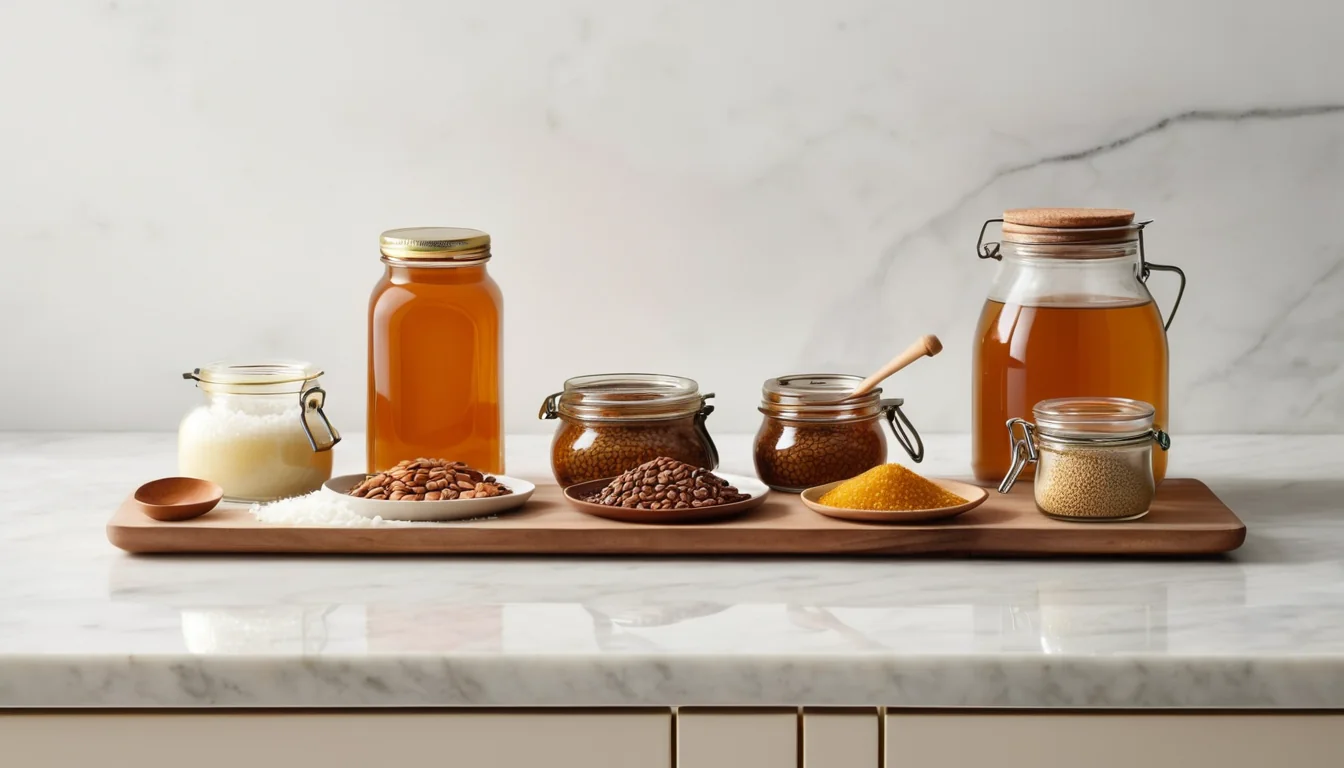
Foods that never expire are the ultimate pantry heroes — they save you money, reduce grocery waste, and keep your household prepared for anything. Whether you are building an emergency kit or simply want to shop smarter, knowing which staples last indefinitely when stored correctly is a game-changer for every Canadian home.
8 Healthy Foods That Never Expire Worth Stocking in Canada
Canadian families throw away a staggering amount of food each year, much of it due to confusion over shelf life. Stocking up on long-lasting pantry staples like white rice, honey, dried beans, and salt means fewer trips to the store and less food ending up in the landfill. These shelf-stable foods also offer real nutritional value, making them far more than just a convenience — they are a foundation for healthy eating year-round.
Why Stock Foods That Never Expire?
| Pantry Staple | Shelf Life & Storage Conditions | Key Nutritional Benefits | Storage Tips for Best Quality |
|---|---|---|---|
| Honey | Indefinite when sealed; archaeologists have found 3,000-year-old edible honey | Natural antimicrobial properties, antioxidants, trace minerals; used in wound care and sore throat relief | Store in a sealed glass jar at room temperature; avoid moisture exposure to prevent fermentation |
| White Rice | 25–30 years when stored in airtight containers; brown rice lasts only 6–12 months due to oil content | Primary carbohydrate source, low fat, gluten-free; enriched varieties provide B vitamins and iron | Use oxygen absorbers and food-grade sealed buckets; keep away from humidity and pests |
| Salt (Pure) | Indefinite shelf life; does not support microbial growth due to its desiccant properties | Essential electrolyte for fluid balance, nerve function, and muscle contraction; iodized salt supports thyroid health per Health Canada guidelines | Store in a cool, dry location; iodized salt may lose iodine potency over time — replace every 5 years |
| White Vinegar | Indefinite shelf life; high acidity (5% acetic acid) prevents bacterial and mold growth | May support blood sugar regulation; antimicrobial properties useful for food preservation and safe household use | Keep in original sealed bottle away from direct sunlight; may develop harmless sediment over time |
| Pure Vanilla Extract | Indefinite shelf life due to high alcohol content (35% minimum per Canadian Food and Drug Regulations) | Contains trace antioxidants including vanillin; alcohol base acts as a natural preservative | Store in a dark, cool cupboard in a tightly sealed bottle; avoid refrigeration as it can cause cloudiness |
| Dried Legumes (Lentils, Dried Beans) | Indefinitely safe to eat; however, best nutritional quality and texture within 2–5 years | Excellent source of plant-based protein, dietary fibre, iron, and folate — recommended in Canada’s Food Guide for heart and gut health | Store in airtight containers in a cool, dark location; older legumes may require longer soaking
Canadian households throw away a surprising amount of food every year. Health Canada’s food safety guidelines encourage Canadians to store food properly to reduce waste and protect their health. Choosing long-lasting staples is one of the smartest ways to do both. Long-lasting foods are also a practical choice for emergency preparedness. Whether you face a winter storm in Manitoba or a power outage in Nova Scotia, having shelf-stable foods on hand gives you peace of mind. Furthermore, many of these foods are packed with nutrition, not just convenience. It is important to note that “never expires” does not always mean “forever perfect.” Quality can decline over time, even when safety remains intact. Always use your senses — sight, smell, and taste — to judge whether a food is still good to eat. 8 Healthy Foods That Never Expire1. White RiceWhite rice is one of the best-known foods that never expire when stored properly. Unlike brown rice, which goes rancid within about six months, white rice can last up to 30 years in ideal conditions. That is because milling removes the oily bran layer that causes spoilage. Store white rice in airtight containers that keep out moisture and insects. A cool, dark cupboard or a sealed food-grade bucket works very well. White rice is an affordable, filling carbohydrate that pairs well with beans, vegetables, and lean proteins. 2. Whole Grain CerealsWhole grain cereals and oats can stay fresh for one to two years when kept in a sealed container. They are rich in fibre, B vitamins, and essential minerals. In addition, they make a quick, nutritious breakfast that supports heart health and digestive function. Look for cereals with minimal added sugar. Store them in a cool, dry place away from direct sunlight. Once opened, transfer them to an airtight container to keep them fresh longer. 3. Dried BeansDried beans are a powerhouse of plant-based protein and fibre. Research suggests that dried beans can remain safe to eat for up to 30 years. However, scientists recommend eating them within the first three years for the best nutritional value, as vitamins begin to degrade over time. Protein levels stay stable for much longer, even after many years of storage. Dried beans are a budget-friendly staple available at most Canadian grocery stores. They work beautifully in soups, stews, and chilis — perfect for cold Canadian winters. Learn more about the health benefits of beans and legumes. 4. HoneyHoney is truly one of the remarkable foods that never expire. Archaeologists have found edible honey in ancient Egyptian tombs thousands of years old. Its natural antimicrobial properties, low moisture content, and acidic pH make it nearly impossible for bacteria to survive in it. Over time, honey may crystallise and turn cloudy. However, this is a sign that it is natural and pure — not a sign that it has spoiled. Simply warm the jar gently in warm water to return it to its liquid state. Honey also has a long history as a soothing remedy for sore throats and minor skin irritations. More Long-Lasting Staples for Your Pantry5. SaltSalt is one of humanity’s oldest preservatives, and it does not expire — ever. Whether you use sea salt, table salt, or kosher salt, the shelf life is indefinite. Salt has no biological content for bacteria to feed on, so it simply cannot go bad. Doctors generally recommend consuming no more than about 2,300 milligrams of sodium per day for most healthy adults. Salt has many practical uses beyond flavouring food. It can soothe a sore throat when dissolved in warm water, and it has been used for centuries to preserve vegetables and meats. Store it in a dry place to prevent clumping. 6. White VinegarWhite vinegar and wine vinegar are acidic enough to resist spoilage almost indefinitely. Vinegar is a staple in many Canadian kitchens, used in salad dressings, marinades, sauces, and pickling. Its high acidity creates an environment where harmful microorganisms simply cannot thrive. Beyond cooking, vinegar has several household uses. It can help reduce dandruff when used as a hair rinse, and diluted vinegar is a common natural cleaning solution. Store vinegar in a cool, dark place with the lid tightly sealed for best results. 7. AlmondsAlmonds are a nutrient-dense snack rich in protein, calcium, vitamin E, and healthy fats. When stored correctly in their natural skins and kept in a sealed container, almonds can stay fresh for up to three years. Refrigerating or freezing them extends their shelf life even further. Almonds make an excellent on-the-go snack for busy Canadian families. They support heart health, help manage blood sugar levels, and keep you feeling full between meals. The Mayo Clinic highlights nuts as a heart-healthy food choice. However, once almonds smell rancid or bitter, it is time to replace them. 8. Quinoa and Sesame SeedsQuinoa seeds can last up to one year after harvest when stored in airtight containers in a cool, dry place. Quinoa is a complete protein, meaning it contains all nine essential amino acids. It is also a good source of iron, magnesium, and antioxidants that help protect against free radical damage. Sesame seeds are similarly long-lasting, staying fresh for two to three years in proper storage. They add a nutty flavour to salads, stir-fries, and baked goods. Both quinoa and sesame seeds are easy to find at most grocery stores and bulk food shops across Canada. How to Store Long-Lasting Foods ProperlyEven foods that never expire need the right conditions to stay safe and nutritious. Proper storage is the key to getting the most out of these pantry staples. Following a few simple rules makes a big difference.
These simple habits apply whether you are building an emergency food supply or just trying to reduce household waste. Many community food banks and emergency preparedness programmes across Canada recommend stocking at least a two-week supply of non-perishable foods for your household. Nutritional Benefits of Non-Perishable FoodsIt is a common myth that long-lasting foods are less nutritious than fresh ones. In reality, many of these staples are nutritional powerhouses. Dried beans, for example, deliver more fibre and protein per serving than many fresh convenience foods. Whole grains like quinoa and oats provide complex carbohydrates that give your body steady energy throughout the day. Almonds and sesame seeds supply healthy unsaturated fats that support brain and heart health. Furthermore, honey provides natural antioxidants, and salt plays a key role in fluid balance and nerve function when consumed in moderation. Building meals around these staples can support a balanced diet for the whole family. They are especially valuable for Canadians in rural or remote communities where grocery access may be limited. Pairing these shelf-stable foods with fresh or frozen vegetables and fruits rounds out a healthy, well-balanced diet. When to See a Doctor or DietitianIf you are making significant changes to your diet — such as shifting toward a plant-based diet heavy in beans and grains — it is always a good idea to check in with a healthcare provider. Your family doctor can help you understand how these changes fit your personal health needs. If you do not have a family doctor, a walk-in clinic or a registered dietitian can offer guidance. Canadians with specific health conditions, such as kidney disease, high blood pressure, or diabetes, should be especially mindful of foods like salt and honey. Your provincial health plan may cover visits to a registered dietitian, so it is worth checking what your province offers. Always consult a healthcare professional before making major dietary changes. Frequently Asked QuestionsWhat are the best foods that never expire to keep at home?The best foods that never expire include white rice, dried beans, honey, salt, white vinegar, almonds, whole grain cereals, and quinoa. These staples last for years — or indefinitely — when stored in airtight containers in a cool, dry place. They are also nutritious and versatile for everyday cooking. Does honey really never expire?Yes, pure honey is one of the few true foods that never expire. Its natural acidity and very low moisture content prevent bacteria from growing. Crystallisation is normal and does not mean the honey has gone bad — simply warm it gently to restore its liquid texture. How long do dried beans last in storage?Dried beans can remain safe to eat for up to 30 years in ideal storage conditions. However, for the best flavour and full nutritional value — especially vitamins — it is best to consume them within the first three years. Protein content stays relatively stable even after many years. Is white rice better than brown rice for long-term storage?Yes, white rice lasts much longer than brown rice for long-term storage. Brown rice contains natural oils in its bran layer that go rancid within about six months. White rice, on the other hand, is one of the most well-known foods that never expire, lasting up to 30 years in airtight containers. How should I store non-perishable foods at home in Canada?Store non-perishable foods in sealed, airtight containers kept in a cool, dark, and dry location such as a pantry or basement shelf. Avoid areas with temperature fluctuations, like near a stove or in a garage during Canadian winters. Labelling containers with storage dates helps you rotate stock and use older supplies first. Are long-lasting pantry foods nutritious enough to rely on?According to Health Canada’s safe food storage guidelines, this information is supported by current medical research. For more information, read our guide on food allergies symptoms and treatment in Canada. Many foods that never expire are highly nutritious and can form the foundation of a healthy diet. Dried beans, quinoa, almonds, and whole grains all provide protein, fibre, vitamins, and minerals. Pairing these staples with fresh or frozen produce gives you a well-rounded, balanced diet. Key Takeaways
Frequently Asked QuestionsWhat are foods that never expire?Foods that never expire are shelf-stable pantry staples with indefinite shelf lives when stored properly. These include honey, salt, white rice, pure vanilla extract, white vinegar, dried beans, white sugar, and hardtack. While quality may decline over time, these foods remain safe to consume indefinitely due to their natural preservation properties. What foods that never expire are the healthiest to stock?The healthiest foods that never expire include dried beans, lentils, white rice, and raw honey. These provide essential nutrients like protein, fibre, complex carbohydrates, and antioxidants. Canadian nutrition guidelines recommend keeping these whole-food staples in your pantry for balanced emergency meal planning and everyday healthy eating. Can expired pantry staples make you sick?Truly shelf-stable foods like salt, honey, and pure vinegar rarely cause illness even past printed dates. However, improper storage — exposure to moisture, heat, or air — can promote bacterial or mould growth. Always inspect food for off smells, discolouration, or unusual texture before consuming any long-stored pantry items. What are the signs of food spoilage in pantry staples?Signs of pantry food spoilage include unusual odours, visible mould, discolouration, strange texture, or insect contamination. Moisture is the primary spoilage trigger for most dry goods. Even shelf-stable foods like dried beans or rice can degrade if improperly sealed, making airtight containers essential for long-term Canadian pantry storage. When should Canadians see a doctor after eating expired food?Canadians should seek medical attention if food consumption causes persistent vomiting, severe diarrhea, high fever, bloody stool, or neurological symptoms like blurred vision or confusion — potential signs of serious foodborne illness. Vulnerable populations including seniors, pregnant women, and immunocompromised individuals should consult a doctor promptly after any suspected food poisoning.  About the AuthorDr. Linda Chen, RD, PhDDr. Linda Chen is a registered dietitian and PhD in Nutritional Sciences from the University of British Columbia. With expertise in clinical nutrition, sports dietetics, and gut health, she has worked with leading Canadian hospitals and sports organizations. Dr. Chen is a member of Dietitians of Canada and regularly contributes to national nutrition policy discussions. View all articles →
Previous Article
Natural Preservatives: What They Are & How They Work
 |