
Winter Warming Foods: Best Picks for Canadians (2025)

Share
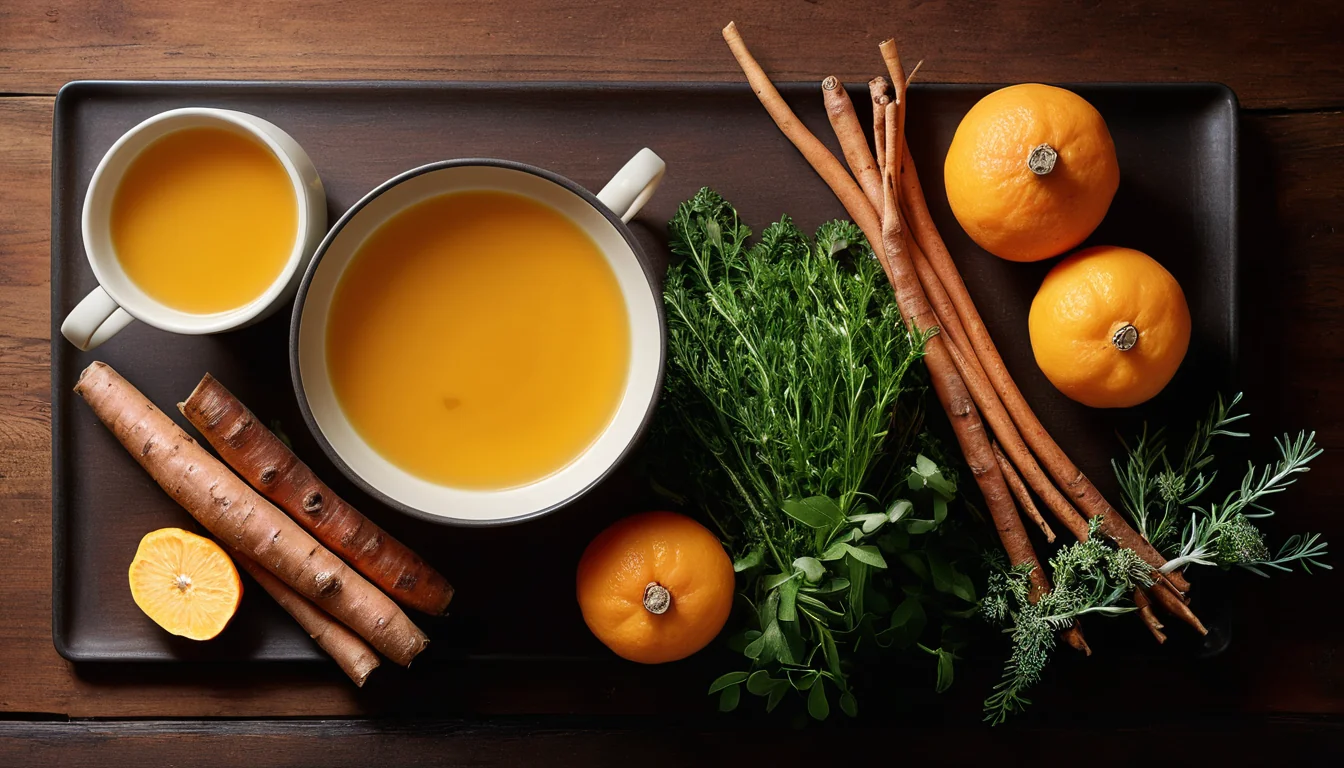
Winter warming foods are essential for Canadians who face months of freezing temperatures, icy winds, and shorter days. When the cold sets in, your body burns more energy just to maintain its core temperature — and the right food choices can make all the difference in how you feel, function, and fight off illness throughout the season.
Why Winter Warming Foods Matter for Canadians
Eating foods that warm your body from the inside out is not just comforting — it is a science-backed strategy for staying healthy. Nutrient-dense ingredients like root vegetables, warming spices, lean proteins, and whole grains help generate internal heat through digestion, support your immune system, and keep your energy levels steady. This guide covers the best immune boosting winter foods, easy meal ideas, and smart diet tips tailored for Canadian winters.
Why Winter Warming Foods Matter
| Food Type | Key Nutrients | Health Benefits | Best Preparation |
|---|---|---|---|
| Root Vegetables (carrots, parsnips, sweet potato) | Beta-carotene, vitamin C, potassium, fibre | Supports immune function, promotes gut health, helps regulate blood pressure | Roasted, pureed soups, stews |
| Legumes (lentils, chickpeas, black beans) | Plant-based protein, iron, folate, soluble fibre | Stabilizes blood sugar, reduces LDL cholesterol, supports sustained energy | Soups, dahls, chilis |
| Whole Grains (oats, barley, farro) | Complex carbohydrates, B vitamins, magnesium, fibre | Provides lasting warmth and energy, supports heart health, aids digestion | Porridge, grain bowls, hearty soups |
| Fatty Fish (salmon, mackerel, trout) | Omega-3 fatty acids, vitamin D, selenium, protein | Combats vitamin D deficiency common in Canadian winters, reduces inflammation | Baked, poached, chowders |
| Dark Leafy Greens (kale, Swiss chard, spinach) | Iron, calcium, vitamins K and C, antioxidants | Boosts immune defence, supports bone health, reduces oxidative stress | Sautéed, added to soups and stews |
| Warming Spices (ginger, turmeric, cinnamon) | Curcumin, gingerols, polyphenols, antioxidants | Reduces inflammation, supports circulation, may help manage seasonal cold symptoms | Teas, golden milk, spiced dishes |
Cold weather causes your body temperature to drop. Your body responds by signalling hunger — because digesting food actually generates heat. This is a natural and healthy response.
However, eating too much can lead to unwanted weight gain. On the other hand, eating too little leaves your body cold and vulnerable to illness. The solution is choosing foods that are high in nutrients but moderate in calories — foods that warm you from the inside out.
According to Health Canada’s healthy eating guidelines, a balanced diet rich in whole foods supports overall health year-round — and especially during cold winter months.
Best Winter Warming Foods to Add to Your Diet
Not all foods warm your body equally. Some ingredients have a natural thermogenic effect — meaning your body produces more heat while digesting them. Here are the top winter warming foods recommended by nutrition experts.
Spices and Herbs That Generate Heat
Many traditional spices are among the most powerful winter warming foods available. They are easy to add to everyday meals and packed with health benefits.
- Ginger — Add fresh or dried ginger to soups, stir-fries, or herbal teas. Ginger tea warms the body slowly, but the warming effect lasts longer than most other hot drinks.
- Garlic — Garlic raises body temperature and helps lower cholesterol. A light vegetable soup with plenty of garlic and onion makes an excellent winter dinner, especially for those managing bronchitis or asthma symptoms.
- Cinnamon — Stir cinnamon into oatmeal, rice dishes, or warm apple juice. It helps regulate blood sugar and adds natural warmth.
- Black pepper — Black pepper stimulates blood circulation and raises body temperature. Use it generously in soups and cooked meals.
- Cumin seeds — These work well as a flavouring in vegetable dishes or even savoury pancakes.
- Fennel — Fennel supports digestion after meals and has a gentle warming effect.
- Fenugreek — One teaspoon of fenugreek seeds on an empty stomach in the morning may be helpful for people managing blood sugar. Always speak with your family doctor before using it as a supplement.
- Saffron — A pinch of saffron stirred into warm milk is a classic warming remedy used in many cultures.
Nuts and Seeds for Sustained Warmth
Nuts and seeds are calorie-dense, so a small amount goes a long way. They provide healthy fats and protein that help your body maintain heat over several hours.
- Sesame seeds — Both white and black sesame seeds raise body temperature during digestion. Sprinkle them on salads or stir-fries.
- Almonds — Soak 10 almonds overnight in water or milk and eat them each morning. This is a simple, nourishing winter habit.
- Pumpkin seeds — Eat them raw as a snack or blend them into sauces and soups.
- Peanuts — Peanuts offer many benefits, but eat them in moderation. Too many can cause bloating.
Natural Sweeteners
Honey is one of the most versatile winter warming foods. Use it as a natural sweetener in teas or warm drinks. In addition to its warming properties, honey contains vitamins and antioxidants that support your immune system.
Winter Fruits and Vegetables That Boost Immunity
Fruits and vegetables are among the most nutrient-dense winter warming foods you can eat. Your digestive system actually produces more heat when breaking down raw produce than cooked food. Therefore, including a mix of raw and lightly cooked fruits and vegetables is a smart winter strategy.
The following seasonal produce is widely available at Canadian grocery stores and farmers’ markets during winter months:
- Oranges and pomegranates — Blend fresh orange juice with pomegranate juice and a mint leaf for a vitamin C-rich drink that protects against winter germs. This combination also provides iron and beneficial plant compounds called phytochemicals.
- Strawberries — Rich in vitamin C and antioxidants that strengthen your immune system.
- Carrots and red peppers — Both are high in beta-carotene and vitamin C.
- Cabbage and broccoli — Excellent sources of fibre, vitamin C, and folate.
- Beets — Beets support circulation and are easy to roast or add to soups.
- Onions — Add onions to any soup alongside garlic and curry for a warming, flavourful meal.
Specific Produce Worth Highlighting
Some fruits and vegetables deserve special mention for their outstanding nutritional profiles during winter.
- Cauliflower — Contains high levels of vitamin C, folate, and fibre. It also provides phytochemicals that support breast and prostate health.
- Pears — A good source of vitamins A, C, and E, plus copper and potassium.
- Mushrooms — Provide riboflavin, niacin, and selenium — nutrients often found only in animal proteins. Mushrooms exposed to sunlight also offer vitamin D, which many Canadians are deficient in during winter months.
- Zucchini — High in vitamin A and fibre, with very few calories. A great addition to winter soups and casseroles.
Easy Winter Meal and Snack Ideas
Knowing which winter warming foods to eat is one thing. Putting them on your plate is another. Here are a few simple, practical ideas to get started.
- Warming vegetable soup — A bowl of vegetable soup at dinner gives your body the fibre it needs to maintain warmth overnight. Add garlic, ginger, black pepper, and cumin for extra heat-boosting benefits.
- Spicy chicken soup — A broth made with chicken, garlic, ginger, and black pepper can ease the uncomfortable symptoms that come with cold weather and respiratory illness.
- Winter fruit snack — Mix dried apricots, dried cherries, dried figs, and cinnamon with apple juice for a nutrient-packed, low-calorie snack.
- Morning almond ritual — Soak 10 almonds overnight and eat them first thing in the morning with a cup of ginger or cinnamon tea.
- Warming herbal tea — Brew a tea with grated ginger, cloves, and cinnamon. This combination supports immunity and raises body temperature naturally.
For more evidence-based guidance on eating well, visit Healthline’s guide to warming foods and nutrition.
Herbs, Spices, and Sinus Relief
Winter often brings congestion, sinus pressure, and respiratory discomfort. Fortunately, several winter warming foods double as natural remedies for these symptoms.
Adding black pepper, cumin, coriander, nutmeg, and fennel to vegetable soups can help decongest your sinuses. Furthermore, a spicy broth made with these spices stimulates circulation and clears nasal passages more effectively than plain hot water.
Ginger tea deserves special mention here. Its warming effect builds gradually but lasts much longer than other hot drinks. It is especially useful at bedtime during a cold snap.
The Mayo Clinic’s healthy eating resource also confirms that a nutrient-rich diet plays a key role in managing seasonal illness and supporting recovery.
When to See a Doctor
Winter warming foods are a healthy and practical tool for everyday wellness. However, they are not a substitute for medical care. If you feel persistently cold, unusually fatigued, or unable to warm up even indoors, speak with your family doctor or visit a walk-in clinic.
These symptoms can sometimes point to thyroid issues, anaemia, or circulatory problems — all of which need proper diagnosis and treatment. Your provincial health plan covers visits to your family doctor and most walk-in clinics, so do not hesitate to seek care.
If you are managing a condition like diabetes, asthma, or heart disease, always check with your healthcare provider before making significant changes to your diet. Some warming foods and spices — like fenugreek — can interact with medications.
What are the best winter warming foods to eat in cold weather?
The best winter warming foods include ginger, garlic, cinnamon, black pepper, sesame seeds, almonds, and nutrient-rich vegetables like carrots, beets, and broccoli. These foods help your body generate heat during digestion and support your immune system. Adding them to soups, teas, and daily snacks is an easy way to stay warm and healthy all winter.
Do certain foods really raise your body temperature?
Yes — digesting food generates heat, and some winter warming foods produce more of this effect than others. Spices like ginger, black pepper, and cinnamon have a thermogenic effect, meaning they help your body produce extra warmth. Eating high-fibre vegetables and whole grains also keeps your metabolism active and your core temperature stable.
What should I eat in winter to boost my immune system?
Focus on winter warming foods that are rich in vitamins C and D, zinc, and antioxidants. Oranges, pomegranates, broccoli, mushrooms, garlic, and ginger are all excellent immune-supporting choices. Including a variety of colourful fruits and vegetables every day gives your body the nutrients it needs to fight off winter illness.
Is ginger tea good for warming up in winter?
Ginger tea is one of the most effective winter warming foods in drink form. It raises body temperature gradually, but the warming effect lasts longer than most other hot beverages. Brewing it with cinnamon and cloves adds extra immune-boosting properties and makes it a comforting winter staple.
Can eating the wrong foods make you feel colder in winter?
Yes — both overeating and undereating can leave your body less able to regulate temperature in winter. Eating too little deprives your metabolism of fuel, causing your core temperature to drop. On the other hand, overloading your digestive system makes it work inefficiently, which can also reduce the warming effect of your meals.
Are winter warming foods safe for people with diabetes or asthma?
According to Health Canada’s food guide recommendations, this information is supported by current medical research.
For more information, read our guide on food allergies and dietary considerations in Canada.
Many winter warming foods are safe and even beneficial for people with chronic conditions — for example, garlic soup can ease asthma and bronchitis symptoms during cold weather. However, some spices like fenugreek may affect blood sugar levels, so it is important to speak with your family doctor before adding them regularly to your diet. Your healthcare provider can help you build a winter eating plan that suits your specific health needs.
Key Takeaways
- Winter warming foods help your body generate heat through the natural process of digestion.
- The best choices are nutrient-dense and moderate in calories — spices, herbs, nuts, seeds, fruits, and vegetables.
- Ginger, garlic, cinnamon, black pepper, and sesame seeds are among the most effective heat-generating foods.
- Seasonal fruits and vegetables like oranges, beets, broccoli, and carrots also support immunity and body warmth.
- Simple habits — like a morning cup of ginger tea or a bowl of spiced vegetable soup at dinner — make a real difference over a Canadian winter.
- Always talk to your family doctor or visit a walk-in clinic if you have concerns about persistent cold sensitivity or changes in your health.
Frequently Asked Questions
What are winter warming foods?
Winter warming foods are nutrient-dense ingredients that help regulate body temperature, boost immunity, and provide sustained energy during cold Canadian winters. They typically include root vegetables, legumes, whole grains, warming spices like ginger and turmeric, and hearty proteins. These foods support circulation and internal heat production through thermogenesis.
What are the best winter warming foods for Canadians?
The best winter warming foods for Canadians include lentil soup, sweet potatoes, oatmeal, bone broth, butternut squash, ginger, cinnamon, and dark leafy greens. These foods are rich in iron, complex carbohydrates, and antioxidants that fuel energy production, strengthen immunity, and help the body maintain warmth during harsh winters.
What are the symptoms of poor nutrition during winter?
Symptoms of poor winter nutrition include persistent fatigue, frequent colds, dry skin, mood changes, difficulty concentrating, and feeling constantly cold. Vitamin D deficiency is especially common in Canada due to limited sunlight. Poor diet weakens immune function and reduces the body’s ability to generate and retain heat effectively.
How can eating seasonal foods prevent winter illness in Canada?
Eating seasonal, nutrient-rich foods provides essential vitamins C, D, and zinc that directly support immune defence. Root vegetables, citrus fruits, and fermented foods promote gut health, where 70% of immune function originates. A balanced winter diet reduces inflammation and helps prevent common colds, flu, and seasonal fatigue.
When should Canadians see a doctor about winter fatigue or nutritional deficiencies?
See a doctor if winter fatigue persists beyond two weeks, you experience significant mood changes, unexplained weight loss, or frequent infections despite a healthy diet. A physician can test for vitamin D, iron, or B12 deficiencies — all common in Canada — and recommend appropriate supplementation or dietary adjustments.

About the Author
Dr. James Okafor, MD, PhDDr. James Okafor holds an MD and PhD in Neurological Sciences from McGill University. With 12 years of experience in clinical neurology and mental health research, he has contributed to landmark studies on depression, anxiety, and cognitive health. Dr. Okafor is a Fellow of the Royal College of Physicians and Surgeons of Canada and serves on the editorial board of two peer-reviewed journals.
View all articles →