Trans Fats Health: Risks, Foods & How to Avoid Them

Share
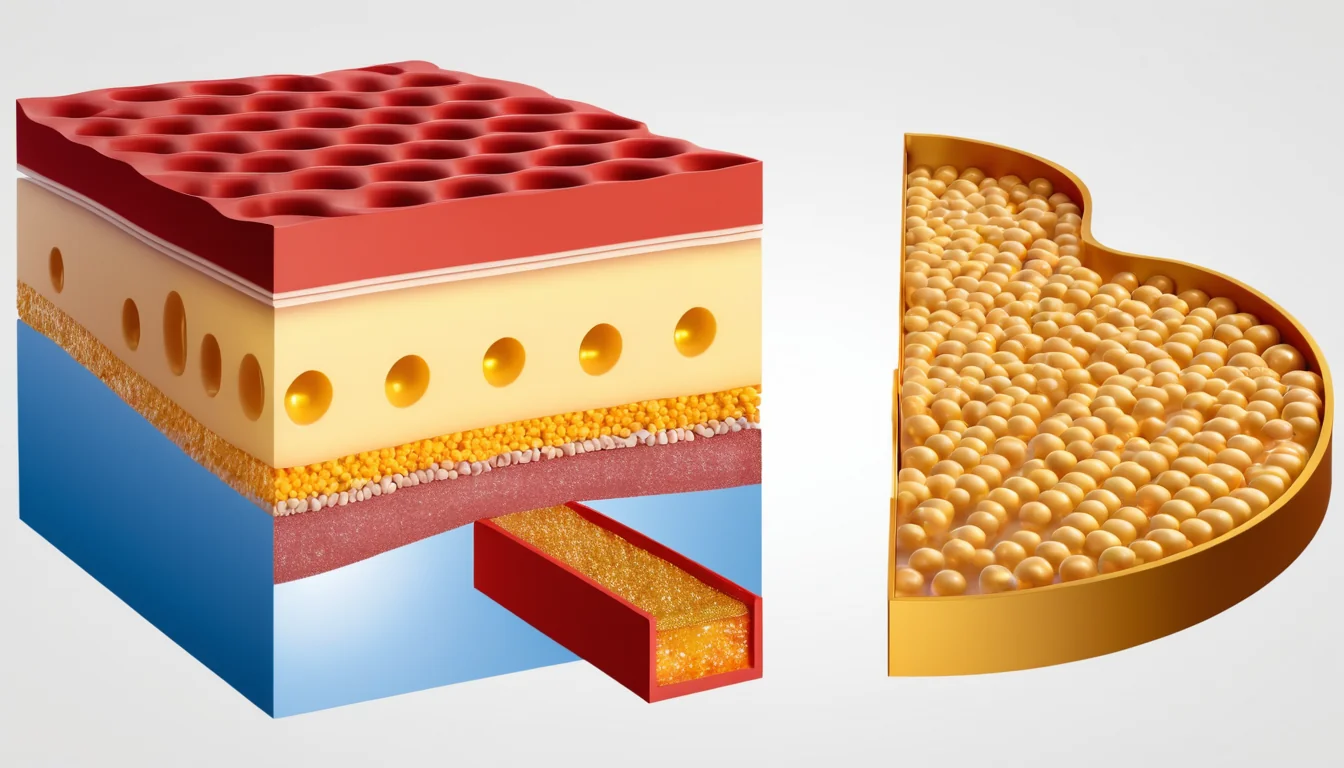
Trans fats health risks are among the most serious dietary dangers facing Canadians today. These harmful fats hide in many everyday foods — from crackers and cookies to frozen meals and fast food — and most people consume more than they realize. Understanding what trans fats are, where they lurk, and how they damage your body is the first step toward protecting yourself.
Why Trans Fats Health Risks Are So Serious for Canadians
The connection between trans fat and cholesterol is especially alarming. Trans fats raise your LDL (bad) cholesterol while lowering your HDL (good) cholesterol, creating a double threat to your cardiovascular system. In Canada, health authorities have taken steps to reduce trans fats in the food supply, but they have not been completely eliminated. This article breaks down exactly where trans fats are found, how to read Canadian food labels, and what healthier fats you should choose instead.
What Are Trans Fats?
| Risk Factor | Health Impact | Level of Risk | Prevention Strategy |
|---|---|---|---|
| Elevated LDL Cholesterol | Trans fats raise “bad” LDL cholesterol levels, accelerating plaque buildup in arteries and increasing risk of heart attack and stroke | High | Choose foods with zero trans fats on the Nutrition Facts table; opt for unsaturated fats from olive oil, nuts, and avocado |
| Reduced HDL Cholesterol | Consumption of trans fats simultaneously lowers “good” HDL cholesterol, further impairing the body’s ability to clear arterial plaque | High | Follow Health Canada dietary guidelines; increase intake of omega-3 fatty acids from fatty fish and flaxseed |
| Systemic Inflammation | Trans fats promote chronic inflammatory responses linked to cardiovascular disease, type 2 diabetes, and certain cancers | Moderate to High | Read Canadian food labels carefully; avoid partially hydrogenated oils listed in ingredients |
| Insulin Resistance | Regular trans fat intake interferes with insulin signalling, significantly raising the risk of developing type 2 diabetes | Moderate | Limit processed and fried foods; consult a registered dietitian for a balanced Canadian diet plan |
| Cardiovascular Disease | Long-term trans fats health consequences include coronary artery disease, heart failure, and increased overall cardiovascular mortality risk | Very High | Health Canada banned industrially produced trans fats in 2018; verify imported packaged foods still meet Canadian standards |
Trans fats are a type of unsaturated fat made by adding hydrogen to liquid vegetable oils. This process is called hydrogenation, which is where the name “hydrogenated oil” comes from. The result is a fat that is more solid at room temperature — think margarine or shortening.
There are two main kinds of trans fats. Artificial trans fats are created in factories and added to processed foods. Small amounts of natural trans fats also occur in meat and dairy products from cows and sheep. However, the artificial kind is far more common and far more dangerous.
Food manufacturers love trans fats because they are cheap, extend shelf life, and improve texture. They make baked goods crispier and creamy products richer. Unfortunately, these industrial benefits come at a steep cost to your health.
Why Trans Fats Are So Dangerous
Trans fats do double damage to your heart. They raise your LDL cholesterol — often called “bad” cholesterol — while also lowering your HDL cholesterol, the “good” kind. No other dietary fat does both at the same time.
LDL cholesterol builds up in your artery walls and contributes to atherosclerosis, which is the hardening and narrowing of arteries. HDL cholesterol, on the other hand, helps carry cholesterol away from the arteries and back to the liver. When trans fats lower HDL and raise LDL together, your risk of coronary heart disease can more than double.
Furthermore, research links high trans fat consumption to increased inflammation in the body, a higher risk of type 2 diabetes, and possibly even cognitive decline. Some studies suggest a connection between trans fat intake and a greater risk of Alzheimer’s disease, though research is ongoing. The World Health Organization considers trans fats a major public health concern and has called for their global elimination.
The Cholesterol Connection
Your doctor may check two key numbers to assess your heart risk: your LDL-to-HDL cholesterol ratio and your C-reactive protein (CRP) level. CRP measures inflammation in the body. A high LDL-to-HDL ratio — caused in part by eating trans fats — signals a significantly higher risk of heart attack and stroke.
In plain terms: a diet high in trans fats can put your heart in danger, even if you feel perfectly fine right now. Many Canadians have no symptoms until something serious happens. Therefore, what you eat today directly shapes your heart health tomorrow.
Where Are Trans Fats Found?
Trans fats show up in a surprisingly wide range of foods. Because they improve texture and extend freshness, food manufacturers add them to many packaged and processed products. Over 80% of trans fats in the average diet come from industrially processed foods.
Common sources of trans fats include:
- Commercially baked goods — cookies, muffins, cakes, and pastries
- Fried fast foods — french fries, fried chicken, and doughnuts
- Packaged snacks — crackers, microwave popcorn, and potato chips
- Stick margarine and some shortenings
- Frozen pies, pizzas, and pre-made meals
- Some coffee creamers and flavoured spreads
The remaining roughly 20% of trans fats come from natural sources. Fatty cuts of beef, lamb, and full-fat dairy products contain small amounts naturally. However, these natural trans fats appear to be less harmful than the artificial kind. Still, people who eat large amounts of fatty meats and whole-fat dairy should be aware of their total fat intake.
How to Read a Food Label in Canada
In Canada, food manufacturers must list trans fat content on the Nutrition Facts table. Look for the line that reads “Trans Fat” under the total fat section. Health Canada recommends keeping your daily intake as low as possible — ideally close to zero for artificial trans fats.
However, labels can be misleading. A product can legally claim “0 g trans fat” if it contains less than 0.2 grams per serving. If you eat several servings, those small amounts add up quickly. Therefore, also check the ingredient list for the words “partially hydrogenated oil.” If you see that phrase, the product contains trans fats, no matter what the label says. Health Canada provides guidance on understanding fats in your diet.
How Much Is Too Much?
There is no safe minimum amount of artificial trans fats. Unlike some nutrients, your body has no need for industrially made trans fats at all. Health experts agree that the goal should be to eat as little as possible — ideally none.
To put the risk in perspective, studies from the United States estimate that excess trans fat consumption contributes to hundreds of thousands of heart-related deaths each year in North America. While Canada has made significant progress in reducing trans fats in the food supply, they have not disappeared entirely.
In 2018, Health Canada banned partially hydrogenated oils — the main source of artificial trans fats — from the Canadian food supply. This was a major step forward. However, some imported products, restaurant foods, and older stock may still contain them. As a result, checking labels remains important.
Healthier Fats to Choose Instead
Cutting out trans fats does not mean cutting out all fats. Your body needs healthy fats to absorb vitamins, support brain function, and maintain cell health. The key is choosing the right kinds.
Better fat choices include:
- Unsaturated fats — found in olive oil, avocados, nuts, and seeds
- Omega-3 fatty acids — found in fatty fish like salmon, mackerel, and sardines
- Moderate amounts of saturated fat — from whole foods like eggs and lean meats
In addition, replacing processed snacks with whole foods makes a big difference. Fresh fruit, vegetables, whole grains, legumes, and nuts are rich in fibre, vitamins, minerals, and antioxidants. These foods support heart health rather than harming it. Swapping chips for a handful of almonds, or a store-bought muffin for homemade oatmeal, are simple changes with real benefits.
Replacing fatty beef with lean proteins like chicken breast, turkey, or fish can also lower your intake of both trans fats and saturated fats. Low-fat or skim dairy products are another easy swap. The Mayo Clinic explains how dietary fats affect cholesterol levels and heart health in more detail.
When to See a Doctor
If you are concerned about your heart health, cholesterol levels, or diet, talk to your family doctor. A simple blood test can measure your LDL, HDL, total cholesterol, and CRP levels. These numbers give your doctor a clear picture of your cardiovascular risk.
You do not need a referral to get a cholesterol check in most provinces. Your family doctor or a walk-in clinic can order routine bloodwork covered under your provincial health plan. Early detection makes a real difference — many people with high LDL cholesterol have no symptoms at all.
If you do not have a family doctor, a walk-in clinic is a great starting point. You can also ask about nutrition counselling, which may be available through your provincial health programme or a registered dietitian. Making changes with professional support is always more effective than going it alone.
As always, speak with a qualified healthcare provider before making significant changes to your diet, especially if you have an existing health condition such as heart disease, diabetes, or high cholesterol.
Frequently Asked Questions About Trans Fats
What foods are highest in trans fats?
Trans fats are most common in commercially baked goods like cookies, doughnuts, and pastries, as well as fried fast foods and packaged snacks. Stick margarines and some frozen meals can also be high in trans fats. Always check the Nutrition Facts table and ingredient list for “partially hydrogenated oil.”
Are trans fats banned in Canada?
Yes, Health Canada banned partially hydrogenated oils — the primary source of artificial trans fats — from the Canadian food supply in 2018. However, some imported products or restaurant-prepared foods may still contain small amounts of trans fats. It is still a good idea to check food labels carefully.
How do trans fats affect cholesterol?
Trans fats raise LDL (bad) cholesterol and lower HDL (good) cholesterol at the same time, which is more harmful than any other type of dietary fat. This double effect significantly increases the risk of heart disease and stroke. Reducing trans fat intake is one of the most effective dietary steps for better heart health.
How much trans fat per day is safe?
Health experts agree there is no truly safe level of artificial trans fats — the recommended intake is as close to zero as possible. Your body has no nutritional need for industrially produced trans fats. Natural trans fats found in small amounts in dairy and meat are considered less harmful, but should still be eaten in moderation.
Can eating trans fats cause heart disease?
Yes, a diet high in trans fats is strongly linked to coronary heart disease, the leading cause of death in Canada. Trans fats promote the buildup of plaque in arteries, which can lead to heart attack and stroke. Cutting trans fats from your diet is one of the most important steps you can take for long-term heart health.
What are healthier alternatives to trans fats?
According to Health Canada’s guidelines on fats and nutrition, this information is supported by current medical research.
For more information, read our guide on food allergies and dietary concerns in Canada.
Healthy alternatives to trans fats include olive oil, avocado, nuts, seeds, and fatty fish like salmon, which are rich in beneficial unsaturated fats. Replacing processed snacks with whole foods high in fibre, vitamins, and antioxidants also supports heart and overall health. Speak with a registered dietitian or your family doctor for personalized guidance.
Key Takeaways
- Trans fats are artificial fats made by hydrogenating vegetable oils. They are found mainly in processed and fried foods.
- They raise bad (LDL) cholesterol and lower good (HDL) cholesterol, significantly increasing your risk of heart disease.
- Health Canada banned partially hydrogenated oils in 2018, but checking labels for hidden trans fats is still important.
- There is no safe amount of artificial trans fats — the goal is to eat as little as possible.
- Replace processed foods with whole foods rich in fibre, healthy fats, vitamins, and antioxidants.
- Ask your family doctor or visit a walk-in clinic to get your cholesterol checked. It is usually covered under your provincial health plan.
- Always consult your doctor or a registered dietitian before making major changes to your diet.
Frequently Asked Questions
What are trans fats and why are they bad for your health?
Trans fats are artificially created fats formed through hydrogenation, a process that solidifies liquid vegetable oils. They are dangerous because they raise LDL (bad) cholesterol, lower HDL (good) cholesterol, and significantly increase the risk of heart disease, stroke, and type 2 diabetes. Health Canada banned artificial trans fats in 2018.
What are the warning signs of trans fats health damage in your body?
Trans fats health damage often shows no immediate symptoms, making it particularly dangerous. Over time, signs may include high cholesterol levels, elevated blood pressure, chest pain, fatigue, and inflammation. Many Canadians only discover damage through routine blood tests showing abnormal LDL and HDL cholesterol ratios.
How can Canadians reduce trans fats in their diet?
Canadians can reduce trans fat intake by reading nutrition labels carefully, avoiding partially hydrogenated oils, limiting processed snack foods, fast food, and commercial baked goods. Choosing whole foods, cooking with olive or canola oil, and following Canada’s Food Guide are effective prevention strategies recommended by Health Canada.
Can trans fats damage be reversed with lifestyle changes?
Yes, some trans fats health damage can be partially reversed. Eliminating trans fats from your diet, exercising regularly, and eating heart-healthy foods can improve cholesterol levels within weeks. However, significant cardiovascular damage may require medical treatment, including medications like statins prescribed by your doctor.
When should you see a doctor about trans fats health concerns?
See your doctor if you experience chest pain, shortness of breath, or persistent fatigue, or if a blood test reveals high LDL cholesterol or triglycerides. Canadians over 40 should request routine cardiovascular screening. Early detection of cholesterol imbalances caused by dietary trans fats can prevent serious heart disease.

About the Author
Dr. Michael Ross, MD, FRCSCDr. Michael Ross is a fellowship-trained orthopedic surgeon at the University of Alberta Hospital, specializing in joint replacement and sports medicine. A Fellow of the Royal College of Surgeons of Canada (FRCSC), he has over 18 years of surgical experience and has authored multiple textbook chapters on musculoskeletal health. Dr. Ross is passionate about patient education and evidence-based medicine.
View all articles →