
Natural Preservatives: What They Are & How They Work

Share
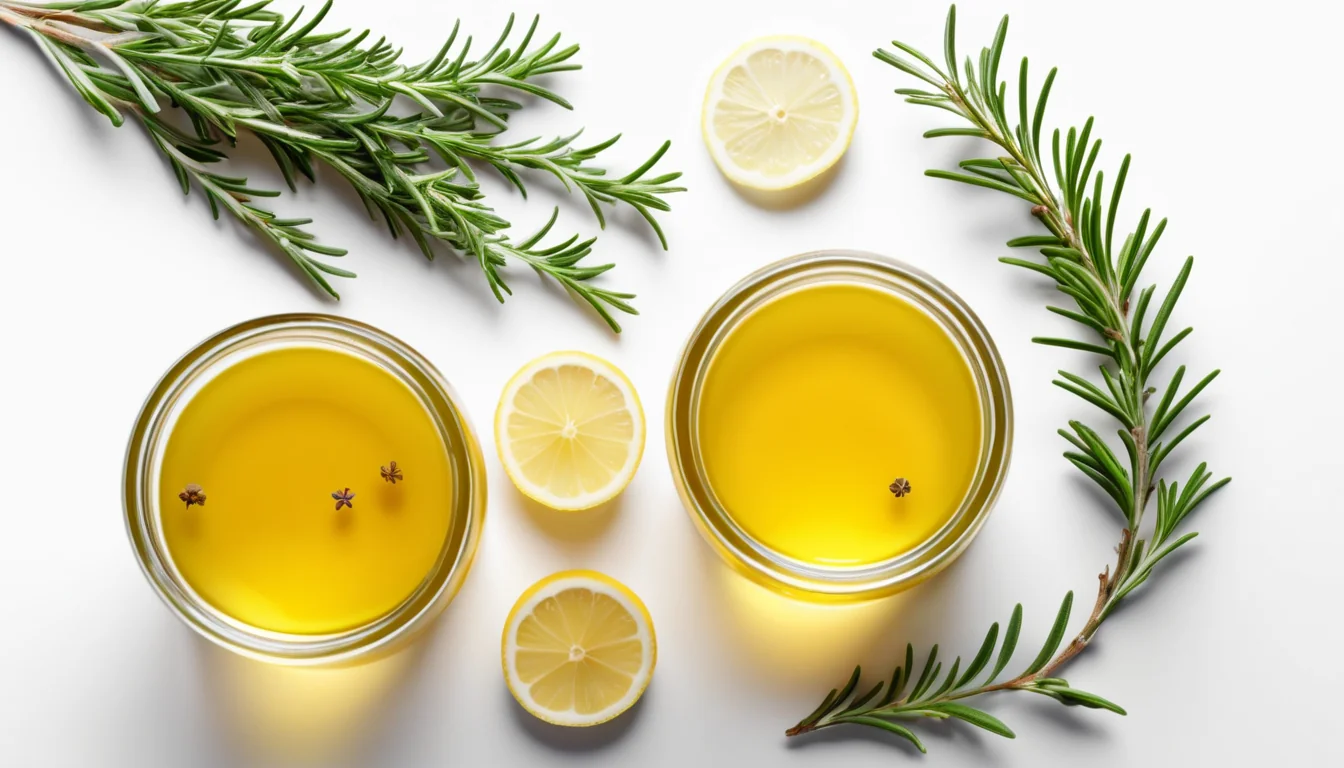
Natural preservatives have been used for thousands of years to keep food fresh, protect skin care products, and prevent harmful bacterial growth — and today, more Canadians than ever are turning to these time-tested ingredients. From salt and honey in your kitchen pantry to rosemary extract in your moisturizer, these plant-based and mineral compounds offer powerful antimicrobial and antioxidant benefits without the use of synthetic chemicals.
How Natural Preservatives Work to Keep Food and Products Fresh
Modern science is now confirming what our ancestors instinctively knew: many natural food preservatives can fight bacteria, fungi, and viruses just as effectively as their lab-made counterparts. In Canada, Health Canada regulates how preservatives are used in both food and personal care products, giving consumers added confidence when choosing natural alternatives. This guide explores the most common options, explains how they work, and helps you make informed choices for a healthier everyday lifestyle.
What Are Natural Preservatives?
| Natural Preservative | Source & Mechanism | Common Applications | Key Considerations |
|---|---|---|---|
| Salt (Sodium Chloride) | Mineral-derived; draws moisture out of food through osmosis, inhibiting bacterial growth | Cured meats, pickled vegetables, fermented foods | High intake linked to elevated blood pressure; Health Canada recommends limiting sodium to 2,300 mg/day |
| Vinegar (Acetic Acid) | Fermentation of ethanol; lowers pH to create an acidic environment hostile to pathogens | Pickling, condiments, salad dressings | Generally safe; may affect tooth enamel with excessive direct consumption |
| Honey | Bee-produced; high sugar concentration, low moisture, and hydrogen peroxide activity inhibit microbial growth | Baked goods, wound dressings, herbal remedies | Not safe for infants under 12 months due to risk of infant botulism; high in natural sugars |
| Rosemary Extract | Plant-derived antioxidants (rosmarinic acid, carnosic acid) prevent oxidation and lipid spoilage | Oils, snack foods, meat products | May interact with blood-thinning medications; classified as safe by Health Canada when used as directed |
| Citric Acid | Derived from citrus fruits; lowers pH and chelates metal ions that promote spoilage | Canned goods, beverages, jams, frozen foods | Generally well-tolerated; may trigger symptoms in individuals with citrus sensitivities |
| Vitamin E (Tocopherol) | Fat-soluble antioxidant from plant oils; neutralizes free radicals to prevent oxidative rancidity | Cooking oils, nut butters, processed snacks | Safe at food-level doses; high-dose supplementation may pose risks for individuals on anticoagulant therapy |
A preservative is any substance that slows down the spoilage of food or a product. Synthetic preservatives are made in a lab. Natural preservatives, on the other hand, come from plants, minerals, or animals.
Natural preservatives work in different ways. Some remove moisture so bacteria cannot survive. Others are rich in antioxidants, which stop fats from going rancid. Many have direct antibacterial or antifungal properties that kill harmful microorganisms before they can cause harm.
In Canada, Health Canada regulates food additives and preservatives, including which ones are approved for use in Canadian food products. Understanding the natural options can help you make more informed choices at the grocery store or when preparing food at home.
Common Natural Preservatives Found in Your Kitchen
You likely already have several powerful natural preservatives sitting in your cupboard right now. These everyday ingredients have been trusted for centuries — and for good reason.
Salt (Sodium Chloride)
Salt is one of the oldest and most effective natural preservatives known to humans. It works by drawing water out of food, creating an environment where bacteria simply cannot survive or grow.
This process, called osmosis, has been used for centuries to cure meats, preserve fish, and pickle vegetables. Salt does not just flavour your food — it actively protects it. However, consuming too much salt can raise blood pressure, so use it in moderation.
Sugar (Carbohydrates)
Like salt, sugar works by binding water and preventing bacterial growth. It has been used as a natural preservative in jams, jellies, and preserved fruits for generations.
Sugar can be refined (white sugar) or unrefined (brown sugar or raw cane sugar). Both forms slow down microbial activity, especially in foods that have been heated during preparation. In addition, the high concentration of sugar in products like honey creates an environment that bacteria find very difficult to survive in.
Lemon Juice and Citric Acid
Lemons belong to the citrus family and can contain between 30 and 45 per cent juice, depending on where they are grown. The key ingredient is citric acid (C6H8O7), which lowers the pH of food and makes it harder for harmful bacteria to thrive.
Lemon juice is also rich in vitamin C, a natural antioxidant. As a result, it helps prevent browning in cut fruits and vegetables, and it extends the shelf life of homemade dressings and sauces. For example, a squeeze of lemon over sliced avocado keeps it fresh and green for much longer.
Honey
Honey is remarkably stable against microbial attack. Its low water content, acidic pH, and natural antimicrobial compounds make it an exceptional natural preservative.
Archeologists have found ancient Egyptian honey that was still perfectly edible thousands of years later. Today, honey is used in wound care, throat remedies, and food preservation. Research published by Healthline highlights honey’s well-documented antibacterial properties, making it one of nature’s most versatile preservatives.
Natural Preservatives in Skin Care and Body Products
Natural preservatives are not just for food. They also play an important role in keeping skin care and body care products safe and effective.
Essential Oils
Essential oils are concentrated plant extracts derived from flowers, leaves, grasses, and woody plants. Many of them have powerful antibacterial and antifungal properties, which make them valuable natural preservatives in cosmetics and skin care.
Interestingly, the antibacterial power of essential oils was noticed as far back as the 19th century during a cholera outbreak in France. Researchers observed that perfume workers — who were surrounded by essential oils all day — had a far lower rate of infection than the general population. Today, we understand that many of the oils used in perfumery are potent antibacterial agents.
For example, adding a single drop of orange essential oil to a 60-gram jar of cream can destroy all the microorganisms in that container. Furthermore, some essential oils appear to be effective against the herpes virus, helping the body clear the virus and heal affected skin.
However, there are some cautions to keep in mind. Essential oils can evaporate quickly once a product is opened. If used in too high a concentration, they may cause redness, irritation, or dermatitis — an inflammatory skin condition. Always follow product directions carefully.
Neem Oil
Neem oil comes from the neem tree and has been used in traditional Indian medicine for thousands of years — references to it appear in ancient Sanskrit texts. Today, it is widely recognised around the world for its antibacterial, antifungal, and antiprotozoal properties.
In skin care, neem oil is used to help manage acne, eczema, and dry skin. It is one of the most potent plant-based preservatives available today. If you have sensitive skin, it is a good idea to do a small patch test before using any product that contains neem oil.
Vitamin E (Tocopherol)
Vitamin E is a powerful antioxidant that is commonly used to preserve oils and prevent them from going rancid. You may see it listed on product labels as Tocopherol, Alpha Tocopherol, or Tocopherol Acetate.
Both natural and synthetic forms of vitamin E are available. The natural form is derived from plant oils, while the synthetic versions are made in a lab. Either way, they help extend the shelf life of oils and oil-based products significantly.
Rosemary Extract
Rosemary extract is a well-known antioxidant used in both food and skin care. It contains a compound called carnosic acid, which has been shown in studies to help protect skin from ultraviolet (UV) radiation damage.
Skin ageing, wrinkles, and certain types of skin cancer are all associated with the build-up of harmful compounds called peroxides in skin tissue. Environmental factors like UV rays accelerate this process. Rosemary extract helps neutralise these compounds, acting as a protective natural preservative for both food and skin.
In addition, rosemary has a long history of antibacterial and antimicrobial use. Some recent research has even explored its potential activity against certain viruses, though more studies are needed before firm conclusions can be drawn.
Propolis and Grapefruit Seed Extract
Propolis
Propolis is a mixture of beeswax and resins that bees collect from plants, particularly flowers and buds. Bees use it to seal and protect their hives from bacterial and fungal infections.
Humans have used propolis medicinally for a very long time. The ancient Greeks and Romans applied it to treat skin abscesses and wounds. The ancient Egyptians used it as both a medicine and an adhesive — for sealing water containers and even for technical purposes like tightening drum skins.
Today, propolis is found in a variety of health products, including throat sprays, toothpaste, wound ointments, and skin care. Its natural antimicrobial properties make it a valuable ingredient. The Mayo Clinic provides a helpful overview of propolis and its uses for those who want to learn more.
Grapefruit Seed Extract
Grapefruit seed extract is considered a natural antibiotic, antiseptic, disinfectant, and preservative. Some studies suggest it may be effective against hundreds of strains of bacteria and fungi.
It is used commercially by some manufacturers in water transport containers to preserve the quality of drinking water. In personal care products, it acts as a broad-spectrum antimicrobial agent. However, the strength and purity of grapefruit seed extract products can vary widely, so always look for high-quality, well-regulated sources.
Are Natural Preservatives Always Safer?
Many people assume that because something is natural, it is automatically safe. This is not always true. Some natural substances can cause allergic reactions, skin irritation, or other side effects — especially when used in high concentrations.
For example, essential oils can trigger contact dermatitis in some people. Neem oil has a very strong smell and can irritate sensitive skin. Even honey should not be given to infants under one year of age because of the risk of botulism spores.
Therefore, it is always wise to read labels carefully, do a patch test with new skin care products, and introduce new foods or supplements gradually. If you have known allergies or a chronic health condition, speak with your family doctor or a registered dietitian before making major changes to your diet or skin care routine.
When to See a Doctor
Most people can safely enjoy foods and products that contain natural preservatives without any problems. However, there are times when it is important to get professional advice.
If you experience a skin rash, hives, swelling, or difficulty breathing after using a product with essential oils or natural extracts, stop using it immediately. These could be signs of an allergic reaction. Visit your nearest walk-in clinic or call your provincial health line (such as 811 in most Canadian provinces) for guidance.
If you are pregnant, breastfeeding, managing a chronic illness, or taking prescription medications, talk to your family doctor before adding concentrated natural supplements — like neem oil capsules or high-dose propolis — to your routine. Your doctor can help you decide what is appropriate for your specific health situation and make sure there are no interactions with your current treatment plan.
Frequently Asked Questions About Natural Preservatives
What are the most effective natural preservatives for food?
The most effective natural preservatives for food include salt, sugar, lemon juice, honey, and vinegar. These ingredients work by reducing moisture, lowering pH, or directly fighting harmful bacteria and fungi. They have been used safely in food preparation for thousands of years across many cultures.
Are natural preservatives better than artificial ones?
Natural preservatives are a popular choice for people looking to avoid synthetic additives, but that does not automatically make them safer or more effective in every situation. Both natural and artificial preservatives are regulated by Health Canada to ensure they meet safety standards. The best choice depends on the product, your health needs, and your personal preferences.
Can essential oils be used as natural preservatives in skin care?
Yes, many essential oils have proven antibacterial and antifungal properties that make them useful natural preservatives in skin care and body products. However, they must be used at the correct concentration, as too much can cause skin irritation or dermatitis. Always patch test new products and follow manufacturer guidelines.
Is honey a good natural preservative?
Honey is one of the most powerful natural preservatives available. Its low moisture content, acidic pH, and natural antimicrobial compounds prevent the growth of bacteria and fungi. It has been used to preserve food and treat wounds for thousands of years, and modern science continues to support its effectiveness.
What natural preservatives are safe during pregnancy?
Common food-based natural preservatives like salt, lemon juice, and sugar are generally safe in normal dietary amounts during pregnancy. However, concentrated supplements such as essential oil capsules, high-dose propolis, or neem oil should only be used under the guidance of your family doctor or midwife. Always check with a healthcare provider before adding any new supplement to your routine while pregnant.
Does rosemary extract really work as a natural preservative?
According to Health Canada’s guidelines on food additives and preservatives, this information is supported by current medical research.
For more information, read our guide on food allergies and sensitivities in Canada.
Yes, rosemary extract is a well-studied antioxidant that helps prevent fats and oils from going rancid, making it a widely used natural preservative in both food and cosmetics. It also contains carnosic acid, which research suggests may help protect skin from UV damage. It has a long history of antimicrobial use and is considered safe for most people at standard concentrations.
Key Takeaways
- Natural preservatives include everyday ingredients like salt, sugar, lemon juice, honey, and vinegar, as well as plant-based extracts like essential oils, rosemary extract, and grapefruit seed extract.
- They work by removing moisture, lowering pH, or directly fighting bacteria, fungi, and viruses.
- Essential oils such as neem oil and orange oil have powerful antibacterial properties and are used in natural skin care products.
- Honey and propolis have been trusted for thousands of years and are backed by modern scientific research.
- Natural does not always mean risk-free — allergic reactions and skin irritation are possible, especially with concentrated products.
- Canadians can contact their family doctor, a registered dietitian, or visit a walk-in clinic for personalised advice about using natural preservatives safely.
- Health Canada regulates preservatives in food and personal care products to protect Canadian consumers.
Frequently Asked Questions
What are natural preservatives?
Natural preservatives are substances derived from plants, animals, or minerals that prevent food spoilage by inhibiting bacterial growth, oxidation, and mold. Common examples include salt, vinegar, honey, rosemary extract, and citric acid. Unlike synthetic preservatives, they are minimally processed and increasingly preferred by health-conscious Canadian consumers.
How do natural preservatives work in food?
Natural preservatives work through several mechanisms: lowering pH to create acidic environments where bacteria cannot survive, reducing water activity, acting as antioxidants to prevent oxidation, or releasing antimicrobial compounds. For example, vinegar creates acidity that kills pathogens, while vitamin E neutralizes free radicals that cause fats to spoil.
Can natural preservatives cause allergic reactions or side effects?
Yes, some natural preservatives can trigger reactions in sensitive individuals. Citric acid may cause digestive irritation, while rosemary extract can affect people with herb allergies. Sulphites, though naturally occurring, are regulated allergens in Canada. Always check ingredient labels, especially if you have known food sensitivities or allergies.
What are the most effective natural preservatives used in Canadian food products?
The most effective natural preservatives used in Canada include salt, vinegar, citric acid, ascorbic acid (vitamin C), rosemary extract, and natamycin. Health Canada regulates their approved uses. These ingredients appear widely in packaged foods, deli products, dairy, and beverages as safe, effective alternatives to synthetic chemical preservatives.
When should you see a doctor after a reaction to food preservatives?
Seek medical attention if you experience hives, swelling, difficulty breathing, persistent digestive pain, or anaphylaxis after consuming preserved foods. These may indicate a food allergy or intolerance requiring proper diagnosis. Canadian allergists can conduct testing to identify specific triggers, helping you safely navigate food choices and avoid problematic preservatives.

About the Author
Dr. Linda Chen, RD, PhDDr. Linda Chen is a registered dietitian and PhD in Nutritional Sciences from the University of British Columbia. With expertise in clinical nutrition, sports dietetics, and gut health, she has worked with leading Canadian hospitals and sports organizations. Dr. Chen is a member of Dietitians of Canada and regularly contributes to national nutrition policy discussions.
View all articles →