Anti-Cancer Diet: Foods That Help Prevent Cancer Canada

Share
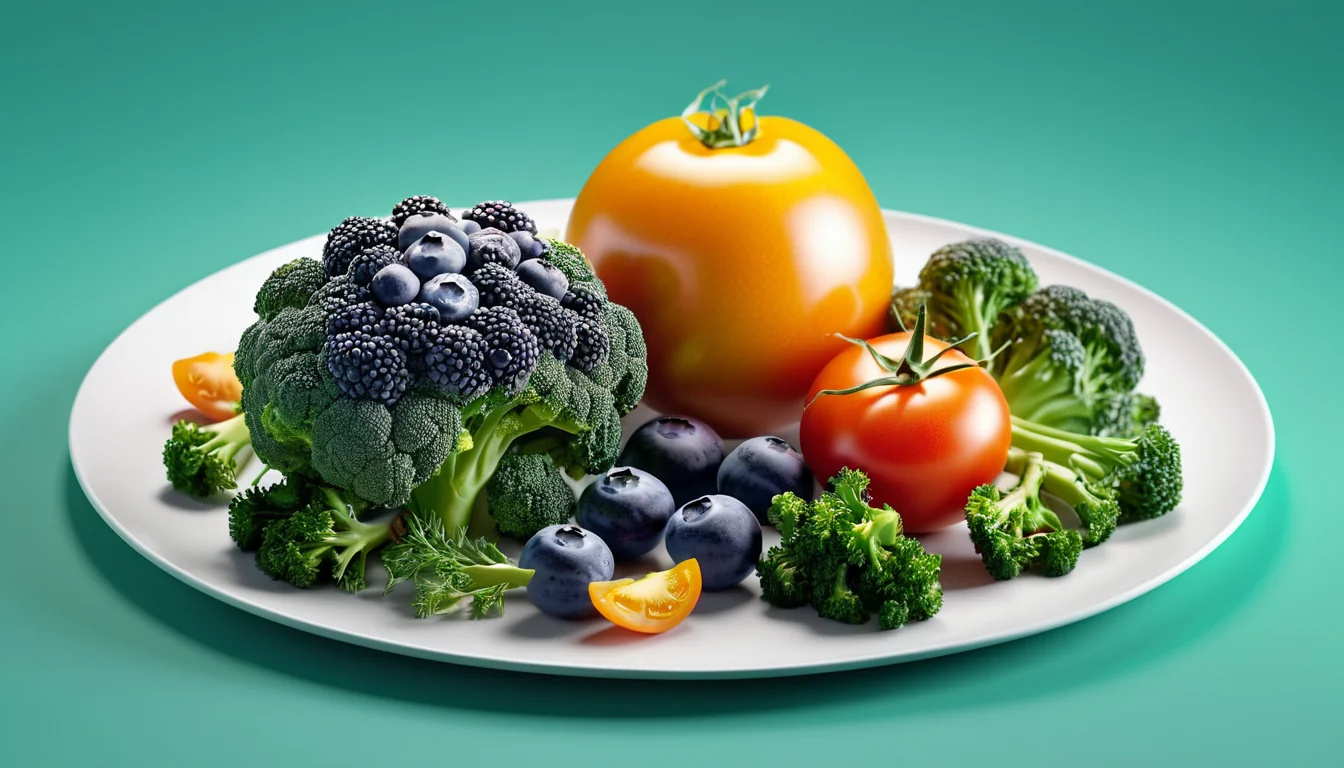
An anti-cancer diet is one of the most powerful tools Canadians have for protecting long-term health. Research consistently shows that what you eat every day can either raise or lower your risk of developing cancer, making smart food choices one of the simplest steps you can take right now.
How Your Anti-Cancer Diet Can Reduce Cancer Risk in Canada
Whether cancer runs in your family or you simply want to reduce your risk, adding more cancer prevention foods to your plate is a great place to start. This guide explains which foods to eat more of, which to limit, and how to make practical changes that fit real Canadian life — from grocery shopping at your local store to meal prepping for busy weeknights.
How Your Anti-Cancer Diet Can Reduce Cancer Risk
| Food Group | Cancer-Protective Compounds | Evidence-Based Benefits | Canadian Serving Recommendations |
|---|---|---|---|
| Cruciferous Vegetables (broccoli, cauliflower, Brussels sprouts) | Sulforaphane, indole-3-carbinol, glucosinolates | Associated with reduced risk of colorectal, lung, and breast cancers; supports detoxification enzymes | ½ plate vegetables and fruits daily per Canada’s Food Guide; aim for cruciferous vegetables 3–5 times per week |
| Berries (blueberries, strawberries, raspberries) | Anthocyanins, ellagic acid, vitamin C, quercetin | Linked to reduced oxidative stress and lower risk of esophageal and colorectal cancers; inhibits tumour cell growth in lab studies | ¾ cup (175 mL) per serving; Canadian-grown berries widely available fresh or frozen year-round |
| Legumes (lentils, chickpeas, black beans) | Dietary fibre, phytates, saponins, resistant starch | High fibre intake associated with up to 17% reduced risk of colorectal cancer; supports healthy gut microbiome | ¾ cup (175 mL) cooked per serving; Canadian Lentils are a cost-effective, locally produced option |
| Whole Grains (oats, barley, whole wheat) | Dietary fibre, lignans, phenolic acids, selenium | Regular consumption linked to reduced colorectal cancer risk; fibre promotes healthy bowel transit time reducing carcinogen exposure | Make at least half of all grain choices whole grain per Canada’s Food Guide; 1 slice bread or ½ cup cooked grains per serving |
| Fatty Fish (salmon, mackerel, sardines) | Omega-3 fatty acids (EPA and DHA), vitamin D, selenium | Omega-3s may reduce inflammation linked to cancer development; vitamin D deficiency is common in Canada and associated with higher cancer risk | At least 2 servings (75 g each) per week; wild Pacific salmon is a sustainable Canadian choice |
| Allium Vegetables (garlic, onions, leeks) | Allicin, organosulfur compounds, flavonoids | Associated with reduced risk of stomach and colorectal cancers; allicin has demonstrated anti-tumour properties in research studies | No specific serving guideline; Health Canada recommends varied vegetable
Scientists estimate that lifestyle choices — including diet — influence a large percentage of cancer cases. According to the World Health Organization, between 30 and 50 percent of cancers may be preventable through healthy lifestyle habits. That includes what you put on your plate every single day. An anti-cancer diet works by strengthening your immune system and reducing inflammation in the body. Certain foods contain natural compounds that help protect your cells from damage. Others, when eaten too often, can do the opposite. Quitting smoking, cutting back on alcohol, staying active, and eating well all work together. No single change is a cure or a guarantee. However, combining healthy habits gives your body the best possible defence. Fill Your Plate with Fruits and VegetablesThe most effective anti-cancer diet is built on a foundation of vegetables, fruits, and whole grains. Think of your plate as a guide: at least two-thirds should be filled with plant-based foods. The remaining third can include lean protein like fish, legumes, or a small portion of meat. The closer food is to its natural state, the better it is for you. Less processing means more nutrients and more protective compounds. A whole apple, for example, is far healthier than a glass of apple juice. Best Plant Foods to Add to Your Diet
You do not need to become vegetarian to benefit from an anti-cancer diet. Simply adding more plant foods to each meal makes a real difference. As a result, even small daily changes can add up over time. A Sample Anti-Cancer Day of EatingHere is what a healthy, cancer-protective day of meals could look like for a Canadian:
Why Fibre Is a Key Part of an Anti-Cancer DietFibre is one of the most important nutrients in cancer prevention. It keeps your digestive system clean and healthy, and it helps move waste through your body efficiently. A healthy gut is closely linked to a stronger immune system. Most Canadians do not eat enough fibre. The good news is that adding more is simple. Healthline explains that dietary fibre feeds healthy gut bacteria, reduces inflammation, and may directly lower the risk of colorectal cancer. Easy Ways to Add More Fibre Every Day
Top High-Fibre Foods That Support Cancer Prevention
Meat, dairy, white flour, sugar, and pastries contain little to no fibre. Therefore, eating more of these foods at the expense of plant foods leaves your digestive system without the protection it needs. Cutting Back on Meat and Processed FoodsResearch consistently shows that people who eat less meat have a significantly lower risk of certain cancers. Studies suggest vegetarians may have up to 50 percent lower cancer risk compared to heavy meat eaters. This does not mean you must give up meat entirely. The issue with meat — particularly red and processed meat — is threefold. First, it contains no fibre. Second, it is often high in saturated fat, which is linked to cancer development. Third, cooking meat at high temperatures (grilling or frying) can create harmful chemicals called carcinogens. Practical Tips to Reduce Meat Consumption
Furthermore, ultra-processed foods — packaged snacks, fast food, sugary drinks — are linked to higher cancer risk. They are often full of additives, unhealthy fats, and sugar, while offering very little nutritional value. According to the Mayo Clinic’s cancer prevention guidelines, limiting these foods is an important step in reducing your overall risk. Other Lifestyle Habits That Work with an Anti-Cancer DietDiet alone is powerful, but it works best as part of a broader healthy lifestyle. Several habits complement your anti-cancer diet and give your body even more protection.
These changes do not need to happen all at once. In fact, small and consistent steps are more sustainable than dramatic overnight overhauls. Pick one habit to work on each month and build from there. When to See a DoctorThis article is for general information only. It is not a substitute for medical advice from a qualified healthcare provider. Always speak with your family doctor or a registered dietitian before making major changes to your diet, especially if you have an existing health condition. If you do not have a family doctor, a walk-in clinic can be a good first step. Many provincial health plans across Canada also cover dietitian services — ask your local health authority what is available in your province. If cancer runs in your family, talk to your doctor about your personal risk. They can recommend screening programmes and connect you with specialists through your provincial health plan. Early detection saves lives. What is an anti-cancer diet?An anti-cancer diet is an eating pattern focused on foods that help protect your cells from damage and support a strong immune system. It emphasises vegetables, fruits, whole grains, and legumes while limiting red meat, processed foods, alcohol, and added sugars. Following an anti-cancer diet does not guarantee you will never get cancer, but it can meaningfully lower your risk over time. Which foods are most effective at fighting cancer?Foods rich in antioxidants, fibre, and natural plant compounds are considered the most protective. These include berries, broccoli, leafy greens, garlic, tomatoes, whole grains, and legumes like lentils and chickpeas. Adding a wide variety of colourful plant foods to your meals every day is the most effective food-based strategy. Does eating red meat really increase cancer risk?Research shows that regularly eating large amounts of red meat and processed meat is linked to a higher risk of certain cancers, particularly colorectal cancer. Red meat lacks fibre, is high in saturated fat, and can produce cancer-causing compounds when cooked at high temperatures. You do not need to avoid it completely, but limiting your intake and choosing plant-based proteins more often is a smart choice. How much fibre should I eat each day to help prevent cancer?Health Canada recommends that adult women aim for about 25 grams of fibre per day, and adult men aim for about 38 grams. Most Canadians currently eat far less than this. Switching to whole grains, eating more fruits and vegetables, and adding beans or lentils to your meals are simple ways to close that gap. Can an anti-cancer diet help if cancer already runs in my family?Yes — a healthy anti-cancer diet can still reduce your risk even if you have a family history of cancer. While you cannot change your genetics, lifestyle factors including diet play a significant role in whether genetic risks are triggered. Talk to your family doctor about your personal risk level and any additional screening or prevention steps that may be right for you. Do I need to become vegetarian to follow an anti-cancer diet?According to the World Health Organization, this information is supported by current medical research. For more information, read our guide on understanding processed foods and how to choose wisely. No, you do not need to give up meat entirely to benefit from an anti-cancer diet. The goal is to eat more plant-based foods and less processed or red meat overall. Many people find that simply shifting the balance of their plate — making vegetables and whole grains the main event and meat a smaller side — makes a meaningful difference in their long-term health. Key Takeaways
Frequently Asked QuestionsWhat is an anti-cancer diet?An anti-cancer diet is an eating pattern focused on foods that reduce cancer risk by fighting inflammation, neutralizing free radicals, and supporting immune function. It emphasizes fruits, vegetables, whole grains, legumes, and healthy fats while limiting processed foods, red meat, alcohol, and added sugars linked to increased cancer risk. What are the best foods to include in an anti-cancer diet?The best anti-cancer diet foods include cruciferous vegetables like broccoli and kale, berries rich in antioxidants, tomatoes containing lycopene, garlic, turmeric, green tea, fatty fish high in omega-3s, and legumes. These foods contain protective compounds that help reduce cellular damage and lower the risk of several cancers. Can eating certain foods actually prevent cancer?No single food prevents cancer, but research shows a healthy diet significantly reduces risk. According to the Canadian Cancer Society, poor diet contributes to roughly 30–35% of cancers. Consistently eating plant-based, nutrient-dense foods lowers risk of colorectal, breast, and other cancers when combined with exercise and avoiding tobacco and alcohol. What foods should Canadians avoid to reduce cancer risk?Canadians should limit processed meats like bacon and deli meat, red meat, alcohol, ultra-processed foods, and sugary drinks. The World Health Organization classifies processed meats as Group 1 carcinogens. Reducing these foods, especially alongside a diet rich in plant-based whole foods, meaningfully lowers long-term cancer risk. When should you see a doctor if you are concerned about cancer risk?See a doctor promptly if you notice unexplained weight loss, persistent fatigue, unusual lumps, changes in bowel habits, or prolonged pain. Canadians with a family history of cancer should discuss personalized screening schedules with their physician. Early detection significantly improves outcomes, so don’t delay reporting symptoms or skipping recommended screenings.  About the AuthorDr. Michael Ross, MD, FRCSCDr. Michael Ross is a fellowship-trained orthopedic surgeon at the University of Alberta Hospital, specializing in joint replacement and sports medicine. A Fellow of the Royal College of Surgeons of Canada (FRCSC), he has over 18 years of surgical experience and has authored multiple textbook chapters on musculoskeletal health. Dr. Ross is passionate about patient education and evidence-based medicine. View all articles →
Previous Article
Body Detox Diet: Complete Guide for Canadians (2025)
Next Article
Protein Myths: What Canadians Really Need to Know
 |