
Mediterranean Diet and Memory: Brain Health Guide Canada

Share
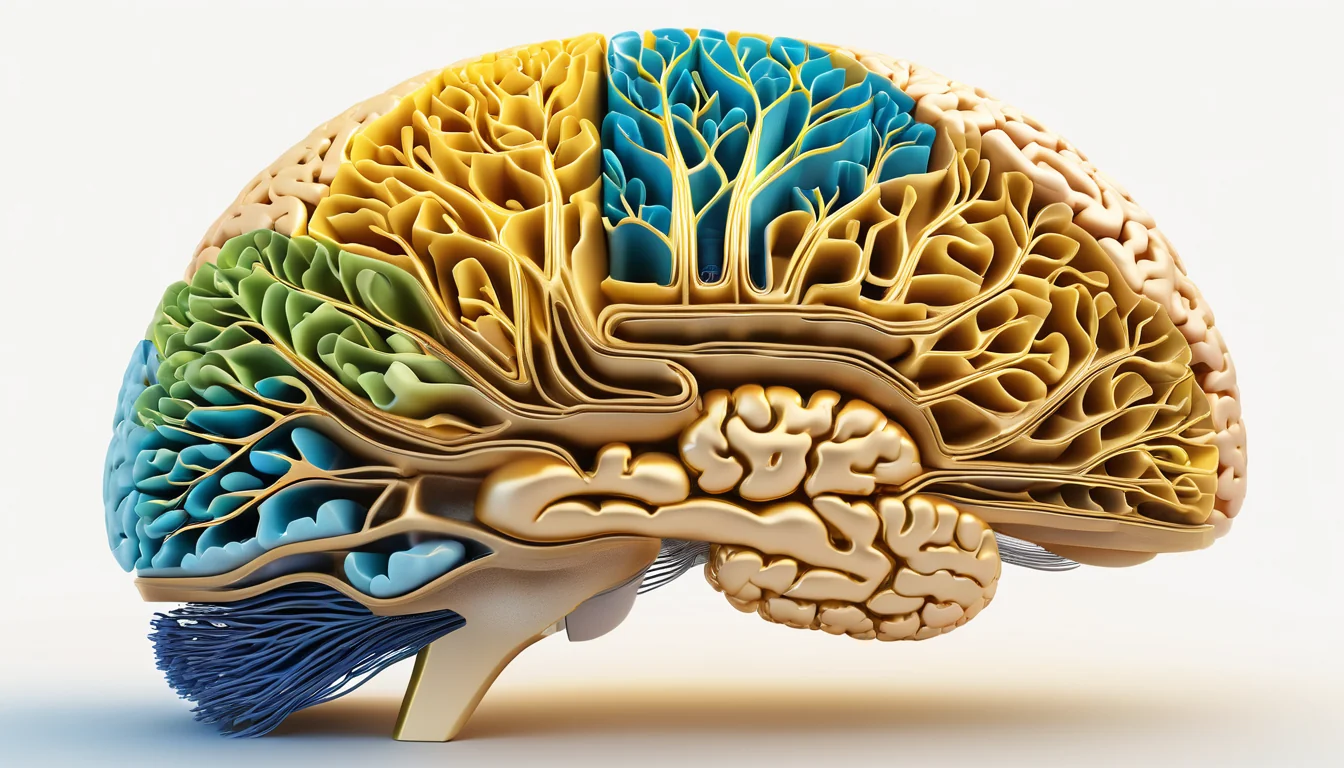
The Mediterranean diet and memory are more closely connected than most Canadians realize. A landmark study from the University of Alabama and the University of Athens found that following this traditional eating pattern may reduce the risk of memory problems by up to 19 percent, offering real hope for Canadians who want to stay sharp as they age.
How the Mediterranean Diet and Memory Are Connected According to Science
For anyone interested in Mediterranean diet brain health, the science is clear: what you eat directly affects how well your brain functions over time. The best part is that unlike genetics or age, your diet is something you can actually control. Whether you live in Vancouver, Toronto, or Halifax, adopting this way of eating is both practical and affordable with foods readily available at Canadian grocery stores.
What Is the Mediterranean Diet?
| Dietary Pattern | Key Features | Impact on Cognitive Health | Canadian Considerations |
|---|---|---|---|
| Mediterranean Diet | High in olive oil, fish, legumes, vegetables, whole grains, and moderate red wine | Associated with up to 35% reduced risk of cognitive decline; supports memory and executive function | Widely accessible in Canada; aligns with Canada’s Food Guide emphasis on plant-based eating |
| MIND Diet (Mediterranean-DASH Hybrid) | Emphasizes berries, leafy greens, nuts, beans, whole grains, fish, and poultry | Linked to slower cognitive aging; may reduce Alzheimer’s risk by up to 53% with strict adherence | Canadian-grown berries and greens make this diet affordable and seasonally accessible |
| Standard Western Diet | High in processed foods, red meat, saturated fats, added sugars, and sodium | Associated with increased inflammation and higher risk of cognitive impairment and dementia | Remains prevalent in Canada; linked to rising rates of obesity and cardiovascular disease affecting brain health |
| Plant-Based Diet | Excludes or minimizes animal products; focuses on vegetables, fruits, legumes, and nuts | May support brain health through antioxidants and anti-inflammatory compounds; evidence still emerging | Growing popularity in Canada; requires attention to B12 and omega-3 intake for optimal brain function |
| DASH Diet | Low sodium, high in fruits, vegetables, low-fat dairy, and lean protein | Primarily targets blood pressure; indirectly supports cognitive health by reducing vascular risk factors | Recommended by Heart & Stroke Foundation of Canada; compatible with provincial dietary guidelines |
The Mediterranean diet is widely considered one of the healthiest ways to eat in the world. It is inspired by the traditional eating habits of people living in countries like Greece, Spain, and Italy. However, you do not need to live near the sea to follow it.
The eating plan focuses on whole, minimally processed foods. It uses simple cooking methods and encourages enjoying meals slowly with family and friends. This relaxed approach to eating is actually part of the lifestyle itself.
What Foods Does It Include?
The Mediterranean diet is rich in plant-based foods. At its core, it features vegetables, fruits, whole grains, legumes, nuts, and olive oil. It also includes moderate amounts of fish, poultry, eggs, yogurt, and small amounts of cheese.
Importantly, extra virgin olive oil is the main source of added fat. It is packed with monounsaturated fats and beneficial plant compounds. These nutrients play a key role in protecting the body against chronic disease.
What Foods Does It Limit?
The Mediterranean diet cuts back on red meat, processed meats, full-fat dairy, refined grains, sweets, and sugary drinks. It also limits saturated fats and excess sodium. These are the same foods linked to heart disease, obesity, and inflammation in many Canadian health guidelines.
Mediterranean Diet and Memory: What the Research Says
A major study followed 17,478 men and women with an average age of 64. Researchers tracked their eating habits and tested their memory and thinking skills over four years. About seven percent of participants developed some form of memory or cognitive difficulty during the study.
The results were striking. Among healthy participants, those who closely followed the Mediterranean diet had a 19 percent lower risk of developing memory and cognitive problems. This suggests that what you eat may play a real role in protecting your brain over time.
Furthermore, the diet’s high content of omega-3 fatty acids is thought to be a key reason for this benefit. Omega-3 fatty acids are essential fats found in fatty fish, nuts, and olive oil. They are strongly associated with improved memory and overall brain function.
Does It Work for Everyone?
The research showed that the memory-protecting effects were most clear in people without diabetes. Among participants with diabetes, which made up about 17 percent of the study group, the brain benefits were less noticeable. Scientists suggested that existing health risks in people with diabetes may outweigh the cognitive benefits from increased omega-3 intake alone.
In addition, the researchers noted an important limitation. Once memory problems or signs of dementia have already developed, switching to a Mediterranean diet does not appear to reverse them. The diet seems to work best as a preventive measure, not a treatment.
How the Mediterranean Diet Protects Brain Health
The brain-protective effects of this diet come from several nutrients working together. Antioxidants from fruits and vegetables help reduce cell damage caused by free radicals. Healthy fats from olive oil and fish support the structure of brain cells.
Fibre from whole grains and legumes helps control blood sugar and reduces inflammation throughout the body. Chronic inflammation is increasingly linked to cognitive decline and conditions like dementia. Therefore, keeping inflammation low through diet may be one of the most powerful things you can do for long-term brain health.
According to the World Health Organization, dementia affects over 55 million people worldwide, and numbers are rising. Lifestyle factors like diet are among the few controllable risks. That makes the Mediterranean diet a valuable tool for everyday Canadians.
Other Health Benefits of the Mediterranean Diet
Brain health is just one piece of the picture. Researchers have spent over a decade studying what else this eating pattern does for the body. The findings are consistently positive across many areas of health.
Heart Health
The Mediterranean diet helps lower cholesterol, triglycerides, blood pressure, and blood sugar levels. All of these are key risk factors for heart disease. Heart disease remains one of the leading causes of death in Canada, so this benefit is especially relevant for Canadians covered under provincial health plans.
Weight Management
This eating pattern naturally supports a healthy body weight. It cuts out the main culprits behind weight gain, such as processed meats, fatty foods, refined carbohydrates, and sweets. Because the diet is rich in fibre and healthy fats, it also helps you feel full and satisfied.
Diabetes Prevention
Medical experts consider the Mediterranean diet one of the best strategies for preventing type 2 diabetes. It helps keep blood sugar stable and lowers inflammation in the body. For Canadians at risk of diabetes, this is a straightforward and evidence-based dietary approach.
Skin Health
The abundance of fruits and vegetables in this diet delivers powerful antioxidants to the body. These compounds protect skin cells from oxidative damage caused by free radicals. As a result, this eating pattern is also associated with slower visible signs of skin ageing.
Simple Ways to Start Eating the Mediterranean Way in Canada
The good news is that you do not need to overhaul your entire kitchen overnight. Small changes add up quickly. Most of the key foods in this diet are widely available at Canadian grocery stores year-round.
Start by swapping butter for extra virgin olive oil when cooking. Add a handful of nuts or seeds to your morning oatmeal. Choose fish like salmon, trout, or sardines two to three times a week. These are all common, affordable options across Canada.
Try building half your plate with vegetables at every meal. Replace white bread and white rice with whole grain versions. Snack on fruit, hummus, or unsalted nuts instead of chips or cookies. These practical swaps reflect core Mediterranean principles and are easy to maintain.
For more detailed guidance, the Mayo Clinic’s Mediterranean diet guide offers a clear breakdown of how to get started, including sample meal ideas.
When to See a Doctor
If you have noticed changes in your memory, focus, or thinking skills, it is important to speak with a healthcare professional. Your family doctor is the best first step. They can assess your symptoms and refer you to a specialist if needed.
If you do not have a family doctor, a walk-in clinic can be a helpful starting point. Most provincial health plans cover these visits. A doctor can also help you create a nutrition plan that fits your personal health history, especially if you have conditions like diabetes, heart disease, or high blood pressure.
Always talk to your doctor before making major changes to your diet, particularly if you are managing a chronic condition or taking medication.
Frequently Asked Questions
Can the Mediterranean diet really improve memory?
Research suggests that the Mediterranean diet and memory are closely connected. A large study found that healthy adults who followed this diet closely had a 19 percent lower risk of developing memory and cognitive problems. The diet’s omega-3 fatty acids, antioxidants, and anti-inflammatory foods are believed to support long-term brain health.
How long does it take for the Mediterranean diet to affect brain health?
There is no single answer, as results vary from person to person. In the major study on the Mediterranean diet and memory, researchers tracked participants over four years. Most experts agree that consistent, long-term eating habits have the greatest impact on brain health.
Is the Mediterranean diet good for preventing dementia?
Evidence suggests that the Mediterranean diet may help reduce the risk of dementia and Alzheimer’s disease. It works best as a preventive measure, before symptoms develop. Once dementia has progressed, diet changes alone are unlikely to reverse the condition.
What foods should I eat on the Mediterranean diet in Canada?
Focus on vegetables, fruits, whole grains, legumes, nuts, and extra virgin olive oil as your daily staples. Add fish like salmon or trout two to three times per week. These foods are all widely available at Canadian grocery stores throughout the year.
Does the Mediterranean diet work for people with diabetes?
The research on the Mediterranean diet and memory showed weaker brain-protective effects in people with diabetes. However, the diet is still widely recommended for diabetes prevention and blood sugar management. If you have diabetes, speak with your family doctor or a registered dietitian before making significant dietary changes.
Is the Mediterranean diet expensive to follow in Canada?
According to Mayo Clinic’s guide to the Mediterranean diet, this information is supported by current medical research.
For more information, read our guide on spinach and its brain-healthy benefits for Canadians.
The Mediterranean diet does not have to be costly. Staples like lentils, canned chickpeas, frozen vegetables, oats, and canned fish are affordable and widely available across Canada. Buying seasonal produce and cooking at home are two simple ways to keep costs low while following this healthy eating pattern.
Key Takeaways
- The Mediterranean diet and memory are strongly linked, with research showing up to a 19 percent lower risk of cognitive decline in healthy adults who follow this diet.
- The diet’s brain benefits come from omega-3 fatty acids, antioxidants, fibre, and healthy fats working together.
- This eating pattern also supports heart health, weight management, diabetes prevention, and skin health.
- The Mediterranean diet works best as a preventive tool — it is most effective before memory problems begin.
- Key foods include vegetables, fruits, whole grains, legumes, fish, nuts, and extra virgin olive oil.
- If you are experiencing memory changes or managing a chronic condition, speak with your family doctor or visit a walk-in clinic covered by your provincial health plan.
Frequently Asked Questions
What is the Mediterranean diet and how does it affect memory?
The Mediterranean diet emphasizes fruits, vegetables, whole grains, legumes, fish, and olive oil while limiting red meat and processed foods. Research shows it supports memory by reducing brain inflammation, improving blood flow, and providing antioxidants that protect neurons from damage linked to cognitive decline and dementia.
How does the Mediterranean diet improve memory in older Canadians?
The Mediterranean diet improves memory by delivering omega-3 fatty acids, polyphenols, and B vitamins that support brain cell communication and reduce oxidative stress. Studies show consistent followers experience slower cognitive decline, better recall, and a reduced risk of Alzheimer’s disease compared to those eating typical Western diets.
Can eating more fish and olive oil prevent memory loss in Canada?
Eating fish rich in omega-3s and olive oil containing oleocanthal may help prevent memory loss by protecting brain tissue from inflammation and plaque buildup. While no single food guarantees prevention, these Mediterranean staples are consistently associated with better long-term cognitive health in multiple large-scale research studies.
What are the early warning signs of memory decline Canadians should watch for?
Early warning signs include frequently forgetting recent conversations, misplacing items, struggling to find familiar words, missing appointments, and difficulty following instructions. These symptoms differ from normal aging. If memory problems interfere with daily routines, professional evaluation is recommended, as early detection significantly improves management outcomes.
When should Canadians see a doctor about memory problems?
Canadians should see a doctor if memory issues disrupt daily life, worsen progressively, or involve confusion, personality changes, or getting lost in familiar places. Family members noticing these changes should also prompt a medical visit. Early assessment by a family physician or geriatric specialist allows timely intervention and lifestyle guidance.

About the Author
Dr. James Okafor, MD, PhDDr. James Okafor holds an MD and PhD in Neurological Sciences from McGill University. With 12 years of experience in clinical neurology and mental health research, he has contributed to landmark studies on depression, anxiety, and cognitive health. Dr. Okafor is a Fellow of the Royal College of Physicians and Surgeons of Canada and serves on the editorial board of two peer-reviewed journals.
View all articles →