Menopause Diet: Best Foods to Manage Symptoms (Canada)

Share
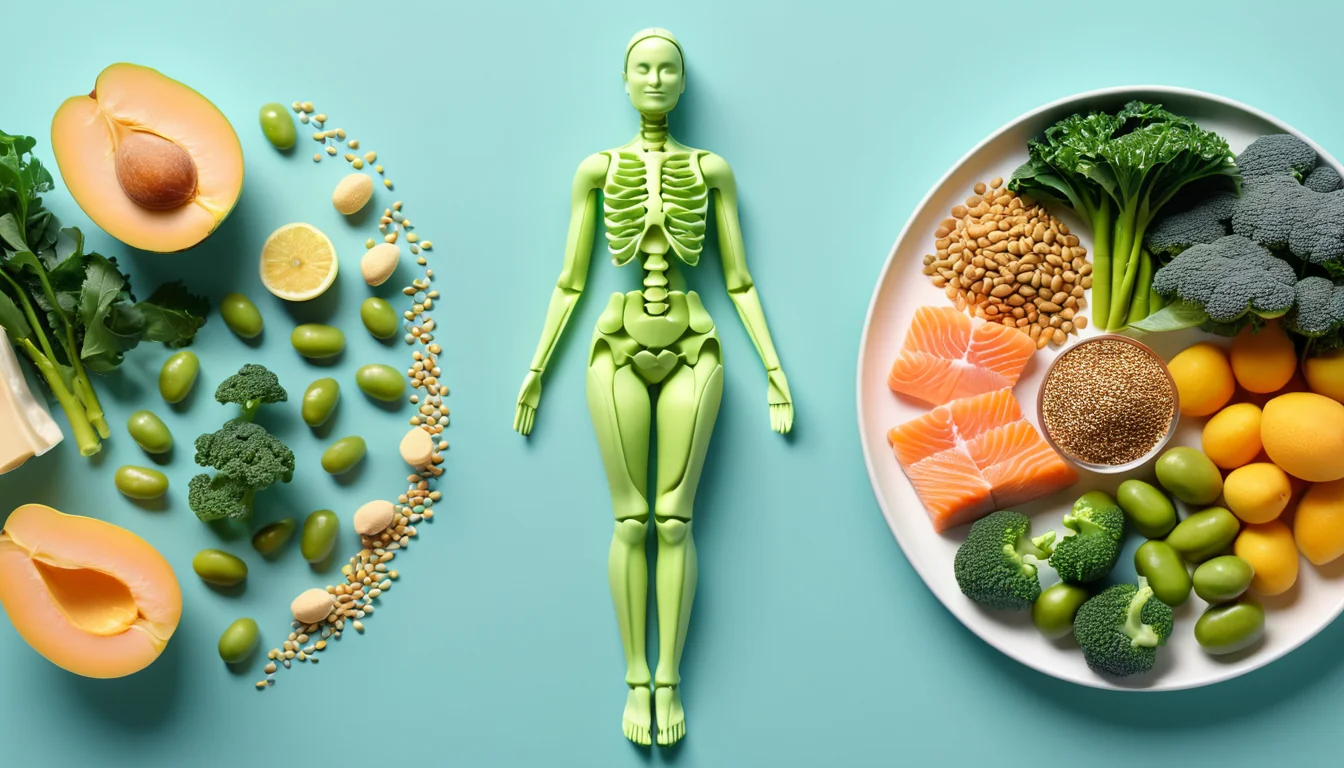
A well-planned menopause diet focused on calcium, vegetables, and soy-based foods can make a real difference in how you feel during this major life transition. Menopause brings hormonal shifts that affect everything from your energy levels to your bone density — and what you eat plays a bigger role than many Canadians realise.
How Does a Menopause Diet Help With Symptoms?
From hot flashes to weight changes, the right foods for menopause symptoms can help you take back control and protect your long-term health. With the average age of menopause in Canada being around 51, millions of Canadian women are looking for practical, evidence-based nutrition strategies to feel their best during perimenopause and beyond.
What Is Menopause and When Does It Start?
| Nutrient | Symptom It Helps Manage | Key Benefits | Canadian Food Sources |
|---|---|---|---|
| Phytoestrogens | Hot flashes, night sweats | Mimics estrogen in the body, may reduce frequency and intensity of vasomotor symptoms | Edamame, tofu, flaxseeds, tempeh |
| Calcium | Bone loss, osteoporosis risk | Supports bone density at a time when estrogen decline accelerates bone loss; Health Canada recommends 1,200 mg/day for women over 50 | Dairy products, fortified plant milks, canned salmon with bones, kale |
| Omega-3 Fatty Acids | Mood changes, joint pain, brain fog | Supports cardiovascular health, reduces inflammation, and may improve mood and cognitive function | Atlantic salmon, mackerel, walnuts, ground flaxseed, chia seeds |
| Magnesium | Sleep disturbances, anxiety, muscle cramps | Promotes relaxation, supports sleep quality, and helps regulate blood sugar and bone metabolism | Pumpkin seeds, black beans, almonds, dark chocolate, whole grains |
| Vitamin D | Bone loss, fatigue, low mood | Works with calcium to protect bone density; supports immune function and mood regulation; many Canadians are deficient due to limited sun exposure | Fortified milk, egg yolks, fatty fish, fortified orange juice |
| Fibre | Weight gain, digestive changes, blood sugar fluctuations | Supports healthy weight management, stabilizes blood sugar, promotes gut health, and may reduce cardiovascular disease risk | Oats, lentils, chickpeas, berries, whole grain bread |
Menopause happens when you have gone 12 full months without a period. On average, this occurs around age 51 in Canada. However, every woman’s experience is different.
Perimenopause is the stage leading up to menopause. It can begin as early as your mid-30s, though most women notice changes in their 40s. During perimenopause, oestrogen levels start to drop. As a result, you may begin to experience symptoms like hot flashes, mood changes, and low energy.
Falling oestrogen also affects your bones, muscle mass, and metabolism. Therefore, the choices you make about food during this time really matter.
How Does a Menopause Diet Help With Symptoms?
Eating a well-balanced diet is important at every stage of life. During menopause, however, your body needs a little extra care. Changes in metabolism and an increased risk of bone health conditions like osteoporosis mean that your diet can either work for you or against you.
A good menopause diet focuses on lean protein, whole grains, calcium-rich foods, and plenty of plant-based options. The Mediterranean diet is a strong all-in-one starting point. It ticks most of these boxes and is easy to adapt to everyday Canadian meals.
That said, there is no need to follow an extreme or restrictive plan. The best diet is one that fits your lifestyle and includes foods you actually enjoy eating.
Best Foods to Eat During Menopause
Calcium-Rich Foods for Bone Health
While you are managing hot flashes and night sweats, your bones are going through their own changes. Bone loss speeds up after menopause because oestrogen helps protect bone density. In fact, your body stops building new bone around age 30 — and the drop in oestrogen accelerates bone loss further.
To protect your bones, aim for 1,200 to 1,500 milligrams of calcium per day. Good sources of calcium include:
- Low-fat milk and dairy products
- Soy milk (often calcium-fortified)
- Low-fat yogurt and cheese
- Fortified orange juice
- Oatmeal
- Tofu made with calcium sulphate
Not a big dairy fan? No problem. You can spread your calcium intake throughout the day. For example, try a bowl of oatmeal (about 150 mg) with a glass of fortified orange juice (about 300 mg) at breakfast, a leafy green salad at lunch (up to 300 mg), and spiced tofu at dinner (120 to 390 mg).
Leafy Greens and Vegetables
Vegetables deserve a big spot on your plate during menopause. Aim to fill half your plate with leafy greens and colourful vegetables at every meal. This simple habit supports a healthy weight and helps your bones stay strong.
Spinach and turnip greens are excellent plant-based sources of calcium. In addition, certain vegetables may help reduce the severity of hot flashes. Consider adding these to your regular meals:
- Broccoli
- Cauliflower
- Asparagus
- Brussels sprouts
- Kale
- Spinach
Lean Protein
Protein helps preserve muscle mass, which naturally declines during menopause. Choosing lean sources of protein keeps your meals nutritious without adding too much saturated fat.
Good lean protein choices include:
- Grilled chicken or turkey
- Canned or fresh tuna
- Lean cuts of beef
- Lentils and beans
- Tofu
You do not need to cut out red meat entirely. However, try to limit it and keep an eye on your cholesterol levels, especially as your cardiovascular risk changes after menopause.
Soy-Based Foods and Phytoestrogens
Soy products may be one of the most useful additions to your menopause diet. Research from the Mayo Clinic and other sources suggests that soy contains phytoestrogens — natural plant chemicals that act similarly to oestrogen in the body. These may help reduce hot flashes and other menopause symptoms.
Experts recommend getting soy through whole foods rather than supplements. Some easy soy-based foods to try include:
- Edamame (whole soybeans)
- Tofu
- Soy milk
- Soy flour
Furthermore, many of these foods also provide calcium and protein, so they pull double duty in a menopause diet.
Should You Take Supplements?
Calcium Supplements
If you are lactose intolerant, sensitive to dairy, or vegan, getting enough calcium from food alone can be a challenge. Over-the-counter calcium supplements are a practical option. Most provincial health plans do not cover these, but they are widely available and affordable at Canadian pharmacies.
One important tip: your gut can only absorb about 500 milligrams of calcium at one time. Therefore, split your daily dose across two or three smaller doses throughout the day rather than taking it all at once. Avoid taking more than your recommended daily amount, as too much calcium can cause other health issues.
Vitamin D
Even if your menopause diet includes plenty of calcium, you still need vitamin D. Vitamin D helps your body absorb calcium properly — without it, all that calcium-rich food may not do as much good for your bones.
In Canada, we do not get enough sunlight for much of the year to produce sufficient vitamin D through sun exposure alone. Vitamin D deficiency is common across Canada, particularly in northern regions and during the winter months. A daily vitamin D supplement is a smart idea for most Canadians, and especially important during menopause.
Talk to your family doctor or pharmacist about the right dosage for your age and health history before starting any new supplement routine.
Foods to Limit During Menopause
Just as some foods can help, others may make menopause symptoms worse. It is worth being mindful of the following:
- Spicy foods: These can trigger or worsen hot flashes in some women.
- Alcohol: Alcohol can disrupt sleep, worsen mood changes, and affect bone density over time.
- Caffeine: Too much caffeine may increase hot flashes and interfere with sleep.
- Processed and high-sugar foods: These can contribute to weight gain and affect your energy levels and mood.
- High-sodium foods: Too much salt can increase calcium loss through urine, which is especially harmful during menopause.
You do not need to eliminate these foods completely. However, cutting back can make a noticeable difference in how you feel day to day.
When to See a Doctor
Diet changes can help, but they are not a substitute for medical advice. If your menopause symptoms are affecting your quality of life — for example, severe hot flashes, significant mood changes, or concerns about bone health — it is time to speak with your family doctor.
If you do not have a family doctor, a walk-in clinic can be a helpful starting point. Many provinces also offer nurse practitioner clinics that can address menopause-related concerns. Your doctor may recommend additional options such as hormone therapy or prescription-strength supplements depending on your individual health profile.
Before starting any new supplement — including calcium or vitamin D — always check with your doctor or pharmacist first. This is especially important if you take other medications or have existing health conditions.
Frequently Asked Questions About Menopause Diet
What is the best menopause diet for managing hot flashes?
A menopause diet rich in soy-based foods, vegetables, and whole grains may help reduce hot flash frequency and severity. Phytoestrogens found in soy act similarly to oestrogen in the body and have been shown to ease some menopause symptoms. Limiting caffeine, spicy foods, and alcohol can also help.
How much calcium do I need during menopause?
During menopause, most women are advised to aim for 1,200 to 1,500 milligrams of calcium per day to help protect bone density. You can get calcium from dairy products, fortified soy milk, leafy greens, and tofu. If diet alone is not enough, over-the-counter calcium supplements are a good option — just remember to split the dose throughout the day.
Can diet really help with menopause symptoms?
Yes, a balanced menopause diet can make a meaningful difference in managing symptoms like hot flashes, mood changes, low energy, and bone loss. While food is not a cure, eating more calcium-rich foods, lean proteins, soy, and vegetables supports your body through this transition. It works best when combined with regular physical activity and medical guidance.
Is soy safe to eat during menopause?
For most women, eating soy foods as part of a menopause diet is considered safe and potentially beneficial. Whole soy foods like tofu, edamame, and soy milk contain phytoestrogens that may help reduce hot flashes. However, if you have a history of hormone-sensitive conditions, speak with your doctor before significantly increasing your soy intake.
Do I need to take vitamin D supplements during menopause?
Vitamin D is essential during menopause because it helps your body absorb calcium for strong bones. In Canada, limited sun exposure — especially in fall and winter — means many women do not get enough vitamin D from sunlight alone. A daily supplement is recommended for most Canadians, but check with your family doctor for the right dose for your situation.
What foods should I avoid during menopause?
According to Health Canada’s guidelines on calcium and vitamin D intake, this information is supported by current medical research.
For more information, read our guide on health benefits of spinach for menopause bone health.
During menopause, it helps to limit spicy foods, alcohol, caffeine, processed foods, and high-sodium items, as these can worsen hot flashes, disrupt sleep, and affect bone health. You do not need to cut them out completely, but reducing them can have a noticeable positive effect on your symptoms. A menopause diet focuses more on what to add than what to remove.
Key Takeaways
- A menopause diet built around calcium, vegetables, lean protein, and soy can help ease common symptoms like hot flashes and mood changes.
- Aim for 1,200 to 1,500 mg of calcium per day through food and, if needed, supplements.
- Vitamin D is essential for calcium absorption — most Canadians benefit from a daily supplement, especially in winter.
- Soy-based foods contain phytoestrogens that may naturally help balance hormone-related symptoms.
- Limit caffeine, alcohol, spicy foods, and processed items to help keep symptoms in check.
- The Mediterranean diet is a great flexible framework to base your menopause eating plan on.
- Always talk to your family doctor or a walk-in clinic provider before starting new supplements or making major diet changes.
Frequently Asked Questions
What is a menopause diet?
A menopause diet is an eating plan designed to manage symptoms like hot flashes, mood changes, and bone loss during menopause. It emphasizes calcium-rich foods, phytoestrogens, healthy fats, and fibre while limiting sugar, alcohol, and processed foods. Following this diet can support hormonal balance and overall health during this transition.
What foods help with menopause symptoms?
Foods that help manage menopause symptoms include soy products, flaxseeds, leafy greens, fatty fish, whole grains, and berries. These provide phytoestrogens, omega-3 fatty acids, calcium, and antioxidants that may reduce hot flashes, support bone density, stabilize mood, and promote heart health during menopause.
How does a menopause diet reduce hot flashes?
A menopause diet reduces hot flashes by incorporating phytoestrogen-rich foods like soy, tofu, and flaxseeds, which mimic estrogen in the body. Avoiding triggers such as caffeine, alcohol, and spicy foods also helps. Studies suggest these dietary changes can decrease hot flash frequency and intensity in some women.
Can diet prevent bone loss during menopause?
Yes, diet can help prevent bone loss during menopause. Consuming adequate calcium (1,200 mg daily) from dairy, fortified plant milks, and leafy greens, along with vitamin D from fatty fish and fortified foods, supports bone density. Combined with weight-bearing exercise, a bone-healthy diet significantly reduces osteoporosis risk.
When should a Canadian woman see a doctor about menopause symptoms?
See a doctor if menopause symptoms significantly disrupt daily life, including severe hot flashes, heavy or irregular bleeding, extreme mood changes, or sleep disturbances. You should also seek medical advice if symptoms begin before age 45, as early menopause may require additional evaluation and treatment beyond dietary changes.

About the Author
Dr. Michael Ross, MD, FRCSCDr. Michael Ross is a fellowship-trained orthopedic surgeon at the University of Alberta Hospital, specializing in joint replacement and sports medicine. A Fellow of the Royal College of Surgeons of Canada (FRCSC), he has over 18 years of surgical experience and has authored multiple textbook chapters on musculoskeletal health. Dr. Ross is passionate about patient education and evidence-based medicine.
View all articles →