
Fresh Vegetables: Easy Ways to Eat More This Summer

Share
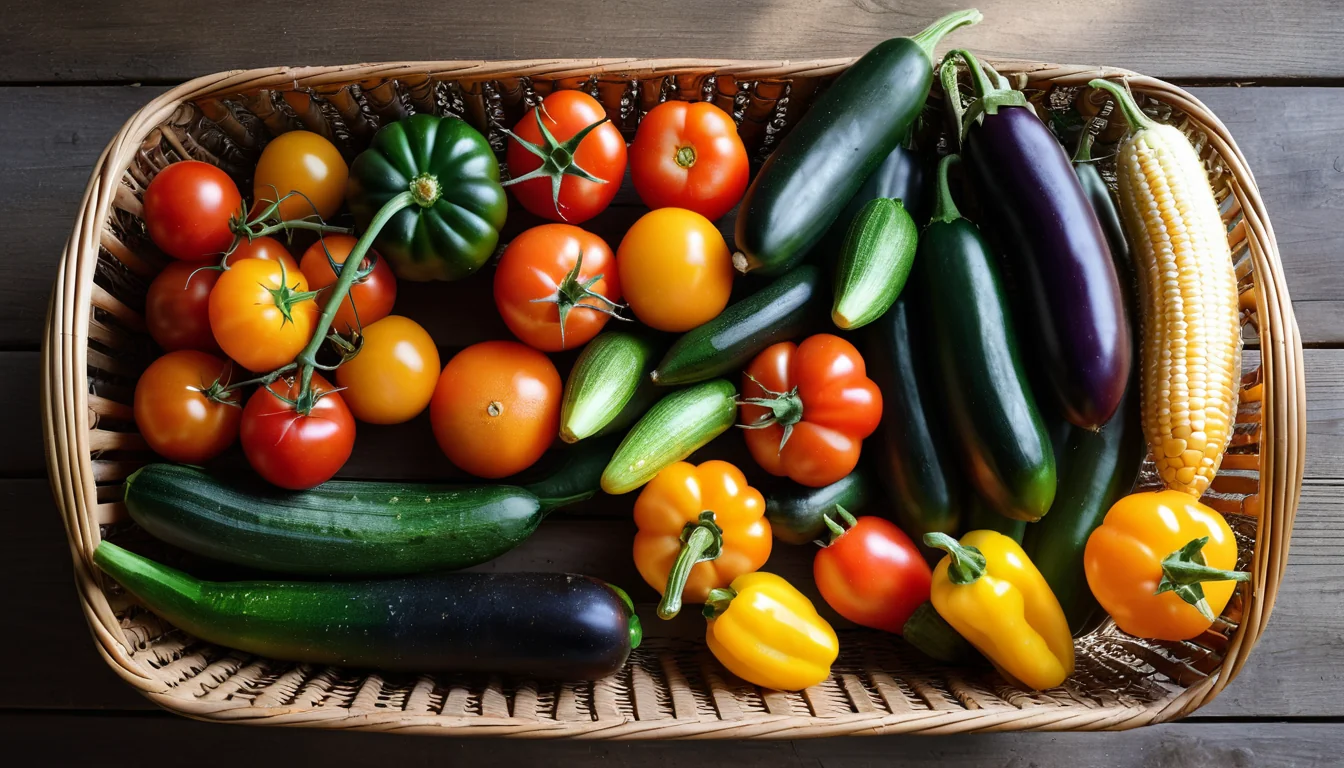
Fresh vegetables are one of the easiest and most delicious ways to improve your health this summer. Canadian farmers’ markets and grocery stores overflow with colourful, affordable produce from June through September, making it the perfect season to transform your plate.
Why Fresh Vegetables Matter for Your Health in Canada
Adding more vegetables and fruit to your daily meals can boost your energy, strengthen your immune system, and help you maintain a healthy weight. Whether you are shopping at a local farm stand or picking up seasonal produce at your neighbourhood store, this guide shares simple, practical tips to help every Canadian eat more fresh vegetables — no complicated recipes required.
Why Fresh Vegetables Matter for Your Health
| Vegetable Type | Key Nutrients | Health Benefits | Serving Tips |
|---|---|---|---|
| Leafy Greens (spinach, kale, Swiss chard) | Folate, Vitamin K, Iron, Calcium | Supports bone health, reduces risk of anemia, promotes heart health | Add raw to salads or lightly sauté with olive oil |
| Cruciferous Vegetables (broccoli, cauliflower, Brussels sprouts) | Vitamin C, Fibre, Sulforaphane | May reduce cancer risk, supports immune function, aids digestion | Steam or roast to preserve nutrients |
| Root Vegetables (carrots, beets, radishes) | Beta-carotene, Potassium, Folate | Supports eye health, regulates blood pressure, promotes gut health | Eat raw as snacks or roast for natural sweetness |
| Nightshades (tomatoes, peppers, zucchini) | Lycopene, Vitamin C, Vitamin B6 | Antioxidant protection, supports immune health, reduces inflammation | Grill or enjoy fresh in summer salads |
| Alliums (onions, garlic, leeks) | Quercetin, Allicin, Manganese | Supports cardiovascular health, has antimicrobial properties, regulates blood sugar | Use raw or cooked as flavour base in most dishes |
Fresh vegetables are packed with vitamins, minerals, and fibre. These nutrients help your body fight illness, support digestion, and keep your heart healthy. In fact, Health Canada recommends filling half your plate with vegetables and fruit at every meal.
Most Canadians do not eat enough vegetables each day. However, summer makes it much easier — and more affordable — to change that habit. Fresh, seasonal produce tastes better and often costs less than out-of-season imports.
Eating a wide variety of vegetables also means you get a broader range of nutrients. Different colours signal different vitamins and antioxidants. For example, orange carrots are rich in vitamin A, while dark leafy greens provide iron and folate.
Simple Ways to Add More Fresh Vegetables to Your Diet
You do not need to overhaul your entire diet overnight. Small, steady changes add up quickly. The goal is to make fresh vegetables easy to reach and hard to ignore.
Here are expert-recommended strategies to get started:
- Keep a fruit bowl visible. Place a bowl of fresh fruit or cut vegetables on your kitchen counter or dining table. When healthy food is easy to see, you are more likely to grab it.
- Buy pre-cut vegetables. Many grocery stores sell pre-washed and pre-cut vegetables. This saves time and removes a common barrier to eating well. Simply toss them into salads, stir-fries, or pasta sauces.
- Add vegetables to every meal. Stir diced tomatoes, cucumbers, or bell peppers into your morning eggs. Add spinach to your lunchtime sandwich. Include a side salad with dinner.
- Steam instead of boiling. Steaming fresh vegetables preserves more of their vitamins and flavour. A microwave steamer bag makes this quick and effortless on busy weeknights.
Easy Vegetable Swaps for Busy Canadians
Busy schedules are one of the biggest reasons people skip vegetables. However, a few smart swaps make it much easier. Try replacing chips or crackers with sliced bell peppers and hummus as a snack.
Swap white rice for cauliflower rice once or twice a week. Add a handful of frozen spinach to your morning smoothie — you will barely taste it. These small changes take almost no extra time but add real nutritional value.
Delicious Ways to Cook and Season Fresh Vegetables
Many people avoid vegetables because they find them bland. The good news is that a little creativity goes a long way. Fresh vegetables absorb flavours beautifully when prepared well.
Roasting for Maximum Flavour
Roasting is one of the simplest and most satisfying ways to prepare fresh vegetables. Toss broccoli, zucchini, carrots, or cherry tomatoes with a drizzle of olive oil and a pinch of salt. Roast at 200°C (400°F) for 20 to 25 minutes until the edges are golden and slightly crispy.
The natural sugars in vegetables caramelize during roasting, creating a rich, slightly sweet flavour. Furthermore, roasted vegetables work as a side dish, a pizza topping, or a pasta mix-in.
Fresh Herbs and Simple Dressings
Fresh herbs transform a plain salad into something special. Try tossing mixed greens with basil, olive oil, lemon juice, and a sprinkle of Parmesan. This simple combination takes less than five minutes to prepare.
In addition, you can blend fresh vegetables into sauces. Finely chop zucchini, carrots, or mushrooms and stir them into your pasta sauce. They soften and blend with the sauce, adding nutrition without changing the texture dramatically.
Broccoli Salad with Italian Dressing
One easy crowd-pleaser is raw broccoli tossed with Italian dressing and shredded Parmesan. The dressing softens the broccoli slightly and adds a tangy, savoury flavour. This salad keeps well in the fridge for two to three days, making it a great meal-prep option.
Building Balanced Summer Meals with Vegetables and Fruit
Summer eating should be enjoyable, not stressful. Think of each meal as an opportunity to add colour to your plate. A colourful plate usually means a nutritious plate.
Try these easy summer meal ideas that centre around fresh vegetables and fruit:
- Breakfast: Add sliced strawberries, blueberries, or banana to a bowl of oatmeal or yogurt with granola.
- Lunch: Build a sandwich loaded with tomatoes, cucumbers, shredded cabbage, and avocado on whole grain bread.
- Dinner: Grill corn on the cob alongside a mixed green salad with grapes, walnuts, and a light vinaigrette.
- Snack: Pair apple slices or celery sticks with natural peanut butter for a satisfying, nutrient-rich snack.
- Dessert: Bake sliced apples or pears with a sprinkle of cinnamon and a drizzle of honey. Serve warm for a simple, wholesome treat.
Smoothies: A Quick Way to Boost Your Intake
Smoothies are a fast and flexible way to increase your daily intake of fruits and vegetables. Blend frozen mango, a banana, plain yogurt, and a handful of baby spinach for a nutrient-dense breakfast. The fruit flavour masks the spinach completely.
According to Healthline, green smoothies can help increase vegetable and fruit intake for people who struggle to eat enough whole produce. However, be mindful of portion sizes — smoothies can be high in natural sugars if fruit-heavy.
Fresh Vegetables for Kids and Family Meals
Getting children to eat fresh vegetables is a common challenge for Canadian families. However, presentation and involvement make a big difference. Let kids pick one new vegetable at the grocery store each week.
Cut vegetables into fun shapes or serve them with a favourite dip like hummus, ranch dressing, or yogurt-based dip. Children are more likely to eat vegetables they helped choose or prepare. As a result, cooking together becomes a healthy habit for the whole family.
Making Vegetables Fun at the Table
Try a “rainbow challenge” — see how many colours your family can include in one meal. Red tomatoes, orange carrots, yellow corn, green cucumber, and purple cabbage all count. This turns healthy eating into a game rather than a chore.
In addition, adding vegetables to familiar foods works well. Stir finely diced vegetables into pasta sauce, soup, or even pancake batter. Your family gets the nutrition without the resistance.
Buying and Storing Fresh Vegetables in Canada
Canada’s summer growing season runs roughly from June to October, depending on the province. During this time, local produce is at its freshest and most affordable. Visiting a local farmers’ market is a great way to support Canadian growers and find produce you may not see in grocery stores.
When buying fresh vegetables, look for firm texture, bright colour, and no signs of mould or soft spots. Store leafy greens in a sealed container lined with paper towel to absorb moisture and extend freshness.
Root vegetables like carrots, beets, and turnips keep well in the crisper drawer of your fridge for up to two weeks. Tomatoes, however, taste best stored at room temperature on the counter — the fridge dulls their flavour.
Using Frozen Vegetables Year-Round
Fresh is ideal in summer, but frozen vegetables are an excellent option year-round. They are flash-frozen at peak ripeness, so they retain most of their nutrients. According to the Mayo Clinic, frozen vegetables are nutritionally comparable to fresh in most cases.
Keep a selection of frozen vegetables — peas, corn, mixed stir-fry blends, edamame — in your freezer. They cook in minutes and are a lifesaver on busy weeknights when fresh produce has run out.
When to See a Doctor or Dietitian
For most Canadians, eating more fresh vegetables is a straightforward and safe health improvement. However, if you have a chronic condition like diabetes, kidney disease, or a digestive disorder, some dietary changes may need professional guidance first.
Speak with your family doctor or a registered dietitian before making major changes to your diet. If you do not have a family doctor, a walk-in clinic can be a good starting point. Many provincial health plans cover at least one nutrition consultation with a registered dietitian — check with your provincial health authority for details.
Your doctor can help you understand how specific vegetables may interact with any medications you take. For example, leafy greens high in vitamin K can affect blood-thinning medications like warfarin.
How many servings of fresh vegetables should I eat each day?
Canada’s Food Guide recommends filling half your plate with vegetables and fruit at each meal. For most adults, this works out to roughly four to seven servings of fresh vegetables and fruit daily. The exact amount depends on your age, sex, and activity level, so speaking with your family doctor or dietitian can give you a more personalized target.
Are frozen vegetables as healthy as fresh vegetables?
Yes, frozen vegetables retain most of their nutrients because they are flash-frozen shortly after harvest. In some cases, frozen vegetables may even contain more vitamins than fresh vegetables that have been sitting in transit or storage for several days. Keeping a variety of frozen vegetables on hand is a smart and affordable way to eat well year-round.
What are the easiest fresh vegetables to add to meals?
Some of the easiest fresh vegetables to add to everyday meals include baby spinach, cherry tomatoes, shredded carrots, cucumber, and bell peppers. These require little or no cooking and can be tossed into salads, sandwiches, wraps, and pasta dishes in minutes. Buying pre-washed and pre-cut versions from Canadian grocery stores reduces preparation time even further.
How can I get my kids to eat more vegetables?
Letting children pick their own vegetables at the store or farmers’ market gives them a sense of ownership and makes them more likely to eat what they chose. Serving fresh vegetables with a favourite dip like hummus or ranch, or hiding finely diced vegetables in pasta sauces and soups, also works well. Making meals colourful and turning healthy eating into a fun challenge helps build lasting healthy habits.
What is the healthiest way to cook fresh vegetables?
Steaming and roasting are two of the healthiest cooking methods for fresh vegetables because they preserve the most nutrients and flavour. Boiling can cause water-soluble vitamins like vitamin C and B vitamins to leach into the cooking water. If you do boil vegetables, consider using that nutrient-rich water as a base for soups or sauces.
Which fresh vegetables are in season in Canada during summer?
According to Health Canada’s healthy eating recommendations, this information is supported by current medical research.
For more information, read our guide on spinach health benefits and why leafy greens matter.
During Canadian summers, you can find a wide variety of local fresh vegetables including corn, zucchini, tomatoes, cucumbers, green beans, bell peppers, and leafy greens like kale and lettuce. Visiting a local farmers’ market is one of the best ways to find seasonal, locally grown produce in your province. Seasonal vegetables are typically fresher, more flavourful, and more affordable than out-of-season imports.
Key Takeaways
- Fresh vegetables are rich in vitamins, minerals, and fibre that support your overall health.
- Fill half your plate with vegetables and fruit at each meal, as recommended by Health Canada.
- Small changes — like keeping a fruit bowl visible or buying pre-cut vegetables — make a big difference over time.
- Roasting, steaming, and adding fresh herbs are simple ways to make vegetables more flavourful.
- Summer is the ideal time to buy local, seasonal produce at Canadian farmers’ markets and grocery stores.
- Frozen vegetables are a nutritious and convenient alternative when fresh produce is unavailable.
- Talk to your family doctor or a registered dietitian before making major dietary changes, especially if you have a health condition.
Frequently Asked Questions
What are fresh vegetables and why are they important for health?
Fresh vegetables are unprocessed plant foods consumed in their natural state, rich in vitamins, minerals, fibre, and antioxidants. They support heart health, digestive function, immune strength, and healthy weight management. Health Canada recommends filling half your plate with vegetables and fruits daily to reduce chronic disease risk.
What are the signs you are not eating enough vegetables?
Common signs of insufficient vegetable intake include frequent constipation, low energy, weakened immunity, poor skin health, and difficulty maintaining a healthy weight. You may also experience nutrient deficiencies such as low potassium, folate, or vitamin C, which can cause fatigue, muscle cramps, and slow wound healing.
How can you eat more fresh vegetables during summer in Canada?
Add fresh vegetables to every meal by incorporating them into smoothies, salads, grilled dishes, and stir-fries. Visit local farmers’ markets for seasonal Ontario, BC, or Quebec produce. Batch-prep raw vegetables for easy snacking. Seasonal summer options like zucchini, tomatoes, and corn make increasing intake simple and affordable.
How do you prevent nutrient loss when preparing fresh vegetables?
To preserve nutrients, eat vegetables raw when possible or use quick cooking methods like steaming or stir-frying. Avoid boiling for extended periods, as water-soluble vitamins like C and B vitamins leach out. Store vegetables properly in the refrigerator and consume within a few days of purchase for maximum nutritional benefit.
When should you see a doctor about digestive issues from eating more vegetables?
See a doctor if increased vegetable consumption causes persistent bloating, severe abdominal pain, diarrhea lasting more than two days, or blood in stool. These symptoms may indicate irritable bowel syndrome, food intolerances, or other gastrointestinal conditions requiring medical evaluation. Gradually increasing fibre intake typically prevents most digestive discomfort.

About the Author
Dr. Michael Ross, MD, FRCSCDr. Michael Ross is a fellowship-trained orthopedic surgeon at the University of Alberta Hospital, specializing in joint replacement and sports medicine. A Fellow of the Royal College of Surgeons of Canada (FRCSC), he has over 18 years of surgical experience and has authored multiple textbook chapters on musculoskeletal health. Dr. Ross is passionate about patient education and evidence-based medicine.
View all articles →