Protein Myths: What Canadians Really Need to Know

Share
Protein myths have shaped the way Canadians think about nutrition for over 150 years, leading to confusion about how much protein we actually need and where to get it. From the belief that more protein always means more muscle to the idea that plant sources are inferior, these myths continue to influence everyday food choices across the country.
Common Protein Myths Canadians Still Believe
Understanding how much protein do you need each day is essential for making informed dietary decisions. In this evidence-based guide, we break down the science behind the most common protein misconceptions, separate fact from fiction, and provide clear guidance tailored to Canadians of all ages and activity levels.
Where Did the Protein Myths Begin?
| Protein Myth | The Reality | Evidence-Based Recommendation | Who It Affects Most |
|---|---|---|---|
| More protein always builds more muscle | The body can only utilize approximately 1.6–2.2 g of protein per kg of body weight daily for muscle synthesis; excess is stored as fat or excreted | Adults engaged in resistance training should aim for 1.6–2.2 g/kg/day; sedentary adults need only 0.8 g/kg/day | Gym-goers, athletes, and fitness enthusiasts |
| Plant proteins are nutritionally inferior | Combining complementary plant proteins (e.g., rice and legumes) provides all essential amino acids; soy protein is nutritionally complete on its own | Health Canada’s Food Guide supports plant-based proteins as a healthy, complete dietary option for all age groups | Vegetarians, vegans, and flexitarians |
| High protein diets damage healthy kidneys | Current evidence shows high protein intake does not harm kidney function in individuals with healthy kidneys; restriction is only necessary for those with existing kidney disease | Individuals with diagnosed chronic kidney disease (CKD) should consult a registered dietitian; healthy adults have no evidence-based reason to restrict protein | Older adults, people with diabetes or CKD |
| Protein supplements are necessary for adequate intake | Most Canadians consuming a balanced diet meet their protein needs through whole foods; supplements offer no advantage over dietary protein sources | Prioritize whole food sources such as eggs, legumes, dairy, fish, and lean meats before considering supplementation | General population, recreational exercisers |
| Older adults need less protein | Adults over 65 actually require more protein (1.0–1.2 g/kg/day or higher) to combat sarcopenia and preserve muscle mass and bone density | Canadian seniors should increase dietary protein and pair intake with regular resistance exercise to reduce fall and fracture risk | Adults aged 65 and older |
| You must consume protein immediately after exercise | The “anabolic window” is much wider than previously believed; total daily protein intake matters more than precise post-workout timing | Distribute protein intake evenly across 3–4 meals per day (20–40 g per meal) rather than focusing solely on post-exercise consumption | Athletes, active adults, bodybuilders |
The word “protein” was coined by a scientist named Mulder in 1838. It comes from a Greek word meaning “to be first.” That name alone gave protein a sense of supreme importance.
A famous German chemist named Dr. Liebig then made things worse. In the 19th century, he believed that because muscles are mostly made of protein, protein must be the “fuel” for muscles. He was wrong, but his idea stuck.
One of his students, Dr. Carl Voit, pushed this thinking even further. He studied coal miners and noticed they ate around 120 grams of protein per day. He then recommended that amount for everyone. However, this was simply a description of what miners ate, not a scientific prescription for health.
These early ideas created an obsession with protein that continues today. Many people still believe they must eat large amounts of protein, especially from meat, to stay strong and healthy. The science tells a very different story.
What Is Protein and What Does It Do?
Proteins are large molecules made up of smaller building blocks called amino acids. Your body uses 22 different amino acids to build a huge variety of proteins.
Nine of these amino acids are called essential amino acids. Your body cannot make them on its own. You must get them from food. Interestingly, plants produce all of these essential amino acids.
How Does Your Body Use Protein?
When you eat protein, your digestive system breaks it down into individual amino acids. These amino acids then enter your bloodstream and get used where they are needed.
Protein plays mostly a structural role in your body. Think of amino acids like bricks used to build and repair cells, tissues, and organs. In addition, protein helps your body in several other important ways:
- Building and repairing muscles, skin, and organs
- Making antibodies that fight infection
- Producing enzymes that run chemical reactions in your body
- Forming certain hormones made by glands like the pancreas
- Transporting minerals, vitamins, and other substances through your blood
However, it is important to understand one key fact. Protein is not the fuel your muscles use for energy. Your muscles run on glucose and fats. This is a crucial distinction that busts one of the biggest protein myths of all.
Protein Myths About Muscle Strength
Many people believe that eating more protein makes you stronger. This is one of the most common protein myths, and it is not supported by the evidence.
Your muscles need glucose and fats for energy, not protein. Eating extra protein beyond what your body needs does not give you extra strength or bigger muscles on its own. Resistance exercise and overall calorie balance matter far more.
Research has confirmed that muscle strength does not depend on how much protein you eat. The Mayo Clinic explains that most people get enough protein through a normal balanced diet, without needing supplements or high-protein meal plans.
Do Athletes Need Much More Protein?
Athletes do need somewhat more protein than sedentary people. However, the difference is smaller than most people think. Even for serious athletes, needs can usually be met through whole foods without expensive protein powders or supplements.
If you are very physically active, speaking with your family doctor or a registered dietitian is the best way to figure out your personal needs. A referral through your provincial health plan may cover a dietitian consultation in many provinces.
How Much Protein Do You Really Need?
The science is clear, and the amounts are surprisingly modest. Early researchers like Dr. Chittenden tested soldiers under different physical conditions — in winter and summer, at work and at rest. His conclusion was striking.
He found that people need only about 40 to 60 grams of protein per day. That is less than half of the 120-gram “standard” promoted by Voit. Another researcher, Dr. Hindhede, confirmed in 1913 that 40 grams of protein per day is sufficient, remarkably noting that the protein in his study came almost entirely from potatoes.
Health Canada recommends approximately 0.8 grams of protein per kilogram of body weight per day for healthy adults. For a person weighing 70 kilograms, that works out to about 56 grams of protein per day.
Protein Needs by Age Group
Protein needs do change across your lifespan. Children and teenagers need slightly more relative to their body weight to support growth. Older adults may also benefit from a bit more protein to help maintain muscle mass as they age.
Pregnant and breastfeeding women have higher protein needs as well. However, for most healthy Canadian adults, a varied and balanced diet provides more than enough protein without any special effort.
Plant Protein vs. Animal Protein: The Truth
One of the most stubborn protein myths is that you must eat meat to get enough protein. This is simply not true. Plant-based foods can provide all the protein and essential amino acids your body needs.
A lacto-ovo vegetarian diet, which includes dairy products and eggs, easily meets all protein requirements. Even a fully plant-based diet can meet protein needs when you eat a variety of foods throughout the day.
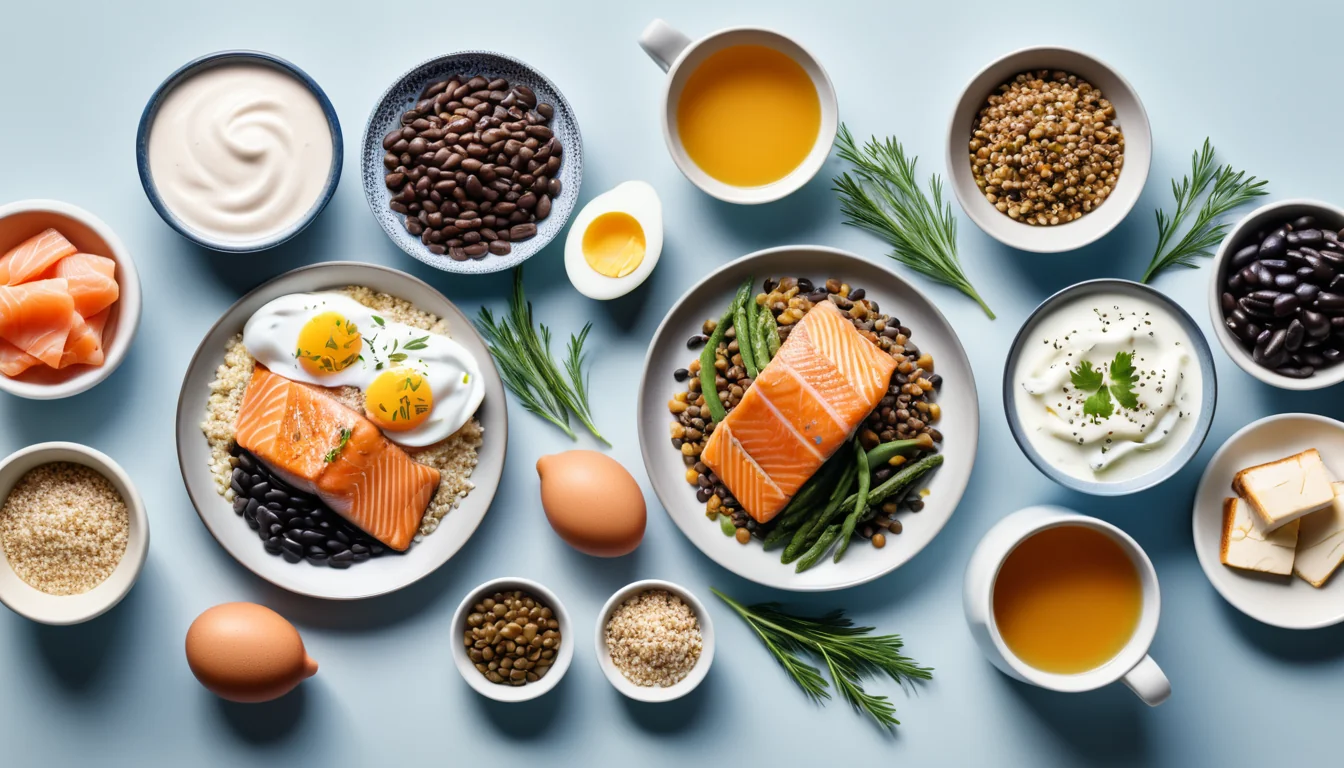
Good plant-based protein sources include:
- Legumes such as lentils, chickpeas, and black beans
- Whole grains such as quinoa, oats, and whole wheat bread
- Nuts and seeds such as almonds, hemp seeds, and pumpkin seeds
- Tofu, tempeh, and edamame
- Vegetables such as broccoli, peas, and spinach
Combining different plant proteins throughout the day, for example, rice with lentils or whole grain bread with nut butter, gives your body a full range of essential amino acids. Healthline outlines how plant-based eaters can easily get complete proteins from whole foods.
Does Animal Protein Cause Health Problems?
Research suggests that diets very high in animal protein may carry health risks over time. Eating large amounts of red meat and processed meat has been linked to higher risks of heart disease and certain cancers.
Furthermore, very high protein intake from any source can put extra strain on your kidneys. This is especially important for people who already have kidney problems. A balanced approach, drawing protein from both plant and animal sources, is generally the most sensible strategy.
Risks of Eating Too Much Protein
Many Canadians focus on getting enough protein, but few consider the risks of eating too much. Consistently eating far more protein than your body needs is not harmless.
Research has linked very high protein diets to several health concerns:
- Kidney strain: Your kidneys work harder to filter the by-products of excess protein metabolism.
- Bone health: Very high protein intake may speed up calcium loss through urine, which can raise the risk of osteoporosis over time.
- Kidney stones: Excess protein, especially from animal sources, may increase the risk of kidney stones.
- Elevated cholesterol: High intake of animal protein is often paired with high saturated fat, which can raise blood cholesterol levels.
- Zinc loss: Some research suggests that very high protein diets may increase zinc loss from the body.
- Early maturation in children: Some evidence links very high protein intake in early childhood to faster physical development.
Therefore, more protein is not always better. The goal is to meet your needs consistently, not to exceed them dramatically.
When to See a Doctor
Most healthy Canadians do not need to worry about their protein intake if they eat a varied and balanced diet. However, there are some situations where it is worth talking to a healthcare professional.
You should speak with your family doctor or visit a walk-in clinic if you:
- Are losing muscle mass or feeling unusually weak
- Are following a very restrictive diet and feel unwell
- Have kidney disease or a family history of kidney problems
- Are pregnant, breastfeeding, or planning a pregnancy
- Are an athlete considering protein supplements
- Have recently been told you have high cholesterol or osteoporosis
Your family doctor can refer you to a registered dietitian through your provincial health plan. In many provinces, dietitian services are covered at no cost when referred by a physician. A dietitian can create a personalised eating plan based on your specific needs, lifestyle, and health goals.
Frequently Asked Questions About Protein
How much protein do I need per day in Canada?
Health Canada recommends about 0.8 grams of protein per kilogram of body weight per day for healthy adults. For most people, this works out to roughly 50 to 60 grams per day. Despite common protein myths, most Canadians already meet this amount through their regular diet.
Is plant protein as good as animal protein?
Yes, plant protein can fully meet your body’s needs when you eat a variety of plant foods throughout the day. One of the most persistent protein myths is that only meat can provide complete protein. Legumes, whole grains, nuts, seeds, and tofu are all excellent protein sources.
Does eating more protein build more muscle?
This is one of the most widespread protein myths. Muscles use glucose and fats for energy, not protein. While protein is needed for muscle repair and growth, eating far beyond your daily requirement does not automatically result in stronger or bigger muscles without exercise.
Can too much protein be harmful?
Yes, consistently eating too much protein can put strain on your kidneys, increase calcium loss from bones, and raise the risk of kidney stones. Very high protein diets, especially from animal sources, have also been linked to higher cholesterol levels. Balance is always key.
Do I need protein supplements to get enough protein?
For most Canadians, protein supplements are not necessary. A balanced diet with whole foods like legumes, dairy, eggs, meat, or tofu provides plenty of protein. Many protein myths are actually promoted by the supplement industry. Talk to your family doctor or a registered dietitian before starting any supplement.
What are the best high-protein foods for a balanced diet?
According to Health Canada’s dietary guidelines on protein intake, this information is supported by current medical research.
For more information, read our guide on plant protein vs animal protein in meat and legumes.
Some of the best protein sources include lentils, chickpeas, eggs, Greek yogurt, fish, chicken, tofu, and quinoa. A mix of plant and animal sources gives you a wide range of nutrients alongside your protein. Variety is one of the simplest ways to bust protein myths and eat well every day.
Key Takeaways
- Many common protein myths date back to flawed 19th-century science that has never been fully corrected in popular culture.
- Most healthy Canadian adults need only about 0.8 grams of protein per kilogram of body weight per day, roughly 50 to 60 grams total.
- Muscles run on glucose and fats, not protein. Eating more protein does not automatically make you stronger.
- Plant-based foods can fully meet your protein needs when you eat a variety of them throughout the day.
- Eating too much protein can harm your kidneys, weaken your bones, and raise your risk of kidney stones over time.
- If you have specific health concerns about your diet, speak with your family doctor or ask for a referral to a registered dietitian through your provincial health plan.
Frequently Asked Questions
What are the most common protein myths Canadians believe?
Common protein myths include the belief that you need protein immediately after exercise, that plant protein is inferior to animal protein, and that eating more protein always builds more muscle. Canadian nutrition experts confirm that total daily intake, not timing or source, matters most for overall health and muscle maintenance.
What are the signs of protein deficiency in adults?
Signs of protein deficiency include persistent fatigue, muscle weakness, slow wound healing, brittle nails, thinning hair, and frequent illness. Swelling in the legs or abdomen can indicate severe deficiency. Most healthy Canadian adults consuming balanced diets rarely experience true protein deficiency without an underlying medical condition.
How much protein do Canadians actually need per day?
Health Canada recommends 0.8 grams of protein per kilogram of body weight daily for average adults. Active individuals and older adults may need 1.2 to 2.0 grams per kilogram. Contrary to popular protein myths, consuming significantly more than this does not provide additional health or muscle-building benefits.
Can eating too much protein harm your kidneys?
For healthy individuals, high protein intake does not damage kidneys. However, people with existing kidney disease should limit protein consumption under medical supervision. This is one of the most misunderstood protein myths. If you have diabetes or hypertension, which are leading causes of kidney disease in Canada, consult your doctor before increasing protein intake.
When should Canadians see a doctor about their protein intake?
See a doctor if you experience unexplained muscle loss, persistent fatigue, unusual swelling, or significant unintentional weight changes. Canadians with chronic conditions like kidney disease, diabetes, or cancer should consult a registered dietitian before making major dietary protein changes, as individual needs differ substantially from general population guidelines.

About the Author
Dr. Sarah Mitchell, MDDr. Sarah Mitchell is a board-certified family physician with over 15 years of clinical experience. She completed her MD at the University of Toronto and her residency at Toronto General Hospital. Dr. Mitchell specializes in preventive medicine and chronic disease management. She is a member of the College of Family Physicians of Canada (CFPC) and has published over 30 peer-reviewed articles on preventive health care.
View all articles →