Diet and Disease: How Food Choices Affect Health Canada

Share
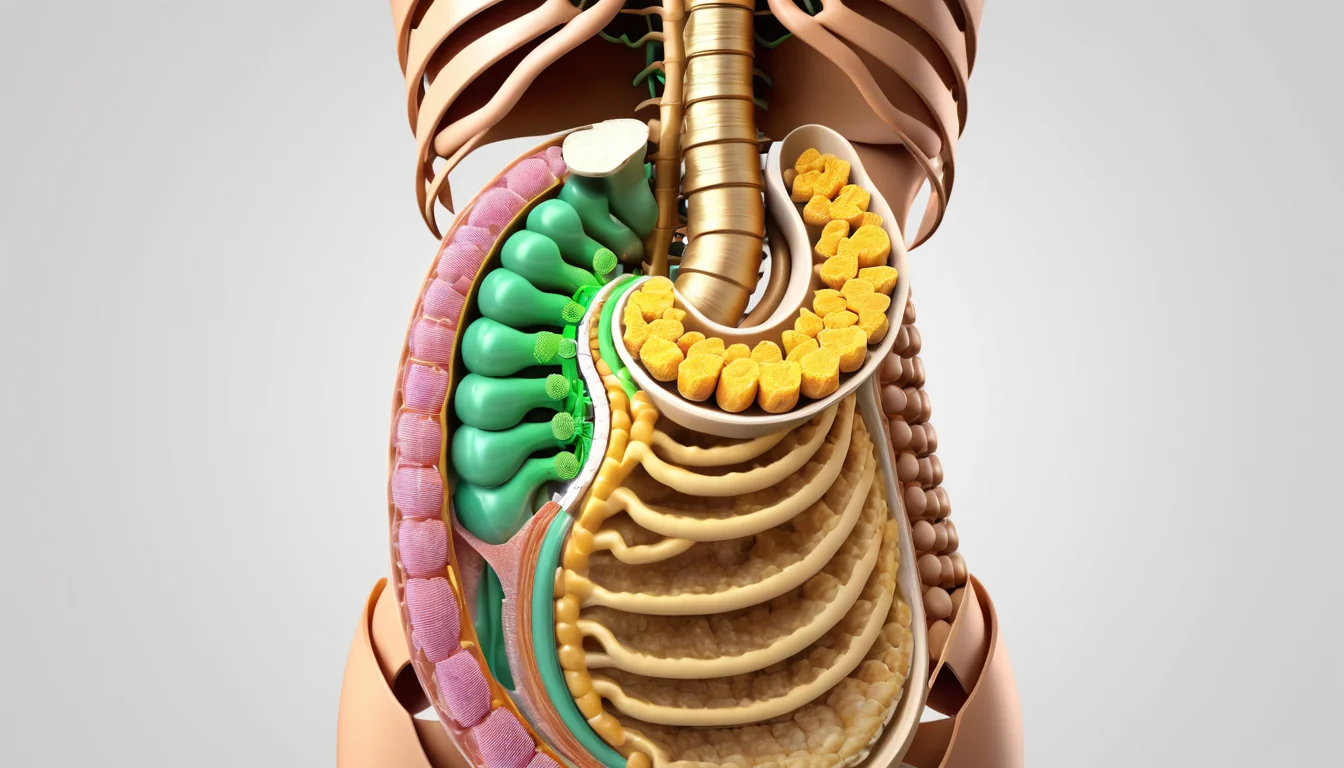
The connection between diet and disease is one of the most critical areas of modern health research, and it matters deeply for Canadians navigating rising rates of chronic illness. What you eat every day directly influences your bones, your digestive system, your heart, and even your risk of developing cancer. This article breaks down the science behind key nutrients and explains how simple food changes can protect your long-term health.
Understanding Diet and Disease: The Nutrients That Matter Most
Understanding calcium and bone health, the role of vitamin D in Canada’s limited-sunlight climate, and how dietary fibre helps prevent serious diseases gives you the power to make smarter choices at every meal. Whether you shop at a local grocery store or grow your own food, the evidence is clear — nutrition is your first line of defence. As always, speak with your family doctor or visit a walk-in clinic before making major changes to your diet or starting supplements.
Calcium, Diet, and Disease: What You Need to Know
| Dietary Risk Factor | Associated Disease Impact | Severity Level | Prevention Strategy |
|---|---|---|---|
| High sodium intake (exceeding 2,300 mg/day) | Increases blood pressure, raising risk of heart disease and stroke — leading causes of death in Canada | High | Choose low-sodium foods, limit processed meats, and cook at home using herbs instead of salt |
| Excess added sugar consumption | Contributes to type 2 diabetes, obesity, and non-alcoholic fatty liver disease | High | Replace sugary beverages with water, read nutrition labels, and limit sweets and ultra-processed foods |
| Low fibre diet | Linked to colorectal cancer (the second most common cancer in Canada), constipation, and elevated cholesterol | Moderate to High | Increase intake of vegetables, legumes, whole grains, and fruits as recommended by Canada’s Food Guide |
| High intake of saturated and trans fats | Raises LDL cholesterol levels, increasing risk of cardiovascular disease and atherosclerosis | High | Choose unsaturated fats from sources like olive oil, avocados, and nuts; limit red and processed meats |
| Low calcium and vitamin D intake | Accelerates bone density loss, increasing risk of osteoporosis — affecting approximately 2 million Canadians | Moderate | Consume dairy or fortified plant-based alternatives, fatty fish, and consider vitamin D supplementation during winter months |
| Frequent consumption of ultra-processed foods | Associated with increased risk of obesity, metabolic syndrome, depression, and certain cancers | High | Follow Canada’s Food Guide by prioritizing whole foods, cooking meals at home, and reducing reliance on packaged products |
Calcium is one of the most essential minerals in the human body. It builds strong bones and teeth, helps muscles contract, supports nerve function, and plays a role in blood clotting. Over 90% of the calcium in your body is stored in your bones.
Your calcium needs change throughout your life. Children, pregnant women, and people going through menopause all need more calcium than the average adult. According to Health Canada, most Canadians do not get enough calcium from food alone.
How Much Calcium Do You Need Each Day?
The recommended daily intake of calcium varies by age and life stage. Here is a general guide:
- Children aged 1–10: 800–1,200 mg per day
- Ages 11–24: 1,200–1,500 mg per day
- Adults: approximately 1,000 mg per day
- Women at menopause: 1,500 mg per day
However, studies show that the average young adult consumes only 500–700 mg of calcium per day. That is well below the recommended amount. This gap puts many Canadians at risk for bone-related diseases later in life.
Best Food Sources of Calcium
Dairy products remain the richest and most accessible source of calcium. They also contain magnesium and vitamin D, which help your body absorb and use calcium more effectively. Here are some common calcium-rich foods and how much they contain:
- 1 glass of milk (250 ml): approximately 300 mg
- 175 ml of yogurt: approximately 300 mg
- 100 g of tofu: approximately 250 mg
- 100 g of canned sardines: approximately 250 mg
- 100 g of canned salmon: approximately 200 mg
- 100 ml of ice cream: approximately 85 mg
In addition, broccoli, cauliflower, soybeans, peas, lentils, and egg yolks all provide meaningful amounts of calcium. A varied diet that includes these foods regularly can make a real difference.
Osteoporosis: When Diet and Disease Collide
Osteoporosis is a disease that causes bones to become weak, brittle, and more likely to break. It develops when bones lose calcium and phosphorus faster than the body can replace them. In Canada, osteoporosis affects an estimated 2 million people, and many do not know they have it until a fracture occurs.
The bones affected by osteoporosis become spongy and fragile on the inside. As a result, even a minor fall or bump can lead to a serious fracture — especially in the hip, spine, or wrist. The danger is that symptoms often appear very late, after significant bone loss has already occurred.
The Role of Vitamin D in Bone Health
Calcium alone is not enough to protect your bones. Vitamin D is equally important, because it helps your body absorb calcium properly. Research shows that people with low vitamin D levels absorb less than 10% of the calcium they consume through food.
In other words, even if you eat plenty of calcium-rich foods, a vitamin D deficiency can make that calcium almost useless to your body. The recommended daily intake of vitamin D is around 200 IU for adults and 400–600 IU for older adults. Good food sources of vitamin D include whole milk, salmon, sardines, and fortified cereals. Because Canada has limited sunlight for much of the year, many Canadians are at higher risk of vitamin D deficiency. For more information, visit the Mayo Clinic’s guide to osteoporosis.
Calcium Supplements: Are They Right for You?
If you cannot get enough calcium from food, supplements are a reasonable option. However, not all calcium supplements work the same way. Here are the main types:
- Calcium citrate: Easy to absorb and can be taken at any time of day, with or without food.
- Calcium carbonate: The most common type. It is best taken after a meal because it needs stomach acid to be absorbed properly.
- Calcium lactate or gluconate: These forms contain less elemental calcium, so you may need to take more to get the same benefit.
Many supplements also contain magnesium, zinc, and vitamin D to improve absorption. Always check with your pharmacist or family doctor before starting a new supplement, especially if you take other medications.
Dietary Fibre and Disease Prevention
Fruits and vegetables do more than provide vitamins and minerals. They also deliver dietary fibre — and the connection between diet and disease, particularly digestive cancers, is strongly tied to how much fibre you eat. Clinical studies consistently show that low fibre intake is linked to a higher risk of constipation, bowel disease, and colorectal cancer.
There are two main types of dietary fibre, and each works differently in your body. Understanding both can help you make smarter food choices every day.
Soluble Fibre: The Cholesterol and Blood Sugar Helper
Soluble fibre dissolves in water and forms a gel-like substance during digestion. This slows down how quickly food moves through your digestive system. As a result, it helps steady blood sugar levels and reduces the absorption of cholesterol from food.
Furthermore, soluble fibre helps remove harmful substances from the body before they can cause damage. Good sources of soluble fibre include apples (which are rich in pectin), nuts, seeds, dried beans, lentils, and peas.
Insoluble Fibre: The Digestive Mover
Insoluble fibre does not dissolve in water. Instead, it adds bulk and volume to your stool and speeds up how quickly waste moves through your intestines. This helps prevent constipation — which is itself a significant risk factor for colorectal cancer.
You will find insoluble fibre in whole grains, wheat bran, brown rice, and most vegetables. A diet rich in both types of fibre is the most effective approach for digestive health.
Fibre, Fruits, Vegetables, and Cancer Risk
Eating 5 to 9 servings of fruits and vegetables every day can help reduce your risk of colon and rectal cancer. This protective effect comes from several directions at once. Fruits and vegetables provide antioxidants, vitamins, and minerals that help your immune system fight disease. Their fibre content also prevents constipation, which reduces the time that potentially harmful substances stay in contact with the lining of your bowel.
According to the World Health Organization, diet is one of the most modifiable risk factors for cancer worldwide. Choosing a plant-rich diet is one of the most practical steps Canadians can take to lower their cancer risk over a lifetime.
Simple Ways to Add More Fibre to Your Diet
Adding more fibre does not have to be complicated. Here are some easy strategies that fit into a busy Canadian lifestyle:
- Choose whole grain bread, pasta, and brown rice over refined white versions.
- Add a handful of berries or sliced apple to your breakfast.
- Swap chips for raw vegetables with hummus as a snack.
- Add lentils or chickpeas to soups, salads, and stews.
- Aim for at least one fruit or vegetable at every meal.
Increase your fibre intake gradually to avoid digestive discomfort such as bloating or gas. Drinking plenty of water throughout the day also helps fibre work more effectively in your body.
When to See a Doctor
If you are concerned about your bone health, calcium levels, or digestive symptoms, it is worth talking to a healthcare professional. Your family doctor can order a bone density scan if osteoporosis is a concern, especially if you are a woman over 50 or have a family history of the condition.
If you do not have a family doctor, a walk-in clinic can assess your symptoms and refer you for testing if needed. Many provincial health plans in Canada cover bone density screening for eligible patients. Do not wait for a fracture or serious digestive problem to seek advice — early assessment makes a big difference in outcomes.
What is the connection between diet and disease?
The relationship between diet and disease is well established by scientific research. What you eat affects your risk of conditions like osteoporosis, colorectal cancer, heart disease, and type 2 diabetes. Eating a balanced diet rich in calcium, fibre, fruits, and vegetables is one of the most effective ways to reduce your disease risk.
How much calcium do adults need to prevent osteoporosis?
Most adults need around 1,000 mg of calcium per day to support bone health. Women going through menopause may need up to 1,500 mg per day. Getting enough calcium throughout your life — not just in childhood — is one of the best ways to reduce your risk of osteoporosis.
Does dietary fibre really help prevent cancer?
Yes, research shows that a high-fibre diet is linked to a lower risk of colorectal cancer. Dietary fibre speeds up digestion, reduces constipation, and helps remove potentially harmful substances from the bowel. Eating 5 to 9 servings of fruits and vegetables daily provides protective fibre along with important antioxidants and vitamins.
Is vitamin D important for bone health in Canada?
Vitamin D is essential for absorbing calcium properly, making it a critical nutrient for bone health. Because Canada has limited sunlight in fall and winter, many Canadians are at risk of low vitamin D levels. Health Canada recommends that adults, especially those over 50, consider a vitamin D supplement and speak with their doctor about their personal needs.
What are the best food sources of calcium in Canada?
Dairy products like milk, yogurt, and cheese are the richest sources of calcium and are widely available across Canada. Non-dairy sources include tofu, canned salmon, canned sardines, broccoli, lentils, and fortified plant-based milks. Eating a variety of these foods each day helps you meet your daily calcium needs without relying on supplements alone.
Should I take calcium supplements if I don’t eat much dairy?
According to Health Canada’s dietary guidelines, this information is supported by current medical research.
For more information, read our guide on spinach health benefits for calcium and bone health.
If your diet does not include enough calcium-rich foods, a supplement may be helpful. Calcium citrate is a good option because it can be taken at any time and is easily absorbed. However, always talk to your family doctor or pharmacist before starting any supplement, as taking too much calcium can have side effects.
Key Takeaways
- The link between diet and disease is clear — what you eat directly influences your risk of osteoporosis, digestive disorders, and certain cancers.
- Most Canadians do not get enough calcium. Aim for 1,000–1,500 mg per day through food or supplements, depending on your age and life stage.
- Vitamin D is essential for calcium absorption. Low vitamin D makes dietary calcium far less effective, which is especially important in Canada’s climate.
- Dietary fibre from fruits, vegetables, and whole grains helps prevent constipation and reduces the risk of colorectal cancer.
- Eating 5 to 9 servings of fruits and vegetables each day provides fibre, antioxidants, and vitamins that support overall health.
- Talk to your family doctor or visit a walk-in clinic if you have concerns about your bone health, nutrition, or digestive symptoms.
Frequently Asked Questions
What is the link between diet and disease?
The link between diet and disease refers to how food choices directly influence your risk of developing chronic conditions. Poor nutrition contributes to heart disease, type 2 diabetes, obesity, and certain cancers. Conversely, a balanced diet rich in vegetables, whole grains, and lean proteins helps prevent illness and supports long-term health.
How does diet and disease prevention work in Canada?
Canada’s food guidelines recommend eating plenty of vegetables, fruits, whole grains, and plant-based proteins to reduce disease risk. Following these guidelines lowers inflammation, regulates blood sugar, and maintains healthy cholesterol levels. Health Canada emphasizes limiting ultra-processed foods, sodium, and added sugars as key steps in disease prevention.
What are the warning signs that your diet is affecting your health?
Warning signs include persistent fatigue, unexplained weight gain or loss, digestive problems, high blood pressure, elevated cholesterol, and frequent illness. Nutritional deficiencies may cause brittle nails, hair loss, or brain fog. These symptoms often indicate that poor dietary habits are negatively impacting your body’s ability to function properly.
Can changing your diet reverse chronic disease symptoms?
Yes, dietary changes can significantly improve or partially reverse certain chronic conditions. Type 2 diabetes, high blood pressure, and cardiovascular disease often respond well to improved nutrition. A whole-food, plant-forward diet can lower blood sugar, reduce inflammation, and improve heart health, though results vary and medical supervision is recommended.
When should you see a doctor about diet-related health concerns?
See a doctor if you experience persistent fatigue, rapid weight changes, digestive issues, or have been diagnosed with high blood pressure, elevated cholesterol, or blood sugar abnormalities. Canadians should also consult a physician or registered dietitian before making major dietary changes, especially when managing an existing chronic disease or condition.

About the Author
Dr. Michael Ross, MD, FRCSCDr. Michael Ross is a fellowship-trained orthopedic surgeon at the University of Alberta Hospital, specializing in joint replacement and sports medicine. A Fellow of the Royal College of Surgeons of Canada (FRCSC), he has over 18 years of surgical experience and has authored multiple textbook chapters on musculoskeletal health. Dr. Ross is passionate about patient education and evidence-based medicine.
View all articles →