
Body Detox: 6 Natural Ways to Remove Toxins (Canada)

Share
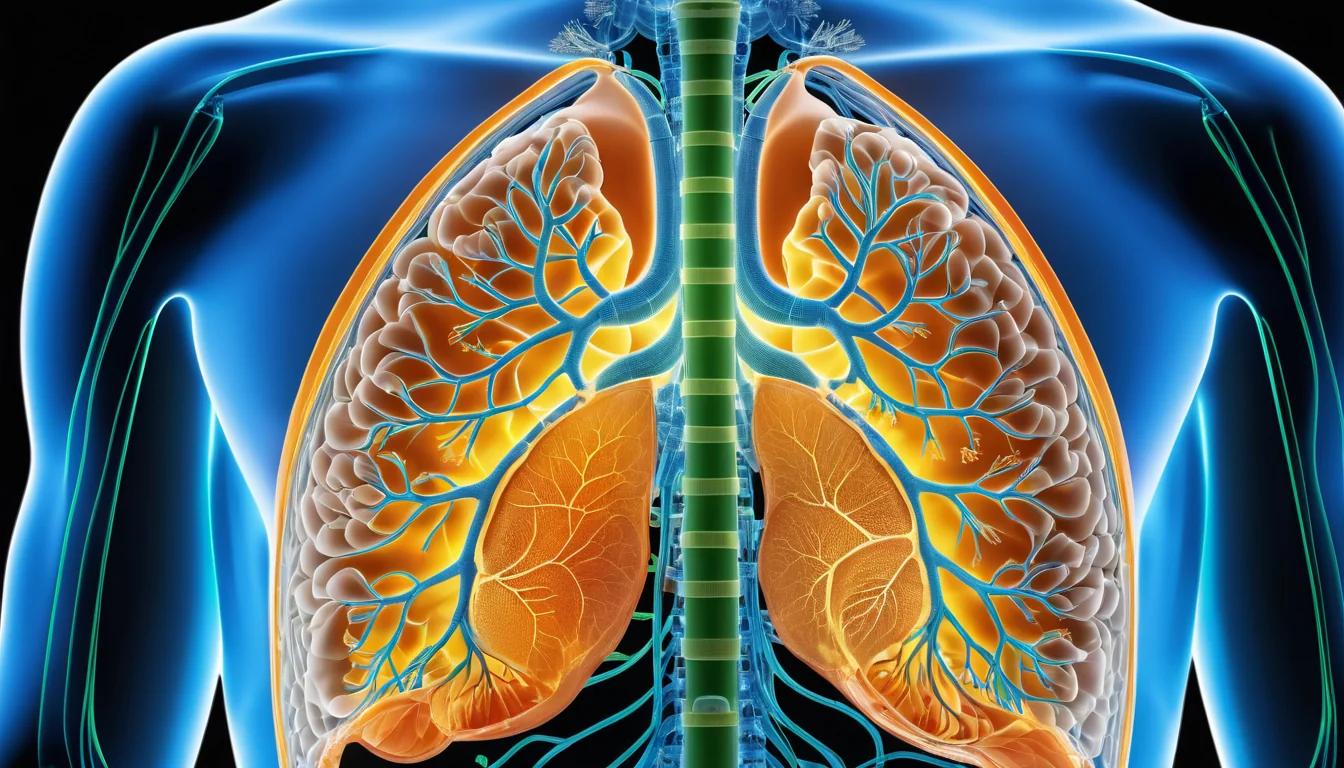
A body detox is one of the most searched health topics in Canada — and for good reason. Millions of Canadians want to feel less sluggish, eat better, and take real steps to support their overall wellness. But before you spend money on expensive juice cleanses or supplement kits, it helps to understand what detoxification actually means and what science says about it.
What Is a Body Detox and How Does It Really Work?
The truth is, your body already has a powerful built-in system designed to remove toxins naturally every single day. Your liver filters harmful substances from your blood, your kidneys flush waste through urine, and your lungs expel carbon dioxide with every breath. Instead of relying on trendy products, you can support these organs with simple, evidence-based natural detox methods that any Canadian can start using right away — no special purchases required.
What Is a Body Detox, Really?
| Detox Method | Key Benefits | How It Works | Important Considerations |
|---|---|---|---|
| Hydration (Water Intake) | Flushes waste through kidneys; supports cellular function | Kidneys filter approximately 200 litres of blood daily, excreting waste in urine | Health Canada recommends approximately 2–3 litres of fluid daily; excess intake can cause hyponatremia |
| High-Fibre Diet | Promotes healthy bowel movements; binds to toxins in the gut | Soluble and insoluble fibre support liver and colon function to eliminate waste | Increase fibre gradually to avoid bloating; aim for 25–38 g per day per Canadian dietary guidelines |
| Regular Physical Activity | Stimulates lymphatic circulation; promotes sweating and waste elimination | Exercise increases blood flow, supporting liver and kidney detoxification pathways | Canadian Physical Activity Guidelines recommend 150 minutes of moderate activity per week |
| Quality Sleep | Allows brain’s glymphatic system to clear metabolic waste | During sleep, cerebrospinal fluid flushes toxins from brain tissue | Adults should aim for 7–9 hours per night; chronic sleep deprivation impairs detox processes |
| Limiting Alcohol Consumption | Reduces liver burden; improves liver enzyme levels | The liver metabolizes alcohol; reducing intake allows hepatic cells to recover and function optimally | Canada’s Guidance on Alcohol and Health recommends no more than 2 standard drinks per week |
| Antioxidant-Rich Foods | Neutralizes free radicals; supports liver detox enzymes | Compounds like glutathione and polyphenols assist Phase I and II liver detoxification | Emphasize berries, cruciferous vegetables, and green tea; avoid excessive supplementation without medical guidance |
You have probably seen detox teas, juice cleanses, and supplement kits at your local pharmacy or grocery store. These products promise to flush toxins out of your body. However, most of these claims are not backed by strong science.
Your liver filters harmful substances from your blood every single day. Your kidneys remove waste through urine. Your lungs expel carbon dioxide with every breath. These organs form a natural body detox system that is already working for you.
What you can do is support these organs through healthy daily habits. According to Health Canada, a balanced diet and healthy lifestyle are the foundation of good organ function. Let’s look at six evidence-based ways to give your body the support it needs.
1. Limit Alcohol to Support Your Liver
Your liver processes more than 90% of the alcohol you drink. When alcohol breaks down, it produces a chemical called acetaldehyde. This substance is classified as a carcinogen — meaning it is toxic and potentially cancer-causing.
When you drink heavily or regularly, your liver becomes overworked. As a result, it struggles to filter out other harmful substances in your blood. This creates a backlog of toxins in your body.
To support your liver, try to limit alcohol to just a few drinks per week. Cutting it out completely — or nearly completely — gives your liver the best chance to function well. Even small reductions can make a noticeable difference in how you feel.
2. Prioritise Quality Sleep Every Night
Sleep is one of the most powerful and underrated tools for a natural body detox. While you sleep, your brain and organs go through a deep cleaning process. Your liver, kidneys, and digestive system all remove waste and repair damage during these overnight hours.
When you do not get enough sleep, this process is interrupted. Toxins that should have been cleared away begin to build up. Over time, poor sleep is linked to inflammation, weakened immunity, and organ stress.
Most adults need between 7 and 9 hours of sleep per night. Try to go to bed at the same time each night to build a consistent routine. If you have ongoing trouble sleeping, speak with your family doctor — it may be a sign of an underlying issue worth addressing.
Tips for Better Sleep
- Avoid screens for at least 30 minutes before bed
- Keep your bedroom cool and dark
- Limit caffeine after 2 p.m.
- Try to wake up at the same time every morning, even on weekends
3. Drink More Water Throughout the Day
Water is essential to every detox process in your body. It carries waste products — including urea and carbon dioxide — out of your cells and into your kidneys and lungs, where they are expelled.
Without enough water, your kidneys cannot filter waste effectively. Your body also uses water to regulate temperature, support digestion, and transport nutrients. Staying hydrated is one of the simplest things you can do to support your natural body detox system.
General guidelines suggest men aim for about 3.7 litres of fluid per day, and women aim for about 2.7 litres. These amounts include water from food as well as drinks. Your needs may be higher if you are active, if the weather is hot, or if you eat a high-fibre diet.
A simple rule: if your urine is pale yellow, you are likely well-hydrated. If it is dark yellow or amber, drink more water.
4. Cut Back on Sugar and Processed Foods
Processed foods and sugary snacks are a major source of stress for your detox organs. Research consistently links high consumption of ultra-processed foods with chronic conditions like obesity, type 2 diabetes, and cardiovascular disease. These conditions directly damage the liver and kidneys — the two organs most responsible for removing toxins.
Furthermore, processed foods tend to generate more harmful byproducts during digestion than whole foods do. This means your body has more toxins to deal with, while its ability to handle them is reduced. It is a double problem.
The solution is straightforward: replace processed foods with whole, minimally processed options. According to the Mayo Clinic’s nutrition guidelines, a diet rich in fruits, vegetables, whole grains, and lean proteins supports long-term organ health.
Easy Food Swaps to Try
- Choose whole grain bread instead of white bread
- Snack on fresh fruit instead of packaged cookies or chips
- Cook meals at home more often to control ingredients
- Read food labels and avoid products with long ingredient lists
5. Eat More Antioxidant-Rich Foods
Antioxidants are natural compounds that protect your cells from damage. They work by neutralising harmful molecules called free radicals. When free radicals build up unchecked, they cause oxidative stress — a process that damages cells, tissues, and organs over time.
A diet rich in antioxidants helps reduce oxidative stress and supports your body’s natural body detox processes. In addition, antioxidants help lower inflammation, which is linked to almost every chronic disease.
The key antioxidant nutrients to focus on include:
- Vitamin A — found in carrots, sweet potatoes, and leafy greens
- Vitamin C — found in citrus fruits, bell peppers, and strawberries
- Vitamin E — found in nuts, seeds, and sunflower oil
- Selenium — found in Brazil nuts, eggs, and whole grains
- Lycopene — found in tomatoes, watermelon, and pink grapefruit
It is best to get these nutrients from whole foods rather than supplements. Not all supplements are safe or effective, and food sources are almost always better absorbed by your body. Green tea, coffee, dark cacao, and colourful vegetables are also excellent sources of antioxidants to add to your daily routine.
6. Add Prebiotic Foods for a Healthy Gut
Your gut is a key part of your body’s detox system. The cells lining your intestines act as a barrier, blocking harmful substances from entering your bloodstream. When your gut is healthy, this barrier works well. When it is not, toxins can leak through — a problem sometimes called intestinal permeability.
Prebiotics are a type of dietary fibre that feeds the beneficial bacteria living in your gut. These good bacteria play a major role in keeping your intestinal lining strong and your immune system functioning properly. Without enough prebiotic fibre, harmful bacteria can take over and weaken your gut’s defences.
Good sources of prebiotic fibre include:
- Garlic and onions
- Bananas (especially slightly unripe ones)
- Oats and barley
- Asparagus and leeks
- Legumes such as lentils and chickpeas
As noted by Healthline’s guide to prebiotics and gut health, a fibre-rich diet consistently supports a balanced gut microbiome and better overall health outcomes. Try to include at least one prebiotic food in each of your daily meals.
When to See a Doctor
Most of the habits described in this article are safe and beneficial for the average healthy adult. However, if you are experiencing persistent fatigue, unexplained weight changes, swelling, or digestive problems, these could be signs that your liver, kidneys, or digestive system need medical attention.
Do not wait. Book an appointment with your family doctor or visit a walk-in clinic if you have concerns. Canadians covered by provincial health plans can access these services without extra cost. Your doctor can run simple blood and urine tests to check how well your detox organs are functioning.
If you are thinking about trying a commercial detox programme, detox tea, or supplement cleanse, always speak with a healthcare provider first. Many of these products are not regulated in Canada and may interact with medications or existing health conditions.
Does a body detox actually work?
Your body already performs a natural body detox every day through your liver, kidneys, and digestive system. Commercial detox products and cleanses have little scientific evidence behind them. Supporting your body with healthy habits like proper hydration, sleep, and whole foods is a far more effective approach.
How long does it take to detox your body naturally?
There is no fixed timeline because your body is constantly filtering and removing waste. However, many people notice improved energy, digestion, and skin within two to four weeks of adopting healthier habits like reducing alcohol, sleeping more, and eating more whole foods. Consistency is key to long-term results.
What foods help cleanse the liver?
Foods that support liver health include leafy greens, cruciferous vegetables like broccoli and cabbage, garlic, turmeric, and foods rich in antioxidants such as berries and citrus fruits. Reducing your intake of alcohol, processed foods, and added sugar is equally important for keeping your liver functioning well as part of a healthy body detox routine.
How much water should I drink to help remove toxins?
General health guidelines recommend approximately 3.7 litres of fluid per day for men and 2.7 litres per day for women, including water from food sources. Your needs may be higher depending on your activity level, diet, and the climate where you live. Pale yellow urine is a good sign that you are drinking enough to support your body’s natural detox processes.
Are detox teas and cleanses safe in Canada?
Many detox teas and commercial cleanse products are not thoroughly regulated and may contain ingredients that interact with medications or cause side effects. Health Canada advises Canadians to be cautious about natural health product claims. Always speak with your family doctor or a pharmacist before trying any detox supplement or programme.
Can poor sleep really affect how my body removes toxins?
According to Health Canada’s guidelines on nutrition and healthy living, this information is supported by current medical research.
For more information, read our guide on processed foods and how to choose healthier options in Canada.
Yes — sleep is a critical time for your body’s natural body detox system. During sleep, your brain clears out waste products, and your liver and kidneys process the day’s accumulated toxins. Consistently getting less than seven hours per night can impair these processes and lead to a build-up of harmful substances over time.
Key Takeaways
- Your body already has a powerful body detox system — your liver, kidneys, and gut do this work every day.
- Limiting alcohol gives your liver the best chance to filter toxins effectively.
- Sleeping 7 to 9 hours per night is essential for overnight cellular repair and waste removal.
- Staying well-hydrated helps your kidneys flush out waste products like urea.
- Cutting back on sugar and processed foods reduces the toxic load on your organs.
- Antioxidant-rich foods — like berries, leafy greens, and nuts — protect your cells from oxidative damage.
- Prebiotic fibre from foods like oats, garlic, and legumes supports a healthy gut barrier.
- If you have health concerns, speak with your family doctor or visit a walk-in clinic covered by your provincial health plan.
Frequently Asked Questions
What is a body detox and how does it work?
A body detox is a process that supports your liver, kidneys, and digestive system in eliminating harmful substances. Rather than commercial cleanses, natural body detox involves drinking adequate water, eating fibre-rich foods, reducing alcohol, and prioritizing sleep — all of which enhance your body’s built-in detoxification mechanisms.
What are the signs that your body needs to detox?
Common signs include persistent fatigue, bloating, skin breakouts, brain fog, frequent headaches, and digestive issues. These symptoms may indicate your liver or digestive system is under stress. However, these signs can also signal underlying health conditions, so consult a Canadian healthcare provider before starting any detox program.
What are the best natural ways to detox your body at home?
The most effective natural body detox methods include staying well-hydrated, eating antioxidant-rich vegetables and fruits, exercising regularly, improving sleep quality, reducing processed food and alcohol intake, and supporting gut health with probiotic foods like yogurt and kefir — all of which strengthen your body’s natural elimination processes.
How can you prevent toxin buildup in your body?
Preventing toxin buildup involves consistent healthy habits: drinking 8–10 glasses of water daily, eating a whole-foods diet, limiting alcohol and ultra-processed foods, exercising at least 150 minutes weekly, and avoiding smoking. These lifestyle choices keep your liver and kidneys functioning optimally for ongoing natural detoxification.
When should you see a doctor instead of trying a detox?
See a doctor if you experience severe fatigue, unexplained weight loss, yellowing skin or eyes, persistent nausea, or dark urine — these may signal serious liver or kidney conditions requiring medical treatment. Commercial detox products are not regulated in Canada and should never replace professional medical evaluation and care.

About the Author
Dr. Sarah Mitchell, MDDr. Sarah Mitchell is a board-certified family physician with over 15 years of clinical experience. She completed her MD at the University of Toronto and her residency at Toronto General Hospital. Dr. Mitchell specializes in preventive medicine and chronic disease management. She is a member of the College of Family Physicians of Canada (CFPC) and has published over 30 peer-reviewed articles on preventive health care.
View all articles →