Disordered Eating: What Every Canadian Should Know (2025)

Share
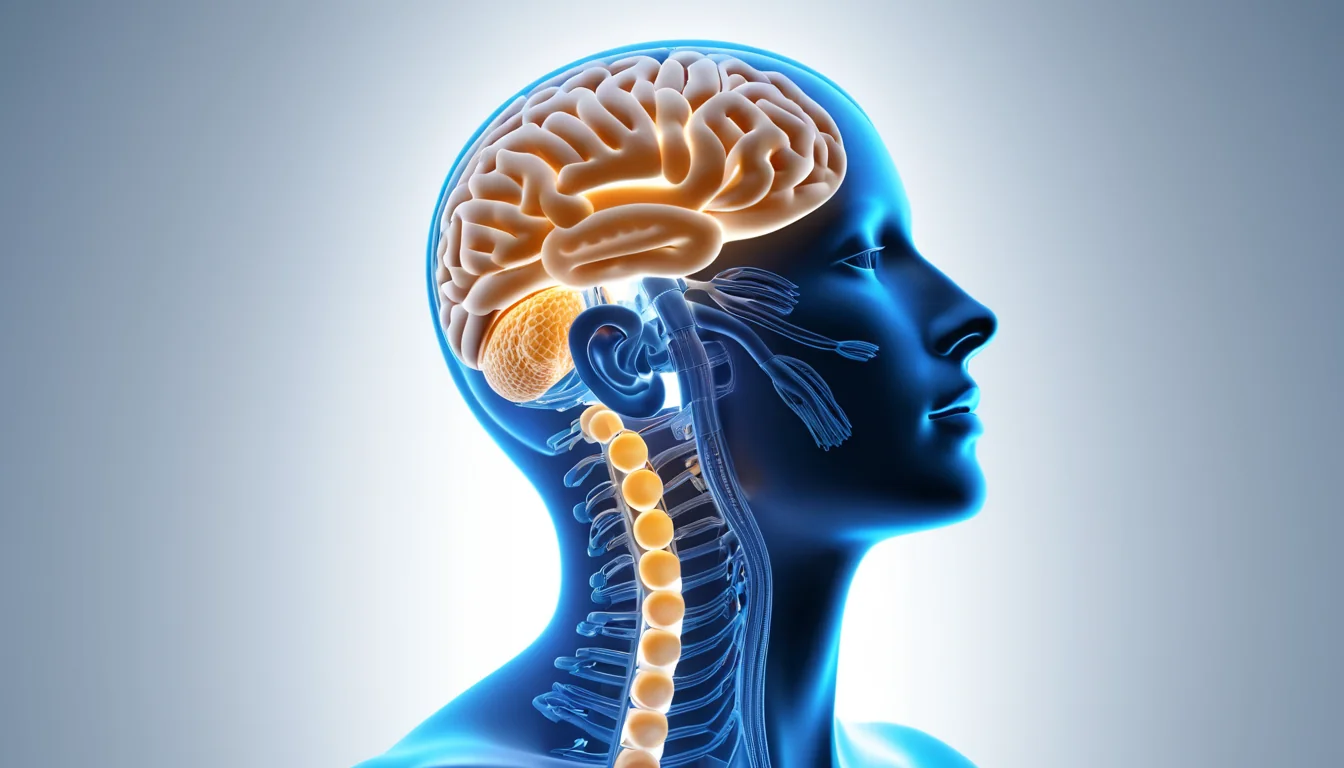
Disordered eating is a term that describes unhealthy food habits and behaviours that fall short of a full eating disorder diagnosis but can still cause serious harm to your overall well-being. Millions of Canadians struggle with these patterns, often without realizing that their habits have crossed into unhealthy territory. Understanding the issue is the essential first step toward positive change.
What Is Disordered Eating and Why Should Canadians Care?
What makes disordered eating so difficult to identify is that it often hides behind socially accepted behaviours like chronic dieting, skipping meals, or obsessive calorie counting. These signs of disordered eating may seem harmless at first, but over time they can damage your physical, mental, and emotional health. Whether you are personally affected or supporting a loved one, this guide will help you recognize the warning signs and learn when to seek professional help in Canada.
What Is Disordered Eating?
| Type | Key Characteristics | Prevalence in Canada | Management Approach |
|---|---|---|---|
| Anorexia Nervosa | Severe restriction of food intake, intense fear of weight gain, distorted body image, BMI often below 17.5 | Affects approximately 1–2% of Canadians; highest mortality rate of any mental health disorder | Nutritional rehabilitation, cognitive behavioural therapy (CBT), medical monitoring, family-based therapy for adolescents |
| Bulimia Nervosa | Recurrent binge eating followed by compensatory behaviours such as purging, fasting, or excessive exercise | Affects approximately 1–3% of Canadians; more common in women aged 16–40 | CBT, dialectical behaviour therapy (DBT), antidepressant medication (SSRIs), nutritional counselling |
| Binge Eating Disorder (BED) | Repeated episodes of eating large quantities of food rapidly, accompanied by feelings of loss of control and shame | Most common eating disorder in Canada, affecting approximately 2–3% of the population | CBT, interpersonal therapy, guided self-help programs, medication such as lisdexamfetamine (Vyvanse) |
| Avoidant/Restrictive Food Intake Disorder (ARFID) | Extreme food selectivity or avoidance unrelated to body image concerns; often linked to sensory sensitivities or fear of choking | Emerging diagnosis; estimated to affect 3–5% of children and a growing number of adults in Canada | Exposure-based therapy, occupational therapy, nutritional support, multidisciplinary team care |
| Orthorexia | Obsessive focus on eating only foods deemed “pure” or “healthy,” leading to significant dietary restriction and social impairment | Not yet formally classified in Canada’s DSM-5 diagnostic guidelines; prevalence estimated at 1–7% of the general population | CBT, mindfulness-based interventions, registered dietitian support, psychoeducation on balanced nutrition |
Think of eating behaviour as a spectrum. At one end is healthy, balanced eating. At the other end are full eating disorders like anorexia nervosa or bulimia. Disordered eating sits somewhere in the middle.
A person with disordered eating does not meet the clinical criteria for a diagnosed eating disorder. However, their relationship with food is far from healthy. These patterns can still cause real harm over time.
It is important to take disordered eating seriously. Many people dismiss their habits as “just being healthy” or “watching what they eat.” However, some of these habits cross a line that can put your health at risk. According to Health Canada, mental and physical wellness are closely connected to how we nourish our bodies.
Common Signs of Disordered Eating
Disordered eating can look different from person to person. Some signs are obvious, while others are easy to overlook. Here are some common behaviours associated with disordered eating.
- Cutting out entire food groups without a medical reason
- Skipping meals regularly or restricting how much you eat
- Feeling strong guilt, shame, or anxiety around food
- Exercising to “make up for” food you have eaten
- Strict food rules or rituals around eating
- Eating past the point of fullness on a regular basis
- Using laxatives or making yourself vomit to control your weight
- Obsessively counting calories or tracking every bite
- Weighing yourself or measuring your body frequently
- Only eating foods you consider “clean” or “pure”
- Fasting to lose weight
- Following fad diets to try to change your body shape
If several of these sound familiar, it may be worth speaking with your family doctor or a registered dietitian. You do not need a formal diagnosis to ask for help.
Disordered Eating vs. Eating Disorders: What Is the Difference?
Disordered eating and clinical eating disorders involve many of the same behaviours. This makes it hard to know exactly where one ends and the other begins. In fact, the line between the two can vary from person to person.
Generally speaking, the difference comes down to frequency and severity. Eating disorders are considered more serious conditions. A person with an eating disorder will engage in harmful behaviours more often and with a greater impact on their overall health.
However, this does not mean disordered eating is harmless. Both are linked to poorer mental and physical health outcomes. Anyone who wants to improve their relationship with food deserves support, regardless of whether they have a formal diagnosis.
The Eight Categories of Eating Disorders
It helps to understand what eating disorders actually are. There are eight recognised categories.
- Anorexia nervosa – severely restricting food intake due to fear of weight gain
- Bulimia nervosa – cycles of binge eating followed by purging behaviours
- Binge eating disorder – recurring episodes of eating large amounts of food
- Avoidant/Restrictive Food Intake Disorder (ARFID) – extreme food avoidance not related to body image
- Pica – eating non-food substances
- Rumination disorder – repeatedly regurgitating food
- Other Specified Feeding or Eating Disorder (OSFED) – includes purging disorder, night eating syndrome, atypical anorexia, and orthorexia
- Unspecified Feeding or Eating Disorder (UFED) – disordered eating that does not fit other categories
For a deeper look at eating disorders, the Mayo Clinic’s guide to eating disorders is a reliable and easy-to-understand resource.
The Risks of Disordered Eating
Even without a formal diagnosis, disordered eating carries real health risks. These are not just short-term problems. Over time, harmful eating patterns can lead to serious consequences.
Physical health risks include nutritional deficiencies, hormonal imbalances, cardiovascular damage, and a weakened metabolism. Disordered eating can also lead to long-term digestive problems and bone loss.
Mental health risks are just as serious. Disordered eating is strongly linked to anxiety, depression, and psychological distress. It can also damage your self-esteem and how you feel about your body.
Furthermore, people who engage in disordered eating face a much higher risk of developing a full eating disorder. This is especially true for teenagers and young adults. Research shows that teenagers who diet moderately are five times more likely to develop an eating disorder. Those who follow extreme restrictions are up to eighteen times more likely. These numbers are significant and should not be ignored.
Fad Diets and Disordered Eating
Many popular diets actively encourage behaviours that are considered disordered eating. This is one reason some health professionals consider following any weight-loss diet to be a warning sign.
A fad diet is a sudden and dramatic change in eating habits aimed at losing weight quickly. These diets often go viral on social media and may be promoted by celebrities or influencers. However, they are rarely backed by solid science.
Fad diets often involve fasting, cutting entire food groups, eating only one type of food, severely limiting calories, or consuming supplements or products that are not actual food. These approaches can do more harm than good.
What About Keto and Gluten-Free Diets?
Some diets, like ketogenic and gluten-free eating plans, are genuinely necessary for people with certain medical conditions. For example, a gluten-free diet is essential for people with celiac disease. A keto diet may be recommended for some people with epilepsy or diabetes.
However, the weight-loss industry has taken these medically driven approaches and marketed them to the general public as quick fixes. For people without a medical need, these diets can reinforce harmful eating patterns. Always speak with your family doctor before making major changes to your diet. According to the World Health Organization’s healthy diet guidelines, a balanced and varied diet is the foundation of good health for most people.
Dieting is also linked to weight cycling, which means repeatedly losing and regaining weight. This pattern is associated with cardiovascular damage, metabolic changes, and depressive symptoms. In short, dieting rarely delivers the lasting results it promises.
When to See a Doctor
If you recognise signs of disordered eating in yourself or someone you care about, it is worth reaching out for help. You do not need to wait until things feel serious or out of control.
Start by booking an appointment with your family doctor. If you do not have a family doctor, a walk-in clinic can be a good first step. Your doctor can refer you to a registered dietitian, a psychologist, or an eating disorder specialist through your provincial health plan.
In Canada, many provinces offer mental health services at low or no cost. Ask your doctor about what is covered under your provincial health coverage. Early support can make a real difference in preventing disordered eating from developing into a more serious condition.
Remember, asking for help is a sign of strength. A knowledgeable healthcare provider will never judge you for bringing up concerns about your eating habits. This article is meant to inform, not replace professional medical advice. Please speak with a qualified healthcare provider about your individual situation.
Frequently Asked Questions About Disordered Eating
What is the difference between disordered eating and an eating disorder?
Disordered eating involves unhealthy food behaviours that do not fully meet the clinical criteria for a diagnosed eating disorder. The main differences are frequency and severity. Eating disorders involve more intense and more frequent harmful behaviours, with a greater impact on overall health.
Can disordered eating turn into an eating disorder?
Yes, disordered eating significantly raises your risk of developing a full eating disorder over time. Research shows that dieting and restrictive eating behaviours can double your risk. Getting support early is one of the best ways to prevent this progression.
Is skipping meals considered disordered eating?
Intentionally skipping meals on a regular basis to control your weight can be a sign of disordered eating. Occasionally missing a meal due to a busy schedule is different. However, if skipping meals is a regular habit tied to guilt, fear, or body image concerns, it is worth discussing with a healthcare provider.
Are fad diets a form of disordered eating?
Many health professionals consider following fad diets to be a form of disordered eating, because these diets often encourage extreme restrictions, food group elimination, or obsessive calorie tracking. Fad diets can also increase your risk of developing a clinical eating disorder, especially in teenagers and young adults.
How do I get help for disordered eating in Canada?
Start by speaking with your family doctor or visiting a walk-in clinic if you do not have a regular doctor. They can refer you to a registered dietitian, psychologist, or eating disorder programme through your provincial health plan. Many provinces offer mental health and nutrition support at little or no cost.
What are the health risks of disordered eating?
According to Health Canada’s guidelines on nutrition and mental wellness, this information is supported by current medical research.
For more information, read our guide on loss of appetite and its causes.
Disordered eating is linked to a range of physical and mental health risks, including nutritional deficiencies, hormonal imbalances, cardiovascular problems, anxiety, and depression. Even when disordered eating does not progress to a full eating disorder, it can cause lasting harm to your overall wellbeing.
Key Takeaways
- Disordered eating sits between healthy eating and a clinical eating disorder on a spectrum of food-related behaviours.
- Common signs include skipping meals, strict food rules, guilt around eating, excessive exercise, and obsessive calorie counting.
- Disordered eating is linked to serious physical and mental health risks, even without a formal diagnosis.
- Fad diets often promote disordered eating behaviours and can increase the risk of developing a full eating disorder.
- Teenagers who follow restrictive diets face a significantly higher risk of developing an eating disorder.
- Help is available in Canada through your family doctor, walk-in clinics, and provincial health programmes.
- You do not need a diagnosis to seek support. If your relationship with food is causing stress, talk to a healthcare provider.
Frequently Asked Questions
What is disordered eating?
Disordered eating refers to irregular or unhealthy eating behaviours that don’t meet the clinical criteria for a diagnosed eating disorder. It includes restrictive dieting, binge eating, skipping meals, and obsessive food rituals. These patterns can seriously affect physical health and mental well-being, and may progress into a full eating disorder if left unaddressed.
What are the warning signs of disordered eating?
Common warning signs include preoccupation with calories or body weight, avoiding social meals, frequent dieting, guilt after eating, and rigid food rules. Physical signs may include fatigue, digestive issues, and noticeable weight fluctuations. Emotional signs include anxiety around food, distorted body image, and using food to cope with stress or emotions.
How is disordered eating treated in Canada?
Treatment typically involves a multidisciplinary team including a physician, registered dietitian, and mental health professional such as a psychologist or therapist. Cognitive behavioural therapy (CBT) is commonly used. Many Canadians can access support through provincial health programs, eating disorder clinics, or organizations like the National Eating Disorder Information Centre (NEDIC).
Can disordered eating be prevented?
Prevention focuses on building a healthy relationship with food and body image from an early age. Strategies include avoiding diet culture messaging, encouraging intuitive eating, promoting body neutrality, and fostering open family conversations about food. Schools and communities play a key role in reducing weight stigma and improving media literacy around unrealistic body standards.
When should I see a doctor about disordered eating?
See a doctor if unhealthy eating patterns are affecting your daily life, physical health, or emotional well-being. Seek immediate help if you experience extreme weight loss, fainting, heart palpitations, or persistent thoughts about food and body image. Early intervention significantly improves recovery outcomes, so do not wait for symptoms to become severe.

About the Author
Dr. Linda Chen, RD, PhDDr. Linda Chen is a registered dietitian and PhD in Nutritional Sciences from the University of British Columbia. With expertise in clinical nutrition, sports dietetics, and gut health, she has worked with leading Canadian hospitals and sports organizations. Dr. Chen is a member of Dietitians of Canada and regularly contributes to national nutrition policy discussions.
View all articles →