Anal Genital Warts: Causes, Treatment & Prevention

Share
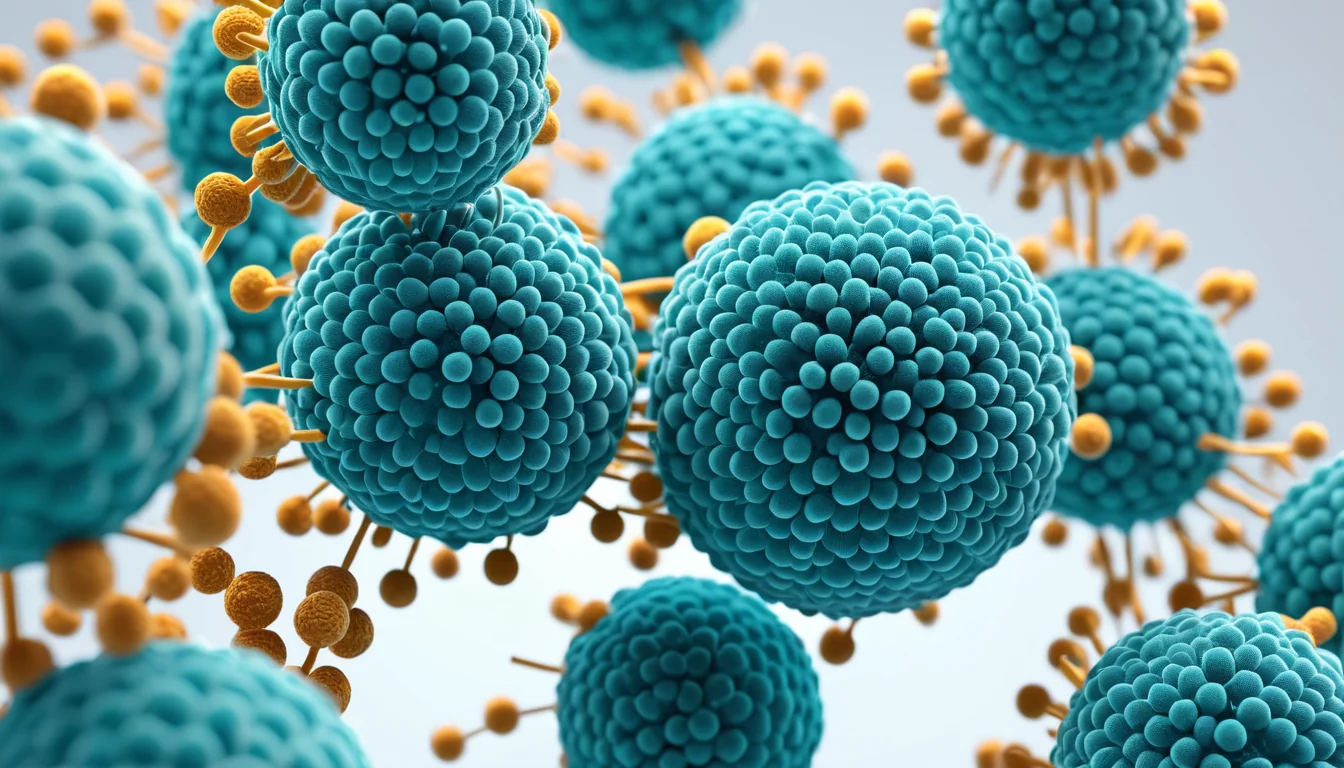
Anal genital warts are small, skin-coloured growths that develop around the anus and genitals, caused by the human papillomavirus (HPV) — one of the most common sexually transmitted infections in Canada. These warts spread through direct sexual contact, including vaginal, anal, and sometimes oral sex, and can appear on people of any age or gender.
What Are Anal Genital Warts and What Causes Them?
Understanding the causes, symptoms, and HPV warts treatment options available in Canada is essential for protecting your health. Whether you are newly diagnosed or looking for prevention strategies like the HPV vaccine, this guide covers everything Canadians need to know — from topical therapies and cryotherapy to surgical removal and how to reduce your risk of reinfection.
What Are Anal Genital Warts?
| Treatment Option | How It Works | Benefits | Considerations |
|---|---|---|---|
| Imiquimod Cream (Aldara) | Topical immunotherapy that stimulates the body’s immune response to destroy wart tissue | Self-applied at home; effective for external warts; lower recurrence rates | Requires consistent application 3x per week; may cause local skin irritation; available by prescription in Canada |
| Cryotherapy (Liquid Nitrogen) | Freezes and destroys wart tissue using liquid nitrogen applied by a healthcare provider | Quick in-office procedure; no anaesthesia required; widely available at Canadian STI clinics | Multiple sessions often needed; can cause temporary pain, blistering, and skin discolouration |
| Trichloroacetic Acid (TCA) | Chemical solution applied directly to warts that destroys tissue through chemical burning | Effective for small, isolated warts; safe during pregnancy; low cost | Must be applied by a clinician; risk of burning surrounding healthy tissue; multiple visits required |
| Surgical Excision or Electrocautery | Physical removal or burning of wart tissue under local anaesthesia | Immediate removal of large or widespread warts; high single-session clearance rate | Performed in a clinical setting; risk of scarring; post-procedure recovery time needed |
| Podophyllotoxin (Condyline) | Plant-derived antimitotic agent that destroys wart cell growth when applied topically | Patient self-administered; effective for external genital and anal warts | Not recommended during pregnancy; can cause local irritation; requires 4-week treatment cycles |
Anal genital warts, also called condyloma acuminata, are small warts that grow on or around the genitals and anus. They range in colour from pink to white. In some cases, they can appear inside the anal canal or on the skin of the upper thighs.
These warts are not the same as warts you might get on your hands or feet. Different strains of HPV cause those. The strains that cause anal genital warts spread through direct sexual contact — including vaginal, anal, and sometimes oral sex.
According to Health Canada, HPV is extremely common. Most sexually active people will have some form of HPV at some point in their lives. However, not everyone who carries the virus will develop warts.
Types of Genital Warts: Understanding the Difference
There are two main types of venereal warts that doctors identify. It is important to know the difference, because they have different causes and treatments.
Condyloma Acuminata (HPV Warts)
These are the most common type of anal genital warts. They are soft, flesh-coloured, and appear in clusters that can look like a small cauliflower. They develop as a result of an HPV infection. Warts can appear on the penis, vagina, vulva, anus, and rarely inside the mouth.
Furthermore, these warts can take weeks or even months to appear after contact with an infected person. About two-thirds of people who have sexual contact with an infected partner will develop warts within three months.
Condyloma Lata (Syphilis-Related Warts)
Condyloma lata are flat, moist, reddish growths. They are not caused by HPV. Instead, they are a sign of secondary syphilis, a bacterial infection. Doctors treat these with antibiotics, following a standard syphilis treatment plan. If you notice flat, moist sores in the genital area, see a doctor right away.
How Do Anal Genital Warts Spread?
Anal genital warts spread mainly through skin-to-skin sexual contact. You do not need to have penetrative sex to pass HPV to a partner. Touching an infected area is enough to transmit the virus.
In addition, HPV can spread through shared sex toys or intimate objects that have already touched an infected person. Therefore, cleaning and covering shared items is an important safety step. The virus can also be present even when no warts are visible, which makes it easy to spread without knowing.
As a result, many people unknowingly pass HPV to their partners. This is why regular STI testing is so important, even if you feel completely healthy. You can read more about HPV transmission on the World Health Organization’s HPV fact sheet.
Symptoms of Anal Genital Warts
Many people with HPV have no symptoms at all. However, when anal genital warts do appear, you may notice the following:
- Small, flesh-coloured or pinkish bumps near the anus or genitals
- Clusters of growths that look like a cauliflower
- Itching, discomfort, or mild bleeding around the anal area
- A feeling of moisture or dampness in the anal region
- Warts that are flat and difficult to see with the naked eye
Sometimes the warts are so small that they are hard to notice on your own. A doctor or nurse practitioner can examine the area and confirm whether warts are present. Do not try to diagnose yourself at home.
Treatment Options for Anal Genital Warts
There is no cure for HPV itself. However, doctors can remove or destroy the warts that HPV causes. Treatment focuses on clearing visible warts and reducing discomfort. Your doctor will recommend the best option based on the size, number, and location of the warts.
Topical Treatments
Some treatments come as creams or solutions that you apply directly to the warts. These work by destroying the wart tissue or by stimulating your immune system to fight the virus. A doctor must prescribe most of these treatments. Do not use over-the-counter wart removers meant for hands or feet on genital warts — they can cause serious skin damage.
Immune-Boosting Therapies
One option involves injecting a substance called interferon alfa directly into the wart. This stimulates your immune system to attack and destroy the wart tissue. However, interferon alfa is quite costly. It also does not work for everyone. Your doctor will discuss whether this approach makes sense for your situation.
Cryotherapy (Freezing)
Cryotherapy uses liquid nitrogen to freeze and destroy wart tissue. A healthcare provider applies the liquid nitrogen directly to the wart. The frozen tissue dies and falls off over time. This is a common, effective, and relatively quick procedure done in a clinic setting.
Chemical Cauterization
Doctors can also use acidic chemical compounds to chemically burn away warts. These compounds destroy the wart tissue layer by layer. This method is typically performed in a clinic and may require more than one visit to fully clear the warts.
Surgical and Laser Removal
For larger or more stubborn anal genital warts, surgical removal may be necessary. Doctors can remove warts using electrocauterization (burning with an electric current) or CO2 laser vaporization. These procedures take place in a hospital or surgical centre with the proper equipment.
It is important to understand that even after successful removal, warts can come back. The HPV virus can remain dormant in your body’s tissues. New warts may appear up to 30 days after a seemingly successful treatment. This is why follow-up care is essential.
For a comprehensive overview of treatment approaches, visit the Mayo Clinic’s guide to genital warts treatment.
How to Prevent Anal Genital Warts
Prevention is the most effective way to protect yourself from anal genital warts. Several steps can significantly lower your risk of getting or spreading HPV.
Get Vaccinated
Canada offers HPV vaccines through provincial and territorial school-based immunisation programmes. The vaccine protects against the HPV strains most likely to cause genital warts and cervical cancer. It is most effective when given before a person becomes sexually active. However, it can still offer protection in older adults. Check with your provincial health plan or family doctor to find out if the vaccine is covered for you.
Use Condoms
Condoms do not provide complete protection against HPV, because the virus can live on skin not covered by a condom. However, using condoms consistently and correctly does significantly reduce your risk. It also protects against many other STIs.
Limit Sexual Partners
Limiting your number of sexual partners reduces your chance of coming into contact with HPV. Being in a mutually monogamous relationship — where both partners are tested and faithful — lowers your risk further. However, remember that HPV can be present without symptoms. Testing is still important.
Get Tested Regularly
Both you and your partner should get tested for HPV and other STIs regularly, even if neither of you has symptoms. Many Canadian walk-in clinics and sexual health centres offer confidential STI testing. Your provincial health plan typically covers STI testing when ordered by a doctor or nurse practitioner. Early detection makes treatment easier and helps prevent the virus from spreading further.
Avoid Sharing Intimate Items
Do not share sex toys or other intimate objects without properly cleaning and covering them first. HPV particles can survive on surfaces and transfer to a new person. Using a fresh condom over a shared toy each time is a simple protective measure.
When to See a Doctor
You should see a doctor if you notice any unusual bumps, lumps, or growths around your genitals or anus. Do not wait to see if they go away on their own. Early treatment is more effective and reduces the chance of spreading the infection to others.
In Canada, you have several options for getting care. Your family doctor is always a great first point of contact. If you do not have a family doctor, a walk-in clinic or a sexual health centre can assess you without an appointment. Many provinces also offer telehealth services, so you can speak with a nurse or doctor from home.
You should also see a doctor if:
- Warts return after treatment
- You experience pain, bleeding, or discharge from the anal area
- Your partner has been diagnosed with HPV or genital warts
- You are pregnant, as HPV can sometimes affect the baby
- You are unsure whether what you see is a wart or something else
Always consult a qualified healthcare provider for a proper diagnosis and treatment plan. This article provides general information only and is not a substitute for professional medical advice.
Frequently Asked Questions About Anal Genital Warts
Can anal genital warts go away on their own?
Yes, in some cases anal genital warts can clear up on their own as the immune system fights the HPV virus. However, this can take months or even years, and the virus can still spread to others in the meantime. It is always best to see a doctor for assessment and treatment rather than waiting.
Are anal genital warts the same as hemorrhoids?
No, anal genital warts and hemorrhoids are two completely different conditions. Hemorrhoids are swollen blood vessels inside or around the rectum, while anal genital warts are skin growths caused by the HPV virus. A doctor can easily tell the difference during a physical examination.
Can you get anal genital warts without having sex?
Anal genital warts spread primarily through sexual contact, including skin-to-skin genital contact. In rare cases, they can spread through shared intimate items that have come into contact with an infected person. Non-sexual transmission is uncommon in adults but worth being aware of.
Is HPV testing covered under provincial health plans in Canada?
In most Canadian provinces, STI testing — including HPV-related testing — is covered under provincial health insurance when ordered by a doctor or nurse practitioner. You can access testing through your family doctor, a walk-in clinic, or a local sexual health centre. Coverage details vary by province, so check with your local health authority.
Can anal genital warts come back after treatment?
Yes, anal genital warts can return even after successful treatment because the HPV virus can remain dormant in body tissue. New warts may appear weeks or months after a procedure. This is why long-term follow-up with your doctor is an important part of managing this condition.
Does the HPV vaccine prevent anal genital warts?
According to Public Health Agency of Canada’s guide to HPV, this information is supported by current medical research.
For more information, read our guide on loss of appetite and other symptoms that may signal an underlying infection.
Yes, the HPV vaccine protects against the strains of HPV most likely to cause anal genital warts and certain cancers. Canada offers the vaccine through school-based immunisation programmes in every province and territory. Ask your family doctor or pharmacist whether the vaccine is right for you, especially if you were not vaccinated as a teenager.
Key Takeaways
- Anal genital warts are caused by certain strains of the human papillomavirus (HPV), a very common STI in Canada.
- They spread through skin-to-skin sexual contact and can appear even when no warts are visible.
- Treatment options include cryotherapy, chemical treatments, immune therapies, and surgical removal.
- Warts can return after treatment because HPV can stay dormant in the body. Long-term follow-up is important.
- The HPV vaccine, available through provincial school programmes, is one of the best ways to prevent genital warts.
- Using condoms, getting tested regularly, and limiting sexual partners all help reduce your risk.
- If you notice any unusual growths around your genitals or anus, see your family doctor, visit a walk-in clinic, or contact a sexual health centre as soon as possible.
Frequently Asked Questions
What are anal genital warts?
Anal genital warts are small, flesh-coloured growths caused by certain strains of the human papillomavirus (HPV). They appear on or around the genitals, anus, or perineum. They are one of the most common sexually transmitted infections (STIs) in Canada and can be flat or raised, single or clustered.
What are the symptoms of anal genital warts?
Symptoms include small bumps or clusters of skin-coloured growths around the genitals or anus, itching, burning, or mild discomfort in the affected area. Some warts are too small to see with the naked eye. Many people with HPV have no visible warts and remain unaware they are infected.
How are anal genital warts treated in Canada?
Anal genital warts are treated with topical prescription medications such as imiquimod or podophyllin, applied directly to warts. Doctors may also use cryotherapy (freezing), laser treatment, or surgical removal. No treatment eliminates the underlying HPV virus, so recurrence is possible. A Canadian healthcare provider will recommend the best option for you.
Can anal genital warts be prevented?
Yes. The most effective prevention is the HPV vaccine, which is publicly funded for eligible individuals across Canadian provinces. Consistent condom use reduces transmission risk but does not fully prevent it, as HPV spreads through skin-to-skin contact. Limiting sexual partners and getting regular STI screenings also significantly reduce your risk.
When should you see a doctor for anal genital warts?
See a doctor if you notice any unusual bumps, growths, or skin changes around your genitals or anus, or experience unexplained itching or discomfort in those areas. Early diagnosis ensures prompt treatment and prevents spreading the infection to partners. Canadian physicians and sexual health clinics offer confidential, non-judgmental care.

About the Author
Dr. Sarah Mitchell, MDDr. Sarah Mitchell is a board-certified family physician with over 15 years of clinical experience. She completed her MD at the University of Toronto and her residency at Toronto General Hospital. Dr. Mitchell specializes in preventive medicine and chronic disease management. She is a member of the College of Family Physicians of Canada (CFPC) and has published over 30 peer-reviewed articles on preventive health care.
View all articles →