Iron Deficiency Anemia: Causes, Symptoms & Treatment

Share
Iron deficiency anemia is one of the most common nutritional conditions affecting Canadians of all ages, occurring when your body lacks enough iron to produce healthy red blood cells. Without sufficient red blood cells, your organs and muscles are starved of the oxygen they need — leaving you feeling exhausted, weak, and unwell. Health Canada estimates that certain groups, including women of reproductive age and young children, face the highest risk.
What Is Iron Deficiency Anemia and Why Is It So Common in Canada?
Recognizing the signs of low iron early can make a significant difference in treatment outcomes. Many Canadians dismiss chronic fatigue and paleness as normal stress, but these iron deficiency symptoms often signal a deeper problem that requires medical attention. In this guide, we break down the causes, symptoms, diagnosis, and treatment options so you can take control of your health.
What Is Iron Deficiency Anemia?
| Treatment Option | How It Works | Benefits | Considerations |
|---|---|---|---|
| Oral Iron Supplements (e.g., ferrous sulfate) | Replaces depleted iron stores through daily oral dosing | First-line treatment; widely available OTC in Canada; cost-effective | May cause nausea, constipation, or dark stools; takes 3–6 months to restore levels |
| Dietary Changes | Increases iron intake through iron-rich foods such as red meat, lentils, spinach, and fortified cereals | Sustainable long-term strategy; supports overall nutritional health | Alone may be insufficient for moderate-to-severe iron deficiency anemia; results are gradual |
| Intravenous (IV) Iron Therapy | Delivers iron directly into the bloodstream via infusion at a clinic or hospital | Faster replenishment; suitable when oral supplements are not tolerated or absorbed | Requires medical supervision; risk of allergic reaction; covered under some provincial health plans |
| Treating the Underlying Cause | Addresses the root source of blood loss or malabsorption (e.g., managing heavy periods, celiac disease, or GI bleeding) | Prevents recurrence; essential for long-term resolution of iron deficiency anemia | Requires diagnosis of underlying condition; may involve specialist referral |
| Blood Transfusion | Provides immediate replenishment of red blood cells in severe cases | Rapid improvement in severe or life-threatening anemia | Reserved for critical cases only; carries risks including infection and transfusion reactions; managed in hospital settings across Canada |
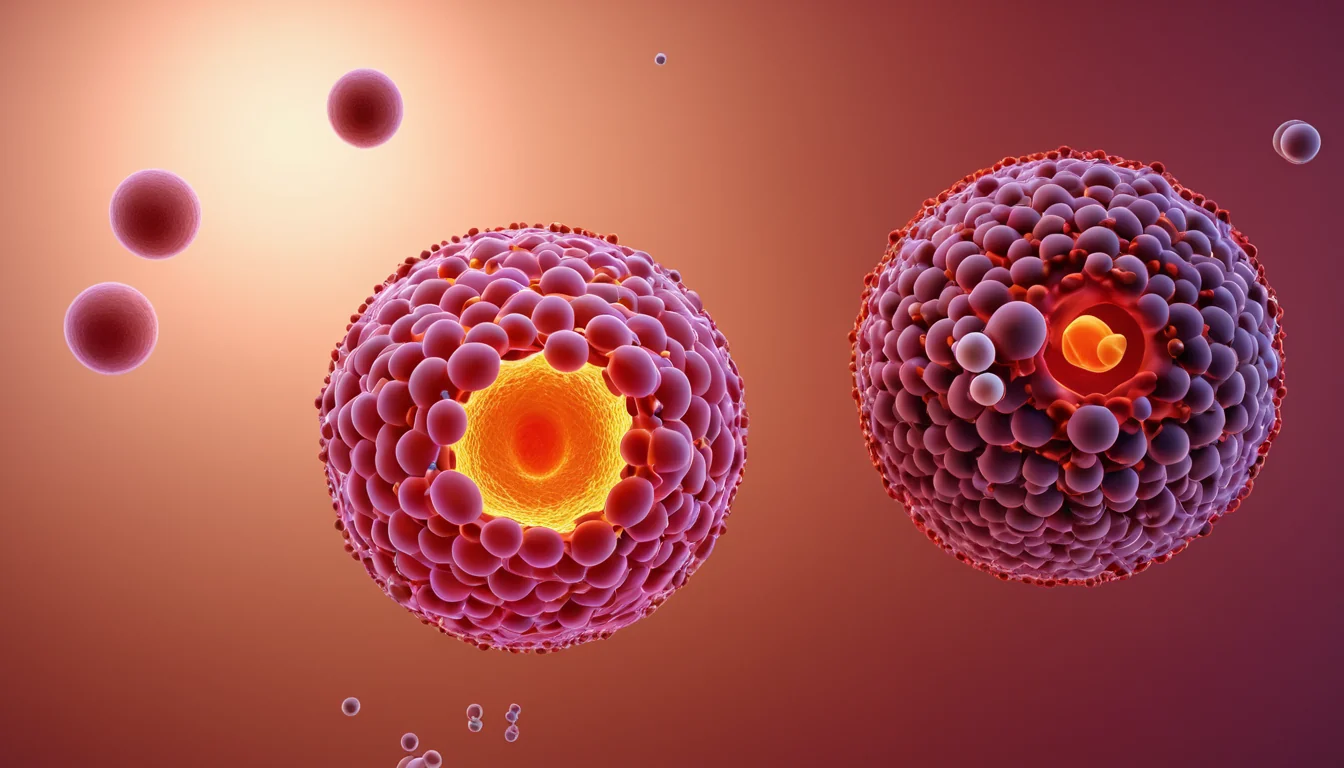
Your blood contains three types of cells: red blood cells, white blood cells, and platelets. Each type plays a vital role in keeping you healthy. Red blood cells — also called erythrocytes — are the most numerous of the three.
Red blood cells have a unique disc shape. This shape gives them the largest possible surface area, which makes them very efficient at carrying oxygen. A healthy adult has between four million and six million red blood cells per cubic millimetre of blood.
The Role of Haemoglobin and Iron
The main job of red blood cells is to carry a protein called haemoglobin (Hb). Haemoglobin contains iron atoms that grab onto oxygen in your lungs and deliver it to every cell in your body. On the return trip, haemoglobin carries carbon dioxide back to the lungs so it can be breathed out.
Your body constantly makes new red blood cells and breaks down old ones. This process is finely balanced. When old red blood cells are broken down, your bone marrow recycles the iron to build new ones. The leftover haemoglobin becomes bilirubin — a substance made in the liver that gives stool its characteristic colour.
Iron deficiency anemia occurs when your iron stores fall too low to support normal red blood cell production. As a result, your blood cannot carry enough oxygen to meet your body’s needs. According to the World Health Organization, iron deficiency is the leading cause of anemia worldwide.
Causes of Iron Deficiency Anemia
There are three main reasons your iron levels can drop too low. Understanding the cause is the first step toward effective treatment.
Not Enough Iron in Your Diet
Your body cannot make iron on its own — it must come from the food you eat. Diets low in red meat, legumes, leafy greens, and iron-fortified foods can leave your stores running low. This is especially common in people following restrictive diets.
Poor Iron Absorption
Even if you eat enough iron, your gut may not absorb it properly. Certain digestive conditions — such as celiac disease or Crohn’s disease — can interfere with absorption. Bariatric (weight-loss) surgery can also reduce your body’s ability to absorb iron from food.
Blood Loss
Losing blood means losing iron. Heavy menstrual periods are one of the most common causes of iron deficiency anemia in women and teenagers. Internal bleeding from the digestive tract — sometimes from ulcers, polyps, or other conditions — can also drain your iron stores without you realising it.
Who Is Most at Risk?
Some Canadians face a higher risk of developing iron deficiency anemia. These groups include:
- People with heavy or prolonged bleeding
- Teenage girls and women with heavy menstrual periods
- Pregnant and breastfeeding women
- Premature babies and infants not fed breast milk or iron-fortified formula
- Children and teenagers during growth spurts
- People with chronic heart failure or kidney disease
- People who have had bariatric surgery for severe obesity
Your body stores any extra iron as ferritin and haemosiderin — a kind of iron savings account. When your diet does not supply enough, your body draws on these stores. Iron deficiency anemia develops when those stores run out.
Symptoms of Iron Deficiency Anemia
The symptoms of iron deficiency anemia can be easy to dismiss. Many people chalk them up to a busy lifestyle or poor sleep. However, if several of these symptoms sound familiar, it is worth paying attention.
Common Symptoms to Watch For
- Persistent fatigue — feeling tired even after a full night’s sleep
- Shortness of breath — getting winded climbing stairs or during light activity
- Muscle cramps — especially when doing everyday activities like climbing stairs
- Cold intolerance — feeling chilled when others around you are comfortable
- Frequent infections — a weakened immune system makes you more vulnerable
- Difficulty swallowing — caused by changes to the lining of the esophagus
- Pica — an unusual craving to chew ice, raw vegetables, or other non-food items
- Changes in behaviour — including difficulty concentrating and attention problems
- Poor school or work performance
In addition, iron deficiency can worsen the symptoms of other existing conditions, particularly heart and lung diseases. For more detail on anemia symptoms, the Mayo Clinic offers a comprehensive overview.
Physical Signs Your Doctor May Notice
A doctor can often spot signs of iron deficiency anemia during a physical examination. These signs may include:
- Pale skin and pale inner eyelids or gums
- Spoon-shaped or concave nails
- Thin, dry, brittle hair
- A smooth, red, shiny tongue with flattened taste buds
- Cracks at the corners of the mouth
- A fast heartbeat (tachycardia)
- Delayed growth in children
- An enlarged spleen in severe, untreated cases
Pale skin is a common sign, but it is not specific to anemia — many other conditions can cause it. Therefore, your doctor will always order blood tests to confirm the diagnosis.
How Iron Deficiency Anemia Is Diagnosed
Your doctor will start with a physical exam and a review of your medical history. From there, they will order blood tests. The most important ones include:
- Complete blood count (CBC) — measures your red blood cells, haemoglobin, and other key values
- Serum iron — measures the amount of iron currently circulating in your blood
- Serum ferritin — measures your iron stores
- Total iron-binding capacity (TIBC) — measures how well your blood can transport iron
These tests together give your doctor a clear picture of your iron status. However, anemia is often a symptom of another underlying condition. Your doctor may order additional tests — such as a stool test for hidden (occult) blood, an endoscopy, a colonoscopy, or a gynaecological exam — to find the root cause.
Getting the right diagnosis matters. Treating anemia without knowing the cause can mask a more serious illness and delay proper care. This is why self-diagnosing and self-medicating with iron supplements is never a good idea. Health Canada provides reliable guidance on managing chronic health conditions.
Treatment for Iron Deficiency Anemia
Treatment focuses on two goals: fixing the underlying cause and restoring your body’s iron stores. Both steps are essential for a full recovery.
Iron Supplements
The most common treatment is oral iron supplements — usually iron salts in tablet or liquid form. These are effective, widely available, and covered under many provincial drug benefit programmes for eligible Canadians. Your doctor will recommend the right dose and form for your situation.
In some cases, your doctor may recommend injectable iron if oral supplements are not tolerated or not effective. Severe cases may require a hospital stay for blood transfusions. It is important to note that treatment often continues for at least six months. This is because you need to rebuild your iron stores — not just raise your iron levels in the short term.
Treating the Underlying Cause
Iron supplements alone are not enough if the cause of your anemia is not addressed. For example, if a bleeding ulcer or heavy menstrual periods are draining your iron, those conditions need treatment too. Your doctor will coordinate the right plan based on your specific situation.
Important: Do not take iron supplements on your own without seeing a doctor first. Taking iron without a proper diagnosis can partially mask your symptoms and delay the discovery of a more serious underlying condition. Self-medicating with iron — based on advice from friends, family, or social media — carries real health risks.
When to See a Doctor
If you have been feeling unusually tired, short of breath, or run-down for more than a few weeks, it is time to make an appointment. You can start with your family doctor, who can order a simple blood test to check your iron levels and overall blood health.
If you do not have a family doctor — a reality for many Canadians — a walk-in clinic can order the same basic blood work and refer you to a specialist if needed. Do not wait and hope the symptoms go away on their own. Iron deficiency anemia is very treatable, but only when it is properly diagnosed.
Seek care sooner if you experience chest pain, a very rapid heartbeat, severe shortness of breath, or fainting. These can be signs that anemia is seriously affecting your heart and require prompt medical attention.
Frequently Asked Questions
What are the most common symptoms of iron deficiency anemia?
The most common symptoms of iron deficiency anemia include persistent fatigue, shortness of breath, pale skin, cold intolerance, and difficulty concentrating. Some people also develop unusual cravings to chew ice or raw vegetables. If several of these symptoms apply to you, speak with your family doctor or visit a walk-in clinic for a blood test.
How is iron deficiency anemia diagnosed in Canada?
Your doctor will diagnose iron deficiency anemia through a blood test called a complete blood count (CBC), along with serum iron and ferritin tests. These tests are covered under provincial health plans in most parts of Canada. Your doctor may also order additional tests to find the underlying cause of the anemia.
Can I take iron supplements without seeing a doctor?
It is strongly recommended that you see a doctor before taking iron supplements. Iron deficiency anemia is often a sign of another underlying condition, and taking supplements without a diagnosis can mask symptoms and delay proper treatment. Always get a blood test first to confirm that low iron is the actual problem.
How long does it take to recover from iron deficiency anemia?
Most people begin to feel better within a few weeks of starting iron treatment, but full recovery takes longer. Doctors typically recommend continuing iron supplements for at least six months to fully rebuild the body’s iron stores — not just normalize blood iron levels. Your doctor will monitor your progress with follow-up blood tests.
What foods are high in iron and can help prevent iron deficiency anemia?
Foods rich in iron include red meat, poultry, fish, lentils, beans, tofu, dark leafy greens like spinach, and iron-fortified cereals. Eating vitamin C-rich foods alongside iron-rich foods helps your body absorb iron more efficiently. A balanced diet with a variety of these foods can help prevent iron deficiency anemia in many people.
Is iron deficiency anemia the same as just being tired?
According to Health Canada’s guidelines on iron intake and nutrition, this information is supported by current medical research.
For more information, read our guide on loss of appetite and other signs of low iron.
Fatigue is a very common symptom of iron deficiency anemia, but the condition involves much more than feeling tired. It affects your blood’s ability to carry oxygen throughout your body, which can impact your heart, muscles, immune system, and even your behaviour and concentration. A simple blood test can tell the difference between everyday tiredness and anemia.
Key Takeaways
- Iron deficiency anemia happens when low iron prevents your body from making enough healthy red blood cells.
- Common causes include a low-iron diet, poor absorption, and blood loss — including heavy menstrual periods.
- Symptoms include fatigue, pale skin, shortness of breath, cold intolerance, and difficulty concentrating.
- Diagnosis requires blood tests, including a complete blood count, serum iron, and ferritin levels.
- Treatment involves iron supplements — usually for at least six months — alongside treating the root cause.
- Do not self-medicate with iron supplements. Always get a proper diagnosis from your family doctor or a walk-in clinic first.
- Iron deficiency anemia is very treatable when caught early and managed with the right medical care.
Frequently Asked Questions
What is iron deficiency anemia?
Iron deficiency anemia is a condition where your body lacks enough iron to produce sufficient hemoglobin, the protein in red blood cells that carries oxygen. It is the most common type of anemia in Canada, affecting people of all ages, particularly women of childbearing age and young children.
What are the symptoms of iron deficiency anemia?
Common symptoms include persistent fatigue, weakness, pale skin, shortness of breath, dizziness, cold hands and feet, brittle nails, and unusual cravings for non-food items like ice or dirt. Some people experience headaches and difficulty concentrating. Mild cases may cause no noticeable symptoms at all.
How is iron deficiency anemia treated in Canada?
Treatment typically involves oral iron supplements prescribed by a doctor, along with dietary changes to increase iron-rich foods such as red meat, legumes, spinach, and fortified cereals. Severe cases may require intravenous iron infusions. Addressing the underlying cause of iron loss is essential for effective, long-term treatment.
Can you prevent iron deficiency anemia through diet?
Yes, eating a diet rich in iron-containing foods significantly reduces your risk. Good sources include lean red meat, poultry, fish, lentils, beans, tofu, and dark leafy greens. Pairing iron-rich foods with vitamin C enhances absorption. Avoiding tea or coffee with meals also helps your body absorb iron more effectively.
When should you see a doctor about iron deficiency anemia symptoms?
See a doctor if you experience persistent fatigue, unexplained weakness, shortness of breath, or prolonged pale skin that interferes with daily life. Seek prompt medical attention for chest pain, rapid heartbeat, or fainting. Never self-diagnose — a simple blood test confirms iron deficiency anemia and guides appropriate Canadian healthcare treatment.

About the Author
Dr. Michael Ross, MD, FRCSCDr. Michael Ross is a fellowship-trained orthopedic surgeon at the University of Alberta Hospital, specializing in joint replacement and sports medicine. A Fellow of the Royal College of Surgeons of Canada (FRCSC), he has over 18 years of surgical experience and has authored multiple textbook chapters on musculoskeletal health. Dr. Ross is passionate about patient education and evidence-based medicine.
View all articles →