
Tullio Phenomenon: Causes, Symptoms & Treatment Canada

Share
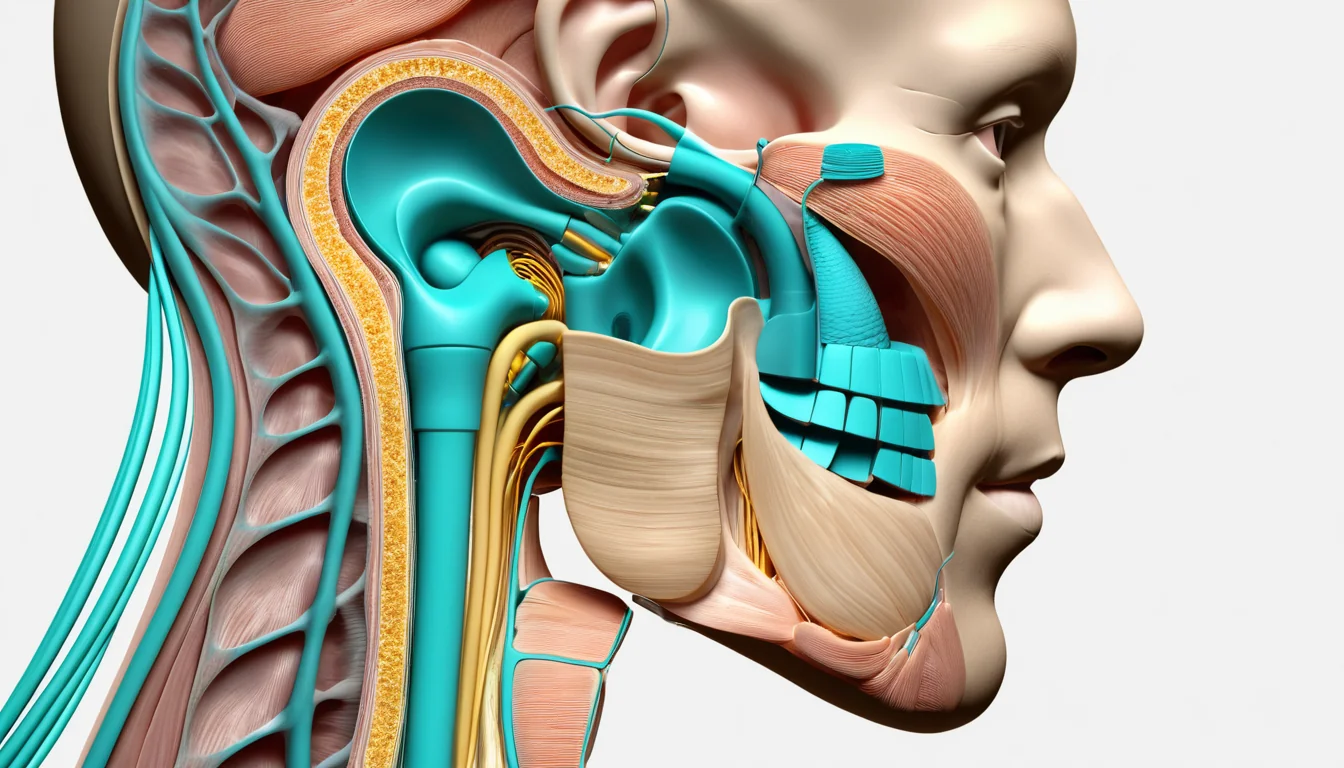
The Tullio phenomenon is a rare vestibular condition where loud sounds or pressure changes in the ear trigger sudden dizziness, nystagmus, and loss of balance. Although uncommon, it can severely disrupt everyday life, and many Canadians who experience these episodes go months or even years without a correct diagnosis because symptoms often mimic psychiatric or neurological disorders.
How the Tullio Phenomenon Is Diagnosed in Canada
Understanding what causes sound-induced vertigo and recognizing the early warning signs is essential for getting timely, appropriate care. In Canada, access to specialized otolaryngology and neurotology clinics can make a significant difference in outcomes. This guide covers the causes, symptoms, diagnosis, and treatment options for the Tullio phenomenon so you can take informed steps toward relief.
What Is the Tullio Phenomenon?
| Symptom | Description | Severity | Onset Trigger |
|---|---|---|---|
| Vertigo | Sudden spinning sensation or feeling of movement triggered by sound exposure | Moderate to Severe | Loud noises, music, or specific sound frequencies |
| Nystagmus | Involuntary, rapid eye movements that occur in response to sound stimulation | Moderate | High-intensity or low-frequency sounds |
| Oscillopsia | Visual disturbance where surroundings appear to jump or oscillate during sound exposure | Moderate to Severe | Sudden loud sounds or prolonged noise exposure |
| Nausea and Vomiting | Gastrointestinal symptoms accompanying vestibular disturbance from sound stimulation | Mild to Moderate | Sustained or repeated sound-induced vertigo episodes |
| Postural Imbalance | Difficulty maintaining balance and coordination when exposed to triggering sounds | Mild to Severe | Ambient noise, conversations, or environmental sounds |
| Aural Fullness | Sensation of pressure or congestion in the affected ear accompanying sound-induced episodes | Mild | Sound exposure in affected ear, often associated with underlying ear pathology |
The Tullio phenomenon is named after Italian biologist Professor Pietro Tullio, who first described it in 1929. During experiments on pigeons, Tullio found that making small openings in the semicircular canals of the inner ear caused balance problems when the animals were exposed to loud sounds. This finding pointed directly to the role of inner ear structure in sound-triggered dizziness.
In humans, the Tullio phenomenon is considered a symptom rather than a standalone disease. It signals an underlying problem in the inner ear, most often a fistula — a small abnormal opening — that disrupts normal pressure regulation. Because of this, finding the root cause is just as important as managing the symptoms themselves.
For more background on how the inner ear works, visit Mayo Clinic’s guide to vertigo and inner ear disorders.
Causes of the Tullio Phenomenon
The main cause of the Tullio phenomenon is a perilymphatic fistula — a tear or hole in one or both of the thin membranes separating the fluid-filled inner ear from the air-filled middle ear. When this barrier is compromised, pressure changes from sound waves travel directly into the inner ear’s balance system, triggering dizziness.
Common Triggers of Inner Ear Fistulas
Several conditions and events can lead to the fistula that causes the Tullio phenomenon. These include:
- Barotrauma — pressure injury from scuba diving, flying, or extreme altitude changes
- Surgical complications — as a side effect of ear or sinus surgery
- Lyme disease — a bacterial infection spread by tick bites, which is relevant across many Canadian provinces
- Ménière’s disease — a chronic inner ear disorder involving fluid build-up
- Congenital syphilis — a rare but recognised cause affecting both ears
- Superior semicircular canal dehiscence (SSCD) — an abnormal thinning or absence of bone over the inner ear canal
In addition, everyday activities can worsen symptoms. Blowing your nose forcefully, swallowing, lifting heavy objects, or straining can increase pressure in the ear and bring on an episode. During a cold or flu — common in Canadian winters — repeated nose-blowing can make the Tullio phenomenon significantly worse.
Types of the Tullio Phenomenon
There are two recognised types of the Tullio phenomenon, defined by what triggers them and how severe the underlying cause is.
Physiological Tullio Phenomenon
This type occurs when a very loud sound in one ear causes a brief shift in posture or balance. It generally happens in people without a diagnosed inner ear condition. The response is exaggerated but short-lived, and symptoms typically appear only with extreme noise levels.
Pathological Tullio Phenomenon
This type is more serious. It occurs when even normal, everyday sounds in both ears trigger dizziness and imbalance. It is linked to a condition called vestibular hypersensitivity, where the balance system overreacts to routine sound input. This form usually points to an identifiable underlying disease and requires medical investigation.
Symptoms of the Tullio Phenomenon
The Tullio phenomenon produces a range of symptoms, most of which appear suddenly in response to sound or pressure. Recognising these symptoms early can help speed up your diagnosis and treatment.
Common symptoms include:
- Vertigo — a spinning or whirling sensation triggered by sound
- Loss of balance — visible shifts in posture or an inability to stand steadily
- Nystagmus — rapid, involuntary eye movements that occur during an episode
- Oscillopsia — the visual field appears to shake or oscillate
- Tinnitus — ringing, buzzing, or humming sounds perceived in the ear
- Reduced hearing — a noticeable drop in hearing acuity
- Ear pain — unexplained discomfort or aching in one or both ears
- Pressure sensitivity — discomfort with changes in atmospheric or barometric pressure
Furthermore, abnormal eye movements can be triggered not just by sound, but by actions that increase head pressure — such as clearing your sinuses, swallowing, or straining during exercise.
According to Healthline’s overview of vestibular balance disorders, untreated inner ear conditions can significantly impact daily function and quality of life.
How the Tullio Phenomenon Is Diagnosed
Diagnosing the Tullio phenomenon begins with identifying whether sounds or pressure changes reliably trigger your symptoms. Because it is a symptom rather than a disease, your doctor will work to find its underlying cause.
What to Expect During Assessment
Your doctor will review your full medical history, including any history of ear infections, surgeries, diving, or illnesses like Lyme disease or Ménière’s disease. A hearing test (audiometry) will likely be performed to measure your hearing sensitivity and identify any frequency-specific hearing loss.
The specialist will also use sound generators and pressure measurement tools to observe how your body reacts to controlled audio stimulation. In some cases, imaging such as a CT scan or X-ray may be ordered to look for bone abnormalities in the superior ear canal or structural changes in the inner ear.
In addition, the doctor will try to confirm which ear is affected. In rarer cases — usually when a systemic illness like congenital syphilis is the cause — both ears may be involved. Identifying the correct ear is essential before any surgical option is considered.
Note that some older diagnostic methods, such as microscope observation of eye vessel movement during sound exposure, are now considered impractical and are rarely used in Canadian clinical settings.
Treatment Options for the Tullio Phenomenon
Since the Tullio phenomenon is a symptom, treatment focuses on addressing the root cause. There is no single cure that works for everyone, but several effective management strategies are available.
Surgical Treatment
If a perilymphatic fistula is confirmed, surgical repair is often the most direct solution. The procedure aims to patch the abnormal opening and restore normal pressure balance within the inner ear. When the underlying cause is Ménière’s disease, surgery may also be considered alongside medication to manage fluid build-up.
Medical Management
When surgery is not immediately necessary or appropriate, doctors may recommend medication to control Ménière’s disease symptoms or treat an infection like Lyme disease. Your family doctor can coordinate a referral to an ear, nose, and throat (ENT) specialist or an otolaryngologist through your provincial health plan.
Lifestyle and Protective Measures
However, many people benefit from practical day-to-day strategies to reduce episode frequency. These include:
- Wearing earplugs in loud environments — concerts, construction zones, or sporting events
- Avoiding air travel or trips to high altitudes where pressure changes are significant
- Being careful when blowing your nose, especially during cold and flu season
- Avoiding heavy lifting or intense straining, which can spike inner ear pressure
- Discussing any new medications with your doctor, as some affect inner ear pressure
It is important to understand that permanent resolution is not always achievable. Like many inner ear conditions, the goal is often long-term symptom management rather than a complete cure. However, with the right treatment plan, most people can significantly reduce the impact on their daily lives.
When to See a Doctor
If you notice that sounds consistently make you feel dizzy, unsteady, or disoriented, do not wait to seek care. These are not normal reactions, and early assessment can prevent the condition from worsening.
Start by booking an appointment with your family doctor. If you do not have a family doctor — as is the case for many Canadians — a walk-in clinic can perform an initial assessment and refer you to an ENT specialist or neurologist. Your provincial health plan covers most diagnostic hearing tests and specialist referrals.
Seek urgent care if you experience a sudden severe episode of vertigo with vomiting, hearing loss, or vision changes. These symptoms may point to a more serious inner ear or neurological event that needs prompt attention.
For guidance on navigating the Canadian healthcare system for hearing and balance concerns, you can visit Health Canada’s official health resources.
Always speak with a qualified healthcare provider before starting or changing any treatment. The information in this article is for educational purposes only and does not replace professional medical advice.
Frequently Asked Questions About the Tullio Phenomenon
What triggers the Tullio phenomenon?
The Tullio phenomenon is triggered by loud sounds or changes in ear pressure that stimulate a damaged or abnormally structured inner ear. Common triggers include music, a loud voice, blowing your nose, or straining. The response occurs because a fistula or structural defect allows sound waves to directly disturb the inner ear’s balance system.
Is the Tullio phenomenon a serious condition?
The Tullio phenomenon itself is a symptom, but the underlying cause can be serious and should not be ignored. Conditions like Ménière’s disease, Lyme disease, or a perilymphatic fistula require proper medical treatment. Left unaddressed, the root cause can lead to progressive hearing loss or worsening balance problems.
Can the Tullio phenomenon go away on its own?
In some cases, mild physiological Tullio phenomenon may improve with rest and avoiding loud environments. However, the pathological form — linked to an underlying inner ear condition — rarely resolves without targeted treatment. Speaking with a doctor is the best way to understand whether your specific case needs active management.
How is the Tullio phenomenon different from regular vertigo?
Regular vertigo can be triggered by head movements, positional changes, or occur spontaneously. The Tullio phenomenon is specifically triggered by sound or pressure changes in the ear, which sets it apart from other forms of dizziness. This sound-triggered response is a key clue that helps doctors identify an inner ear structural problem.
Who is most at risk of developing the Tullio phenomenon?
People who have had ear surgery, barotrauma from diving or flying, or chronic inner ear conditions like Ménière’s disease are at higher risk. Individuals with a history of Lyme disease — a concern in many parts of Canada — may also develop the Tullio phenomenon as a complication. Anyone with recurring sound-triggered dizziness should speak with their family doctor or visit a walk-in clinic for evaluation.
What kind of doctor treats the Tullio phenomenon in Canada?
According to Mayo Clinic’s overview of vertigo and balance disorders, this information is supported by current medical research.
For more information, read our guide on loss of appetite and other symptoms that may accompany vestibular disorders.
An otolaryngologist (ear, nose, and throat specialist) or an audiologist with vestibular training typically diagnoses and manages the Tullio phenomenon. Your family doctor or walk-in clinic can provide a referral, which is usually covered under your provincial health plan. In complex cases, a neurologist may also be involved in your care team.
Key Takeaways
- The Tullio phenomenon is a condition where sounds or pressure changes trigger sudden dizziness and balance problems.
- It is caused by an abnormal opening (fistula) in the inner ear, often linked to injury, surgery, or illness.
- There are two types: physiological (caused by extreme sound) and pathological (caused by everyday sounds due to an underlying condition).
- Symptoms include vertigo, nystagmus, tinnitus, ear pain, and reduced hearing.
- Diagnosis involves hearing tests, medical history review, and imaging of the inner ear structures.
- Treatment targets the root cause and may include surgery, medication, or lifestyle changes like wearing earplugs.
- Canadians can start by seeing their family doctor or visiting a walk-in clinic for a referral under their provincial health plan.
- Always consult a healthcare professional for a proper diagnosis and personalised treatment plan.
Frequently Asked Questions
What is the Tullio phenomenon?
The Tullio phenomenon is a rare vestibular disorder where loud sounds or changes in pressure trigger dizziness, vertigo, or eye movement (nystagmus). It occurs when the inner ear’s semicircular canals are abnormally stimulated by sound. It is commonly associated with superior semicircular canal dehiscence (SSCD) or other inner ear conditions.
What are the symptoms of Tullio phenomenon?
Common symptoms include sound-induced vertigo, dizziness, nausea, involuntary eye movements (nystagmus), balance problems, and oscillopsia (visual instability). Symptoms are triggered by loud noises, music, or straining. Some patients also experience ear fullness, autophony (hearing their own voice loudly), and chronic fatigue from ongoing balance disruption.
How is the Tullio phenomenon treated in Canada?
Treatment depends on the underlying cause. For superior canal dehiscence, surgical repair is the most effective option, typically performed by a neurotologist. Conservative management includes avoiding loud noise triggers and using ear protection. Canadian patients are usually referred to specialized ear, nose, and throat (ENT) or neurotology clinics for diagnosis and care.
Can Tullio phenomenon be prevented?
There is no guaranteed way to prevent the Tullio phenomenon, as it often results from structural inner ear abnormalities. However, managing triggers helps reduce episodes. Wearing hearing protection in loud environments, avoiding straining, and promptly treating ear infections or injuries may lower risk or prevent symptom worsening in affected individuals.
When should you see a doctor for Tullio phenomenon?
See a doctor promptly if loud sounds consistently cause dizziness, vertigo, or abnormal eye movements. These symptoms significantly impact daily life and may indicate a serious inner ear condition like SSCD. Canadian patients should request referral to an ENT specialist or neurotologist for proper audiological testing, imaging, and an accurate diagnosis.

About the Author
Dr. James Okafor, MD, PhDDr. James Okafor holds an MD and PhD in Neurological Sciences from McGill University. With 12 years of experience in clinical neurology and mental health research, he has contributed to landmark studies on depression, anxiety, and cognitive health. Dr. Okafor is a Fellow of the Royal College of Physicians and Surgeons of Canada and serves on the editorial board of two peer-reviewed journals.
View all articles →