
Sleep Disorders Brain Health: What Canadians Must Know

Share
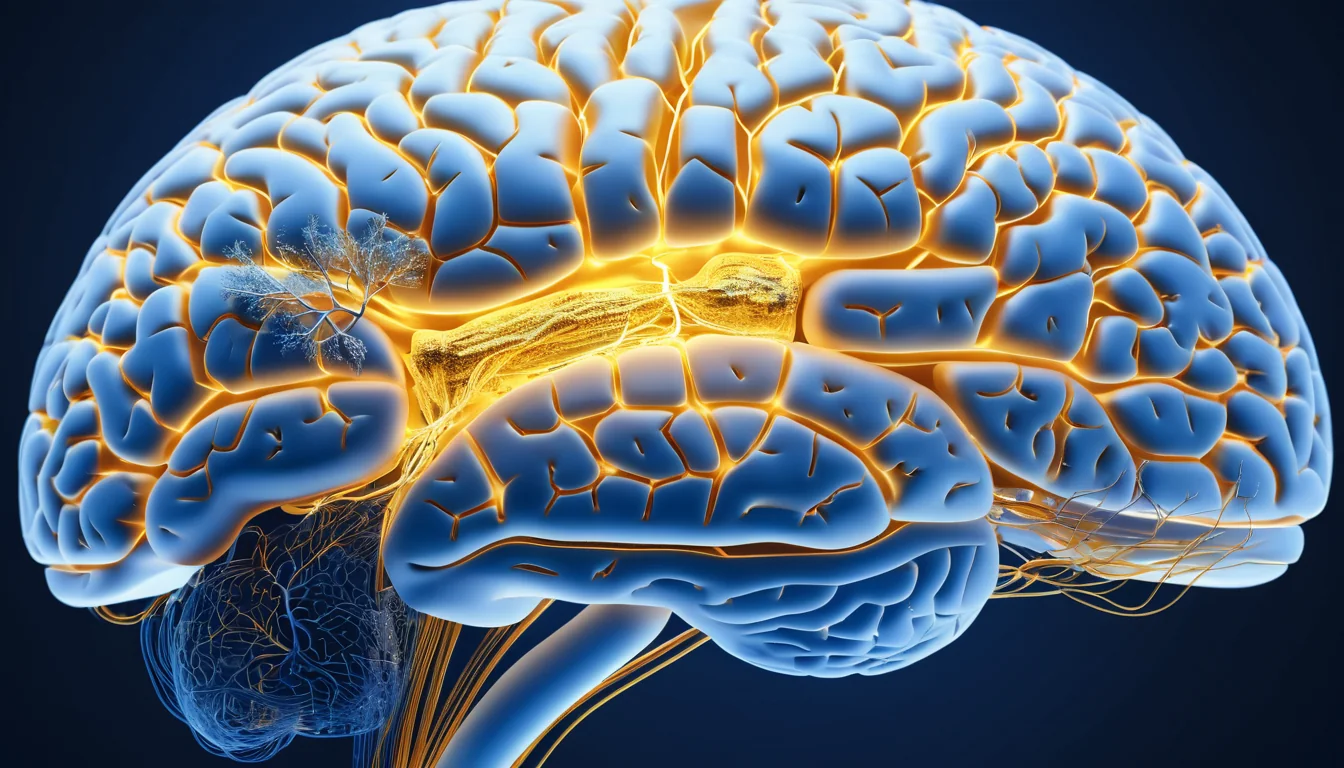
Sleep disorders and brain health are deeply connected, and the consequences of ignoring this link can be severe. When you consistently fail to get enough quality rest, your brain pays a serious price — from memory problems and emotional instability to measurable changes in brain structure. Most Canadian adults need 7 to 8 hours of sleep each night, yet millions across the country fall short regularly.
How Sleep Disorders Impact Brain Health Over Time
Understanding how sleep affects the brain is essential for protecting your long-term cognitive function. Sleep deprivation memory loss is one of the earliest and most common warning signs that your rest is inadequate. If you are regularly missing out on sleep, your brain — and your daily life — may be suffering far more than you realize. Here is what Canadians need to know about the risks and when to take action.
How Sleep Disorders Affect Memory and Brain Health
| Sleep Disorder | Key Characteristics | Brain Health Impact | Management Approach |
|---|---|---|---|
| Obstructive Sleep Apnea (OSA) | Repeated breathing interruptions during sleep; affects approximately 1 in 4 Canadian adults | Increased risk of cognitive decline, memory impairment, and higher dementia risk due to oxygen deprivation | CPAP therapy, weight management, positional therapy; referral through family physician or sleep clinic |
| Insomnia Disorder | Difficulty falling or staying asleep for 3+ nights per week, lasting over 3 months | Impaired attention, reduced neuroplasticity, elevated risk of depression and anxiety disorders | Cognitive Behavioural Therapy for Insomnia (CBT-I) is first-line treatment; available through many provincial mental health programs |
| Restless Legs Syndrome (RLS) | Uncomfortable urge to move legs, worsening at rest and in the evening; affects 1–3% of Canadians | Chronic sleep fragmentation linked to increased inflammation, mood dysregulation, and cognitive fatigue | Iron level assessment, dopaminergic medications, lifestyle modifications including reduced caffeine intake |
| Narcolepsy | Excessive daytime sleepiness, sudden muscle weakness (cataplexy), sleep paralysis | Disrupted memory consolidation, impaired executive function, and elevated depression risk | Stimulant medications, sodium oxybate, scheduled naps; managed by neurologist or sleep specialist |
| REM Sleep Behaviour Disorder (RBD) | Acting out vivid dreams during REM sleep; more common in adults over 50 | Strongly associated with early neurodegeneration; considered a precursor to Parkinson’s disease and Lewy body dementia | Clonazepam or melatonin under specialist supervision; bedroom safety modifications recommended |
Sleep is not just rest. It is an active process where your brain organizes and stores information from the day. A part of the brain called the hippocampus plays a central role in memory. It is also one of the first areas damaged by Alzheimer’s disease, which is why memory loss and disorientation are early signs of that condition.
During sleep, your brain replays the events of your day. This helps lock in important information. Therefore, when you miss sleep, your brain cannot complete this process properly. As a result, memory problems can develop quickly — even after just one bad night.
According to Mayo Clinic’s research on sleep and memory, consistent poor sleep significantly impairs the brain’s ability to retain and recall information.
False Memories and Sleep Deprivation
One of the lesser-known effects of sleep deprivation is the creation of false memories. When the hippocampus, prefrontal cortex, and parietal lobe are disrupted by poor sleep, the brain struggles to store information in an organized way. As a result, people may remember events that did not happen — or misremember events that did.
This is not simply forgetfulness. It is a genuine shift in how the brain processes and stores experience. For example, a student who pulls an all-nighter may feel confident going into an exam, only to find that key information has been scrambled or lost entirely.
Sleep Disorders, Mood, and Emotional Brain Health
Poor sleep does not just affect what you remember. It also changes how you feel and how you react to others. Research using MRI scans shows that sleep deprivation disrupts the connection between the amygdala — the part of the brain linked to anxiety — and the prefrontal cortex, which helps regulate emotions.
When this connection breaks down, stress and anxiety escalate more easily. Small frustrations can quickly turn into anger. This explains why you may notice more irritable commuters on a Monday morning bus in Toronto or Vancouver than on a Friday afternoon.
Sleep Loss and Depression
Lack of sleep is a known contributor to depression. Many studies confirm that people who consistently sleep poorly are at a higher risk of developing depressive symptoms. Furthermore, poor sleep affects your ability to read other people’s facial expressions accurately. This can lead to misunderstandings in relationships and at work.
It is important to note that hormonal changes and workplace stress are not the only causes of mood problems. Sleep disorders play an equally significant role in emotional brain health. If you notice persistent low mood alongside poor sleep, it is worth speaking with your family doctor.
Brain Shrinkage: A Serious Consequence of Poor Sleep
Research has shown that adults who consistently do not sleep enough may experience a process called cerebral narrowing — a reduction in brain volume in the frontal, temporal, and parietal lobes. This is one of the more alarming findings in sleep science.
Researchers are still studying whether sleep deprivation directly causes this shrinkage, or whether it is linked to other underlying conditions. However, some studies suggest that even a single sleepless night can affect brain mass. This underlines how seriously we should treat sleep disorders as a brain health issue.
The World Health Organization’s guidance on mental health recognizes sleep as a foundational pillar of neurological and psychological wellbeing.
How Sleep Affects Language and Communication
Your brain’s temporal lobe handles language comprehension. When you are sleep-deprived, this lobe becomes significantly less active. As a result, you may struggle to follow conversations, miss the point of complex sentences, or lose track of what someone is saying mid-discussion.
Sleep deprivation also triggers something called divergent thinking. Instead of thinking in a clear, straight line, a tired brain jumps between topics. A person may change the subject several times during a single conversation without realizing it. The brain’s inferior frontal gyrus — which normally guides language understanding — compensates by switching into this scattered thinking mode.
Decision-Making and Risk-Taking Under Sleep Deprivation
Your frontal lobe is responsible for two critical functions: making decisions and detecting danger. When you are sleep-deprived, activity in this lobe drops significantly. This makes it harder to assess situations clearly and increases the likelihood of poor choices.
Interestingly, brain scans show that when sleep-deprived people are about to make a risky decision, the prefrontal cortex becomes overactive — signalling false confidence. At the same time, the brain region responsible for recognizing punishment and risk shuts down. In other words, a tired brain says “go for it” even when the situation calls for caution.
Concentration and Sensory Problems
Losing focus occasionally is completely normal. However, chronic sleep deprivation makes concentration much harder. Weak activity in the frontal and parietal lobes means the brain cannot filter out distractions effectively. People who are severely sleep-deprived may also experience visual disturbances or even mild hallucinations.
In addition, a well-rested brain filters out unnecessary stimuli — like background noise, bright lights, or strong smells — to prevent sensory overload. After a sleepless night, this filtering system breaks down. Everyday environments can feel overwhelming and disorienting.
Hunger, Appetite, and Sleep Disorders
Poor sleep does not only affect your brain — it also affects your appetite. When you sleep too little, your body produces more ghrelin, a hormone that signals hunger to the brain. As a result, you may feel hungry even when you have eaten enough.
If you stay up late, your body becomes confused about when you should be resting. It enters a kind of alert state, which often triggers late-night cravings. Over time, this pattern contributes to weight gain and increases the risk of obesity — a concern that Health Canada links directly to sleep habits.
For many Canadians, fixing sleep patterns can be an important step in managing a healthy weight — alongside diet and physical activity.
When to See a Doctor About Sleep and Brain Health
If you regularly struggle to fall asleep, stay asleep, or feel rested after sleeping, it is time to seek help. Sleep disorders are treatable, and the earlier you address them, the better your brain health outcomes are likely to be.
Start by booking an appointment with your family doctor. They can assess whether you have a condition like insomnia, sleep apnea, or restless leg syndrome. If you do not have a family doctor, a walk-in clinic is a good first step. Many provincial health plans cover sleep-related consultations, so check with your local health authority about what is available in your province.
Do not wait until symptoms become severe. Memory loss, mood changes, and concentration problems are signals your brain is sending — and they deserve attention. Always consult a qualified healthcare provider before making any major changes to your sleep routine or lifestyle.
Frequently Asked Questions About Sleep Disorders and Brain Health
How do sleep disorders affect brain health over time?
Sleep disorders and brain health are deeply linked over the long term. Chronic poor sleep can lead to memory loss, reduced brain volume, and a higher risk of conditions like depression and dementia. Getting consistent, quality sleep is one of the most important things you can do to protect your brain as you age.
How many hours of sleep do adults need for good brain health?
Most adults need between 7 and 8 hours of sleep per night to support healthy brain function. Getting less than this regularly can impair memory, mood, and decision-making. If you consistently feel tired after a full night’s sleep, speak with your family doctor.
Can one night of poor sleep affect your memory?
Yes, even a single night of poor sleep can disrupt the hippocampus and lead to problems with memory storage. Studies show that people who miss sleep are more likely to form false memories or forget important information. This is why pulling an all-nighter before an exam often backfires.
What are the emotional effects of sleep deprivation on the brain?
Sleep deprivation weakens the connection between the amygdala and prefrontal cortex, making it harder to regulate emotions. This can lead to increased anxiety, irritability, and even anger over minor issues. Long-term sleep disorders are also strongly associated with depression.
Is sleep deprivation covered under Canadian provincial health plans?
Consultations with your family doctor or a walk-in clinic for sleep-related concerns are generally covered under most provincial health plans in Canada. Specialized sleep studies or referrals to sleep clinics may also be covered depending on your province. Check with your provincial health authority for specific details.
Can sleep disorders cause you to make worse decisions?
According to Public Health Agency of Canada guidelines on sleep, this information is supported by current medical research.
For more information, read our guide on loss of appetite and related health symptoms.
Yes, sleep disorders significantly impair the brain’s decision-making centres, particularly the frontal lobe. A sleep-deprived brain tends to overestimate the rewards of risky choices while underestimating the consequences. This makes it much harder to think clearly and act safely in everyday situations.
Key Takeaways
- Sleep disorders and brain health are closely connected — poor sleep affects memory, mood, and brain structure.
- The hippocampus, prefrontal cortex, and amygdala are all impaired by sleep deprivation.
- False memories, emotional instability, and poor decision-making are all linked to insufficient sleep.
- Sleep deprivation can even cause mild brain shrinkage in the frontal, temporal, and parietal lobes.
- Ghrelin increases with poor sleep, driving hunger and contributing to weight gain.
- Most adults need 7 to 8 hours of sleep per night to maintain healthy brain function.
- If you experience ongoing sleep problems, speak with your family doctor or visit a walk-in clinic — many provinces cover sleep health consultations.
- Always consult a healthcare professional before making significant changes to your sleep habits or health routine.
Frequently Asked Questions
What are sleep disorders and how do they affect brain health?
Sleep disorders are conditions that disrupt normal sleep patterns, including insomnia, sleep apnea, and restless leg syndrome. They directly impact brain health by impairing memory consolidation, reducing cognitive function, and increasing the risk of dementia, anxiety, and depression. Chronic poor sleep prevents the brain from clearing harmful waste proteins overnight.
What are the warning signs of a sleep disorder in adults?
Common warning signs include difficulty falling or staying asleep, loud snoring, gasping during sleep, excessive daytime fatigue, morning headaches, poor concentration, and mood changes. Many Canadians experience these symptoms regularly but go undiagnosed. Persistent symptoms lasting more than three weeks warrant medical evaluation by a healthcare provider.
How do sleep disorders affect brain health and memory long-term?
Long-term sleep disorders accelerate cognitive decline by allowing toxic proteins like beta-amyloid to accumulate in the brain. Research links chronic sleep deprivation to a significantly higher risk of Alzheimer’s disease, Parkinson’s disease, and stroke. The brain’s glymphatic system, which clears waste, only functions properly during deep, restorative sleep.
Can sleep disorders be treated without medication in Canada?
Yes. Cognitive Behavioural Therapy for Insomnia (CBT-I) is the gold-standard, medication-free treatment recommended by Canadian sleep specialists. Other effective approaches include sleep hygiene improvements, relaxation techniques, and CPAP therapy for sleep apnea. Many provinces offer CBT-I through publicly funded programs, psychologists, or digital health platforms.
When should Canadians see a doctor about sleep problems?
See a doctor if sleep difficulties persist for more than three weeks, significantly affect daily functioning, involve witnessed breathing pauses during sleep, or cause memory and concentration problems. Canadians experiencing excessive daytime sleepiness or mood disturbances alongside poor sleep should seek prompt evaluation, as early treatment significantly reduces long-term brain health risks.

About the Author
Dr. Sarah Mitchell, MDDr. Sarah Mitchell is a board-certified family physician with over 15 years of clinical experience. She completed her MD at the University of Toronto and her residency at Toronto General Hospital. Dr. Mitchell specializes in preventive medicine and chronic disease management. She is a member of the College of Family Physicians of Canada (CFPC) and has published over 30 peer-reviewed articles on preventive health care.
View all articles →