
Vertigo Causes Symptoms & Treatment Guide for Canada

Share
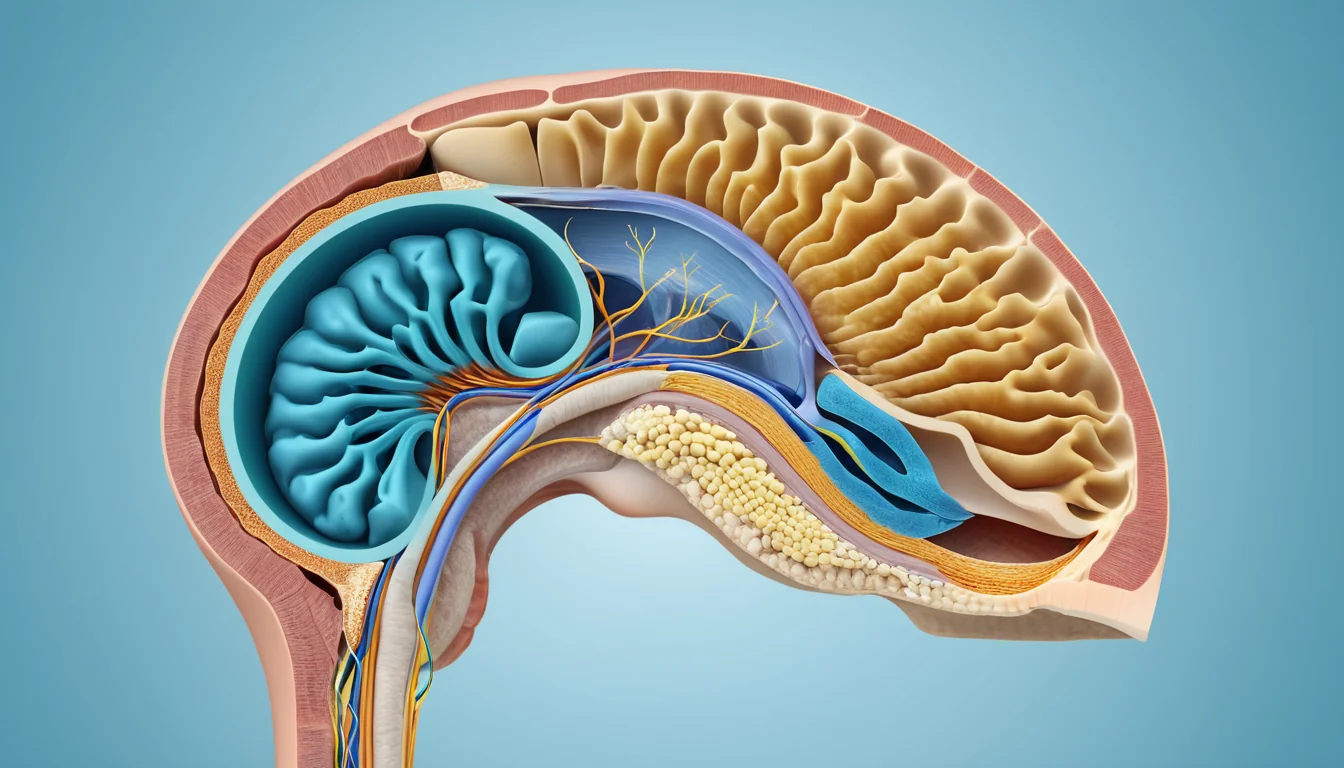
Vertigo causes symptoms that go far beyond simple dizziness — it is the unsettling sensation that you or everything around you is spinning, even when nothing is moving. Many Canadians experience vertigo at some point in their lives, and episodes can range from a brief nuisance to a condition that seriously disrupts daily routines, work, and independence.
Understanding Vertigo Causes Symptoms and Warning Signs
Understanding what causes vertigo is the first step toward finding relief. Whether it stems from an inner-ear disorder like BPPV, Ménière’s disease, or even stress and anxiety, recognising the signs of vertigo early can help you get the right diagnosis and treatment. In this guide, we explain the most common triggers, what symptoms to watch for, and when Canadians should visit a family doctor or walk-in clinic.
What Is Vertigo?
| Type of Vertigo | Primary Cause | Key Symptoms | Management Approach |
|---|---|---|---|
| Benign Paroxysmal Positional Vertigo (BPPV) | Displaced calcium crystals (otoliths) in the inner ear canals | Brief spinning episodes triggered by head movement, nausea, unsteadiness | Epley manoeuvre performed by a physiotherapist or physician; self-resolution common |
| Vestibular Neuritis | Viral infection causing inflammation of the vestibular nerve | Sudden, severe vertigo lasting days; nausea, vomiting, difficulty walking; no hearing loss | Corticosteroids, vestibular suppressants (dimenhydrinate), vestibular rehabilitation exercises |
| Ménière’s Disease | Excess fluid buildup (endolymphatic hydrops) in the inner ear | Recurrent vertigo episodes, fluctuating hearing loss, tinnitus, ear fullness | Low-sodium diet, diuretics, betahistine (available in Canada), specialist referral to otolaryngology |
| Labyrinthitis | Bacterial or viral infection of the inner ear labyrinth | Vertigo, hearing loss, nausea, ear pain, possible fever | Antibiotics (if bacterial), antivirals, vestibular suppressants, rest and hydration |
| Central Vertigo | Neurological conditions affecting the brain (stroke, multiple sclerosis, tumour) | Persistent vertigo, difficulty swallowing or speaking, double vision, severe headache, loss of coordination | Urgent medical evaluation; treat underlying cause; neurology referral; call 9-1-1 if stroke suspected |
Vertigo is a feeling of false movement. You may feel like the room is spinning, or that you are tilting and rotating when you are standing still. It is a subjective experience — meaning only the person feeling it can truly describe it.
Many people use the word “dizziness” to describe vertigo, but the two are not always the same thing. Dizziness can also mean lightheadedness, which is a different problem often linked to blood pressure or circulation. True vertigo is usually linked to the inner ear or the brain’s balance system.
Vertigo can affect anyone. However, it becomes more common around age 20 and continues to affect all age groups after that. In older adults, balance problems from vertigo can lead to serious falls and fractures. This makes early diagnosis and treatment especially important.
Common Causes of Vertigo
Several conditions can trigger vertigo. The most common causes involve the inner ear, which is the part of the body responsible for balance and spatial awareness. When the inner ear is not working properly, the brain receives confusing signals — and vertigo is the result.
The three most common causes are viral infections, head injuries, and Ménière’s disease. However, vertigo can also occur alongside neurological conditions and other general health problems. Understanding the cause is the first step toward the right treatment.
Labyrinthitis
Labyrinthitis is a viral infection of the vestibular nerve — the nerve that carries balance signals from your inner ear to your brain. When this nerve becomes inflamed, one ear suddenly stops sending normal balance signals. As a result, the brain receives mismatched information from each ear and interprets this as constant spinning.
Labyrinthitis typically causes intense vertigo, nausea, and vomiting. The worst symptoms usually last about three days. However, you may feel slightly off-balance for several weeks afterward. In most cases, balance returns to normal within three to four weeks.
Benign Paroxysmal Positional Vertigo (BPPV)
BPPV is the most common form of positional vertigo. It occurs when a change in head position triggers a sudden, intense spinning sensation. For example, lying down with the affected ear facing the floor can set it off.
The spinning feeling in BPPV is usually brief but very intense. It is caused by tiny calcium crystals in the inner ear shifting out of place. Fortunately, BPPV responds very well to a simple physical therapy technique called the Epley manoeuvre, which a trained physiotherapist or doctor can perform. Learn more about BPPV from the Mayo Clinic’s overview of vertigo.
Ménière’s Disease
Ménière’s disease is a disorder of the inner ear that causes episodes of vertigo, ringing in the ears (tinnitus), and hearing loss. It is linked to abnormal fluid pressure in the inner ear. Salt retention can worsen symptoms — which is why some people notice flare-ups at certain times, such as during hormonal changes.
Managing salt intake and staying well hydrated can help reduce the frequency of episodes. A specialist — either an ENT (ear, nose, and throat) doctor or a neurologist — can help create a long-term management plan.
Stress, Anxiety, and Vertigo
Stress and anxiety do not directly cause vertigo. However, they can make existing vertigo significantly worse. Most people find that a spinning episode creates strong feelings of anxiety and fear — which can, in turn, intensify the sensation.
People who experience panic attacks may also feel sensations similar to vertigo. Therefore, managing stress through therapy, breathing exercises, or other strategies can be an important part of recovery. If anxiety is a concern for you, speak with your family doctor about support options available through your provincial health plan.
Video Games and Vertigo in Children
True vertigo is rare in young children but not impossible. One modern trigger worth noting is 3D video games. Games that simulate rapid movement can produce a brief spinning sensation. This is usually short-lived and not a sign of a serious problem. However, if a child experiences frequent or prolonged dizziness, it is worth discussing with a paediatrician.
Recognising the Symptoms of Vertigo
The main symptom of vertigo is a spinning sensation — a feeling that you or your surroundings are moving when they are not. This can come on suddenly and vary in intensity. Other symptoms often go hand-in-hand with vertigo.
Common symptoms include:
- Nausea and vomiting — especially during intense episodes
- Loss of balance — difficulty walking steadily
- Abnormal eye movements — a condition called nystagmus
- Ringing in the ears — often associated with Ménière’s disease
- Hearing changes — temporary hearing loss in some cases
- Headache — in vertigo linked to neurological causes
It is important to note that lightheadedness and vertigo are different experiences. Lightheadedness feels more like nearly fainting. If you are unsure which you are experiencing, keep track of your symptoms and describe them carefully to your doctor.
How Vertigo Is Diagnosed
Diagnosing vertigo requires a careful look at your full medical history, your symptoms, and a physical examination. Your doctor may perform specific head-movement tests to identify BPPV. They may also check your eye movements, which can reveal inner ear problems.
In some cases, your doctor may refer you for hearing tests, an MRI, or a CT scan to rule out neurological causes. According to Health Canada, balance disorders are among the more commonly underdiagnosed conditions — so it is worth being persistent if your symptoms are ongoing.
Two main specialists handle vertigo in Canada: ENT doctors (otolaryngologists) and neurologists. Your family doctor will guide you toward the right specialist based on your specific symptoms. Ataxia — a condition involving uncoordinated movements — can sometimes look like vertigo, but it originates in the cerebellum rather than the inner ear. A specialist can help tell the difference.
Treatment Options for Vertigo
The good news is that most causes of vertigo are treatable. Many cases even resolve on their own with time. Treatment depends entirely on the underlying cause, so an accurate diagnosis is key.
Physiotherapy and the Epley Manoeuvre
For BPPV, physiotherapy is often the first-line treatment. The Epley manoeuvre involves a series of guided head movements that reposition the displaced crystals in the inner ear. Most people see significant improvement after just one or two sessions. Vestibular rehabilitation — a specialised form of physiotherapy — can also help retrain the brain to compensate for inner ear problems.
Medication
Your doctor may prescribe medication to reduce the severity of vertigo episodes and relieve nausea. Common options include antihistamines, anti-nausea drugs, and in some cases, diuretics to reduce fluid build-up in the inner ear. Medication is often most helpful during the acute phase of an illness like labyrinthitis.
Surgery
Surgery is reserved for specific cases where other treatments have not worked. For example, some people with severe Ménière’s disease may benefit from a surgical procedure to relieve pressure in the inner ear. Your ENT specialist will discuss whether surgery is appropriate for your situation.
Lifestyle Adjustments
Simple lifestyle changes can make a meaningful difference. Reducing salt intake helps manage Ménière’s disease. Avoiding triggers like sudden head movements, bright screens, or alcohol can reduce episode frequency. Staying physically active — with safe, guided exercises — also supports long-term balance health. For more information on managing balance disorders, visit Healthline’s guide to vestibular balance disorders.
When to See a Doctor
Not every episode of vertigo needs an emergency visit. However, some situations do require prompt medical attention. You should see a doctor right away if your vertigo is accompanied by any of the following:
- Sudden severe headache
- Chest pain or shortness of breath
- Double vision or sudden vision loss
- Weakness or numbness in the face, arms, or legs
- Difficulty speaking or swallowing
- Loss of consciousness
These symptoms may indicate a stroke or another serious neurological event. Call 911 or go to your nearest emergency room immediately.
For ongoing or recurring vertigo without these warning signs, start by booking an appointment with your family doctor. If you do not have a family doctor, a walk-in clinic is a good first step. Many provinces have online tools to help you find a walk-in clinic near you. Your doctor can assess your symptoms and refer you to an ENT specialist or neurologist if needed.
Always consult a qualified healthcare provider before starting or stopping any treatment for vertigo. Self-diagnosis can lead to missed underlying conditions.
Frequently Asked Questions About Vertigo
What does vertigo feel like?
Vertigo feels like the world around you is spinning or tilting, even when you are perfectly still. Some people describe it as feeling like they are on a merry-go-round. Vertigo often comes with nausea, loss of balance, and sometimes vomiting.
What is the most common cause of vertigo?
The most common cause of vertigo is Benign Paroxysmal Positional Vertigo (BPPV), which happens when tiny crystals in the inner ear shift out of place. Other frequent causes include viral infections like labyrinthitis and Ménière’s disease. A doctor can determine the cause through a physical examination and specific movement tests.
Can vertigo go away on its own?
Yes, many cases of vertigo do resolve on their own without treatment. For example, labyrinthitis usually clears up within a few weeks. However, if your vertigo is frequent, severe, or interfering with daily life, you should see your family doctor for a proper assessment.
Is vertigo a sign of something serious?
Most cases of vertigo are not life-threatening and stem from inner ear problems. However, vertigo combined with sudden headache, weakness, vision changes, or difficulty speaking can be a sign of a stroke and requires emergency care. When in doubt, it is always best to get checked by a medical professional.
How is vertigo treated in Canada?
Vertigo treatment in Canada typically starts with a visit to your family doctor or a walk-in clinic. Depending on the cause, treatment may include physiotherapy, medication, lifestyle changes, or a referral to an ENT specialist or neurologist. Many treatments are covered under provincial health plans.
Can anxiety cause vertigo?
According to Mayo Clinic’s overview of vertigo causes and diagnosis, this information is supported by current medical research.
For more information, read our guide on loss of appetite and other signs of vertigo-related conditions.
Anxiety does not directly cause vertigo, but it can make the symptoms significantly worse. People with panic disorder may experience dizziness and spinning sensations that resemble vertigo. If anxiety is affecting your balance or wellbeing, speak with your family doctor about available mental health support.
Key Takeaways
- Vertigo is the sensation that you or your surroundings are spinning — it is not just ordinary dizziness.
- The most common causes are BPPV, labyrinthitis, and Ménière’s disease, all involving the inner ear.
- Many cases of vertigo resolve on their own, but ongoing or severe symptoms need medical evaluation.
- Treatment options include physiotherapy, medication, surgery, and lifestyle changes — depending on the cause.
- Stress and anxiety can worsen vertigo but do not cause it on their own.
- Start with your family doctor or a walk-in clinic — they can refer you to an ENT or neurologist if needed.
- Seek emergency care if vertigo comes with sudden headache, weakness, vision changes, or trouble speaking.
Frequently Asked Questions
What are the main vertigo causes and symptoms to watch for?
Vertigo is most commonly caused by inner ear disorders like BPPV, Meniere’s disease, or vestibular neuritis. Key symptoms include a spinning sensation, dizziness, nausea, vomiting, difficulty balancing, and abnormal eye movements. Symptoms may last seconds or hours depending on the underlying cause.
What does vertigo feel like?
Vertigo feels like the room is spinning or moving around you, even when you’re completely still. Many Canadians describe it as feeling off-balance, lightheaded, or tilting. It can be accompanied by nausea, sweating, and difficulty walking. Episodes can be brief or last several hours.
How is vertigo treated in Canada?
Vertigo treatment depends on the cause. BPPV is effectively treated with the Epley maneuver performed by a physiotherapist or doctor. Medications like antihistamines or antiemetics manage symptoms. Vestibular rehabilitation exercises, lifestyle changes, and occasionally surgery are also used for persistent cases.
What are the vertigo causes and symptoms that require medical attention?
Seek immediate medical care if vertigo is accompanied by sudden severe headache, vision changes, hearing loss, difficulty speaking, chest pain, or weakness in limbs. These symptoms may indicate stroke or serious neurological conditions requiring urgent evaluation at a Canadian emergency department.
Can vertigo be prevented?
Some vertigo triggers can be minimized by staying hydrated, limiting salt and caffeine intake, avoiding sudden head movements, and managing stress. Regular vestibular exercises may reduce recurrence. However, conditions like Meniere’s disease or BPPV cannot always be fully prevented, only managed effectively with proper medical guidance.

About the Author
Dr. Linda Chen, RD, PhDDr. Linda Chen is a registered dietitian and PhD in Nutritional Sciences from the University of British Columbia. With expertise in clinical nutrition, sports dietetics, and gut health, she has worked with leading Canadian hospitals and sports organizations. Dr. Chen is a member of Dietitians of Canada and regularly contributes to national nutrition policy discussions.
View all articles →