17-Hydroxyprogesterone Test: Guide for Canadians (2025)

Share
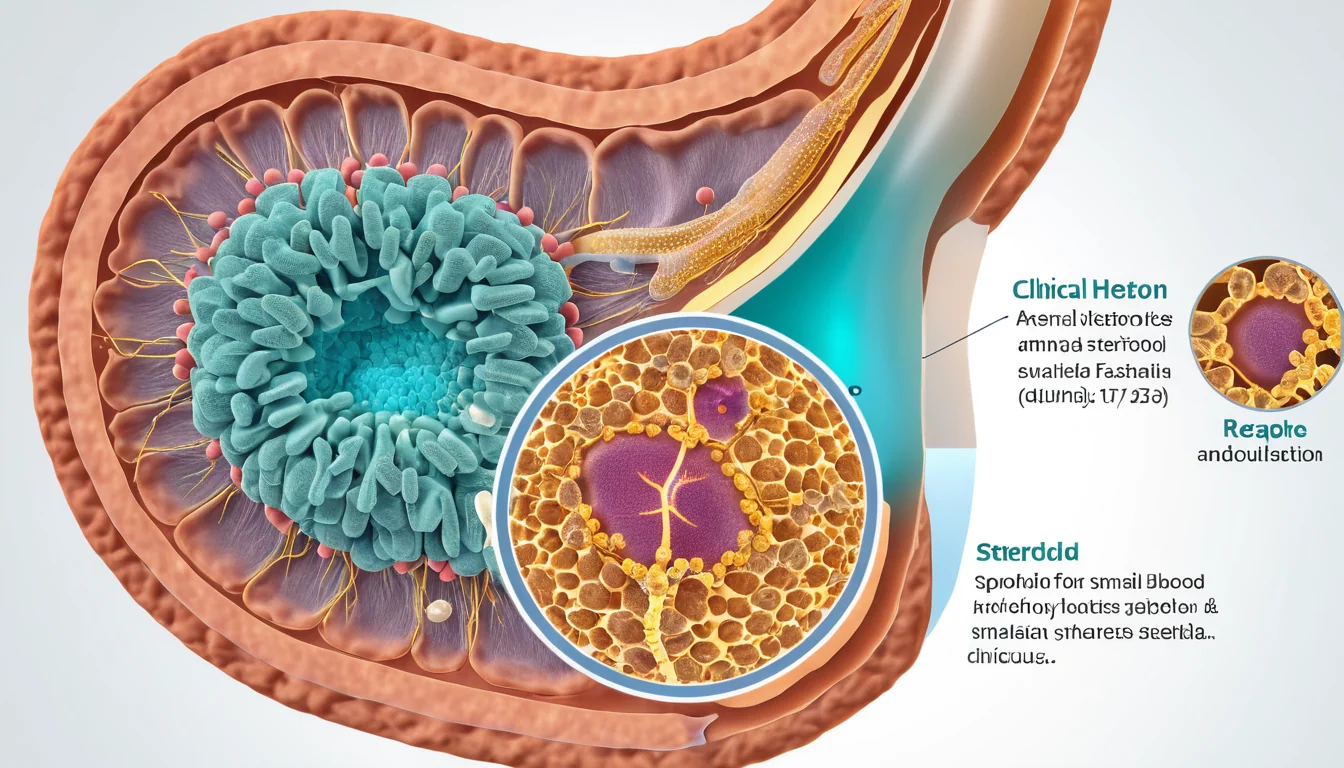
A 17-hydroxyprogesterone test is a simple blood test that measures a key hormone produced by your adrenal glands. Doctors across Canada use this test to help diagnose congenital adrenal hyperplasia (CAH), a condition that affects how the body produces cortisol and other essential hormones. The test can be performed on newborns, children, and adults alike.
How the 17-Hydroxyprogesterone Test Works and What to Expect
Understanding your 17-OHP blood test results and knowing when this screening is needed can help you have a more informed conversation with your family doctor or healthcare provider. Whether you are a parent concerned about newborn screening or an adult experiencing unusual symptoms, this guide explains everything Canadians need to know about the test, including preparation, normal ranges, and what high levels may indicate.
What Is 17-Hydroxyprogesterone?
| Type | Characteristics | 17-OHP Levels | Management |
|---|---|---|---|
| Classic Salt-Wasting CAH | Severe cortisol and aldosterone deficiency; life-threatening adrenal crisis possible in newborns; ambiguous genitalia in females | Markedly elevated (often >100 nmol/L) | Immediate glucocorticoid and mineralocorticoid replacement; lifelong hormone therapy; monitored by pediatric endocrinologist |
| Classic Simple-Virilizing CAH | Cortisol deficiency without significant salt loss; virilization in females; early puberty in males | Significantly elevated (typically 30–100 nmol/L) | Glucocorticoid replacement therapy; surgical consultation may be required; regular endocrine follow-up |
| Non-Classic (Late-Onset) CAH | Milder enzyme deficiency; presents in childhood or adulthood; symptoms include acne, irregular periods, and excess hair growth | Mildly to moderately elevated (10–30 nmol/L) | Low-dose glucocorticoid therapy if symptomatic; monitoring without treatment in asymptomatic cases |
| Cryptic (Asymptomatic) CAH | Biochemical abnormality with no clinical symptoms; often identified incidentally through family screening or genetic testing | Mildly elevated or borderline (6–10 nmol/L) | Regular monitoring recommended; treatment typically not required unless symptoms develop |
| Normal / Unaffected | No adrenal enzyme deficiency; typical cortisol and aldosterone production; no signs of virilization or adrenal insufficiency | Within reference range (<6 nmol/L in most labs) | No treatment required; routine well-child or adult care as appropriate per Canadian clinical guidelines |
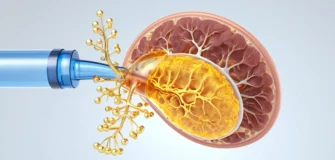
17-hydroxyprogesterone (often written as 17-OHP) is a hormone produced by the adrenal glands — two small glands that sit on top of your kidneys. It acts as a building block for making cortisol, which is one of the body’s most important stress hormones.
Cortisol does several critical jobs. It helps regulate blood sugar, reduces inflammation, and supports your immune system. When the body cannot properly convert 17-OHP into cortisol, levels of 17-OHP build up in the blood. This build-up is a key sign that something is interfering with normal hormone production.
In addition, 17-OHP is linked to the production of other hormones, including androgens (male sex hormones that both men and women produce). An excess of these androgens can cause symptoms like unwanted hair growth and irregular periods in women.
Why the 17-Hydroxyprogesterone Test Is Ordered
Your doctor may order a 17-hydroxyprogesterone test for several reasons. The most common reason is to check for congenital adrenal hyperplasia (CAH), a genetic condition present from birth.
However, the test is also useful for adults who are showing symptoms that suggest a hormonal imbalance. Here are the most common reasons a doctor might recommend this test:
- Newborn screening: In Canada, many provinces include CAH in their newborn screening programmes. Early detection is important because CAH can be life-threatening if left untreated in infants.
- Hirsutism in women: This means excess hair growth on the face, chest, or back. It can be a sign that androgen levels are too high.
- Irregular menstrual cycles: Women with unexplained irregular periods may be tested to rule out CAH as an underlying cause.
- Infertility: Both men and women being investigated for infertility may benefit from this test, particularly if there is a family history of CAH.
- Ambiguous genitalia in newborns: When a baby’s sex characteristics are not clearly defined at birth, this test can help identify hormonal causes.
- Puberty concerns: Early or delayed puberty can sometimes be linked to adrenal gland conditions that this test can help identify.
Furthermore, if someone in your immediate family has been diagnosed with CAH, your doctor may recommend genetic counselling and testing for you as well. Health Canada supports newborn screening programmes across provinces as part of early disease detection efforts.
Understanding Congenital Adrenal Hyperplasia (CAH)
What Is CAH?
Congenital adrenal hyperplasia is a group of inherited disorders that affect the adrenal glands. The adrenal glands cannot produce enough cortisol because key enzymes are missing or not working properly. As a result, the glands work harder and grow larger — which is what “hyperplasia” means.
About 90% of all CAH cases are caused by a mutation in the CYP21A2 gene. This gene provides instructions for making an enzyme called 21-hydroxylase. Without this enzyme, the body cannot complete the steps needed to produce cortisol and aldosterone (a hormone that helps regulate salt and water balance).
Two Forms of Enzyme Deficiency
Elevated 17-OHP levels are most often linked to deficiencies in two specific enzymes:
- 21-hydroxylase deficiency: The most common cause of CAH. It accounts for the vast majority of cases worldwide.
- 11-beta-hydroxylase deficiency: A less common but significant cause of CAH that also raises 17-OHP levels.
When either of these enzymes is deficient, 17-hydroxyprogesterone cannot be properly converted, so it accumulates in the blood. Therefore, a high test result is a strong indicator that one of these enzyme deficiencies may be present.
Symptoms of CAH
Symptoms of congenital adrenal hyperplasia can vary widely from person to person. They may develop gradually over time, or they may be present at birth.
Common symptoms include:
- Early or unusual puberty
- Rapid growth in childhood, but shorter-than-average adult height
- Excess body or facial hair in females (hirsutism)
- Irregular or absent menstrual periods
- Acne
- Infertility in both men and women
- Fatigue and low blood pressure (in more severe cases)
If CAH goes untreated, it can significantly affect a child’s growth, development, and puberty. In adults, untreated CAH can lead to fertility problems and ongoing hormonal imbalances. For more information on adrenal gland disorders, visit Mayo Clinic’s guide to congenital adrenal hyperplasia.
How the 17-Hydroxyprogesterone Test Works
How to Prepare for the Test
Preparation for the 17-hydroxyprogesterone test is straightforward, but timing matters. Your doctor will likely ask you to have blood drawn in the morning. This is because 17-OHP levels follow a daily pattern and are typically highest in the early morning hours.
For women, the test should ideally be done during the follicular phase of the menstrual cycle — that is, within the first 10 days after your period begins. Hormone levels shift throughout the menstrual cycle, so testing at the right time helps ensure the most accurate result.
In addition, if you are feeling unwell or under significant stress, your cortisol levels may be temporarily elevated. Let your doctor know, as this can affect how results are interpreted.
How the Test Is Performed
The test involves a simple blood draw, usually from a vein in your arm. The sample is then sent to a lab for analysis. In most cases, the lab uses a method called ELISA (enzyme-linked immunosorbent assay) to measure hormone levels in the blood. This is a well-established and reliable laboratory technique.
For newborns, the test is typically done using a heel prick blood sample as part of routine newborn screening. Results are usually available within a few days.
Understanding Your Results
Normal 17-OHP levels vary depending on age, sex, and the phase of the menstrual cycle. Your doctor will compare your results against reference ranges provided by the laboratory.
In general:
- Normal levels suggest no enzyme deficiency is present.
- Mildly elevated levels may indicate a non-classic (mild) form of CAH or prompt further testing.
- Significantly elevated levels strongly suggest classic CAH and will lead to additional investigation and treatment planning.
However, it is important not to interpret results on your own. Your doctor will look at your results alongside your symptoms, medical history, and possibly other hormone tests. According to Healthline’s overview of hormone testing, context is essential when evaluating hormonal lab results.
Who Should Be Tested?
The 17-hydroxyprogesterone test is recommended in several specific situations. Your family doctor or a specialist (such as an endocrinologist or gynaecologist) may suggest testing if you fall into one of the following groups:
- Women with hirsutism: Unexplained excess hair growth is one of the most common reasons for ordering this test in adult women.
- Women with irregular periods: Especially when other causes like polycystic ovary syndrome (PCOS) have been ruled out.
- Men with unexplained infertility: Particularly if there is a known family history of CAH.
- Newborns: As part of provincial newborn screening programmes.
- Children with early puberty: If a child is showing signs of puberty much earlier than expected.
- People with a family history of CAH: Genetic carriers may have mildly elevated levels and benefit from monitoring.
In Canada, access to this test is available through a referral from your family doctor or a specialist. If you have concerns, speak with your healthcare provider about whether this test is appropriate for your situation.
When to See a Doctor
You should speak with your family doctor if you or your child is showing any of the symptoms described above — particularly unexplained hair growth, irregular periods, early puberty, or fertility difficulties. These symptoms do not always mean CAH is present, but they do warrant a proper evaluation.
If you do not have a family doctor, a walk-in clinic is a good first step. A walk-in physician can order initial blood work, including the 17-hydroxyprogesterone test, and refer you to a specialist if needed. Most provinces cover this type of diagnostic testing under their provincial health plans, so the cost should be minimal or covered entirely.
If a newborn is showing signs of illness shortly after birth — such as poor feeding, vomiting, or extreme fatigue — seek emergency care right away. These can be signs of a severe form of CAH called a “salt-wasting crisis,” which requires immediate medical attention.
Always consult a qualified healthcare provider before drawing any conclusions from your test results. Only a doctor can properly interpret hormone levels in the context of your full health picture.
Frequently Asked Questions
What does a 17-hydroxyprogesterone test measure?
A 17-hydroxyprogesterone test measures the level of a hormone called 17-OHP in your blood. This hormone is produced by the adrenal glands and serves as a building block for making cortisol. Elevated levels can indicate that a key enzyme in the hormone production process is missing or not working correctly.
What does a high 17-hydroxyprogesterone level mean?
High levels of 17-hydroxyprogesterone usually indicate a deficiency in the enzyme 21-hydroxylase or 11-beta-hydroxylase, both of which are needed to produce cortisol. This is the hallmark finding in congenital adrenal hyperplasia (CAH). However, your doctor will review your full medical history and other test results before making a diagnosis.
When should the 17-hydroxyprogesterone test be done during the menstrual cycle?
For the most accurate results, doctors recommend doing the 17-hydroxyprogesterone test during the follicular phase — ideally within the first 10 days of your menstrual cycle. Hormone levels fluctuate throughout the cycle, which can affect test results. Testing in the morning is also preferred, as 17-OHP levels tend to be at their highest early in the day.
Is the 17-hydroxyprogesterone test part of newborn screening in Canada?
Yes, many Canadian provinces include testing for congenital adrenal hyperplasia as part of their newborn screening programmes. A small blood sample is taken from the baby’s heel shortly after birth and tested for elevated 17-OHP levels. Early detection is critical because severe CAH can cause a dangerous condition called a salt-wasting crisis in newborns.
Can the 17-hydroxyprogesterone test diagnose PCOS?
The 17-hydroxyprogesterone test is not used to diagnose polycystic ovary syndrome (PCOS) directly. However, it is often ordered to rule out congenital adrenal hyperplasia in women who have PCOS-like symptoms such as irregular periods and excess hair growth. This helps ensure the right condition is being treated.
Does stress affect 17-hydroxyprogesterone test results?
According to Mayo Clinic’s overview of congenital adrenal hyperplasia, this information is supported by current medical research.
For more information, read our guide on signs of dehydration in children.
Yes, physical stress and illness can raise cortisol levels, which may indirectly affect how your hormone results are interpreted. If you are sick or under significant stress at the time of your blood draw, let your doctor know. They may recommend retesting once you are feeling better to get the most accurate picture of your hormone levels.
Key Takeaways
- The 17-hydroxyprogesterone test is a blood test used to detect problems with adrenal gland hormone production.
- It is the primary tool for diagnosing congenital adrenal hyperplasia (CAH), a genetic condition affecting cortisol production.
- About 90% of CAH cases are caused by a mutation in the CYP21A2 gene, which affects the 21-hydroxylase enzyme.
- The test is recommended for women with hirsutism or irregular periods, men with unexplained infertility, and newborns as part of provincial screening programmes.
- For the most accurate results, women should be tested in the morning during the first 10 days of their menstrual cycle.
- If you have symptoms of a hormonal imbalance, speak with your family doctor or visit a walk-in clinic. Most provincial health plans cover diagnostic hormone testing.
- Never interpret hormone test results on your own — always work with a qualified healthcare provider for a proper diagnosis and treatment plan.
Frequently Asked Questions
What is a 17-hydroxyprogesterone test?
A 17-hydroxyprogesterone test is a blood test that measures levels of 17-OHP, a hormone produced by the adrenal glands. It is primarily used to diagnose congenital adrenal hyperplasia (CAH), a genetic condition affecting cortisol production. In Canada, this test is part of routine newborn screening programs in most provinces.
What are the symptoms of high 17-hydroxyprogesterone levels?
High 17-hydroxyprogesterone levels may cause early puberty in children, irregular or absent periods in women, acne, excess facial hair, infertility, and fatigue. In newborns, severely elevated levels can cause a life-threatening adrenal crisis with vomiting, dehydration, and poor feeding, requiring immediate medical attention.
How is an abnormal 17-hydroxyprogesterone test treated in Canada?
Treatment depends on the underlying cause but typically involves daily corticosteroid medications such as hydrocortisone to replace deficient cortisol and suppress excess hormone production. Canadian endocrinologists monitor dosing carefully throughout life, with adjustments during illness, surgery, or pregnancy to prevent adrenal crisis.
Can the 17-hydroxyprogesterone test diagnose PCOS or infertility?
Yes, doctors may order a 17-hydroxyprogesterone test to rule out non-classic CAH, which mimics polycystic ovary syndrome (PCOS) with symptoms like irregular periods, excess hair growth, and infertility. Distinguishing between these conditions is essential, as their treatments differ significantly and misdiagnosis can delay effective care.
When should you see a doctor about your 17-hydroxyprogesterone test results?
See a doctor promptly if your results are abnormal, especially if you experience irregular periods, unexplained infertility, early puberty signs in your child, or persistent fatigue. In Canada, consult your family physician or request an endocrinologist referral for proper interpretation, follow-up testing, and personalized treatment planning.

About the Author
Dr. Michael Ross, MD, FRCSCDr. Michael Ross is a fellowship-trained orthopedic surgeon at the University of Alberta Hospital, specializing in joint replacement and sports medicine. A Fellow of the Royal College of Surgeons of Canada (FRCSC), he has over 18 years of surgical experience and has authored multiple textbook chapters on musculoskeletal health. Dr. Ross is passionate about patient education and evidence-based medicine.
View all articles →