
Uric Acid Urine Test: What Your Results Mean (Canada)

Share
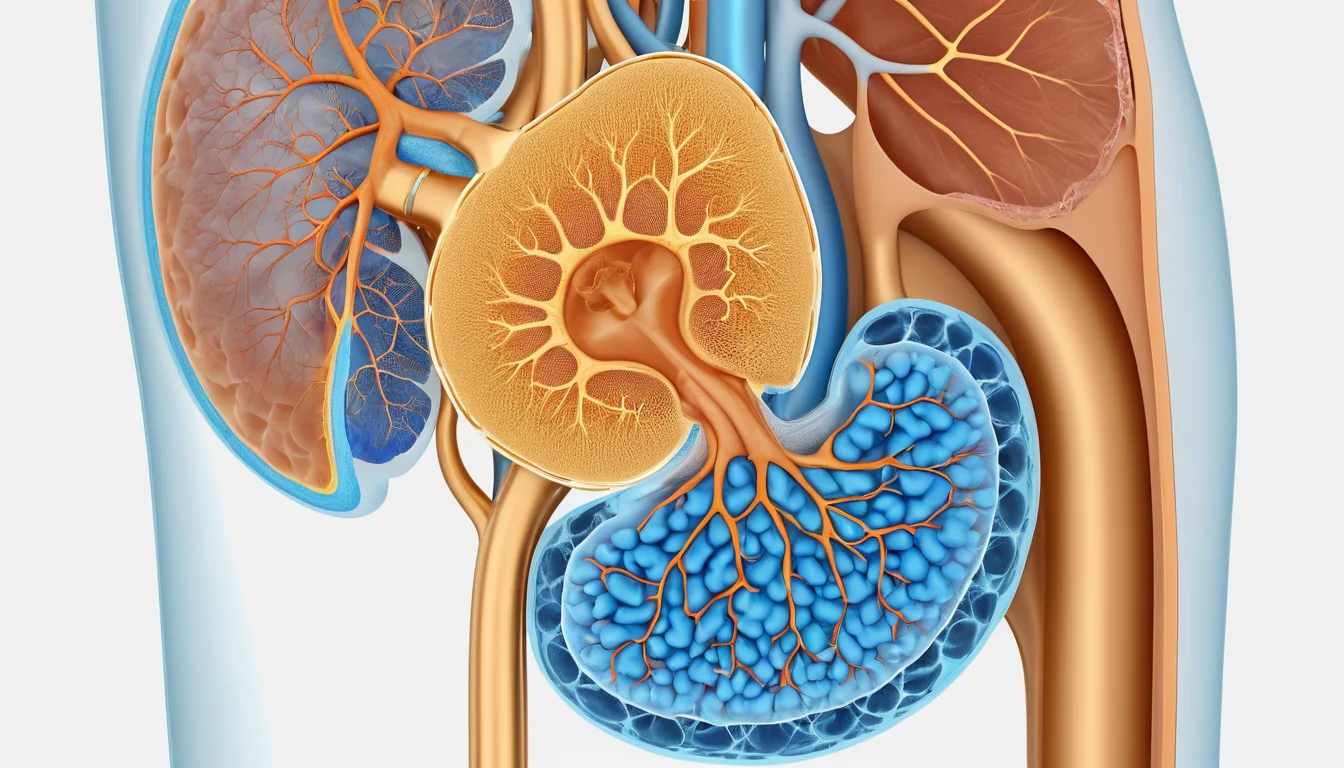
A uric acid urine test measures how much uric acid your body eliminates through your urine over a set period, helping your doctor identify potential health concerns early. Your kidneys are responsible for filtering uric acid from your blood and removing it each time you urinate. When this process breaks down, uric acid can accumulate and lead to serious conditions such as gout and kidney stones.
How to Prepare for Your Uric Acid Urine Test
For many Canadians, a 24-hour urine uric acid test is the most common way doctors assess whether uric acid levels in urine fall within a healthy range. Most people excrete between 250 and 750 mg of uric acid daily, and results outside this range may signal an underlying issue that requires further investigation. Understanding what this test involves and what your results mean can empower you to take charge of your health with your family doctor.
What Is a Uric Acid Urine Test?
| Result Category | Uric Acid Level (mmol/day) | Possible Indication | Recommended Next Steps |
|---|---|---|---|
| Normal Range | 1.48 – 4.43 mmol/day | Healthy purine metabolism; kidneys excreting uric acid appropriately | No immediate action required; maintain balanced diet and regular hydration |
| Low (Hypouricosuria) | Below 1.48 mmol/day | Possible kidney dysfunction, lead toxicity, or certain medications reducing excretion | Follow up with your family physician; kidney function tests may be ordered |
| Borderline High | 4.44 – 5.90 mmol/day | Elevated purine intake, early gout risk, or increased cell turnover | Dietary review recommended; reduce red meat, organ meats, and alcohol consumption |
| High (Hyperuricosuria) | Above 5.90 mmol/day | Gout, uric acid kidney stones, leukemia, or high-purine diet | Consult physician promptly; imaging and additional bloodwork likely required |
| Critically Elevated | Above 8.00 mmol/day | Significant metabolic disorder, tumour lysis syndrome, or severe kidney impairment | Urgent medical evaluation; specialist referral (nephrologist or rheumatologist) advised |
Uric acid is a natural waste product your body makes when it breaks down certain foods and body cells. Normally, your kidneys filter it out and it leaves your body in your urine. However, sometimes the kidneys cannot keep up, and uric acid levels rise.
The uric acid urine test is usually done as a 24-hour urine collection. This means you collect all your urine over a full day and night. This gives a more complete picture than a single urine sample.
Most people pass between 500 and 600 mg of uric acid in their urine every 24 hours. If your results show more than 800 mg, your doctor will likely recommend follow-up tests. According to Mayo Clinic’s overview of uric acid testing, both blood and urine levels are often checked together for a fuller picture.
Why Would Your Doctor Order a Uric Acid Urine Test?
Your doctor may recommend this test for several reasons. It is not always ordered as a routine check-up test. Instead, it is usually requested when there is a specific concern.
Suspected Gout
Gout is a painful form of arthritis caused by too much uric acid in the blood. It often causes sudden, intense pain in the joints. The big toe, ankles, and wrists are the most commonly affected areas.
Symptoms of gout include swelling, redness, and warmth around the joints. The joint can feel extremely tender, even to a light touch. A uric acid urine test helps confirm whether high uric acid is behind these symptoms.
Kidney Stone Risk
Uric acid can form crystals that clump together into kidney stones. These stones can be very painful and may block urine flow. If you have had kidney stones before, or if your doctor suspects you are at risk, this test can help find out why.
Knowing the cause of your kidney stones helps your doctor recommend the right treatment and diet changes. For example, uric acid stones require a different approach than calcium-based stones. Therefore, identifying the type of stone matters a great deal.
Genetic Conditions
In some cases, this test helps identify certain genetic disorders that affect how the body handles uric acid. One example is Lesch-Nyhan syndrome, a rare condition where the body produces far too much uric acid. Early identification through testing can help manage the condition more effectively.
Understanding Your Uric Acid Urine Test Results
Test results are not always straightforward. A result that falls outside the normal range does not automatically mean something is seriously wrong. Your doctor will look at your full health picture before drawing any conclusions.
High Uric Acid Levels
Elevated uric acid in urine is called hyperuricosuria. This can be linked to gout, kidney stones, or certain blood cancers such as leukaemia. In addition, Lesch-Nyhan syndrome can cause very high levels.
A high result on a uric acid urine test does not always mean disease is present. Diet, medications, and hydration levels all affect results. Furthermore, some people naturally produce more uric acid than others without experiencing any symptoms.
Low Uric Acid Levels
Low uric acid levels in urine can also signal a health concern. This may point to kidney disease, where the kidneys are not filtering properly. Lead poisoning is another possible cause of low uric acid levels, though this is less common.
As a result, both high and low results need proper medical evaluation. Your family doctor or specialist will interpret your results in context. Never try to self-diagnose based on numbers alone.
How to Prepare for a Uric Acid Urine Test
Preparation plays an important role in getting accurate results. Your doctor will give you specific instructions, but there are some general guidelines that apply to most people.
Follow a Special Diet
It is recommended that you follow a controlled diet for at least 24 hours before and during the test. Certain foods are high in purines, which your body converts into uric acid. Eating large amounts of these foods right before the test can make your results appear higher than your true baseline.
Foods high in purines include red meat, organ meats like liver, shellfish, and some types of fish such as sardines and anchovies. Reducing these foods before your test helps ensure accurate results. Your doctor may give you a more specific list to follow.
Avoid Alcohol
Alcohol affects how your body processes uric acid. It can raise uric acid levels and interfere with how your kidneys eliminate it. Therefore, you should avoid alcohol during the collection period and ideally for 24 hours beforehand.
Review Your Medications
Some medications can affect uric acid levels in your urine. These include certain diuretics, aspirin, and some vitamins. If you are on any medications, tell your doctor before the test. You may need to pause certain drugs temporarily, but only do so under medical guidance.
According to Healthline’s guide to uric acid in urine, several common drugs can raise or lower uric acid readings. Always follow your doctor’s advice about adjusting your medications before testing.
What Factors Can Affect Your Results?
Many everyday factors can change the outcome of a uric acid urine test. Being aware of these helps you prepare properly and helps your doctor interpret your results accurately.
Diet and Hydration
What you eat and drink has a direct effect on uric acid levels. High-purine foods raise uric acid production. Dehydration concentrates your urine, which can make levels appear higher than they truly are.
Drinking plenty of water throughout the collection period is important. However, do not change your usual habits drastically unless your doctor advises it. The goal is to reflect your normal daily patterns.
Physical Activity
Intense exercise can temporarily raise uric acid levels. This is because vigorous physical activity breaks down muscle tissue, which releases purines. As a result, try to avoid unusually strenuous workouts during the 24-hour collection period.
Stress and Illness
Physical stress from illness or surgery can also affect uric acid levels. If you are unwell at the time of the test, let your doctor know. They may decide to reschedule the test for a more stable time in your health.
Uric Acid and Gout: What Canadians Should Know
Gout is more common than many people realize. It affects roughly 1 in 40 Canadians, and rates are rising. It is one of the most treatable forms of arthritis, but it is often under-diagnosed.
The uric acid urine test is one tool doctors use to understand gout better. However, gout is typically diagnosed using a combination of blood tests, urine tests, and physical examination. In some cases, a doctor may examine joint fluid under a microscope to confirm the diagnosis.
Managing gout often involves both medication and lifestyle changes. Dietary adjustments, staying well hydrated, and limiting alcohol can all help reduce flares. Your provincial health plan covers many of the diagnostic tests and treatments associated with gout, so speak with your family doctor about your options.
For more information on managing gout and uric acid levels, visit Health Canada’s official health resources.
When to See a Doctor
You should speak with your family doctor if you experience sudden joint pain, swelling, or redness that comes on without obvious cause. These can be early signs of gout. Similarly, if you have had kidney stones in the past, ask your doctor whether a uric acid urine test makes sense for you.
If you do not have a family doctor, a walk-in clinic can be a good starting point. A walk-in clinic doctor can order this test and refer you to a specialist if needed. Most provincial health plans in Canada cover urine tests ordered by a doctor, so cost should not be a barrier.
Do not wait for symptoms to become severe. Catching elevated uric acid early gives you and your doctor more options for managing the condition before complications develop. As always, this article is for general information only. Please consult your doctor or a qualified healthcare provider for advice specific to your health situation.
Frequently Asked Questions
What does a uric acid urine test measure?
A uric acid urine test measures the amount of uric acid your kidneys remove from your blood and pass into your urine over a 24-hour period. It helps doctors diagnose conditions like gout and kidney stones. Normal levels typically fall between 500 and 800 mg per 24 hours.
What does high uric acid in urine mean?
High uric acid in urine may indicate gout, kidney stones, or certain conditions like leukaemia or Lesch-Nyhan syndrome. However, diet and medications can also raise levels temporarily. Your doctor will consider your full health history before making a diagnosis.
How do I prepare for a uric acid urine test?
To prepare for a uric acid urine test, follow a low-purine diet for 24 hours beforehand and avoid alcohol during the collection period. Let your doctor know about any medications you are taking, as some can affect your results. Your doctor may ask you to temporarily stop certain drugs before the test.
What foods should I avoid before a uric acid urine test?
Before a uric acid urine test, you should avoid high-purine foods such as red meat, organ meats, shellfish, sardines, and anchovies. Alcohol should also be avoided, as it raises uric acid levels. Drinking plenty of water and eating a balanced, low-purine diet helps ensure accurate results.
Is a uric acid urine test covered by provincial health plans in Canada?
In most Canadian provinces, urine tests ordered by a licensed physician are covered under provincial health plans. This includes the uric acid urine test when ordered for a medically necessary reason. Check with your provincial health authority or ask your family doctor or walk-in clinic for details specific to your province.
What is the difference between a uric acid blood test and a uric acid urine test?
According to Mayo Clinic’s guide to high uric acid levels, this information is supported by current medical research.
For more information, read our guide on dehydration and its effects on kidney health.
A uric acid blood test measures how much uric acid is circulating in your bloodstream at a single point in time. A uric acid urine test, on the other hand, measures how much your kidneys are excreting over a full 24-hour period. Doctors often use both tests together to get a complete picture of how your body is handling uric acid.
Key Takeaways
- A uric acid urine test measures how much uric acid your kidneys remove over 24 hours.
- Your doctor may order this test if you show signs of gout, have a history of kidney stones, or need to identify certain genetic conditions.
- Normal uric acid output is between 500 and 600 mg per 24 hours. Levels above 800 mg may require further investigation.
- Both high and low results can signal health concerns, including gout, kidney disease, leukaemia, or lead poisoning.
- Prepare by following a low-purine diet, avoiding alcohol, and reviewing your medications with your doctor.
- Diet, hydration, physical activity, and medications can all affect your results.
- Gout affects roughly 1 in 40 Canadians and is highly treatable when caught early.
- Most provincial health plans in Canada cover this test when it is medically ordered.
- Always speak with your family doctor or visit a walk-in clinic if you have concerns about your uric acid levels.
Frequently Asked Questions
What is a uric acid urine test?
A uric acid urine test measures how much uric acid your kidneys excrete over 24 hours. It helps diagnose gout, kidney stones, and kidney disorders. Your doctor collects all urine produced in a day to assess whether your body produces or eliminates too much uric acid, guiding appropriate treatment decisions.
What are the symptoms of high uric acid levels in the body?
High uric acid levels can cause sudden joint pain, swelling, and redness — especially in the big toe — which are classic gout symptoms. Other signs include kidney stones, frequent urination, and lower back pain. Some people have elevated uric acid with no symptoms at all, a condition called asymptomatic hyperuricemia.
What do abnormal uric acid urine test results mean?
Abnormal results indicate your body is either overproducing or underexcreting uric acid. High levels suggest gout, kidney stones, or certain cancers. Low levels may point to kidney disease or lead poisoning. Your Canadian healthcare provider will interpret results alongside blood tests, symptoms, and medical history before recommending treatment.
How can I lower uric acid levels naturally in Canada?
You can lower uric acid by staying well-hydrated, limiting alcohol and purine-rich foods like red meat, organ meats, and shellfish. Maintaining a healthy weight, exercising regularly, and eating more low-fat dairy, vegetables, and cherries also help. Always consult your doctor before making significant dietary changes or stopping prescribed medications.
When should I see a doctor about uric acid levels?
See a doctor if you experience recurring joint pain, swelling, or warmth — particularly in your feet or ankles — or if you’ve had kidney stones. In Canada, your family physician can order a uric acid urine test if gout or kidney problems are suspected. Early diagnosis prevents long-term joint and kidney damage.

About the Author
Dr. James Okafor, MD, PhDDr. James Okafor holds an MD and PhD in Neurological Sciences from McGill University. With 12 years of experience in clinical neurology and mental health research, he has contributed to landmark studies on depression, anxiety, and cognitive health. Dr. Okafor is a Fellow of the Royal College of Physicians and Surgeons of Canada and serves on the editorial board of two peer-reviewed journals.
View all articles →