
Plasma Renin Activity Test: Guide for Canadians (2025)

Share
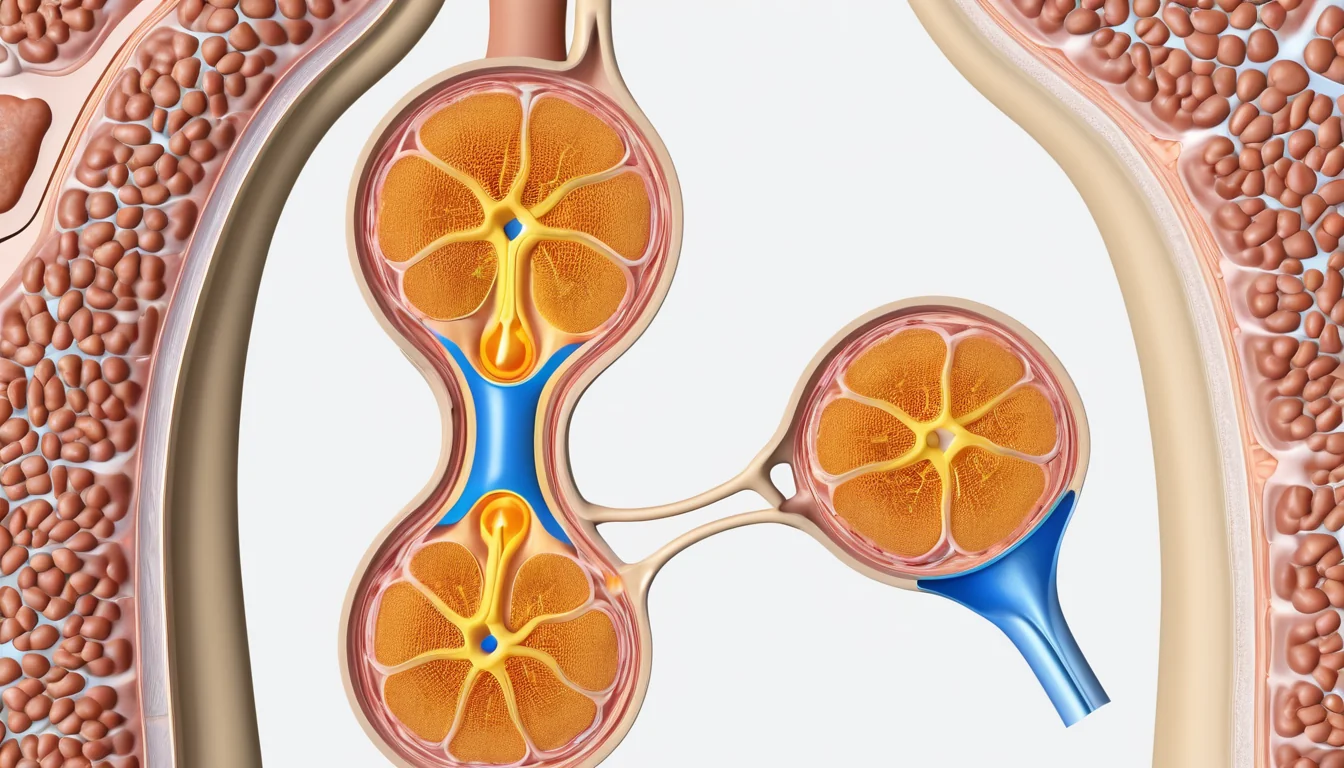
A plasma renin activity test is a specialized blood test that helps your doctor determine why your blood pressure may be elevated or why your body is struggling to balance salt and water levels. Ordered frequently across Canadian clinics and hospitals, this test measures renin, a critical hormone produced by your kidneys that directly influences blood pressure regulation and electrolyte balance.
How the Plasma Renin Activity Test Works in Canada
Your doctor will almost always request this test alongside an aldosterone renin ratio assessment, as combining both results provides a far clearer clinical picture. Aldosterone, a hormone produced by the adrenal glands sitting atop each kidney, works closely with renin to regulate sodium and potassium in your blood. For Canadians experiencing unexplained high blood pressure, low potassium, or symptoms of adrenal disorders, understanding these two hormones together is essential for accurate diagnosis and effective treatment.
What Is the Plasma Renin Activity Test?
| Condition | Renin Activity Level | Key Characteristics | Management Approach |
|---|---|---|---|
| Primary Hyperaldosteronism (Conn’s Syndrome) | Low (suppressed) | Excess aldosterone production from adrenal glands; common cause of resistant hypertension in Canada | Adrenalectomy for unilateral disease; mineralocorticoid antagonists (e.g., spironolactone) for bilateral disease |
| Renovascular Hypertension | High (elevated) | Renal artery stenosis triggers excess renin release; accounts for 1–5% of hypertension cases | ACE inhibitors, ARBs; renal artery angioplasty or stenting in eligible patients |
| Adrenal Insufficiency (Addison’s Disease) | High (elevated) | Low cortisol and aldosterone; sodium loss and potassium retention; fatigue, low blood pressure | Corticosteroid and fludrocortisone replacement therapy; managed through endocrinology in Canada |
| Essential Hypertension (Low-Renin Subtype) | Low to normal | Volume-dependent hypertension; more prevalent in older adults and individuals of African descent | Dietary sodium reduction; thiazide diuretics or calcium channel blockers as first-line therapy |
| Renal Parenchymal Disease | Variable (often elevated) | Chronic kidney disease activates the renin-angiotensin system; contributes to secondary hypertension | ACE inhibitors or ARBs; blood pressure control; nephrology referral through provincial health systems |
Renin is a hormone made by your kidneys. It plays a key role in controlling your blood pressure and the balance of sodium (salt) and potassium in your blood. When renin levels rise or fall out of the normal range, it can signal a problem with your kidneys or adrenal glands.
The plasma renin activity test measures how active renin is in your blood. Your doctor will usually order this test alongside an aldosterone blood test. Aldosterone is a hormone produced by your adrenal glands, which sit just above each kidney.
For more background on how hormones affect blood pressure, visit Mayo Clinic’s overview of high blood pressure causes.
Why Would Your Doctor Order This Test?
Your family doctor or specialist may order a plasma renin activity test for several reasons. The most common triggers are high blood pressure that is hard to control and low potassium levels in your blood. These two findings together can point to a hormonal imbalance.
Signs and Symptoms That May Lead to Testing
Your doctor may recommend this test if you are experiencing any of the following:
- Persistently high blood pressure, even with medication
- Low potassium levels (which can cause muscle weakness or cramps)
- An electrolyte imbalance found during routine blood work
- Unexplained fatigue or muscle weakness
- Swelling in your legs or ankles
These symptoms alone do not confirm a diagnosis. However, they give your doctor important clues. Combined with your test results, they help build a complete picture of your health.
Understanding Aldosterone and Renin Together
Aldosterone and renin work as a team. When renin rises, aldosterone also rises. When renin falls, aldosterone follows. This relationship is called the renin-angiotensin-aldosterone system, or RAAS.
Aldosterone tells your kidneys to hold onto sodium and water and to release potassium. This process directly affects your blood volume and blood pressure. When this system is out of balance, your blood pressure can rise dangerously or your potassium can drop too low.
What Is Aldosterone’s Role?
Aldosterone is produced by your adrenal glands. These small glands sit on top of each kidney. Their job is to release hormones that help your body manage stress, metabolism, and blood pressure.
When aldosterone is too high, your body holds onto too much sodium and loses too much potassium. When aldosterone is too low, your body loses sodium and retains too much potassium. Both situations cause problems and need medical attention.
You can learn more about how the adrenal glands work from Healthline’s guide to adrenal gland function.
Conditions This Test Helps Diagnose
The plasma renin activity test helps your doctor identify several conditions related to hormone imbalance. These conditions affect the adrenal glands, kidneys, and cardiovascular system.
Primary Hyperaldosteronism (Conn’s Syndrome)
This condition happens when your adrenal glands produce too much aldosterone on their own. In most cases, a non-cancerous tumour on one of the glands is the cause. This is also called Conn’s syndrome.
When this happens, renin levels in the blood are usually very low. The adrenal gland is working on its own, without renin’s signal. High blood pressure and low potassium are the most common signs.
Secondary Hyperaldosteronism
Secondary hyperaldosteronism is more common. It happens when something outside the adrenal glands causes them to produce too much aldosterone. The body is reacting to a signal it is receiving.
Common causes of secondary hyperaldosteronism include:
- Narrowing of the arteries that supply blood to the kidneys (renal artery stenosis)
- Congestive heart failure
- Liver cirrhosis
- Kidney disease
- Preeclampsia during pregnancy
In these cases, reduced blood flow to the kidneys triggers higher renin production. Higher renin then drives higher aldosterone. The body is trying to raise blood pressure, but the result can be harmful.
Low Aldosterone (Hypoaldosteronism)
When the adrenal glands do not make enough aldosterone, the condition is called hypoaldosteronism. This is often part of a broader condition called adrenal insufficiency.
Symptoms include dehydration, low blood pressure, high potassium, and low sodium in the blood. This condition also requires prompt medical attention and treatment.
How the Test Is Done
The plasma renin activity test is a simple blood draw. A healthcare provider will take a blood sample from a vein, usually in your arm. The sample is then sent to a laboratory for analysis.
In Canada, this test is typically available through a requisition from your family doctor, internist, or endocrinologist. Your provincial health plan may cover the cost, depending on your province and the reason for the test.
Testing Method Used in the Lab
Laboratories analyse the blood sample using a method called liquid chromatography with mass spectrometry. This is a highly accurate technique. It measures exactly how active the renin protein is in your blood plasma.
When Catheter Testing Is Needed
In some cases, your doctor needs to find out whether just one kidney is affected. To do this, a specialist inserts a thin tube called a catheter through the abdominal area. The catheter measures renin levels from each kidney separately.
If one side shows much higher renin than the other, it likely points to a narrowed artery on that side. This more advanced test is done in a hospital setting by a specialist.
How to Prepare for the Test
Preparation is important for accurate results. Your doctor will give you specific instructions based on your situation. Follow them carefully.
Here are some general preparation guidelines:
- You may need to follow a specific diet before the test, particularly around salt intake
- Certain medications can affect your results — always tell your doctor about every medication and supplement you take
- Try to avoid intense physical activity before the test, as exercise can alter renin levels
- Try to reduce stress before the test if possible
- Your doctor may ask you to sit or lie down for a period before the blood draw
Salt intake and certain medications — including blood pressure drugs, diuretics, and hormonal contraceptives — can all affect the accuracy of your results. Your doctor will advise you on what to adjust before testing.
What Can Affect Your Results?
Several factors can lead to falsely high or falsely low renin readings. Physical stress and emotional stress are two common ones. The time of day, your body position, and your diet can also play a role.
Always be honest with your doctor about your lifestyle, diet, and medications. This helps ensure your results are as accurate as possible.
When to See a Doctor
You should speak with your family doctor if you have consistently high blood pressure, unexplained muscle weakness, or unusual swelling. These could be signs of a hormonal imbalance that needs investigation.
If you do not have a family doctor, a walk-in clinic can assess your symptoms and refer you for blood work. Many walk-in clinics across Canada can order basic blood panels and refer you to a specialist if needed.
Do not try to interpret your own blood test results without medical guidance. Renin and aldosterone levels mean different things depending on your full health picture. Your doctor is the right person to explain what your numbers mean for you.
For general guidance on when to seek care, Health Canada’s home and community care resources can help you find the right level of care in your province.
Always consult your doctor or a qualified healthcare provider before making any decisions about your health based on test results or symptoms.
What is a plasma renin activity test used for?
A plasma renin activity test measures how active the hormone renin is in your blood. Doctors use it to investigate the cause of high blood pressure, low potassium, or suspected problems with the adrenal glands or kidneys. It is almost always ordered together with an aldosterone blood test.
Do I need to fast before a renin blood test?
Your doctor will give you specific instructions, which may include dietary changes before the test. Salt intake in particular can affect your plasma renin activity test results. Always follow your doctor’s preparation guidelines closely for the most accurate reading.
What medications can affect the plasma renin activity test?
Several medications can interfere with your plasma renin activity test results, including blood pressure drugs, diuretics (water pills), and hormonal contraceptives. Inform your doctor about every medication and supplement you take before the test. Your doctor may temporarily adjust your medications to improve accuracy.
What does it mean if my renin levels are high?
High renin levels often suggest that your kidneys are sensing low blood flow or low blood pressure and are responding by triggering the production of more aldosterone. This can occur with conditions such as renal artery stenosis, heart failure, or kidney disease. Your doctor will review your full test results to determine the cause.
Is the plasma renin activity test covered by provincial health plans in Canada?
Coverage for the plasma renin activity test varies by province and depends on the medical reason for ordering it. In most cases, when ordered by a physician for a specific medical condition, the test is covered under your provincial health plan. Check with your provincial health authority or family doctor for details specific to your situation.
Can stress affect renin blood test results?
According to Mayo Clinic’s guide to high blood pressure causes, this information is supported by current medical research.
For more information, read our guide on dehydration and fluid imbalance in children.
Yes, both physical and emotional stress can cause renin levels to rise temporarily, which may lead to inaccurate plasma renin activity test results. Your doctor may ask you to rest for a period before the blood draw to minimise this effect. Try to stay calm and avoid strenuous exercise in the hours before your test.
Key Takeaways
- The plasma renin activity test measures how active the hormone renin is in your blood
- It is almost always ordered together with an aldosterone test to investigate blood pressure or electrolyte problems
- High or low renin levels can point to conditions affecting your adrenal glands or kidneys
- Diet, medications, stress, and physical activity can all affect your test results — follow your doctor’s preparation instructions carefully
- In Canada, this test is typically ordered by your family doctor, internist, or endocrinologist and may be covered by your provincial health plan
- Always discuss your results with your doctor — do not try to interpret them on your own
Frequently Asked Questions
What is a plasma renin activity test?
A plasma renin activity test is a blood test that measures how much renin your kidneys are releasing into the bloodstream. Renin is an enzyme that regulates blood pressure. Canadian doctors use this test to diagnose conditions like primary aldosteronism, renovascular hypertension, and adrenal gland disorders affecting blood pressure control.
What are the symptoms that indicate you need a plasma renin activity test?
You may need a plasma renin activity test if you experience persistent high blood pressure unresponsive to medications, low potassium levels, unexplained fatigue, muscle weakness, excessive thirst, or frequent urination. These symptoms may suggest hormonal imbalances involving the renin-angiotensin-aldosterone system that requires medical investigation.
How should Canadians prepare for a plasma renin activity test?
Before a plasma renin activity test, your doctor may ask you to stop certain medications like diuretics, ACE inhibitors, or beta-blockers for two to four weeks. Maintain a normal sodium diet, avoid strenuous exercise beforehand, and have blood drawn in the morning while seated or lying down for accurate results.
Can high renin levels be treated in Canada?
Yes, high renin levels are treatable in Canada. Treatment depends on the underlying cause and may include ACE inhibitors, angiotensin receptor blockers (ARBs), or dietary sodium reduction. If renovascular hypertension is identified, procedures like renal artery angioplasty may be recommended. Your physician will create a personalized treatment plan based on results.
When should you see a doctor about abnormal plasma renin activity test results?
See a doctor promptly if your plasma renin activity test results are abnormal, especially combined with uncontrolled blood pressure, persistent low potassium, or kidney function concerns. Early medical attention helps prevent serious complications including heart disease, stroke, or kidney damage. Canadian healthcare providers can refer you to an endocrinologist or nephrologist if needed.

About the Author
Dr. James Okafor, MD, PhDDr. James Okafor holds an MD and PhD in Neurological Sciences from McGill University. With 12 years of experience in clinical neurology and mental health research, he has contributed to landmark studies on depression, anxiety, and cognitive health. Dr. Okafor is a Fellow of the Royal College of Physicians and Surgeons of Canada and serves on the editorial board of two peer-reviewed journals.
View all articles →