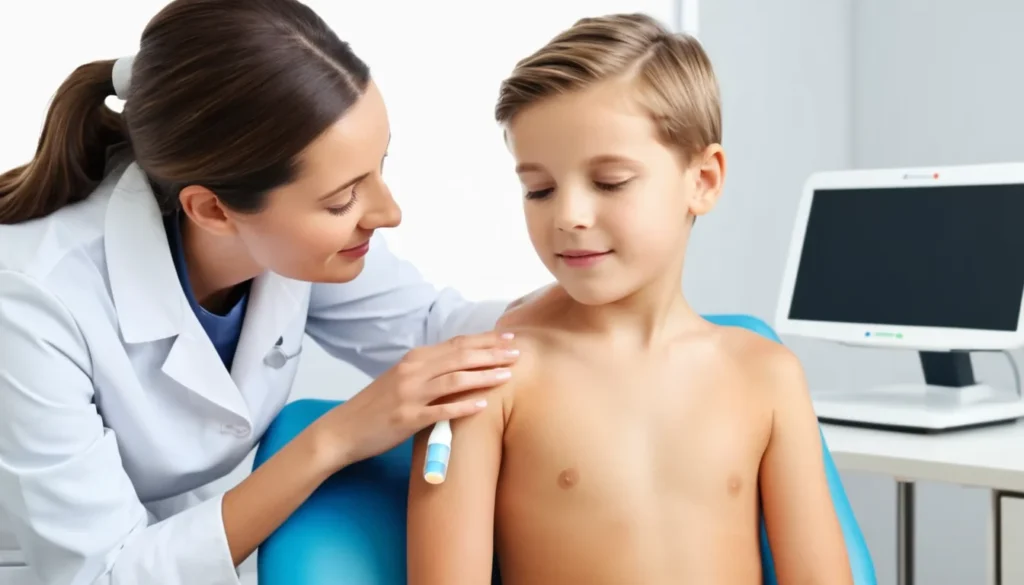
Anaphylaxis in children is one of the most serious allergic emergencies a Canadian parent can face — it strikes suddenly, can affect multiple organs at once, and may become life-threatening within minutes. Knowing the warning signs, common triggers, and exactly what to do in those critical first moments could save your child’s life.
How to Recognize Anaphylaxis in Children: Warning Signs Every Parent Should Know
Severe allergic reactions in kids are on the rise across Canada, making it more important than ever for families, caregivers, and school staff to understand child anaphylaxis symptoms. This guide covers everything you need to know — from recognizing early signs and identifying common causes to using an EpiPen and knowing when to call 911.
What Is Anaphylaxis?
Common Signs and Symptoms of Anaphylaxis in Children by Body System and Severity
| Body System | Symptoms | Severity Level | Action Required |
|---|---|---|---|
| Skin | Hives, flushing, swelling (face, lips, eyes), pale or bluish skin | Mild to Moderate | Monitor closely; administer epinephrine if other systems are involved |
| Respiratory | Wheezing, difficulty breathing, hoarse voice, throat tightness, stridor | Severe | Administer epinephrine auto-injector immediately; call 911 |
| Cardiovascular | Rapid or weak pulse, drop in blood pressure, dizziness, loss of consciousness | Severe to Life-Threatening | Administer epinephrine immediately; call 911; lay child flat with legs elevated |
| Gastrointestinal | Nausea, vomiting, abdominal cramps, diarrhea | Mild to Moderate | Monitor for progression; administer epinephrine if additional symptoms develop |
| Neurological | Anxiety, confusion, sudden behavioural change, loss of consciousness | Moderate to Severe | Administer epinephrine; call 911; keep child calm and still |
Anaphylaxis is a severe, sudden allergic reaction that affects the whole body. It happens when the immune system releases a massive flood of chemicals in response to an allergen — a substance the body has learned to see as a threat.
These chemicals can affect many organs at the same time. This includes the skin, airways, digestive system, heart, and nervous system. As a result, symptoms can appear all at once or in rapid sequence.
Technically, a reaction is called anaphylaxis only when the body has already been exposed to a trigger before. That first exposure causes the immune system to produce special antibodies called IgE. When the same trigger appears again, those antibodies set off the severe reaction. In other words, anaphylaxis rarely happens the very first time a child encounters an allergen.
Common Causes of Anaphylaxis in Children
Many different substances can trigger anaphylaxis in children. However, some causes are far more common than others. Knowing your child’s triggers is the first step in keeping them safe.
Food Triggers
Food is the leading cause of anaphylaxis in children. The most common food triggers include:
Peanuts and tree nuts (such as cashews, walnuts, and almonds)
Milk and eggs
Fish and shellfish
Wheat and soy
Sesame, mustard, and lupin
Kiwi, peaches, and celery
Certain food additives and preservatives
In Canada, the top 14 priority food allergens are required to be clearly labelled on packaged foods, according to Health Canada’s food allergy labelling guidelines. Always check labels carefully before giving your child any packaged food.
Other Common Triggers
Beyond food, other substances can also cause a severe allergic reaction in children. These include:
Insect stings, especially from bees and wasps
Medications such as antibiotics, anti-inflammatory drugs, and anaesthetics
Latex or natural rubber (found in some gloves, balloons, and medical equipment)
In rare cases, intense physical exercise can trigger a severe allergic reaction — especially when combined with eating certain foods or taking certain medications beforehand. Furthermore, sometimes no trigger can be found at all. Doctors call this idiopathic anaphylaxis.
How to Recognize Anaphylaxis Symptoms in Children
Symptoms of anaphylaxis in children do not always appear in the same order. They can range from mild-seeming at first to life-threatening within minutes. According to the Mayo Clinic’s overview of anaphylaxis, symptoms typically involve more than one body system at once.
Skin and Face
Red, flushed, or itchy skin
Hives (raised, blotchy welts)
Swelling of the lips, tongue, or other areas
Breathing and Throat
Sneezing or a suddenly runny or stuffy nose
Hoarse voice or raspy sound when speaking
Wheezing or a tight feeling in the chest or throat
Coughing that won’t stop
Difficulty breathing
Stomach and Digestion
Nausea, vomiting, or diarrhoea
Stomach cramping
Heart and Circulation
Rapid or irregular heartbeat
A sudden drop in blood pressure
Pale or bluish skin colour
Brain and Nervous System
Dizziness or confusion
Tingling sensations
Blurred vision
Loss of consciousness
It is important to know that not every anaphylactic reaction includes hives or swelling. In fact, breathing problems occur in up to 70% of cases. Cardiovascular complications cause roughly one in four anaphylaxis deaths. Therefore, do not wait for a rash to appear before acting.
How Young Children May Behave During a Reaction
Babies and toddlers cannot always tell you how they feel. However, their behaviour can give you critical clues. Watch for any of these unusual signs during or after allergen exposure:
Putting their hands in their mouth, pulling at their tongue, or scratching their tongue
Suddenly tugging at their ears
Slurring words for no clear reason
A sudden hoarse or strange-sounding voice
Pulling at their clothing as if trying to scratch underneath
Non-stop coughing or wheezing
Pressing their hands on their chest or belly
Forceful vomiting or explosive diarrhoea
Suddenly becoming limp, drowsy, or unusually agitated
Any sudden, unusual change in your child’s behaviour after eating or after an insect sting should be taken seriously. Trust your instincts as a parent — acting quickly matters.
Important Facts Parents Should Know About Anaphylaxis
Anaphylaxis does not always follow a predictable pattern. Here are some key facts that every parent should understand:
Symptoms can appear in any combination and in any order.
A reaction can begin with something as minor as sneezing and progress rapidly to loss of consciousness.
The risk of a fatal outcome can appear within minutes — or be delayed by hours.
Some reactions occur 3 to 4 hours after eating, especially if intense exercise follows the meal.
Anaphylaxis can have an early phase and a later, prolonged phase lasting up to 8 hours or more. This is called a biphasic reaction.
Because of this, medical observation for several hours after a reaction is often necessary.
Furthermore, a previous mild reaction does not guarantee a future reaction will also be mild. The severity of each reaction depends on the individual’s sensitivity, the amount of allergen involved, and the route of exposure. According to the World Health Organization’s fact sheet on anaphylaxis, early treatment is one of the most important factors in survival.
How to Treat Anaphylaxis: Three Steps Every Parent Must Know
When anaphylaxis in children is suspected, every second counts. There are three steps you must follow — in this exact order.
Step 1: Give Epinephrine Immediately
Epinephrine (also called adrenaline) is the only first-line treatment for anaphylaxis. There is no substitute, and there are no situations where it should be withheld during a suspected anaphylactic reaction.
Use an epinephrine auto-injector (such as an EpiPen) by injecting it into the outer thigh muscle. Injecting into the muscle works faster and more effectively than injecting under the skin. Delaying or avoiding epinephrine has been linked to preventable deaths.
If your child has a history of anaphylaxis, has been diagnosed with allergic asthma, or has severe allergic dermatitis, your family doctor should prescribe an epinephrine auto-injector. Keep it with your child at all times — at home, at school, at sports, and everywhere in between.
Step 2: Call 911 Immediately
After giving epinephrine, call 911 right away. Do not drive your child to the hospital yourself. Emergency responders can treat your child on the way and alert the hospital to be ready.
Epinephrine buys critical time — but it does not replace emergency medical care. Your child needs professional observation and possibly additional treatment in hospital.
Step 3: Be Ready to Give a Second Dose
If symptoms return or do not improve within 5 to 15 minutes, give a second dose of epinephrine if you have one available. This is why doctors often recommend carrying two auto-injectors at all times.
To summarize, the three non-negotiable steps are:
undefined
undefined
undefined
Prevention: Reducing Your Child’s Risk
Strict avoidance of known triggers is the foundation of anaphylaxis prevention. Work with your child’s allergist to create a written anaphylaxis action plan. Share this plan with your child’s school, daycare, coaches, and family members.
In Canada, most provinces have policies requiring schools to have anaphylaxis plans in place for at-risk students. Ask your child’s school about their allergy programme and make sure staff know how to use an epinephrine auto-injector.
In addition, teach your child — as early as age-appropriate — about their allergies, what to avoid, and how to ask for help. Children who understand their condition are better able to protect themselves.
When to See a Doctor or Visit a Clinic
If your child has ever had a severe allergic reaction, speak to your family doctor as soon as possible. They can refer you to an allergist for testing to identify specific triggers and to create a management plan.
If you do not have a family doctor, a walk-in clinic can help you get started. They can arrange a referral to an allergist through your provincial health plan. Most provincial health plans in Canada cover allergy testing and specialist visits when referred by a physician.
Do not wait for another reaction to happen before seeking care. Early diagnosis and preparation can make a life-saving difference. Always consult a qualified healthcare provider about your child’s specific allergy history and treatment plan.
Frequently Asked Questions About Anaphylaxis in Children
What are the first signs of anaphylaxis in children?
The first signs of anaphylaxis in children can include sudden hives, swelling of the lips or tongue, hoarseness, and difficulty breathing. However, some children show unusual behaviour first — such as pulling at their ears, scratching their tongue, or becoming suddenly limp. Any sudden change after allergen exposure should be treated as a possible emergency.
How quickly does anaphylaxis develop in children?
Anaphylaxis in children can develop within minutes of exposure to a trigger. In some cases, the reaction may be delayed by 3 to 4 hours, especially when physical exercise follows food consumption. Because reactions can also have a second wave (called a biphasic reaction) up to 8 hours later, medical observation is always recommended.
What should I do if I think my child is having an anaphylactic reaction?
If you suspect anaphylaxis in your child, give epinephrine using an auto-injector immediately and call 911 right away. Do not wait to see if symptoms improve on their own. Epinephrine is safe, effective, and the only recommended first treatment — delaying it can be fatal.
Can a child outgrow anaphylaxis?
Some children do outgrow certain food allergies, such as milk and egg allergies, as they get older. However, allergies to peanuts, tree nuts, and shellfish tend to be lifelong. Your child’s allergist can monitor their sensitivity over time and advise whether food challenges are appropriate.
Does every child with anaphylaxis need to carry an EpiPen?
Most children who have been diagnosed with anaphylaxis, or who are at high risk due to known severe allergies, allergic asthma, or severe allergic skin conditions, should carry an epinephrine auto-injector at all times. Your family doctor or allergist will advise you based on your child’s specific risk profile. In Canada, prescriptions for epinephrine auto-injectors are covered under many provincial drug benefit programmes.
Is anaphylaxis the same as a regular allergic reaction?
According to Health Canada’s guidelines on severe allergic reactions, this information is supported by current medical research.
For more information, read our guide on child allergies causes, symptoms, and treatment in Canada.
No — anaphylaxis is much more serious than a typical allergic reaction. A regular allergic reaction might cause sneezing or a mild rash, while anaphylaxis involves multiple body systems and can become life-threatening very quickly. Anaphylaxis in children always requires immediate emergency treatment with epinephrine, not just antihistamines.
Key Takeaways
Anaphylaxis in children is a sudden, severe allergic reaction that can be life-threatening. Common triggers include peanuts, tree nuts, milk, eggs, fish, insect stings, and certain medications. Symptoms can affect the skin, breathing, digestion, heart, and brain — all at once or in any combination. Young children may show behavioural clues rather than verbally describe their
Frequently Asked Questions
What is anaphylaxis in children?
Anaphylaxis in children is a severe, life-threatening allergic reaction that affects multiple body systems simultaneously. It occurs when the immune system overreacts to a trigger — such as food, insect stings, or medications — causing dangerous symptoms including throat swelling, breathing difficulty, and a sudden drop in blood pressure requiring immediate emergency treatment.
What are the first signs of anaphylaxis in children?
Early signs of anaphylaxis in children include sudden hives, skin flushing, swelling of the lips or throat, difficulty breathing, vomiting, and dizziness. Children may also become pale, complain of a tight chest, or lose consciousness rapidly. Symptoms typically appear within minutes of exposure to an allergen and escalate quickly.
What should you do if your child has an anaphylactic reaction?
Immediately inject epinephrine using an auto-injector (such as an EpiPen) into the outer thigh, then call 911. Lay your child flat with legs elevated unless they are vomiting or having trouble breathing. A second epinephrine dose can be given after 5–15 minutes if symptoms persist. Never skip emergency care, even if symptoms improve.
How can you prevent anaphylaxis in children with allergies?
Prevention involves strictly avoiding known allergen triggers, always carrying two epinephrine auto-injectors, and ensuring caregivers, schools, and daycares have an up-to-date anaphylaxis action plan. Children should wear medical alert identification. Regular follow-ups with a Canadian allergist can help manage risk and explore options like oral immunotherapy for some allergies.
When should you take a child to emergency for an allergic reaction?
Take your child to emergency immediately after any anaphylactic reaction, even if epinephrine was given and symptoms improved. Anaphylaxis can have a biphasic response, meaning symptoms can return hours later. Any reaction involving breathing difficulty, throat tightness, fainting, or multiple body systems always requires urgent evaluation at a hospital emergency department.