Aplastic Anaemia: Causes, Symptoms & Treatment in Canada

Share
Aplastic anaemia is a rare and serious blood disorder that affects roughly two people per million each year, making it one of the most challenging haematological conditions diagnosed in Canada. It occurs when the stem cells in your bone marrow stop functioning properly, leaving your body unable to produce enough healthy red blood cells, white blood cells, and platelets. Without timely diagnosis and treatment, aplastic anaemia can become life-threatening.
What Causes Aplastic Anaemia and Who Is at Risk?
Understanding the causes of bone marrow failure is essential for early detection and better outcomes. When your marrow fails to produce adequate blood cells — a condition known as pancytopenia — your body loses its ability to carry oxygen efficiently, fight infections, and control bleeding. This guide explains what aplastic anaemia is, how it is diagnosed, and what treatment options are available to Canadians through the public and private healthcare systems.
What Is Aplastic Anaemia?
| Treatment Option | How It Works | Key Benefits | Important Considerations |
|---|---|---|---|
| Allogeneic Stem Cell Transplant | Replaces damaged bone marrow with healthy donor stem cells | Potential cure, especially in younger patients; long-term remission rates above 80% with matched sibling donor | Best suited for patients under 40 with a matched donor; risk of graft-versus-host disease; available at major Canadian transplant centres |
| Immunosuppressive Therapy (IST) | Uses anti-thymocyte globulin (ATG) and cyclosporine to suppress the immune attack on bone marrow | Effective option when transplant is not possible; response rates of 60–70% | Risk of relapse and clonal evolution; requires close monitoring; horse ATG (hATG) is the preferred formulation in Canada |
| Eltrombopag (Revolade) | Thrombopoietin receptor agonist that stimulates platelet and blood cell production | Can be combined with IST to improve response rates; Health Canada approved | May cause liver enzyme elevations; requires regular blood work; not recommended as a standalone first-line therapy |
| Blood and Platelet Transfusions | Temporarily replaces red blood cells and platelets through transfusion | Provides rapid symptom relief; widely available across Canadian hospitals | Not a curative treatment; risk of iron overload with repeated transfusions; transfusion dependence can develop over time |
| Growth Factors (G-CSF) | Granulocyte colony-stimulating factor stimulates white blood cell production in the bone marrow | Reduces infection risk by increasing neutrophil counts; useful as supportive care | Temporary effect; typically used alongside other treatments rather than as primary therapy |
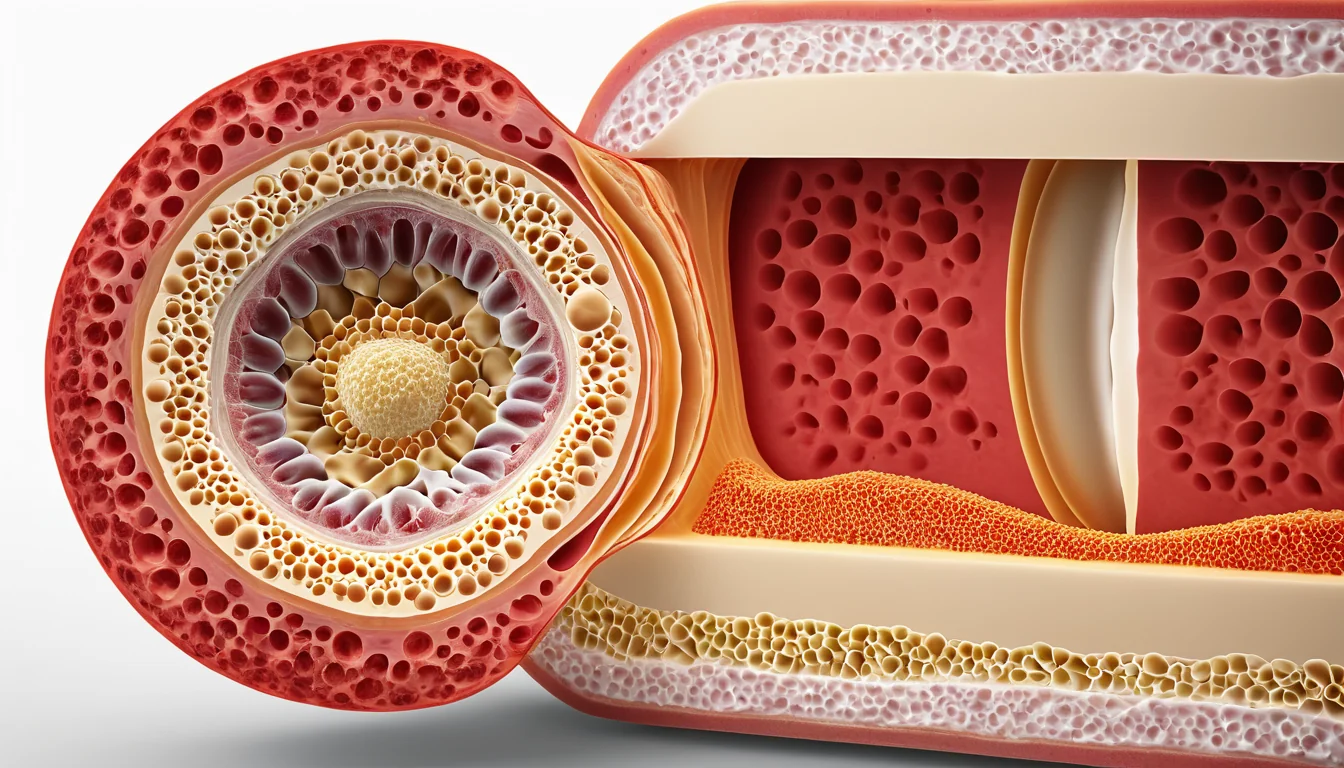
Your bone marrow acts like a factory inside your bones. It produces three types of blood cells: red cells that carry oxygen, white cells that fight infection, and platelets that help your blood clot. With aplastic anaemia, this factory shuts down. The stem cells that build new blood cells are damaged or destroyed, so production stops.
The result is a dangerously low blood cell count across all three types. This condition is called pancytopenia, which simply means too few of each kind of blood cell. According to the World Health Organization, aplastic anaemia is classified as a rare disease, but its effects can be severe and rapid.
Aplastic anaemia can be inherited from birth or acquired later in life. The acquired form is more common and tends to affect teenagers and young adults, though it can develop at any age.
What Causes Aplastic Anaemia?
In most cases, acquired aplastic anaemia is an autoimmune condition. This means your immune system mistakenly attacks and destroys your own bone marrow stem cells. Doctors do not always know exactly why this happens — this is called idiopathic aplastic anaemia.
However, several known triggers can set off or contribute to the condition. These include:
- Exposure to toxic chemicals such as benzene or inorganic arsenic
- Certain medications, including some antibiotics, anti-inflammatory drugs, and chemotherapy agents
- Viral infections, including Epstein-Barr virus and cytomegalovirus
- Hepatitis (liver inflammation)
- Radiation therapy
- Pregnancy, in rare cases
Some people are at higher risk than others. For example, cancer patients receiving chemotherapy or radiation are more vulnerable. People with autoimmune conditions or certain inherited disorders affecting the bone marrow also face a greater risk. Unfortunately, there is currently no known way to prevent aplastic anaemia from developing.
Recognising the Symptoms of Aplastic Anaemia
The symptoms of aplastic anaemia come from having too few of each type of blood cell. Because three different cell types are affected, the warning signs can cover a wide range. It is important to recognise these early so you can seek help quickly.
Symptoms from Low Red Blood Cells
Red blood cells carry oxygen through your body. When you do not have enough of them, you may feel:
- Persistent tiredness or weakness
- Shortness of breath, even with light activity
- Pale skin, pale gums, or pale fingernails
- Dizziness or lightheadedness
- Cold hands and feet
- Chest pain or rapid heartbeat
Symptoms from Low White Blood Cells
White blood cells are your immune system’s soldiers. A low white cell count means your body cannot fight infections well. As a result, you may experience:
- Frequent or severe infections
- Fever that does not go away
- Flu-like symptoms that linger for weeks
Symptoms from Low Platelets
Platelets help your blood clot when you bleed. Without enough platelets, even minor injuries can cause problems. Watch for:
- Easy bruising or bleeding
- Small red or purple spots on the skin (called petechiae)
- Nosebleeds or bleeding gums
- Blood in your stool
- Unusually heavy menstrual periods
In addition to these main symptoms, some people also develop skin rashes, nausea, or notice that infections take much longer than usual to heal. If you are experiencing several of these symptoms at once, it is important to speak with a healthcare provider as soon as possible.
How Is Aplastic Anaemia Diagnosed?
Diagnosing aplastic anaemia starts with a simple blood test. A complete blood count (CBC) measures the levels of red cells, white cells, and platelets in your blood. If all three counts are significantly low, your doctor will want to investigate further.
A family doctor or walk-in clinic can order this initial blood test. If the results raise concern, you will likely be referred to a hematologist — a doctor who specialises in blood disorders. From there, additional tests may include:
- Bone marrow biopsy: A small sample of bone marrow is taken, usually from the hip bone, and examined under a microscope. This is the most definitive test for aplastic anaemia.
- Liver function tests to check for hepatitis or other liver issues
- Ultrasound to look at organs such as the spleen and lymph nodes
- Chest X-ray to rule out infection or other conditions
Early diagnosis is critical. The sooner aplastic anaemia is identified, the sooner treatment can begin — and the better the outcome tends to be. According to the Mayo Clinic’s overview of aplastic anaemia, untreated cases can progress quickly and become life-threatening.
Treatment Options for Aplastic Anaemia
Treatment for aplastic anaemia depends on how severe the condition is, your age, and your overall health. There is no single approach that works for everyone. Your hematologist will create a personalised plan based on your specific situation.
Blood Transfusions
Transfusions do not cure aplastic anaemia, but they provide relief by temporarily replacing the missing blood cells. They help manage symptoms while other treatments take effect. Transfusions are often used as a short-term measure.
Immunosuppressive Therapy
Because aplastic anaemia is often caused by an overactive immune system, immunosuppressive medications are a key treatment. These drugs calm the immune system so it stops attacking the bone marrow. This approach works well for many patients, particularly those who are not candidates for a transplant.
Stem Cell Transplant
A hematopoietic stem cell transplant (also called a bone marrow transplant) is the only potential cure for aplastic anaemia. It replaces the damaged bone marrow with healthy donor stem cells. This treatment works best in younger patients with a well-matched donor, typically a sibling. In Canada, transplant programmes are available at major academic health centres across provinces such as Ontario, British Columbia, Alberta, and Quebec.
If left undiagnosed or untreated, aplastic anaemia can lead to life-threatening bleeding, severe infections, organ damage, and in some cases, it can progress to conditions like leukaemia. This is why prompt treatment is so important.
Supportive Care and Mental Health
Living with a serious blood disorder takes a toll on more than just your body. Many patients and their families experience anxiety, depression, and emotional distress after a diagnosis. This is completely understandable and very common.
Mental health support — such as counselling, group therapy, or peer support programmes — can play a vital role in recovery. Feeling connected to others who understand your experience can improve your quality of life and even support your medical treatment. Ask your healthcare provider about referrals to social workers or psychologists through your provincial health plan.
When to See a Doctor
If you or a family member are experiencing any of the symptoms described above — especially unusual fatigue, frequent infections, unexplained bruising, or bleeding — do not wait. See your family doctor or visit a walk-in clinic as soon as possible.
A simple blood test is often the first step. Your doctor can order a complete blood count and, if needed, refer you to a specialist. In Canada, referrals to hematologists are covered under provincial health plans, though wait times may vary by province.
If you experience sudden, heavy bleeding, high fever, or severe chest pain, go to your nearest emergency department right away. These may be signs of a serious complication that needs immediate care.
As always, this article is for general information only. Please speak with your doctor or a qualified healthcare provider before making any decisions about your health. Health Canada also provides resources to help Canadians find the right care for serious conditions.
Frequently Asked Questions About Aplastic Anaemia
Is aplastic anaemia the same as regular anaemia?
No, aplastic anaemia is very different from common anaemia. Regular anaemia usually means you have too few red blood cells, often due to low iron. Aplastic anaemia, however, is a bone marrow failure condition where your body cannot produce enough of any blood cell type — red cells, white cells, and platelets. It is far more serious and requires specialised treatment from a hematologist.
Can aplastic anaemia be cured?
In some cases, yes. A stem cell transplant (bone marrow transplant) offers the best chance of a cure for aplastic anaemia, particularly in younger patients with a well-matched donor. Immunosuppressive therapy can also lead to long-term remission in many patients. Your hematologist will discuss the best options based on your age, health, and disease severity.
How rare is aplastic anaemia in Canada?
Aplastic anaemia is considered a rare blood disorder, affecting approximately two people per million each year. In Canada, this translates to roughly 80 new cases annually across the country. Despite being rare, it is a serious condition that requires prompt diagnosis and treatment at a specialised centre.
What does aplastic anaemia feel like at first?
Early symptoms of aplastic anaemia can feel similar to other common illnesses, which is why it is sometimes missed at first. Most people notice extreme tiredness, frequent infections that do not go away, or unusual bruising and bleeding. If these symptoms appear together or do not improve, it is important to see a doctor and ask for a complete blood count test.
Is aplastic anaemia hereditary?
Aplastic anaemia can be either inherited or acquired. The inherited form is present from birth and linked to certain genetic conditions that affect bone marrow function. However, the acquired form is much more common and is usually triggered by an autoimmune response, exposure to chemicals, medications, or viral infections rather than genetics alone.
Does my provincial health plan cover aplastic anaemia treatment in Canada?
According to Mayo Clinic’s overview of aplastic anemia, this information is supported by current medical research.
For more information, read our guide on what your white blood cell count means.
Yes, most treatments for aplastic anaemia — including specialist consultations, blood transfusions, immunosuppressive therapy, and stem cell transplants — are covered under provincial and territorial health plans in Canada. Coverage details may vary slightly by province, so it is a good idea to speak with your family doctor or a patient navigator at your local health centre to understand what is available to you.
Key Takeaways
- Aplastic anaemia is a rare but serious condition where the bone marrow stops producing enough blood cells.
- It affects approximately two people per million each year and can develop at any age, though it is more common in teenagers and young adults.
- Common symptoms include fatigue, frequent infections, unusual bruising, and bleeding — all caused by low blood cell counts.
- Diagnosis starts with a blood test from your family doctor or walk-in clinic, followed by referral to a hematologist if needed.
- Treatment options include blood transfusions, immunosuppressive therapy, and stem cell transplant, depending on severity.
- Mental and emotional support is an important part of managing this condition for both patients and their families.
- If you notice concerning symptoms, see a doctor promptly. Early diagnosis significantly improves outcomes.
- Always consult a qualified healthcare provider for personal medical advice. Information in this article is for general educational purposes only.
Frequently Asked Questions
What is aplastic anaemia?
Aplastic anaemia is a rare but serious blood disorder where the bone marrow stops producing enough red blood cells, white blood cells, and platelets. This leaves the body unable to fight infections, carry oxygen, or control bleeding. It can develop suddenly or gradually and affects people of all ages.
What are the symptoms of aplastic anaemia?
Common symptoms include persistent fatigue, shortness of breath, pale skin, frequent infections, unexplained bruising, and prolonged bleeding from cuts. Some people experience dizziness, headaches, or a rapid heart rate. Symptoms result from dangerously low blood cell counts and can range from mild to life-threatening.
How is aplastic anaemia treated in Canada?
Treatment depends on severity and patient age. Options include bone marrow transplantation, which is potentially curative, or immunosuppressive therapy using medications like anti-thymocyte globulin and cyclosporine. Blood transfusions and growth factor medications provide supportive care. Canadian specialists at hematology centres guide individualized treatment plans.
Can aplastic anaemia be prevented?
Most cases of aplastic anaemia cannot be prevented, as the exact cause is often unknown or autoimmune in nature. However, limiting unnecessary exposure to toxic chemicals, radiation, and certain medications may reduce risk. Avoiding unsupervised use of drugs linked to bone marrow suppression is also recommended.
When should I see a doctor about aplastic anaemia symptoms?
See a doctor promptly if you experience extreme unexplained fatigue, frequent infections, unusual bruising, or uncontrolled bleeding. These may signal dangerously low blood counts requiring urgent evaluation. Go to an emergency department immediately if you develop a high fever, severe bleeding, or difficulty breathing.

About the Author
Dr. Sarah Mitchell, MDDr. Sarah Mitchell is a board-certified family physician with over 15 years of clinical experience. She completed her MD at the University of Toronto and her residency at Toronto General Hospital. Dr. Mitchell specializes in preventive medicine and chronic disease management. She is a member of the College of Family Physicians of Canada (CFPC) and has published over 30 peer-reviewed articles on preventive health care.
View all articles →