Arthritis symptoms affect over six million Canadians every year, making arthritis one of the most widespread chronic health conditions in the country. From persistent joint pain and morning stiffness to swelling that limits everyday movement, the signs of arthritis can range from mildly uncomfortable to truly debilitating.
Recognising Early Arthritis Symptoms in Canada
There are many different types of arthritis, including osteoarthritis, rheumatoid arthritis, gout, and psoriatic arthritis, each with its own causes and progression. Whether you are experiencing early joint pain and stiffness or have already received a diagnosis, this comprehensive Canadian guide breaks down the symptoms, risk factors, diagnosis process, and treatment options in plain language so you can take informed steps toward better joint health.
What Is Arthritis?
Common Arthritis Symptoms: Types, Characteristics & Management in Canada
| Arthritis Type | Key Characteristics | Common Arthritis Symptoms | Primary Management Approach |
|---|---|---|---|
| Osteoarthritis (OA) | Most common type in Canada; affects 1 in 10 Canadians; progressive cartilage breakdown | Joint pain and stiffness (especially in knees, hips, and hands), reduced range of motion, joint crackling or grinding, swelling after activity | Physical therapy, weight management, NSAIDs, joint replacement surgery for severe cases |
| Rheumatoid Arthritis (RA) | Autoimmune condition; affects approximately 300,000 Canadians; symmetrical joint involvement | Morning stiffness lasting over 30 minutes, warm and swollen joints, fatigue, low-grade fever, loss of joint function in hands and wrists | Disease-modifying antirheumatic drugs (DMARDs), biologics, corticosteroids, occupational therapy |
| Psoriatic Arthritis (PsA) | Associated with psoriasis skin condition; affects up to 30% of psoriasis patients in Canada | Joint pain and swelling (often in fingers and toes), pitting of nails, lower back pain, skin plaques, eye inflammation | NSAIDs, DMARDs, biologic therapies, skin and joint symptom co-management |
| Gout | Caused by uric acid crystal buildup; more prevalent in men and older adults across Canada | Sudden and severe joint pain (typically in the big toe), intense swelling and redness, warmth around affected joint, episodes lasting days to weeks | Anti-inflammatory medications during flares, urate-lowering therapy, dietary modifications, increased hydration |
| Ankylosing Spondylitis (AS) | Inflammatory arthritis primarily affecting the spine; typically diagnosed in young adults in Canada | Chronic lower back and hip pain, morning stiffness improving with movement, fatigue, reduced spinal flexibility, occasional eye inflammation | NSAIDs, biologic medications, physiotherapy, posture exercises, regular low-impact physical activity |
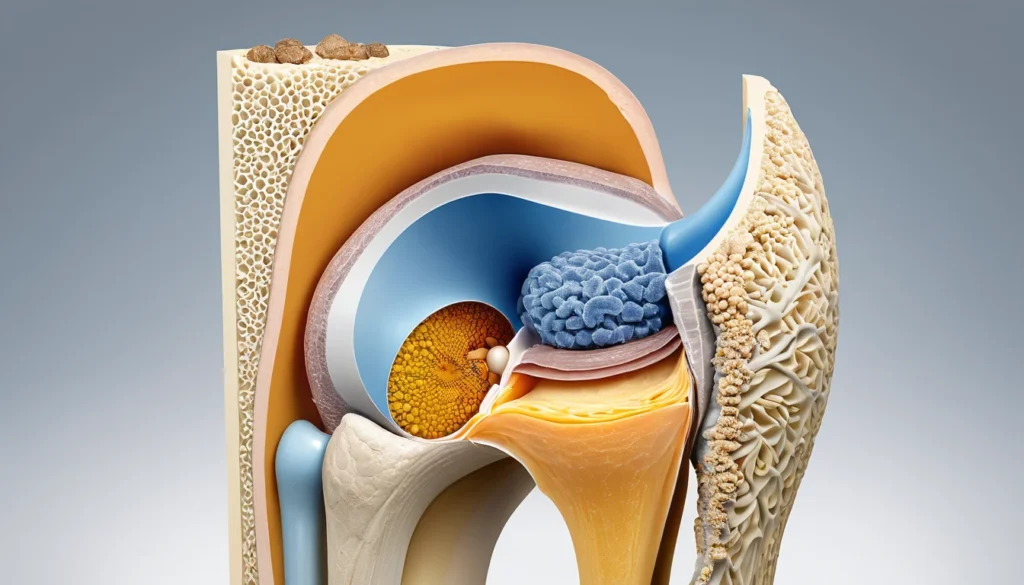
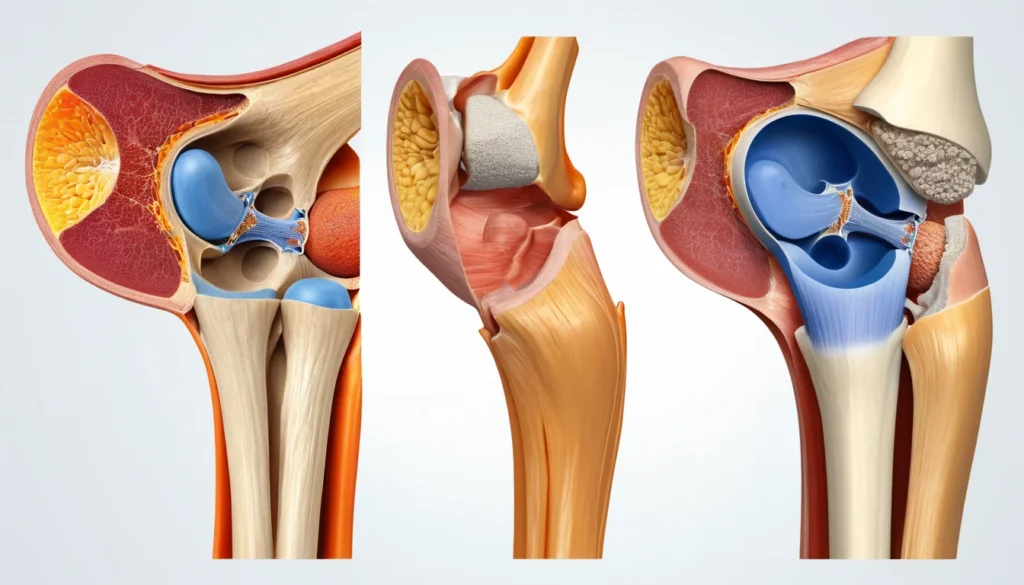
Arthritis is defined as the swelling and tenderness of one or more joints. The main arthritis symptoms are joint pain and stiffness, which often worsen with age. Over time, the cartilage — the protective tissue between bones — can break down and thin out.
As cartilage deteriorates, bones can begin to rub against each other. This leads to pain, reduced movement, and sometimes visible joint deformity. In more advanced cases, certain types of arthritis can also affect internal organs.
According to Health Canada, arthritis is a leading cause of disability among Canadians, affecting people of all ages, including children.
Common Types of Arthritis
Not all arthritis is the same. There are over 100 types, but some are far more common than others. Understanding the type you have — or may be at risk for — is an important first step.
Osteoarthritis
Osteoarthritis is the most common form of arthritis in Canada. It occurs when cartilage gradually breaks down, becoming thinner and uneven. As a result, joints become painful, stiff, and harder to move.
This type most often affects the knees, hips, and spine. Over time, some people may need joint replacement surgery. Unlike rheumatoid arthritis, osteoarthritis is not caused by the immune system attacking the joints.
Rheumatoid Arthritis
Rheumatoid arthritis is an autoimmune disease. This means the body’s immune system mistakenly attacks the lining of the joints. It causes painful swelling and, over time, can lead to bone erosion and joint deformity.
Women are more likely than men to develop rheumatoid arthritis. It can begin at any age, and early treatment is essential to slow its progression.
Psoriatic Arthritis
Psoriatic arthritis affects some people who have psoriasis, a skin condition that causes red, scaly patches. Most people develop the skin condition first, sometimes years before joint problems begin. However, in some cases, joint symptoms appear before or at the same time as the skin changes.
Gout
Gout causes sudden, severe attacks of pain, swelling, redness, and tenderness in joints. It most often strikes the big toe, though it can affect other joints as well. Gout happens when uric acid builds up in the blood and forms sharp crystals in a joint.
Men are more likely to develop gout than women. Diet, alcohol consumption, and certain medications can all raise uric acid levels. For more detail, the Mayo Clinic’s overview of gout is a helpful resource.
Reactive Arthritis
Reactive arthritis develops in response to an infection elsewhere in the body. The infection is often in the digestive tract, genitals, or urinary tract. The arthritis itself typically affects the knees, ankles, and feet.
In addition to joint symptoms, reactive arthritis can also cause eye inflammation and skin changes. It tends to be temporary, but it can become chronic in some people.
Juvenile Rheumatoid Arthritis
Juvenile rheumatoid arthritis, also called juvenile idiopathic arthritis, affects children under the age of 16. It causes persistent joint pain, swelling, and stiffness. Some children recover fully, while others experience symptoms into adulthood.
Ankylosing Spondylitis
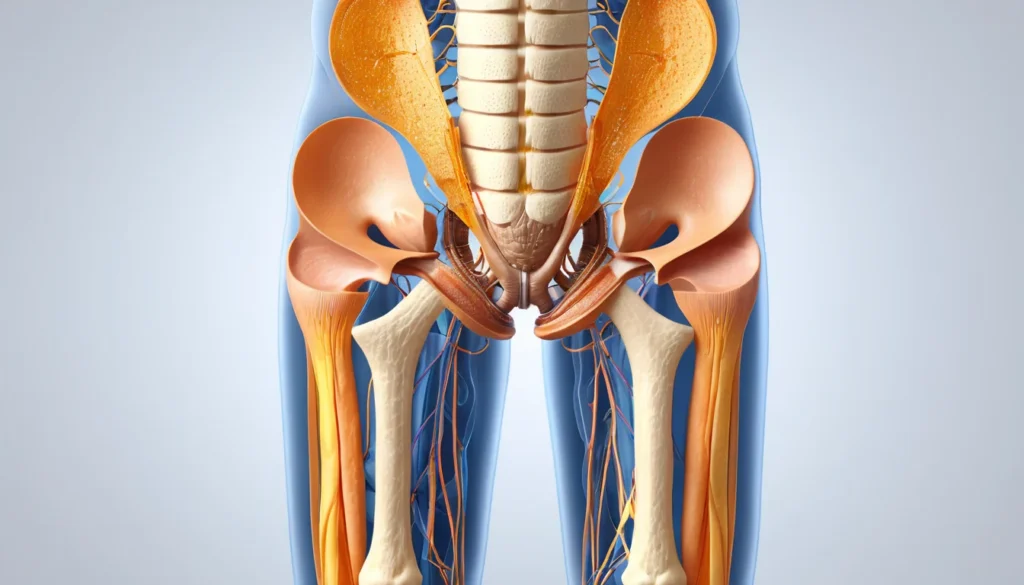
Ankylosing spondylitis is an inflammatory disease that primarily affects the spine. Over time, it can cause some of the vertebrae to fuse together. This fusion makes the spine less flexible and can cause a hunched posture.
In severe cases, if the ribs are affected, deep breathing can become difficult. Early diagnosis and physiotherapy are important for managing this condition effectively.
Recognising Arthritis Symptoms
The most common arthritis symptoms involve the joints, but the severity and specific symptoms vary depending on the type. Recognising the signs early can help you get treatment sooner and prevent long-term damage.
Common arthritis symptoms include:
Joint pain — often worse in the morning or after rest
Morning stiffness lasting more than 30 minutes
Swelling around the joint
Redness or warmth over the affected joint
Reduced range of motion — difficulty bending or straightening a joint
Fatigue — particularly with inflammatory types like rheumatoid arthritis
Arthritis pain is often worse at night and can wake you from sleep. Joints typically feel better after they “warm up” with gentle movement. The length of time it takes for stiffness to ease is often a clue to how much inflammation is present.
In some inflammatory types, the skin over the joint may appear red, and the joint itself may feel warm to the touch. Fluid can build up inside the joint, causing visible swelling.
Risk Factors for Arthritis
Anyone can develop arthritis, but certain factors increase your risk. Knowing your risk factors can help you take steps to protect your joints and catch problems early.
Family History
Some types of arthritis run in families. If a parent or sibling has been diagnosed with arthritis, your own risk is higher. This is especially true for rheumatoid arthritis and ankylosing spondylitis.
Age
The risk of most types of arthritis increases with age. Osteoarthritis is particularly common in people over the age of 50. However, inflammatory types like rheumatoid arthritis can affect younger adults too.
Sex
Women are more likely than men to develop rheumatoid arthritis. On the other hand, gout is far more common in men. Hormonal differences are thought to play a role in these patterns.
Previous Joint Injuries
People who have injured a joint — through sports, work, or an accident — have a higher chance of developing arthritis in that joint later in life. This is true even if the injury healed well at the time.
Excess Weight
Carrying extra weight puts added stress on joints, especially the knees, hips, and spine. People with obesity have a significantly higher risk of developing osteoarthritis. Losing even a small amount of weight can help reduce joint stress and ease symptoms.
How Is Arthritis Diagnosed?
Diagnosing arthritis usually involves a combination of a physical exam, your medical history, and several tests. Your family doctor will typically start the process and may refer you to a rheumatologist — a specialist in joint diseases.
Blood and Urine Tests
Blood tests can help identify markers of inflammation or specific antibodies linked to certain types of arthritis. For example, a test for rheumatoid factor can help diagnose rheumatoid arthritis. Urine tests may be used to check kidney function or detect signs of infection.
Joint Fluid Analysis
A doctor can remove a small amount of fluid from an affected joint using a needle. This procedure is done after cleaning and numbing the area. Analysing the fluid can confirm whether inflammation is present and help identify gout crystals or signs of infection.
Imaging Tests
Several imaging tools help doctors see what is happening inside the joint:
X-rays — show cartilage loss, bone damage, and bone spurs; useful for tracking disease progression
CT scans — provide detailed images of both bone and surrounding soft tissue
MRI scans — show damage to soft tissues like cartilage, tendons, and ligaments in fine detail
Ultrasound — used to view soft tissues, cartilage, and fluid-filled sacs called bursae; also guides needle placement for injections or fluid removal
Treatment Options for Arthritis in Canada
There is no cure for most types of arthritis, but effective treatment can significantly reduce arthritis symptoms and improve quality of life. Treatment depends on the type of arthritis, its severity, and which joints are affected.
Medications
Many people use over-the-counter pain relievers and anti-inflammatory medications to manage day-to-day symptoms. For inflammatory types like rheumatoid arthritis, doctors may prescribe disease-modifying antirheumatic drugs (DMARDs). These slow the progression of the disease rather than just managing pain.
Gout is often treated with medications that lower uric acid levels in the blood. Septic arthritis — caused by infection — requires prompt antibiotic treatment. Delaying treatment for septic arthritis can lead to irreversible joint damage within days.
Physiotherapy and Exercise
Physiotherapy plays an important role in managing arthritis across Canada. A physiotherapist can teach you exercises that strengthen the muscles around your joints and improve flexibility. Staying active is one of the best things you can do for arthritis, even when it feels difficult.
Low-impact activities like swimming, walking, and cycling are often recommended. These activities keep joints moving without putting too much stress on them. Many provincial health plans cover physiotherapy sessions, so check with your plan administrator.
Lifestyle Changes
Maintaining a healthy weight reduces strain on weight-bearing joints. Eating a balanced diet rich in anti-inflammatory foods — such as fruits, vegetables, and fibre — can also support joint health. Reducing alcohol intake is particularly helpful for people with gout.
Surgery
In some cases, surgery becomes necessary. Joint replacement surgery (arthroplasty) replaces a damaged joint with an artificial one. This is most commonly done for hips and knees. In severe cases, joint fusion surgery (arthrodesis) may be used to permanently join two bones together, eliminating painful movement.
For a broader look at arthritis management strategies, Healthline’s arthritis resource centre offers clear and well-researched information.
When to See a Doctor
You should see your family doctor if you notice persistent joint pain, swelling, or stiffness that lasts more than a few weeks. Do not wait for symptoms to become severe before seeking help. Early diagnosis leads to better outcomes and can prevent long-term joint damage.
If your regular family doctor is not immediately available, a walk-in clinic is a good first step. The doctor there can begin the assessment process and refer you to a specialist if needed. Most provincial health plans in Canada cover visits for arthritis-related concerns — your family doctor or health card provider can confirm what is included in your coverage.
Seek urgent care if a joint suddenly becomes very hot, swollen, and painful, especially with fever. This could be a sign of septic arthritis, which requires immediate medical treatment.
Always speak with a qualified healthcare professional before starting any new treatment or making changes to your current health routine. The information in this article is for general educational purposes only.
Frequently Asked Questions About Arthritis
What are the first signs of arthritis?
The earliest arthritis symptoms often include joint stiffness in the morning, mild swelling, and aching pain that comes and goes. Many people first notice these signs in smaller joints like the fingers and toes. If symptoms persist for more than a few weeks, it is worth speaking with your family doctor.
Can arthritis be cured?
Most types of arthritis cannot be cured, but they can be effectively managed with the right treatment plan. Medications, physiotherapy, and lifestyle changes can significantly reduce arthritis symptoms and improve daily function. Early treatment gives you the best chance of slowing the disease’s progression.
What is the difference between osteoarthritis and rheumatoid arthritis?
Osteoarthritis is caused by the gradual wear and breakdown of cartilage over time, while rheumatoid arthritis is an autoimmune condition where the immune system attacks the joints. Both cause pain and stiffness, but rheumatoid arthritis also causes systemic inflammation and can affect organs. A doctor can run tests to determine which type you have.
Does cold weather make arthritis symptoms worse?
Many Canadians report that their arthritis symptoms feel worse during cold or damp weather, though the scientific evidence is mixed. Changes in barometric pressure may affect joint fluid and increase sensitivity to pain. Staying warm, keeping active indoors, and dressing in layers during winter can all help manage discomfort.
Is arthritis covered under provincial health plans in Canada?
Doctor visits, specialist referrals, imaging tests, and many arthritis medications are covered under most provincial health plans. However, coverage for physiotherapy, occupational therapy, and some newer biologic drugs varies by province. It is best to contact your provincial health authority or insurance provider to understand exactly what is included.
At what age does arthritis usually start?
According to Mayo Clinic’s overview of arthritis symptoms and causes, this information is supported by current medical research.
For more information, read our guide on understanding urine test results for arthritis diagnosis.
Arthritis can start at any age, including in children. Osteoarthritis most commonly develops after age 50, while rheumatoid arthritis often begins between the ages of 30 and 60. Juvenile rheumatoid arthritis affects children under 16, showing that arthritis symptoms are not limited to older adults.
Key Takeaways
Arthritis symptoms include joint pain, stiffness, swelling
Frequently Asked Questions
What is arthritis and what causes it?
Arthritis is inflammation of one or more joints, causing pain, swelling, and stiffness. It has over 100 types, with osteoarthritis and rheumatoid arthritis being most common in Canada. Causes include age-related cartilage breakdown, autoimmune dysfunction, previous joint injuries, obesity, and genetic predisposition.
What are the early arthritis symptoms Canadians should watch for?
Early arthritis symptoms include persistent joint pain, morning stiffness lasting longer than 30 minutes, swelling or tenderness around joints, reduced range of motion, and warmth or redness near affected joints. Symptoms may appear gradually or suddenly and commonly affect hands, knees, hips, and spine.
What are the most effective arthritis symptoms treatments available in Canada?
Treatment options in Canada include NSAIDs, DMARDs, and biologics prescribed by physicians, alongside physiotherapy and occupational therapy. Lifestyle changes such as low-impact exercise, weight management, and anti-inflammatory diets also help. Severe cases may require cortisone injections or joint replacement surgery covered under provincial health plans.
Can arthritis be prevented or slowed down?
While arthritis cannot always be prevented, risk can be reduced by maintaining a healthy weight, staying physically active, avoiding repetitive joint stress, and not smoking. Early diagnosis and consistent management significantly slow disease progression and help preserve joint function and overall quality of life.
When should I see a doctor about joint pain in Canada?
See a doctor if joint pain persists longer than three weeks, is accompanied by significant swelling or morning stiffness, limits daily activities, or worsens over time. Early medical assessment allows faster diagnosis and treatment, preventing long-term joint damage. In Canada, start with your family physician or a walk-in clinic.