
Lung Anatomy: Complete Guide to How Lungs Work (2025)

Share
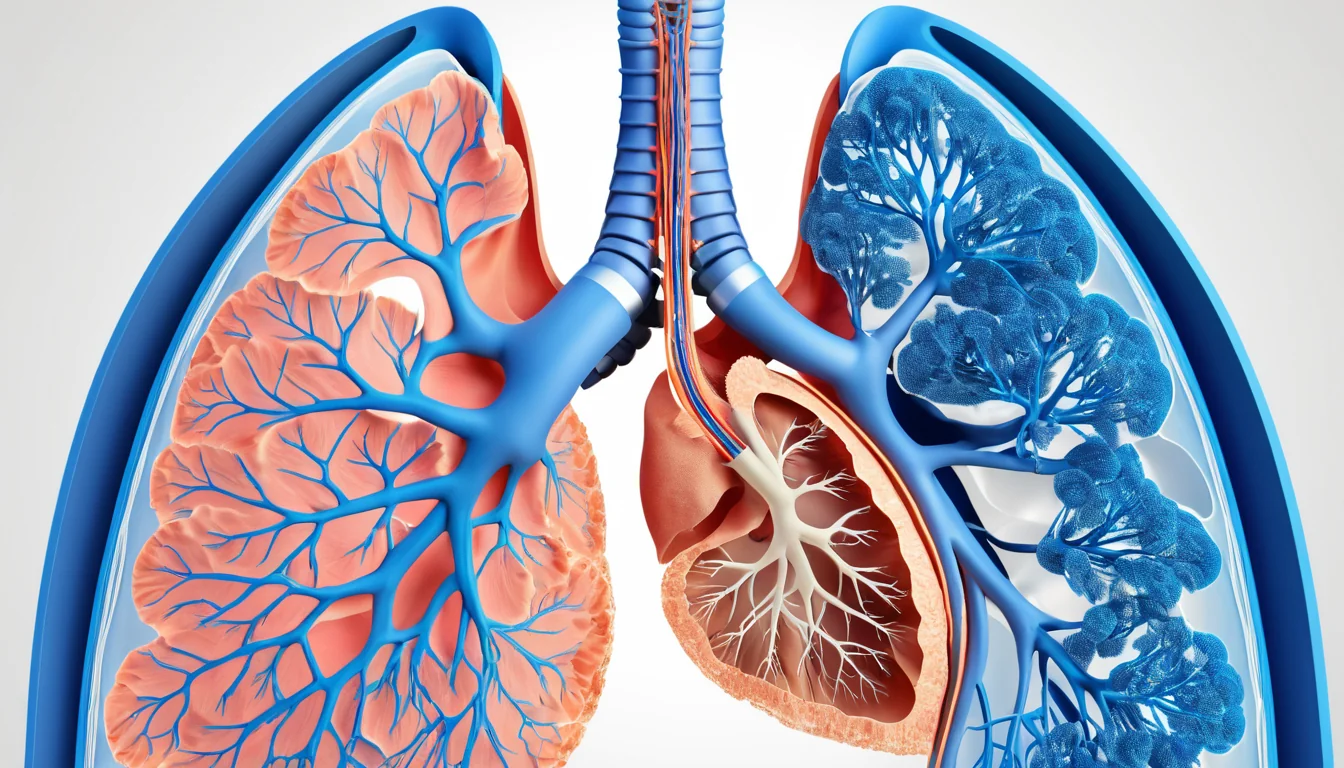
Understanding lung anatomy is one of the best steps you can take to make sense of your breathing, your overall health, and the information your doctor shares with you at your next appointment. Your lungs are two spongy, cone-shaped organs that sit inside your chest, and they are responsible for far more than simply filling with air. In this complete guide written for Canadians, we break down every key structure and explain why it matters for your well-being.
Understanding Lung Anatomy: Structure, Parts, and How Your Lungs Work
Knowing the parts of the lung — from the lobes and bronchi to the tiny alveoli where gas exchange happens — gives you the foundation to understand common respiratory conditions and have more informed conversations with your family doctor. Whether you are researching a diagnosis, preparing for a medical appointment, or simply curious about how lungs work, this guide covers everything you need to know. As always, speak with your physician or visit a walk-in clinic if you have any concerns about your breathing.
What Are the Lungs and Where Are They Located?
| Structure | Location & Description | Primary Function | Clinical Significance |
|---|---|---|---|
| Trachea (Windpipe) | Central airway extending from the larynx, approximately 10–12 cm long, reinforced by C-shaped cartilage rings | Conducts air from the upper airway into the bronchi; cilia and mucus trap airborne particles | Common site of obstruction; assessed during intubation and bronchoscopy procedures in Canadian hospitals |
| Bronchi & Bronchioles | Branching airways dividing into left and right main bronchi, then subdividing into smaller bronchioles throughout each lung lobe | Distribute air evenly to all lung segments; bronchioles regulate airflow through smooth muscle contraction | Primary site affected in asthma and chronic obstructive pulmonary disease (COPD), both leading respiratory conditions in Canada |
| Alveoli | Microscopic air sacs at the terminal ends of bronchioles; approximately 300–500 million present in adult lungs | Site of gas exchange — oxygen passes into the bloodstream while carbon dioxide is expelled | Damaged by smoking, pneumonia, and emphysema; reduced alveolar surface area significantly impairs breathing capacity |
| Pleura | Double-layered membrane surrounding each lung; visceral pleura covers the lung surface, parietal pleura lines the chest wall | Reduces friction during breathing; pleural fluid between layers allows smooth lung expansion and contraction | Inflammation (pleuritis) or fluid accumulation (pleural effusion) causes chest pain and breathlessness; managed by respirologists across Canada |
| Diaphragm | Dome-shaped muscular partition separating the chest cavity from the abdomen, positioned below both lungs | Primary muscle of respiration; contracts and flattens during inhalation to expand lung volume and draw air inward | Weakness or paralysis due to nerve injury or neurological conditions severely limits breathing function and may require ventilatory support |
| Pulmonary Vasculature | Network of pulmonary arteries and veins connecting the heart and lungs; capillaries wrap tightly around alveolar walls | Carries deoxygenated blood from the heart to the lungs and returns oxygenated blood to the left side of the heart | Pulmon
Your lungs sit on either side of your chest, separated by your heart and the other organs in the middle of your chest cavity (called the mediastinum). Each lung is shaped roughly like a cone. Together, they fill most of the space inside your rib cage. The texture of healthy lung tissue is light, soft, and spongy. In fact, a lung will float in water. If you were to press on one, you would feel a gentle crackling sensation. That feeling comes from tiny air pockets called alveoli inside the tissue. Your lungs are also highly elastic. When removed from the chest, they naturally shrink inward. This elasticity is what helps push air out when you breathe out. According to Health Canada, keeping your lungs healthy is one of the most important things you can do for your overall well-being. Lung Anatomy: Colour, Weight, and Basic FeaturesAt birth, the lungs are a pale pinkish-white colour. As we age, they gradually darken. By adulthood, you will notice grey patches across the surface. In older adults, these patches can turn black. This darkening happens because tiny carbon particles from the air we breathe settle into the lung tissue over time. The longer you live — and the more polluted air you breathe — the more these particles build up. The back edges of the lungs tend to be darker than the front edges. How Much Do Lungs Weigh?The right lung typically weighs about 625 grams, while the left lung weighs around 567 grams. However, weight can vary quite a bit depending on how much blood or fluid the lungs contain at any given time. Men’s lungs are generally heavier than women’s lungs, though this is proportional to overall body weight. The Main Parts of Lung AnatomyEach lung has several distinct parts. Understanding these parts helps explain why doctors look at specific areas when reading a chest X-ray or CT scan. The main features of lung anatomy include the apex, the base, the surfaces, and the borders. The ApexThe apex is the rounded top of each lung. It extends up into the base of your neck, reaching roughly 2.5 to 4 centimetres above the top of your breastbone and your first rib. The subclavian artery — a major blood vessel — runs just in front of the apex and leaves a small groove in the lung tissue as it passes by. The BaseThe base is the wide, curved bottom of each lung. It sits on top of the diaphragm, which is the dome-shaped muscle that powers your breathing. The diaphragm separates the right lung from the right lobe of the liver, and the left lung from the left lobe of the liver, the stomach, and the spleen. Because the diaphragm sits slightly higher on the right side, the base of the right lung curves more deeply than the base of the left. During a deep breath in, the base of the lung moves downward. When you breathe out, it moves back up. This is a key part of how normal breathing works. The Surfaces of the LungsEach lung has two main surfaces. The costal surface is the outer, rounded side that faces your rib cage. It is smooth and convex, following the curve of your chest wall. You can feel faint ridges on this surface where the ribs press against it. The mediastinal surface faces inward, toward the centre of your chest. This surface has a deep hollow called the cardiac impression, shaped by your heart pressing against it. Above and behind this hollow is a triangular depression called the hilum. The hilum is where the airways, blood vessels, and nerves enter and leave each lung. The Lobes: How Lung Anatomy Divides the LungsYour two lungs are not identical. The right lung is slightly larger and is divided into three lobes: the upper, middle, and lower lobes. The left lung is a little smaller — it makes room for your heart — and has only two lobes: the upper and lower lobes. These lobes are separated by deep grooves called fissures. The fissures run from the outer surface of the lung all the way to the inner surface, both above and below the hilum. On the left lung, one fissure runs diagonally from the upper-back region of the lung down to the lower front. On the right lung, a second, shorter fissure separates the middle lobe from the upper lobe. For a deeper look at how the lungs function day to day, the Mayo Clinic’s guide to lung function offers clear and reliable information. The Borders of the LungsEach lung has three borders. The inferior border is thin and sharp where it separates the base from the outer surface. It becomes thicker and more rounded on the inner side. The posterior border is broad and rounded, nestled deep on either side of the spine. It is the longest of the three borders. The anterior border is thin and sharp. It covers the front of the pericardium (the sac around your heart). On the right side, this border runs nearly straight up and down. On the left side, it dips inward near the bottom, creating what is called the cardiac notch — an indentation that leaves part of the pericardium exposed. The Airways: Bronchi and How Air Moves Through the LungsAir enters your lungs through a series of branching airways. Your windpipe (trachea) splits into two main branches called bronchi — one going to each lung. Inside each lung, the bronchi continue to branch into smaller and smaller tubes, eventually reaching the tiny alveoli where gas exchange happens. The alveoli are microscopic air sacs. Oxygen from the air passes through their thin walls into the bloodstream. At the same time, carbon dioxide travels from the blood into the alveoli and is breathed out. This exchange is the entire purpose of breathing. The World Health Organization’s overview of lung disease explains how disruptions to this process can lead to serious health conditions. Blood Supply to the LungsThe lungs have a rich blood supply from two separate systems. The pulmonary vessels carry oxygen-poor blood from the heart to the lungs, and oxygen-rich blood back again. The bronchial vessels supply the lung tissue itself with nutrients. Both systems work together to keep the lungs functioning properly. The Diaphragm and Its Role in BreathingThe diaphragm is the main muscle responsible for breathing. When you inhale, the diaphragm contracts and flattens, pulling down and creating more space in the chest. This causes the lungs to expand and draw in air. When you exhale, the diaphragm relaxes and rises, pushing air back out. The diaphragm also acts as a physical boundary between your chest and your abdomen. On the right side, it separates the lung from the liver. On the left, it sits above the stomach and spleen. Conditions that affect the diaphragm — such as a hiatal hernia — can sometimes cause breathing discomfort as well as digestive symptoms. When to See a Doctor About Your LungsMany lung conditions respond well to early treatment. It is important to pay attention to any changes in your breathing and not dismiss them. Talk to your family doctor or visit a walk-in clinic if you notice any of the following:
In Canada, your provincial health plan covers visits to your family doctor and most diagnostic tests such as chest X-rays. If you do not have a family doctor, a walk-in clinic is a good first step. Early diagnosis is one of the best tools for protecting your lung health. Frequently Asked Questions About Lung AnatomyWhat is lung anatomy and why does it matter?Lung anatomy refers to the physical structure of the lungs, including their lobes, surfaces, airways, and blood vessels. Understanding lung anatomy helps doctors identify problems on imaging tests like X-rays or CT scans. It also helps patients understand their diagnosis and treatment options. How many lobes does each lung have?The right lung has three lobes: upper, middle, and lower. The left lung has two lobes: upper and lower. The left lung is slightly smaller because it shares space with the heart. These lobes are separated by deep grooves called fissures. What is the hilum of the lung?The hilum is a triangular depression on the inner surface of each lung. It is the entry and exit point for the airways, blood vessels, and nerves that serve the lung. Doctors often examine the hilum closely on chest X-rays because enlargement there can signal infection, cancer, or other conditions. What does the diaphragm have to do with lung anatomy?The diaphragm forms the base on which each lung rests and is the primary muscle that drives breathing. When the diaphragm contracts, it creates space in the chest for the lungs to expand. It also separates the lungs from the abdominal organs below. Why do lungs darken with age?Lungs darken over time because tiny carbon particles from inhaled air accumulate in the lung tissue. At birth, lungs are a pale pinkish-white. By adulthood, grey and then black patches appear on the surface. Exposure to pollution, smoke, or dusty environments speeds up this process. When should I see a doctor about my lung health?According to Mayo Clinic’s overview of lung structure, this information is supported by current medical research. For more information, read our guide on hemoglobin blood test results and what they mean for respiratory health. You should speak with your family doctor or visit a walk-in clinic if you have a persistent cough, shortness of breath, chest pain, or are coughing up blood. In Canada, these visits are covered under your provincial health plan. Early assessment of lung symptoms leads to better outcomes. Key Takeaways
Frequently Asked QuestionsWhat is lung anatomy and how are the lungs structured?Lung anatomy refers to the physical structure of the lungs, including the bronchi, bronchioles, alveoli, lobes, and pleura. The right lung has three lobes and the left has two. Together, they facilitate gas exchange, delivering oxygen to the bloodstream and removing carbon dioxide with every breath. How does lung anatomy affect breathing and oxygen exchange?The lungs contain approximately 480 million tiny air sacs called alveoli, where oxygen passes into the blood and carbon dioxide is removed. The diaphragm and intercostal muscles control airflow. Healthy lung anatomy ensures efficient gas exchange, supplying every organ in the body with the oxygen it needs to function. What are the symptoms of poor lung health or lung disease?Common symptoms of lung disease include persistent cough, shortness of breath, wheezing, chest tightness, chronic mucus production, and fatigue. Coughing up blood is a serious warning sign. In Canada, conditions like COPD, asthma, and lung cancer are among the most common causes of these respiratory symptoms. Can you prevent lung disease and keep your lungs healthy in Canada?Yes. Avoid smoking and secondhand smoke, reduce exposure to air pollution and workplace chemicals, and stay current on vaccinations like influenza and pneumococcal vaccines. Regular exercise strengthens respiratory muscles. Health Canada recommends annual screening for high-risk individuals, including long-term smokers aged 55 to 74. When should you see a doctor about lung or breathing problems?See a doctor if you experience persistent shortness of breath, a cough lasting more than three weeks, unexplained chest pain, or blood in your mucus. Canadians experiencing sudden severe breathing difficulty should call 911 immediately. Early diagnosis of lung conditions significantly improves treatment outcomes and long-term quality of life.  About the AuthorDr. James Okafor, MD, PhDDr. James Okafor holds an MD and PhD in Neurological Sciences from McGill University. With 12 years of experience in clinical neurology and mental health research, he has contributed to landmark studies on depression, anxiety, and cognitive health. Dr. Okafor is a Fellow of the Royal College of Physicians and Surgeons of Canada and serves on the editorial board of two peer-reviewed journals. View all articles →
Previous Article
Blood Lipids Test: What Your Results Mean in Canada
 |