
Medical Diagnostic Tests: Guide for Canadians (2025)

Share
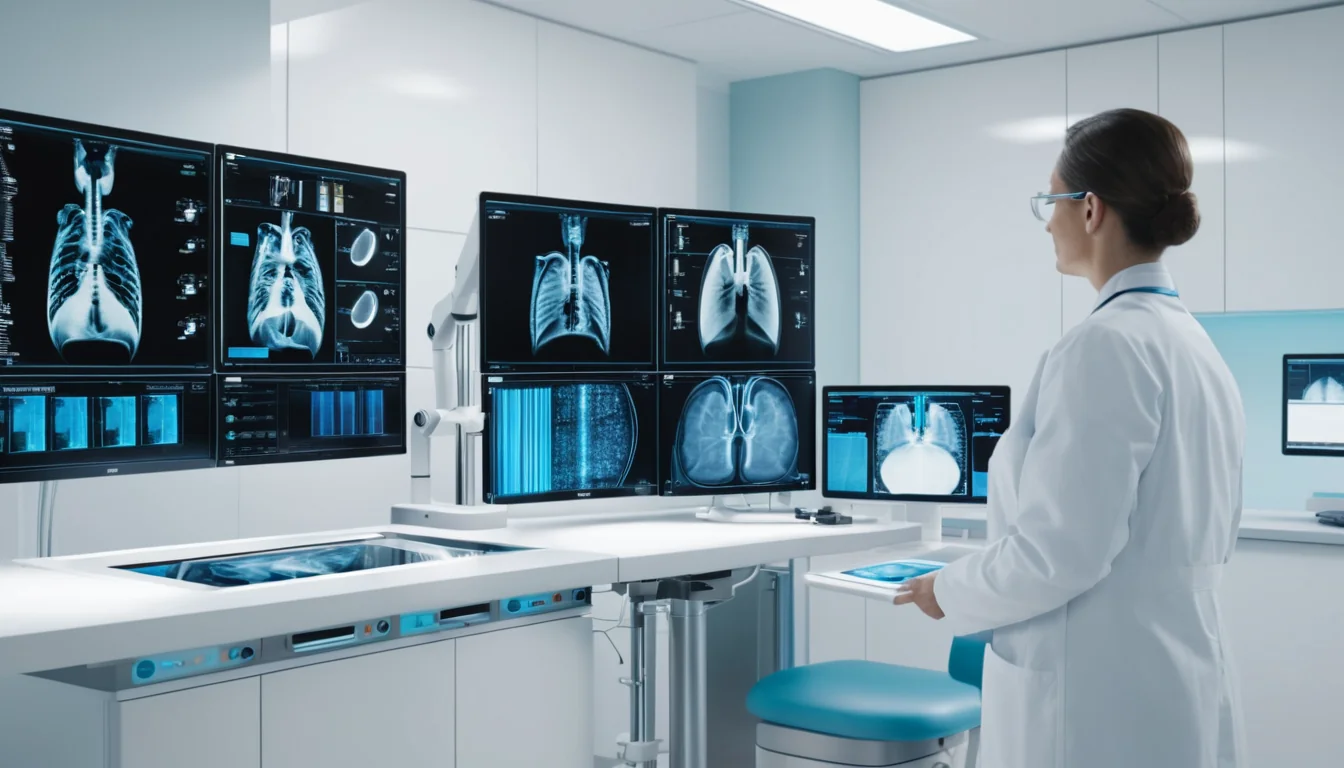
Medical diagnostic tests are essential tools that help Canadian doctors detect health problems early, monitor chronic conditions, and determine the most effective treatments. From routine blood work to advanced imaging scans, understanding these tests empowers you to take charge of your health and have more informed conversations with your healthcare provider.
Common Types of Medical Diagnostic Tests in Canada
In Canada, most diagnostic testing in Canada is covered — at least partially — through your provincial or territorial health plan. However, certain specialized tests may require a doctor’s referral or come with out-of-pocket costs depending on your province. Knowing what tests are available, when to request them, and how to access them can make a significant difference in your long-term health outcomes.
What Are Medical Diagnostic Tests?
| Diagnostic Test | What It Detects | Typical Wait Time in Canada | Key Considerations |
|---|---|---|---|
| Complete Blood Count (CBC) | Anemia, infection, blood disorders, leukemia | Same day to 48 hours | Covered under provincial health plans; requires fasting in some cases |
| MRI (Magnetic Resonance Imaging) | Soft tissue injuries, brain and spinal conditions, tumours | Weeks to several months depending on province | No radiation exposure; not suitable for patients with certain metal implants |
| Colonoscopy | Colorectal cancer, polyps, inflammatory bowel disease | 2 to 6 months | Recommended every 10 years for Canadians over 50; bowel preparation required |
| Mammography | Breast cancer and abnormal tissue changes | 1 to 4 weeks | Provincially funded screening programs available for women aged 40–74 |
| Electrocardiogram (ECG/EKG) | Heart rhythm irregularities, heart attack, arrhythmia | Same day (often in-office) | Non-invasive, painless, and widely available at most Canadian clinics |
| CT Scan (Computed Tomography) | Internal injuries, organ abnormalities, cancer staging | Days to several weeks | Involves ionizing radiation; contrast dye used in some scans may require allergy screening |
Medical diagnostic tests are tools doctors use to understand what is happening inside your body. They range from simple blood draws to advanced imaging scans. The goal is always the same: to give your doctor clear, accurate information so they can help you stay healthy.
In Canada, these tests are often covered — at least in part — through your provincial or territorial health plan. However, some specialized tests may require a referral or may not be fully covered. It is always a good idea to check with your provincial health authority or family doctor before booking a test.
Common Types of Medical Diagnostic Tests
There are many different kinds of medical diagnostic tests. Each one serves a specific purpose. Understanding the main categories can help you feel more confident during your next medical appointment.
Laboratory (Lab) Tests
Lab tests involve analyzing samples of your blood, urine, or tissue. These tests check for things like infections, blood sugar levels, cholesterol, and organ function. For example, a complete blood count (CBC) gives your doctor a broad picture of your overall health.
Lab tests are usually fast and minimally invasive. Most results are available within a few days, though some specialized genetic tests may take longer. Health Canada provides guidelines on how lab tests are regulated and what standards laboratories must meet across the country.
Medical Imaging Tests
Medical imaging lets doctors see inside your body without surgery. Common imaging tests include X-rays, ultrasounds, CT scans, and MRI scans. Each type of image gives doctors different information about your organs, bones, and tissues.
For instance, an MRI uses magnetic fields to produce detailed images of soft tissue. A CT scan uses X-rays to create cross-sectional images of the body. These tools are especially useful for detecting tumours, injuries, and structural problems.
Genetic and Molecular Tests
Genetic testing looks at your DNA to identify inherited conditions or assess your risk for certain diseases. These tests are becoming more common, especially for conditions like hereditary cancers or rare disorders. According to the World Health Organization, advances in genomics are rapidly changing how diseases are diagnosed and treated worldwide.
In Canada, genetic testing is typically ordered by a specialist. Your family doctor can refer you if there is a medical reason for testing. Results are always discussed with a healthcare provider who can explain what they mean for you and your family.
The Role of Technology in Modern Diagnostics
Medical technology has advanced enormously over the past two decades. Today, hospitals and clinics use highly sophisticated equipment to produce faster and more accurate results. This benefits patients directly — fewer misdiagnoses, quicker treatment, and better outcomes overall.
Robotic Surgery and Minimally Invasive Procedures
Robotic surgery is one of the most exciting developments in modern medicine. Surgeons use robotic systems to perform precise, minimally invasive operations. This means smaller incisions, less blood loss, and faster recovery times for patients.
Robotic systems are now used in many types of surgery, including procedures involving the kidneys, digestive system, chest, and reproductive organs. The Mayo Clinic notes that robotic-assisted surgery can reduce complications and shorten hospital stays compared to traditional open surgery. In Canada, several major hospital centres are equipped with robotic surgical technology.
Digital Radiology and Advanced Imaging
Digital radiology has replaced older film-based X-rays in most Canadian hospitals and clinics. Digital images are clearer, faster to produce, and easier to share between healthcare providers. This means your specialist can review your results quickly, no matter where they are located.
Advanced endoscopy equipment also allows doctors to examine the inside of your digestive tract, airways, and other areas with remarkable precision. These tools are essential for diagnosing conditions like colorectal cancer, Crohn’s disease, and respiratory problems early.
Preventive Health Screening in Canada
Preventive screening is one of the most powerful ways to protect your long-term health. Regular medical diagnostic tests can detect serious conditions — like cancer, heart disease, and diabetes — before symptoms even appear. Early detection almost always leads to better treatment results.
Who Should Get Screened and How Often?
Screening recommendations vary based on your age, sex, family history, and lifestyle. For example, most Canadians between the ages of 50 and 74 are encouraged to get regular colorectal cancer screening. Women are advised to have regular cervical and breast cancer screenings starting at certain ages.
Your family doctor is the best person to guide you on which screenings apply to you. They can review your personal health history and recommend a schedule that makes sense for your situation. Provincial health programmes often send reminders when you are due for routine screening.
Managing Chronic Conditions with Regular Testing
If you live with a chronic condition like diabetes, high blood pressure, or heart disease, regular diagnostic tests are essential. They help your doctor track how well your condition is being managed and adjust your treatment if needed. Therefore, staying on top of these tests is a key part of living well with a chronic illness.
Common monitoring tests include HbA1c for blood sugar control, lipid panels for cholesterol, and kidney function tests. Your care team will tell you how often you need each one based on your individual health plan.
How to Access Diagnostic Tests in Canada
In most provinces, you need a referral from a doctor to access diagnostic tests through the public health system. Your family doctor or a walk-in clinic physician can order tests based on your symptoms or routine health needs. Results are then sent back to your doctor, who will discuss them with you at a follow-up appointment.
Wait times for some specialized tests — like MRIs — can be longer in the public system. In some cases, Canadians choose to access certain tests through private clinics, paying out of pocket for faster access. However, it is important to understand what your provincial health plan covers before spending money on private testing.
Furthermore, many walk-in clinics can order basic lab work and imaging without a long wait for a family doctor appointment. This can be especially helpful if you do not have a regular family doctor or if your concern is time-sensitive.
When to See a Doctor About Diagnostic Testing
You should speak to a healthcare provider if you have new or unexplained symptoms, if a family member has been diagnosed with a hereditary condition, or if you are overdue for routine screening. Do not wait until something feels seriously wrong — many conditions show no early symptoms at all.
If you do not have a family doctor, a walk-in clinic is a great starting point. Walk-in doctors can order many common medical diagnostic tests and refer you to specialists if needed. In urgent situations, go to your nearest emergency department without delay.
Always discuss your test results with a qualified healthcare professional. Do not rely solely on internet research to interpret your results, as the context of your personal health history matters enormously. This article is for general information only and is not a substitute for professional medical advice.
Frequently Asked Questions About Medical Diagnostic Tests
What are the most common medical diagnostic tests in Canada?
The most common medical diagnostic tests in Canada include blood tests, urine tests, X-rays, ultrasounds, CT scans, and MRI scans. These tests help doctors diagnose infections, monitor chronic conditions, and screen for serious diseases like cancer. Your family doctor can recommend which tests are right for you based on your age, symptoms, and health history.
Are medical diagnostic tests covered by provincial health plans?
Many medical diagnostic tests are covered under provincial and territorial health plans when ordered by a licensed physician. However, coverage varies by province, and some specialized or elective tests may not be fully covered. It is best to check with your provincial health authority or ask your doctor before booking a test.
How do I get a referral for diagnostic testing in Canada?
In most Canadian provinces, you need a doctor’s referral to access medical diagnostic tests through the public health system. Your family doctor or a walk-in clinic physician can order tests based on your symptoms or routine health needs. Once results are ready, your doctor will contact you to discuss the findings.
What is robotic surgery and is it available in Canada?
Robotic surgery is a minimally invasive surgical technique where a surgeon uses a robotic system to perform precise operations through very small incisions. It results in less pain, fewer complications, and a faster recovery compared to traditional open surgery. Several major hospital centres across Canada are now equipped with robotic surgical technology.
How often should I get routine health screening tests?
The frequency of routine health screening depends on your age, sex, family history, and existing health conditions. For example, colorectal cancer screening is generally recommended every one to two years for Canadians between 50 and 74. Your family doctor is the best person to create a personalized screening schedule for you.
What is the difference between an MRI and a CT scan?
According to Health Canada’s guidelines on diagnostic health services, this information is supported by current medical research.
For more information, read our guide on hemoglobin blood test results and what they mean in Canada.
An MRI uses magnetic fields and radio waves to produce detailed images of soft tissues like the brain, muscles, and ligaments. A CT scan uses X-rays to create cross-sectional images and is often better for examining bones, blood vessels, and the chest. Both are important medical diagnostic tests, and your doctor will choose the right one based on what they need to see.
Key Takeaways
- Medical diagnostic tests are essential tools that help doctors detect, monitor, and treat health conditions accurately.
- Common test categories include lab tests, medical imaging, and genetic testing — each serving a different purpose.
- Modern technology, including robotic surgery and digital imaging, is improving patient outcomes across Canada.
- Preventive screening is one of the best ways to catch serious conditions like cancer and heart disease early.
- Most diagnostic tests in Canada require a doctor’s referral and may be covered by your provincial health plan.
- If you do not have a family doctor, a walk-in clinic can help you access basic testing and referrals.
- Always discuss your test results with a qualified healthcare provider — never self-diagnose based on results alone.
Frequently Asked Questions
What are medical diagnostic tests?
Medical diagnostic tests are procedures used by healthcare providers to identify, monitor, or rule out diseases and health conditions. They include blood tests, imaging scans, biopsies, and urine analysis. In Canada, these tests are typically covered under provincial health insurance plans and ordered by a licensed physician or nurse practitioner.
What are the most common medical diagnostic tests in Canada?
The most common medical diagnostic tests in Canada include complete blood count (CBC), cholesterol panels, blood glucose tests, urinalysis, X-rays, MRI scans, and ECGs. Colorectal cancer screening and Pap tests are also widely recommended preventive diagnostics covered under provincial health programs across the country.
What symptoms should prompt you to get diagnostic testing?
Seek diagnostic testing if you experience persistent fatigue, unexplained weight loss, chronic pain, shortness of breath, unusual lumps, or changes in bowel or bladder habits. Symptoms lasting more than two weeks without a clear cause warrant medical evaluation. Early testing significantly improves treatment outcomes for most serious conditions.
Can you prevent serious illness with regular diagnostic testing?
Yes. Routine diagnostic testing can detect conditions like diabetes, high cholesterol, hypertension, and certain cancers before symptoms appear. Preventive screening programs in Canada, such as breast cancer mammography and colorectal screening, have proven to reduce disease-related mortality by enabling earlier, more effective treatment interventions.
When should you see a doctor about getting medical diagnostic tests?
See a doctor immediately if you experience chest pain, difficulty breathing, sudden neurological changes, or severe abdominal pain. For routine screening, Canadians should schedule annual checkups based on age and risk factors. Your family physician can recommend appropriate diagnostic tests aligned with current Canadian clinical practice guidelines.

About the Author
Dr. Michael Ross, MD, FRCSCDr. Michael Ross is a fellowship-trained orthopedic surgeon at the University of Alberta Hospital, specializing in joint replacement and sports medicine. A Fellow of the Royal College of Surgeons of Canada (FRCSC), he has over 18 years of surgical experience and has authored multiple textbook chapters on musculoskeletal health. Dr. Ross is passionate about patient education and evidence-based medicine.
View all articles →